
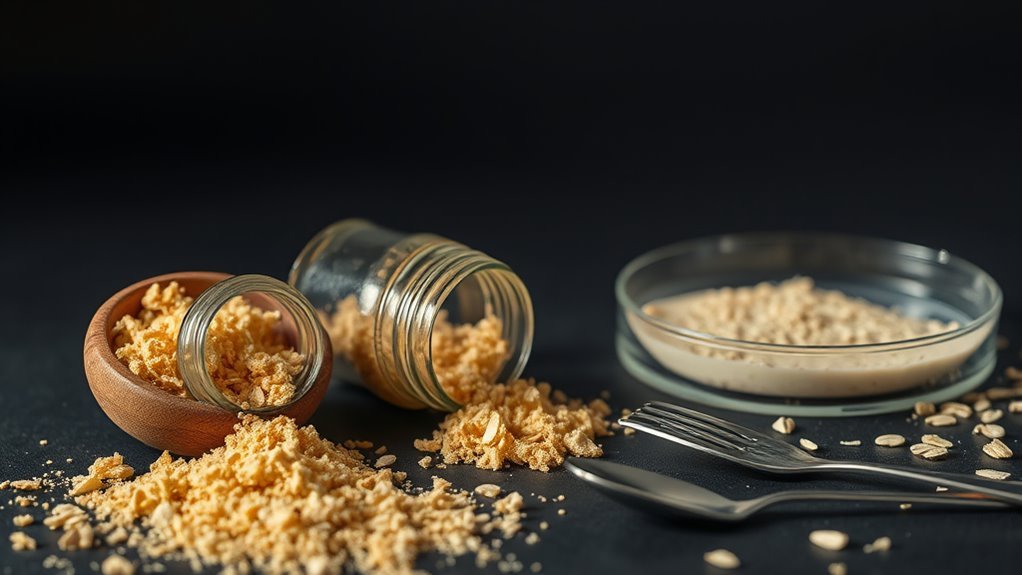
Can Nutritional Yeast Cause Candida?
You can’t get or worsen Candida overgrowth from nutritional yeast because it contains no live yeast or sugars that feed Candida. It’s a deactivated yeast, safe to include in most diets, and even supports gut health with fiber.
However, if you have yeast sensitivities or autoimmune issues, you might want to introduce it slowly to avoid discomfort.
If you want to understand potential reactions and how to use it safely, there’s more to explore.
What Is Nutritional Yeast and How Does It Differ From Candida?
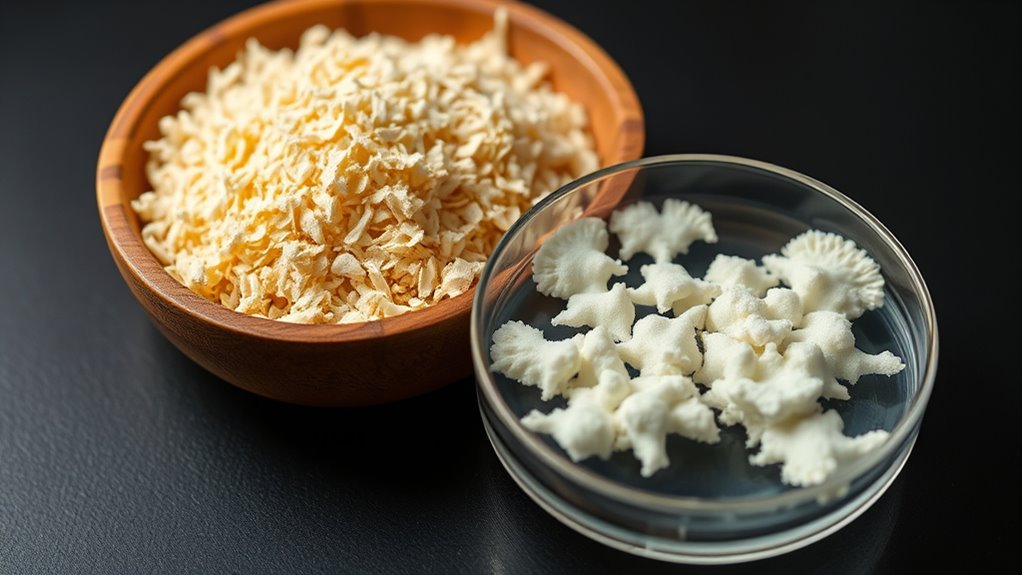
Although both nutritional yeast and Candida are types of yeast, they serve very different roles in your body and diet. Nutritional yeast is a deactivated yeast product made from Saccharomyces cerevisiae, meaning the yeast cells are killed during processing. This deactivated yeast can’t grow or cause fungal infections in your gut.
On the other hand, Candida is a live yeast that can multiply and potentially lead to infections or Candida overgrowth. Nutritional yeast is commonly used as a dietary supplement or cheese substitute, often fortified with B vitamins and minerals. This makes it a beneficial addition to your meals.
Unlike Candida, nutritional yeast doesn’t contain live yeast cells, so it doesn’t promote fungal infections or imbalance in your body. When you consume yeast products like nutritional yeast, you’re not inviting the risks associated with Candida’s live yeast. This helps keep your gut environment healthier and free from the complications linked to Candida overgrowth.
Can Nutritional Yeast Cause or Feed Candida Overgrowth?
You might be wondering if nutritional yeast can cause or feed Candida overgrowth. The good news is, nutritional yeast is deactivated and doesn’t contain any live yeast cells. So, it doesn’t actually promote Candida growth in your gut.
When you understand how Candida overgrowth works, it becomes clear why nutritional yeast is generally safe for you to enjoy.
Nutritional Yeast Composition
Because nutritional yeast is deactivated and contains no live yeast cells, it can’t cause or feed candida overgrowth. The yeast composition of nutritional yeast differs considerably from live yeast products. During processing, the yeast is killed, so it can’t multiply or contribute to Candida overgrowth in your gut.
Unlike live yeast, which can feed on dietary sugars and fermentable carbohydrates, nutritional yeast is safe and doesn’t provide a food source for candida.
Here’s what you should know about nutritional yeast composition:
- It contains deactivated yeast, meaning no live yeast cells remain.
- It’s a processed yeast product, with yeast killed after fermentation.
- It doesn’t supply dietary sugars that candida needs to thrive.
Candida Overgrowth Mechanisms
When considering whether nutritional yeast can cause or feed Candida overgrowth, it’s important to know that it contains no live yeast cells and cannot support Candida growth in your gut. Nutritional yeast is made of deactivated yeast, so it can’t proliferate or infect your digestive system.
Candida overgrowth typically results from consuming live yeast, sugars, and refined carbohydrates, which fuel the yeast cells responsible for Candida infections. Since nutritional yeast lacks live yeast, it doesn’t provide the environment Candida needs to thrive.
Moreover, your immune response plays a key role in keeping Candida growth in check. Eating nutritional yeast won’t contribute to Candida overgrowth because it doesn’t supply the live yeast or sugars that encourage yeast cell multiplication and infection in your digestive system.
Safety With Candida
Although concerns about yeast in foods often arise for those managing candida overgrowth, nutritional yeast poses no risk since it contains no live yeast cells. This deactivated yeast is processed to kill all yeast cells, so it can’t cause fungal proliferation or feed candida in your gut.
Unlike live yeast, nutritional yeast won’t promote candida overgrowth or disrupt gut health.
Here’s why nutritional yeast is safe for candida management:
- It contains no live yeast cells that could multiply in your gastrointestinal tract.
- It doesn’t contribute to fungal proliferation, unlike other yeast-containing foods.
- Most healthcare professionals agree it fits well within a candida diet focused on reducing sugar and live yeast intake.
You can include nutritional yeast confidently without worrying about worsening candida overgrowth.
Who Should Be Careful With Nutritional Yeast?
If you have a yeast intolerance, nutritional yeast might cause some issues like bloating, diarrhea, or skin rashes. It’s a good idea to be cautious if you’re prone to migraines, too, because the tyramine in nutritional yeast can sometimes trigger attacks. Just pay attention to how your body reacts—this way, you can avoid uncomfortable symptoms like flushing or headaches.
Yeast Intolerance Risks
Since nutritional yeast contains deactivated yeast cells, you might expect it to be harmless. But some people with yeast intolerance still experience symptoms like bloating, diarrhea, or skin rashes after consuming it.
Even though the yeast is deactivated, your immune response may react to its proteins, especially if you have autoimmune conditions or sensitivities linked to Candida or other yeasts. If you have inflammatory bowel disease, such as Crohn’s, nutritional yeast could worsen your symptoms.
You should be cautious if you:
- Have yeast intolerance or a history of allergic reactions to yeast products
- Suffer from inflammatory bowel diseases or autoimmune conditions
- Are sensitive to fermentable foods and need to introduce nutritional yeast gradually
Always consult a healthcare provider before adding it to your diet.
Migraines And Flushing
People with yeast sensitivities aren’t the only ones who need to be cautious with nutritional yeast. If you’re prone to migraines or have experienced niacin-induced flushing before, nutritional yeast can trigger adverse reactions.
It contains tyramine, which affects blood vessels and neurotransmitter release, potentially causing migraines and headaches in sensitive individuals. Furthermore, the niacin in nutritional yeast may cause flushing—redness, burning, and itching of the skin—within 10-20 minutes of consumption.
While this flushing usually subsides within 1-2 hours and isn’t harmful, it can be uncomfortable. If your immune response or sensitivities include frequent headaches or skin flushing, you should monitor your intake closely and consider consulting a healthcare professional before regularly adding nutritional yeast to your diet.
How Does Nutritional Yeast Affect Gut Health and Digestion?

Although nutritional yeast is derived from yeast, it doesn’t contain live cells and won’t cause candida overgrowth in your gut. Since it’s deactivated yeast, it can’t promote harmful yeast growth. Instead, nutritional yeast supports gut health by providing fiber, especially beta-glucans, which help improve digestion and bowel regularity.
However, if you have sensitive gut conditions, introducing it too quickly may cause digestive discomfort like bloating or gas.
Here’s what you should know about nutritional yeast and your gut microbiome:
- Its fiber content nourishes beneficial gut bacteria, enhancing overall digestion.
- It lacks fermentable carbohydrates, so it won’t feed candida or worsen overgrowth.
- People with sensitive digestive systems should start with small amounts to avoid discomfort.
How Can Tyramine and Niacin in Nutritional Yeast Affect You?
When you consume nutritional yeast, compounds like tyramine and niacin can affect your body in specific ways. Tyramine, derived from tyrosine, may trigger migraines or headaches if you’re sensitive. It influences your central nervous system by releasing hormones that can raise your blood pressure, contributing to these symptoms.
On the other hand, niacin (vitamin B3) in nutritional yeast, especially in high doses, can cause facial flushing, burning, and itching within 10–20 minutes of ingestion. This reaction is temporary, typically resolving within 1–2 hours, and occurs more often with supplements than food sources.
If you’re prone to migraines or sensitive to niacin, it’s important to monitor how much nutritional yeast you consume. While these compounds can impact your immune response indirectly by stressing your system, avoiding excessive intake helps reduce the chances of headaches, migraines, and uncomfortable flushing.
Understanding these effects lets you enjoy nutritional yeast without unwanted side effects.
What Are the Signs of Nutritional Yeast Sensitivity?

If you notice symptoms like bloating, gas, or mild abdominal discomfort after consuming nutritional yeast, you might be sensitive to it. These signs of sensitivity often point to your body’s digestive response to the yeast.
Mild symptoms can include some discomfort, but skin reactions and headaches are also common indicators that your immune response is reacting to the nutritional yeast.
Watch for these signs of nutritional yeast sensitivity:
- Digestive issues such as bloating, gas, diarrhea, or changes in bowel habits
- Skin reactions like rashes, itching, or redness
- Headaches or migraines, especially if you’re sensitive to tyramine or niacin
Recognizing these signs early helps you manage your intake and avoid more severe reactions. If you experience anything beyond mild symptoms, it’s best to consult a healthcare professional.
How Do I Safely Add Nutritional Yeast to My Diet?
Since nutritional yeast can sometimes cause digestive discomfort or allergic reactions, you should introduce it gradually into your diet. Start with small servings, like 1 teaspoon, and slowly increase to 1-2 tablespoons over several weeks. This gradual increase helps your digestive system adapt to the added yeast cells and fiber intake, reducing the risk of intolerance or triggering an immune response.
Incorporate nutritional yeast into meals such as smoothies, soups, or salads to monitor how your body reacts. Pay close attention to symptoms like bloating, gas, or allergic reactions, adjusting your intake as needed to avoid discomfort. Make sure you drink enough fluids to support digestion alongside the higher fiber intake. If you have existing digestive issues or suspect sensitivity, consult a health professional before adding nutritional yeast. This cautious approach helps you benefit from nutritional yeast safely without compromising your digestive health.
When Should I See a Doctor About Yeast-Related Symptoms?
Although many people tolerate nutritional yeast well, you should seek medical help immediately if you experience severe symptoms such as intense abdominal pain, persistent vomiting, or blood in your stool. These could signal serious yeast reactions or complications related to candida overgrowth.
You also need prompt medical attention if you notice signs of allergic reactions or yeast intolerance, especially swelling of the lips, tongue, or throat, or difficulty breathing. Milder digestive symptoms and new skin rashes after adding nutritional yeast to your diet should prompt a check-in with a healthcare professional to rule out ongoing yeast-related issues.
Watch for these red flags that warrant seeing a doctor:
- Severe allergic reactions like hives, swelling, dizziness, or fainting
- Persistent or worsening digestive symptoms after consuming yeast
- Any symptoms suggesting candida or yeast intolerance that don’t improve with dietary changes
Don’t hesitate to consult a healthcare professional for proper diagnosis and treatment of yeast-related symptoms.
Frequently Asked Questions
Can Nutritional Yeast Interact With Medications?
Nutritional yeast rarely causes drug interactions or enzyme inhibition, so it usually doesn’t affect medication efficacy. However, if you take medications that influence your immune response or gut flora, it’s wise to seek pharmacy advice first.
High doses might impact nutrient absorption and cause gastrointestinal effects, potentially altering medication absorption. Always watch for contraindications and consult your healthcare provider before adding nutritional yeast to your routine to guarantee safe use alongside your medications.
Is Nutritional Yeast Safe for Pregnant Women?
Yes, nutritional yeast is generally safe for you during pregnancy when consumed within dietary guidelines. It offers pregnancy benefits like B vitamins and protein, supporting prenatal nutrition and immune support.
You should consider nutritional considerations and safety precautions, especially if you have health risks or take medications. Always check with your healthcare provider to verify it fits your diet and aids nutrient absorption without causing complications during pregnancy.
How Is Nutritional Yeast Produced?
Did you know that over 90% of nutritional yeast’s nutritional content comes from its unique yeast strains? In the production process, you’ll see fermentation methods carefully controlled in a clean cultivation environment, using high-quality ingredient sourcing like molasses.
After fermentation, drying techniques deactivate the yeast, followed by strict quality control. Finally, the yeast flakes or powders are packaged using hygienic packaging practices, ensuring you get a safe, nutrient-rich product every time.
Does Nutritional Yeast Contain Gluten?
Nutritional yeast doesn’t contain gluten, making it safe if you have gluten sensitivity or gluten intolerance. Most brands offer gluten-free options and label their products clearly with gluten-free labeling to help you avoid gluten reactions.
However, cross-contamination can happen, so you should look for certified gluten-free products, especially if you follow a strict gluten-free diet. Always check for gluten testing on the packaging to protect your gluten and health needs.
Can Nutritional Yeast Help With Skin Health?
You might be surprised how nutritional yeast can boost your skin health. It helps with skin hydration and moisture retention, easing dryness. Its antioxidant effects fight inflammation, leading to acne improvement and eczema relief.
Plus, the zinc supports collagen production, enhancing skin elasticity. While allergic reactions are rare, you should watch for them. Overall, it’s a powerful natural ally for inflammation reduction and vibrant, healthy skin.
Conclusion
Nutritional yeast won’t fan the flames of candida like you might fear. It’s a different yeast altogether. But if you’re sensitive or have a history of candida overgrowth, tread carefully.
Think of it as a new friend: get to know it slowly and listen to your body’s signals. When in doubt, don’t hesitate to check in with your doctor. Your gut’s harmony is worth tuning in to every step of the way.