
How to Create a Meal Plan to Lower Cholesterol and Blood Pressure
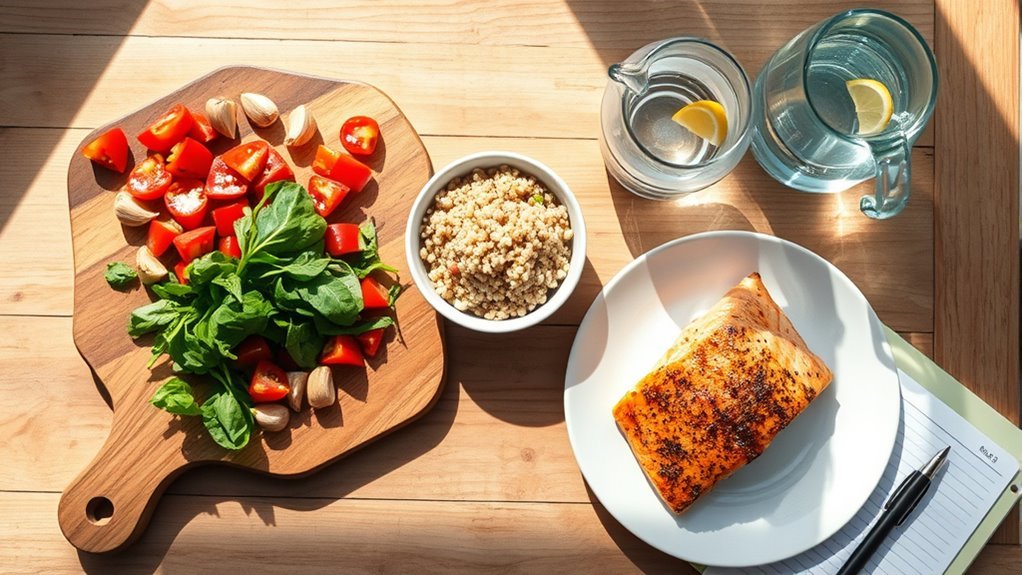
To create a meal plan that lowers cholesterol and blood pressure, focus on nutrient-dense foods like whole grains, fatty fish, fruits, vegetables, lean proteins, and healthy oils.
Limit sodium to under 2,300 mg daily by avoiding processed foods and seasoning with herbs instead of salt.
Add soluble fiber from oats, beans, and fruits to help reduce LDL cholesterol.
Tailor portion sizes to your calorie needs and balance meals for sustained heart health.
There’s more to explore on building lasting, heart-smart eating habits.
Choosing Heart-Healthy Foods for Lowering Cholesterol and Blood Pressure
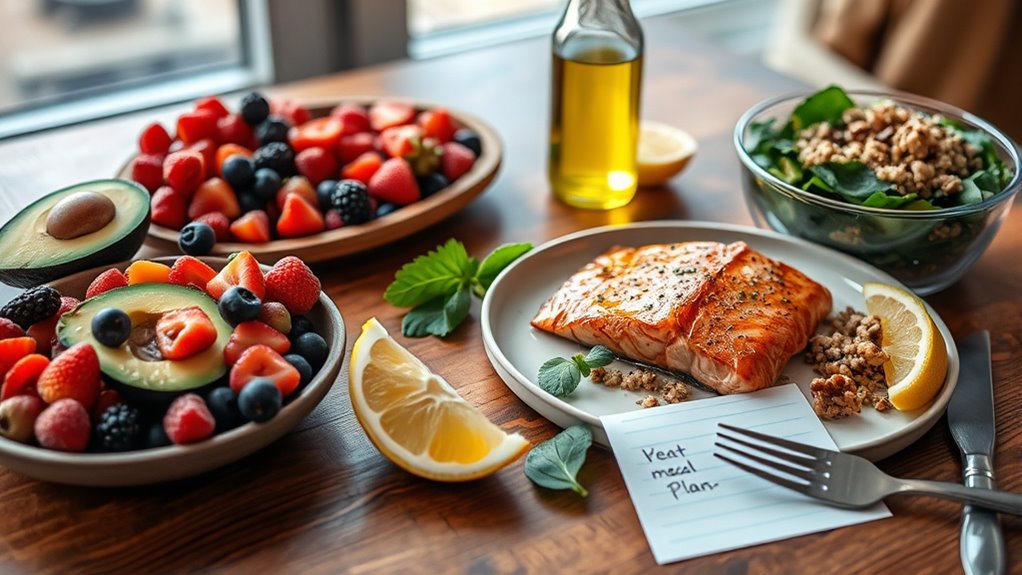
When you choose heart-healthy foods, you can effectively lower both cholesterol and blood pressure. Focus on incorporating whole grains like oats and barley, which are rich in soluble fiber that helps lower LDL cholesterol by binding it in your gut.
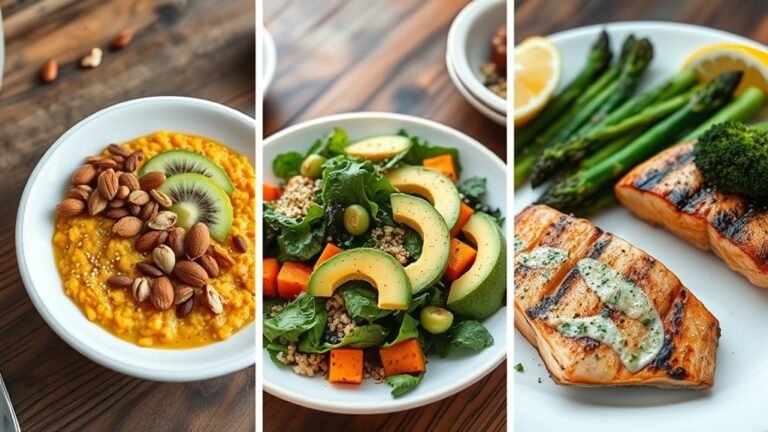
Including fatty fish such as salmon and mackerel twice a week adds omega-3 fatty acids, reducing inflammation and triglycerides. Don’t forget to boost your intake of plant-based foods. Nuts, seeds, vegetables, and fruits support heart health and help regulate blood pressure.
Swap out saturated fats found in fatty meats and full-fat dairy for lean proteins, low-fat dairy, and healthy vegetable oils. Minimizing processed and high-sodium foods is key to controlling blood pressure and preventing artery damage.
Planning Balanced Meals With the DASH Diet Framework
Although managing cholesterol and blood pressure can feel overwhelming, using the DASH diet framework makes planning balanced meals straightforward and effective. You’ll focus on heart-healthy, nutrient-dense foods like fresh vegetables, fruits, whole grains, lean proteins, and low-fat dairy.
Managing cholesterol and blood pressure is easier with the DASH diet’s focus on nutrient-rich, heart-healthy foods.
The DASH diet encourages including potassium, calcium, magnesium, fiber, and protein while keeping your sodium intake below 2,300 mg daily.
To create balanced meals, incorporate minimally processed foods such as oats, beans, and fish, which naturally support healthy cholesterol and blood pressure levels. Adjust portion sizes and meal frequency to fit your calorie needs, ensuring variety across food groups.
Using meal planning worksheets can help you stay consistent and organized. By following these guidelines, you’ll build meals that not only taste great but also promote long-term heart health through balanced meals rooted in the DASH diet principles.
Easy and Tasty DASH Diet Menus to Try
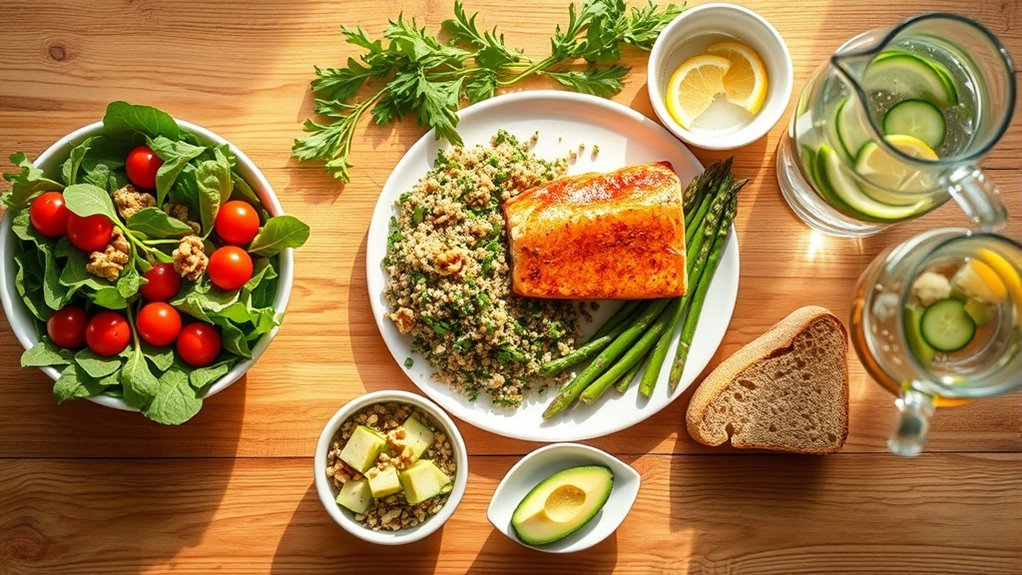
You can kick off your day with a bowl of oatmeal topped with fresh fruit—it’s a great way to fuel up. Then, for lunch, why not enjoy some vegetable hummus alongside a whole-grain pita? It’s tasty and keeps things light. When dinner rolls around, try baked salmon with rice and green beans; it’s a perfect combo to keep your meal balanced and heart-healthy. And don’t forget about snacks! Low-fat yogurt or whole-wheat bagels with nut butter are great options to keep you feeling satisfied throughout the day.
Sample DASH Day
If you want to lower your cholesterol and blood pressure, following a sample DASH diet day can make it simple and enjoyable. This heart-healthy foods meal plan focuses on vegetables, fruits, whole grains, and low-fat dairy, keeping sodium under 2,300 mg.
Here’s a quick look at a typical DASH diet day:
- Breakfast: Oatmeal topped with raisins and banana for fiber and nutrients.
- Lunch/Dinner: Roasted salmon with brown rice and green beans, offering lean protein and essential minerals.
- Snacks: Low-fat yogurt or fresh fruit to satisfy hunger without excess sodium or unhealthy fats.
This balanced structure helps control cholesterol and blood pressure, enhances flavor with herbs instead of salt, and fits within an 1,800 to 2,000 calorie range. Following this meal plan supports your heart health effectively.
Balanced Meal Ideas
When planning balanced meals, focus on combining fruits, vegetables, whole grains, and lean proteins to keep your diet heart-healthy and flavorful. Start your day with oatmeal topped with berries for a fiber-rich boost.
For lunch, try a spinach salad with grilled chicken or a vegetable stir-fry paired with brown rice, emphasizing whole foods to nourish your body. Incorporate lean protein like baked salmon, turkey, or plant-based beans to support cholesterol control.
Use herbs and spices instead of salt to reduce sodium intake. Snack on low-fat dairy, nuts, or seeds to add calcium and healthy fats without excess saturated fat.
These easy, tasty DASH diet menus help you enjoy balanced meals that lower cholesterol and blood pressure while keeping you satisfied.
Add Soluble Fiber to Lower Cholesterol Naturally
Because soluble fiber binds to cholesterol in your digestive system, adding it to your diet can naturally lower your blood cholesterol levels. This helps improve heart health and can also positively affect blood pressure by reducing strain on your cardiovascular system.
To boost your intake of soluble fiber, try these simple steps:
- Include oats and barley in your meals. They’re rich in soluble fiber and can lower LDL cholesterol by up to 10% within six weeks.
- Add beans and lentils to salads or soups for a fiber-packed, heart-healthy option.
- Snack on fruits like apples, oranges, or berries, which provide soluble fiber that forms a gel-like substance to block cholesterol absorption.
Aim for 5-10 grams of soluble fiber daily to see significant improvements. This natural approach to lowering cholesterol supports your overall diet and promotes better heart health without relying on medication.
How to Limit Sodium for Lower Blood Pressure Without Losing Flavor
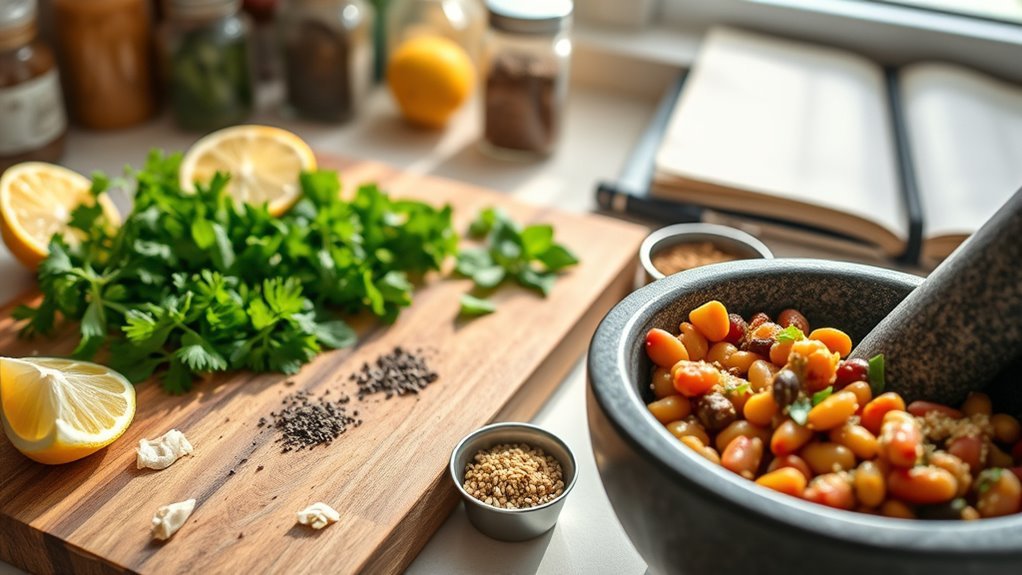
Although cutting back on sodium might seem challenging, you can still enjoy delicious meals while lowering your blood pressure. Start by choosing fresh, unprocessed foods, which naturally contain less sodium than canned or packaged options.
When cooking, replace salt with herbs, spices, lemon juice, or vinegar to boost flavor without adding sodium. Gradually reduce salt in your recipes and at the table, letting your palate adjust over time.
Always read nutrition labels carefully and pick low-sodium or no-salt-added versions to keep your sodium intake below recommended limits. These simple swaps help you limit sodium effectively while keeping meals tasty and satisfying.
Easy Ways to Include Lean Proteins and Healthy Fats
You can easily boost your meal plan by choosing lean proteins like skinless chicken, beans, or fatty fish that are rich in omega-3s. And don’t forget to add healthy fats from sources like avocados, nuts, and olive oil—they’re great for supporting heart health. When you combine these proteins and fats thoughtfully, it helps lower cholesterol and blood pressure without sacrificing flavor.
Lean Protein Sources
When planning meals to lower cholesterol and blood pressure, focusing on lean protein sources can make a big difference. Lean protein helps reduce saturated fat intake, which supports heart health.
Here are three easy ways to include them in your diet:
- Choose skinless poultry like chicken or turkey. They provide lean protein with less saturated fat than red meats.
- Incorporate fatty fish such as salmon, mackerel, or sardines at least twice a week for omega-3 fatty acids that help protect your heart.
- Add plant-based protein sources like beans, lentils, and tofu. These are low in saturated fat and high in fiber, which aids in lowering cholesterol.
Don’t forget low-fat dairy options like nonfat Greek yogurt and skim milk to get protein without extra saturated fat.
Healthy Fat Options
Including lean proteins in your meals sets a strong foundation for heart health, but pairing them with healthy fats can boost those benefits even more. You can add omega-3 fatty acids by eating fatty fish like salmon or sardines twice a week.
Plant-based proteins such as beans and tofu also offer heart-healthy fats while reducing saturated fat intake. For snacks or toppings, nuts like walnuts provide beneficial monounsaturated fats.
Cooking with heart-healthy oils like olive or avocado oil helps maintain healthy cholesterol levels.
Combining Proteins And Fats
Although it might seem challenging at first, combining lean proteins with healthy fats is easier than you think and can greatly improve your heart health. Including the right balance helps lower cholesterol and regulate blood pressure effectively.
Here are three easy ways to combine proteins and healthy fats:
- Choose skinless poultry or fish rich in omega-3s, like salmon, paired with a drizzle of olive oil or a handful of nuts.
- Add plant-based proteins such as beans or tofu alongside avocado slices or seeds for a nutrient-packed meal.
- Swap fatty meats for lean cuts and replace saturated fats with monounsaturated and polyunsaturated fats to support better cardiovascular health.
Healthy Snack and Small Meal Ideas to Support Heart Health
Choosing snacks and small meals wisely can make a big difference in managing your cholesterol and blood pressure. Healthy snacks like Greek yogurt with berries, raw vegetable sticks with hummus, or a handful of nuts provide heart-healthy fats, fiber, and protein that support cholesterol management.
Small meals such as whole-grain crackers topped with avocado or a fruit salad with citrus and seeds help maintain blood pressure and reduce artery inflammation. Incorporate foods rich in soluble fiber, like apple slices or oat-based granola, which lower LDL cholesterol by binding it in your gut.
Including lean protein sources like tofu, beans, or fish in your snacks and small meals reduces saturated fat intake, promoting cardiovascular health. Avoid processed snacks high in sodium and trans fats, like chips and cookies, as they can raise blood pressure and damage arteries.
Customizing Your Meal Plan for Your Calorie Needs and Preferences
When you tailor your meal plan to match your daily calorie needs, you’ll better support both your heart health and weight goals. Your calorie needs typically range from 1,200 to 2,600 calories, so adjusting portion control is key to staying within these limits while still enjoying satisfying meals. Focus on nutrient-dense foods like fruits, vegetables, whole grains, lean proteins, and healthy fats to keep your meals both flavorful and beneficial.
Tailoring your meal plan to your calorie needs supports heart health and weight management with nutrient-rich foods.
Here’s how to customize effectively:
- Use meal planning tools to assess your current diet and set realistic calorie and nutrient targets.
- Adjust portion sizes and meal frequency based on your hunger cues and lifestyle. This helps ensure consistent intake of heart-healthy foods.
- Include foods that match your taste preferences and cultural habits while prioritizing those that support lowering cholesterol and blood pressure.
Tracking Progress and Staying on Track for Long-Term Success
To stay on track with your meal plan and achieve long-term success, you need to regularly monitor your blood pressure and cholesterol levels. Tracking progress through blood tests helps you see how well your plan works and shows when adjustments are necessary.
Keeping a food diary or using tracking apps can help you stick to recommended limits on sodium, saturated fat, and calories. Set measurable goals, like cutting sodium by 500 mg weekly or adding more vegetable servings, to maintain steady improvement.
Don’t forget to follow up consistently with healthcare providers. They offer personalized feedback and keep you motivated. Celebrating small milestones, such as hitting a target LDL level, reinforces your commitment.
Frequently Asked Questions
Can Supplements Replace Dietary Changes for Lowering Cholesterol and Blood Pressure?
No, supplements can’t replace dietary changes for lowering cholesterol and blood pressure. While supplements’ effectiveness can support your efforts, relying solely on alternative health products won’t give you the broad nutrients and fiber your body needs.
You should follow dietary supplement guidelines carefully and consider supplement safety considerations. Natural remedy options work best alongside a heart-healthy diet, not as a stand-alone solution.
Combining both is your safest, most effective approach.
How Quickly Can I Expect to See Improvements From Dietary Changes?
Think of your body like a garden. When you start watering regularly, you’ll see new growth in just a few weeks.
With meal timing and dietary consistency, you can expect improvements in blood pressure and cholesterol within 2 to 4 weeks. Keep symptom monitoring to track progress, make gradual adjustments, and integrate these changes into your lifestyle.
Staying consistent helps your heart-health bloom steadily, creating lasting benefits over time.
Are There Specific Foods to Avoid for People on Blood Pressure Medication?
You should avoid processed foods and focus on salt reduction to prevent your blood pressure medication from losing effectiveness. Limit alcohol intake since it can raise blood pressure and interact with your meds.
Be cautious with caffeine impact. Too much can spike your pressure. Steering clear of high-sodium snacks, canned soups, and deli meats helps too.
Always consult your doctor before making big diet changes to stay safe and effective.
How Does Stress Affect Cholesterol and Blood Pressure Levels?
Stress impacts your cholesterol and blood pressure by triggering cortisol release, which raises both over time. When stress triggers activate your sympathetic nervous system, your blood vessels constrict, increasing pressure.
Managing stress through relaxation techniques like meditation helps balance cortisol levels and supports emotional health. By recognizing stress triggers and practicing stress management, you can protect your heart and lower cholesterol, improving overall well-being.
Don’t underestimate the power of calming your mind.
Can Intermittent Fasting Help With Cholesterol and Blood Pressure Control?
Intermittent fasting offers fantastic fasting schedules that foster favorable health benefits. You can see significant improvements in blood pressure and cholesterol by adopting this approach.
Conclusion
You’ve got the power to transform your heart health with just a few smart meal choices. It’s like giving your arteries a superhero cape! By embracing heart-healthy foods, the DASH diet, and smart swaps, you’re not just lowering cholesterol and blood pressure. You’re rewriting your health story.
Stick with it, customize your plan, and watch your body thank you with unstoppable energy and vigor. Your heart’s future? Absolutely unstoppable!

5 Comments