How to Unlock the Benefits of Mushroom Nutrition Deep Dive
To unlock mushroom nutrition benefits, choose UV-exposed varieties like portabella or cremini to boost vitamin D.
Store them in paper bags in the fridge to keep nutrients intact, and clean just before cooking to avoid moisture loss.
Cooking with healthy fats like olive oil enhances vitamin D absorption.
Mushrooms also offer antioxidants and support brain, immune, and heart health.
If you want to optimize your intake and discover easy ways to add mushrooms to your diet, keep exploring these tips.
Mushroom Nutrition: Why It Matters for Your Health
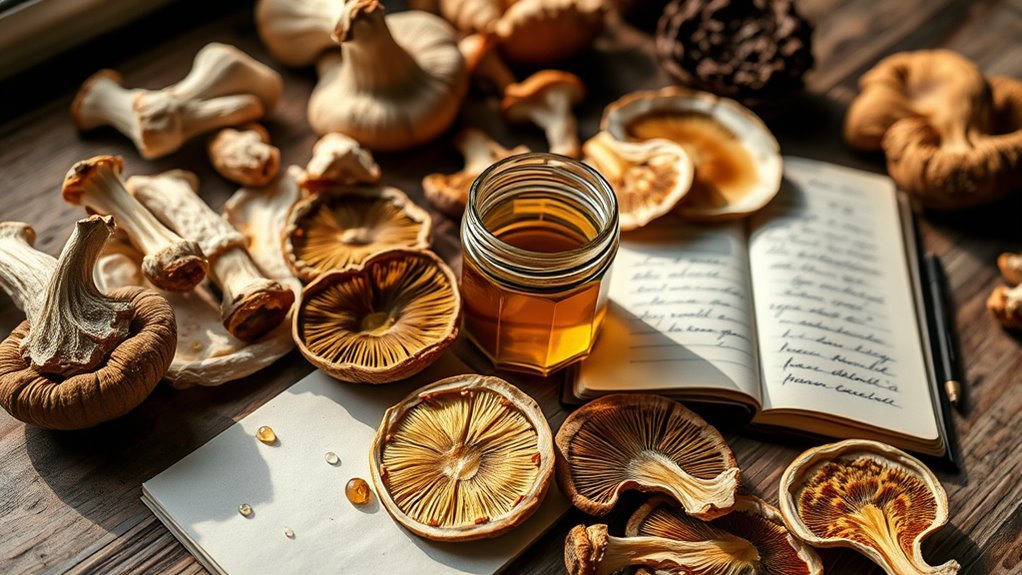
Although often overlooked, mushrooms pack a powerful nutritional punch that can boost your health in multiple ways. When you focus on mushroom nutrition, you tap into a wealth of bioactive compounds like polysaccharides, which play a crucial role in immune support and gut health.
These unique compounds work to enhance nutrient absorption and help lower cholesterol, contributing to your overall wellness. Mushrooms also contain antioxidants such as ergothioneine that protect your cells from oxidative stress, supporting cognitive health and potentially reducing the risk of chronic diseases.
While mushrooms naturally offer essential nutrients like B vitamins, selenium, and potassium, their vitamin D content boosted by UV exposure makes them stand out as a rare plant-based source. By including mushrooms in your diet, you harness a potent combination of vitamins, minerals, and bioactive compounds that work synergistically to support your immune system, improve cognitive function, and promote heart and gut health.
Choosing Mushrooms Rich in Vitamin D and Antioxidants
You can easily boost your vitamin D intake by choosing mushrooms like portabella, cremini, and white button—especially if they’ve been exposed to UV light. It’s a simple way to get more of this important nutrient.
When it comes to antioxidants, go for shiitake, maitake, and oyster mushrooms. These varieties are packed with ergothioneine, a powerful antioxidant.
Vitamin D Mushroom Varieties
How can you boost your vitamin D intake while enjoying mushrooms? Certain mushroom varieties like maitake, shiitake, and oyster mushrooms naturally contain ergosterol, which converts to vitamin D2 when exposed to UV exposure. This makes them an excellent source of plant-based vitamin D.
White button, portabella, and cremini mushrooms can also produce up to 1200 IU of vitamin D per serving after UV treatment. To maximize vitamin D levels, slice mushrooms and leave them under direct sunlight or UV lamps for about 15 minutes.
Choosing UV-treated mushrooms guarantees you get a reliable dose of vitamin D2, especially if you have limited sun exposure or follow a plant-based diet. Incorporating these mushrooms into your meals can enhance your vitamin D intake effectively.
Antioxidant-Rich Mushroom Types
When selecting mushrooms to boost your diet, focusing on those rich in both vitamin D and antioxidants can considerably enhance your health benefits. Mushroom varieties like shiitake, maitake, oyster, and king oyster contain high levels of ergothioneine, a powerful antioxidant that protects your cells.
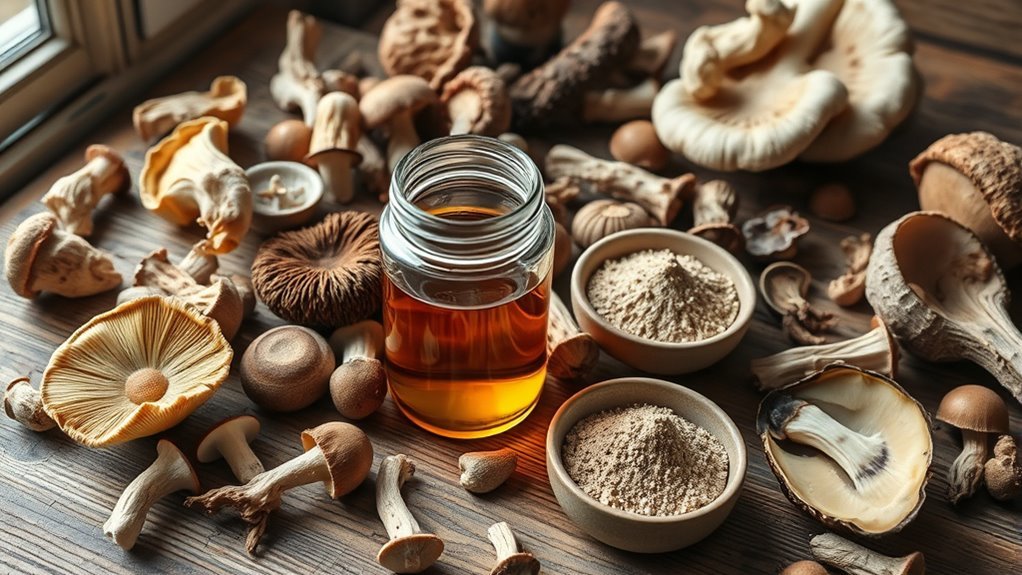
UV-exposed white button, portabella, and cremini mushrooms provide significant vitamin D2, increasing their antioxidant-rich profile and immune support. Medicinal mushrooms such as reishi and turkey tail offer potent bioactive compounds and polysaccharides known for their antioxidant properties.
Dried porcini and morels also maintain impressive nutrient content when stored properly. To maximize benefits, choose mushrooms with vibrant color and firm texture, ensuring you get the full spectrum of antioxidants, vitamin D2, and other essential bioactive compounds for ideal health.
Vitamin D Benefits of UV-Exposed Mushrooms
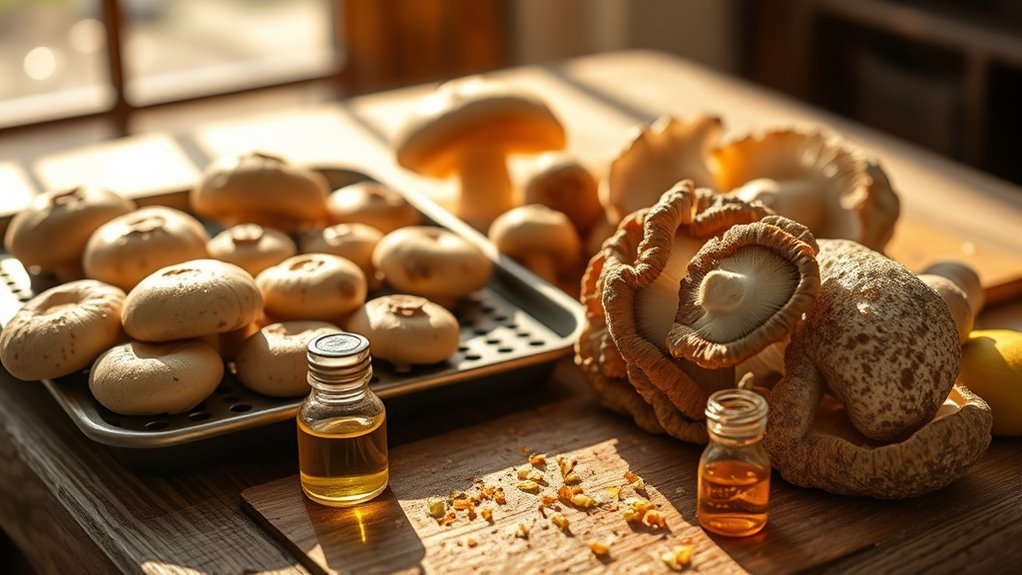
Although mushrooms naturally contain little vitamin D, exposing them to ultraviolet (UV) light transforms ergosterol into vitamin D2, dramatically boosting their nutritional value. When you use UV-exposed mushrooms, especially varieties like white button, portabella, and cremini, you can get up to 400 IU of vitamin D in just a 3.5 oz serving. This is comparable to some supplements and supports your immune system effectively.
You don’t need fancy equipment; just 15 minutes of sunlight exposure on sliced mushrooms initiates this conversion. Plus, cooking them with healthy fats like olive oil enhances nutrient absorption, making the vitamin D2 more bioavailable.
This UV treatment makes mushrooms a convenient, natural source of vitamin D, especially if you have limited sun exposure. Incorporating UV-exposed mushrooms into your diet is a smart way to access vitamin D benefits and support your overall health through better immune function and nutrient uptake.
Mushroom Nutrition for Brain, Immune, and Heart Health
Because mushrooms pack powerful nutrients like antioxidants, beta-glucans, and vitamin D, including them in your diet can boost brain, immune, and heart health. Mushroom nutrition supports brain health by reducing cognitive impairment risk by 50% when you consume over two cups weekly. Antioxidants like ergothioneine protect brain cells from oxidative damage, keeping your mind sharp.
Beta-glucans in shiitake, maitake, and reishi mushrooms enhance immune function, helping your body fight off illness and indirectly benefiting your heart and brain. Vitamin D from mushrooms plays a key role in neuroprotection and immune regulation.
Here’s why you should add mushrooms to your meals:
- Shield your brain from cognitive decline with antioxidants and vitamin D.
- Strengthen your immune function through beta-glucans-rich varieties.
- Support heart health by promoting cardiovascular health and reducing risk factors.
Embrace mushroom nutrition to naturally elevate your brain, immune, and heart health.
Lowering Cholesterol and Sodium With Mushrooms
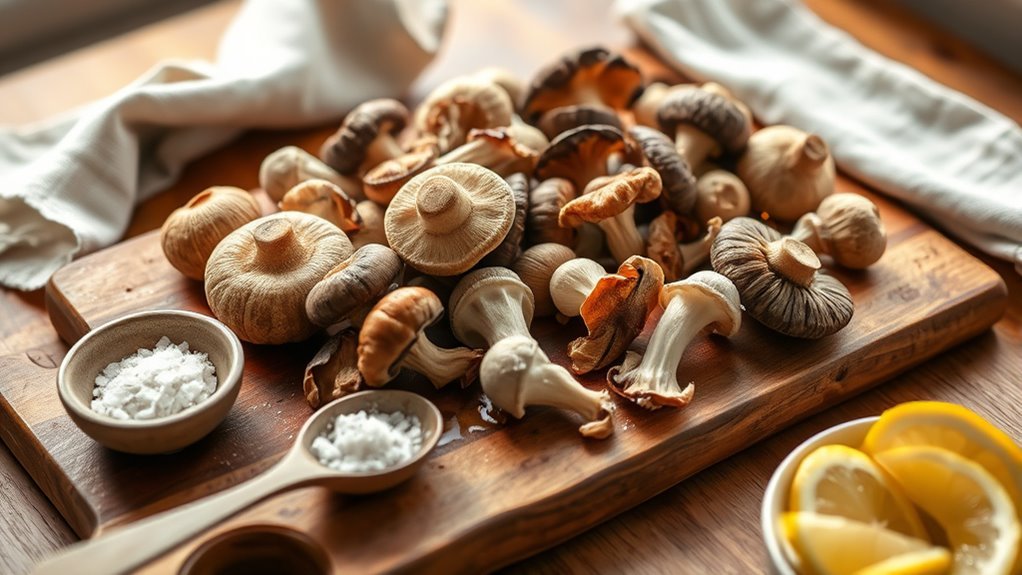
If you want to lower your cholesterol and sodium intake, incorporating mushrooms into your meals is a smart move. Mushrooms are naturally low sodium ingredients, with one cup of white button mushrooms containing only 5 mg of sodium.
Shiitake mushrooms, in particular, help lower cholesterol by inhibiting its production. The beta-glucans in mushrooms further support heart health by reducing cholesterol and helping to reduce blood pressure, improving your cardiovascular health.
| Mushroom Variety | Key Nutritional Benefit | Health Impact |
|---|---|---|
| White Button | Low sodium (5 mg per cup) | Reduces sodium intake |
| Shiitake | Cholesterol inhibition | Supports lowering cholesterol |
| All Varieties | Beta-glucans (prebiotic fiber) | Enhances heart health and reduces blood pressure |
| Mixed Use | Substitute for ground beef | Lowers sodium by ~25% |
Using mushrooms as a low sodium ingredient offers impressive nutritional benefits for cardiovascular health.
Easy Ways to Add Mushrooms for Maximum Health Benefits
When you add a variety of mushrooms like shiitake, maitake, and portabella to your meals, you not only boost your intake of ergothioneine and vitamin D but also enhance flavor without extra sodium. These mushrooms offer impressive nutrition and health benefits, supporting your immune system and providing antioxidants.
Here are easy ways to maximize mushroom benefits:
- Swap red meat or salt for mushrooms in burgers, pasta sauces, or stir-fries to enjoy low sodium and rich umami flavor.
- Slice mushrooms and expose them to sunlight for 15 minutes before cooking to increase vitamin D bioavailability.
- Sprinkle mushroom extracts or Umami Seasoning Blend on eggs, soups, or salads for quick flavor and nutrition.
Using various mushroom varieties regularly helps you tap into their full health benefits and culinary potential. With these simple culinary tips, you’ll enjoy mushrooms’ power in boosting immune support and overall wellness every day.
Storing and Preparing Mushrooms for Maximum Nutrition
How can you keep your mushrooms fresh and nutritious for longer? Proper mushroom storage is essential. Store them in a brown paper bag with an open top inside the refrigerator to absorb excess moisture. This helps maintain freshness and nutritional quality. Avoid washing mushrooms until just before use, as moisture can speed spoilage.
If your mushrooms are UV-treated, storing them in a cool, dry place preserves their enhanced vitamin D content. Use gentle cleaning methods like brushing or a quick rinse to protect nutrient preservation. Stay clear of plastic wrap or airtight containers; they trap moisture and cause mushrooms to rot.
| Storage Tips | Cleaning Methods | Nutritional Benefits |
|---|---|---|
| Brown paper bag in fridge | Brush or rinse briefly | Preserves vitamin D |
| Avoid plastic wrap | Clean just before use | Maintains freshness |
| Cool, dry storage for UV-treated | Moisture control vital | Enhances nutritional quality |
These steps ensure your mushrooms deliver maximum nutrition every time.
Frequently Asked Questions
Can Mushroom Supplements Replace Whole Mushrooms in My Diet?
You can’t fully replace whole mushrooms with supplements in your diet. Whole mushrooms offer rich mushroom flavor, diverse culinary uses, and unique cooking methods that supplements lack.
Considering mushroom varieties and harvesting techniques enhances freshness and nutrition. Proper storage tips preserve quality, while culinary pairings and mushroom seasoning boost taste.
Supplements can complement dietary preferences, but for the best benefits, combine both whole mushrooms and supplements, supported by mindful mushroom cultivation practices.
How Do Mushroom Extracts Compare Nutritionally to Fresh Mushrooms?
Mushroom extracts usually have higher nutrient concentrations than fresh mushrooms because extraction processes concentrate key compounds like antioxidants and beta-glucans. You’ll notice improved bioavailability factors due to processing impacts such as hot water or alcohol extraction.
However, fresh versus dried mushrooms differ in mineral content and phytochemical differences, with fresh offering broader nutrients and fiber. Extracts provide better shelf stability but may lack some nutrients found in whole mushroom varieties.
Are There Any Risks of Consuming Too Many Mushrooms Regularly?
You might think eating tons of mushrooms is harmless, but too much can cause a mushroom overdose. Watch for toxic mushroom signs and allergic reactions, especially if you’re unsure about sourcing.
Heavy metal contamination and pesticide residues pose risks too. Overdoing it may lead to digestive issues, nutrient imbalance, and affect your immune system.
To guarantee long term safety, follow dosage guidelines and avoid relying solely on mushrooms for nutrition.
Do Cooking Methods Affect Mushroom Vitamin D Levels?
Yes, cooking techniques definitely affect mushroom vitamin D levels. You’ll want to avoid boiling since moisture causes vitamin D to leach out. Instead, sautéing helps preserve vitamin D by using healthy fats and quick heat.
Grilling also helps retain vitamin D, while frying can degrade nutrients due to excessive heat. Steaming offers moderate benefits but is less effective than drying methods or UV exposure before cooking. Heat impact is key to keeping vitamin D intact.
Can Mushrooms Interact With Medications or Medical Conditions?
Yes, mushrooms can cause medication interactions, especially with blood thinners or immunosuppressants. You should watch for allergy risks and allergic reactions if you’re sensitive.
Some mushrooms might impact your liver, blood sugar, or hormone levels, so they can influence chronic conditions. They may also affect your immune response and cause gastrointestinal or neurological effects.
Always check with your healthcare provider if you have existing medical issues or take medications regularly.
Conclusion
Revealing mushroom nutrition isn’t just about adding a tasty ingredient. It’s about fueling your body with vitamin D, antioxidants, and heart-healthy compounds. You’ll boost your brain, immune system, and even lower cholesterol, all with simple steps.
So, grab those mushrooms, store them right, and prepare them well. Because when you nourish your body with nature’s gifts, you don’t just eat. You thrive, you glow, and you grow stronger every day.