
What Every Food Actually Delivers: A Practical Nutrition Guide
Most people scan the calorie count on a food label and stop there. But a food with 150 calories could be delivering vitamin C, potassium, fiber, and antioxidants — or it could be delivering almost nothing useful at all. That difference is nutritional value. And most people have never been shown how to measure it, compare it, or apply it when choosing what to eat each week.
This guide gives direct, evidence-backed answers to the nutritional value questions people search most — from maize and cherries to dietary fat, pickles, bacon, and beer. Whether a food is celebrated as a superfood or dismissed as nutritionally empty, the question is always the same: what does it actually deliver per serving?
One reader question worth addressing immediately: “do boogers have nutritional value?” Yes, factually — nasal mucus contains trace proteins, immunoglobulins, and enzymes. But it is not a food source, and the relevant nutrition questions concern the foods on this page.
What is nutritional value — and how is it measured?
Direct Answer
Nutritional value measures the density of macronutrients — carbohydrates, proteins, and fats — and micronutrients — vitamins and minerals — a food delivers per serving. Higher nutritional value means more essential nutrients relative to calories. The USDA FoodData Central database is the authoritative US reference for nutritional value in whole and packaged foods.
Nutritional value rests on two pillars. Macronutrients — carbohydrates, proteins, and fats — are needed in large quantities and provide the energy your body runs on. Micronutrients — vitamins and minerals — are needed in small quantities but regulate every major biological function, from bone metabolism and immune response to nerve signaling and red blood cell production.
The concept connecting these two pillars is nutrient density: the amount of essential nutrients a food delivers relative to its calories. A cup of spinach contains 7 calories and delivers nearly 10 times the daily recommended vitamin K. A plain rice cracker contains roughly the same calories and delivers almost none of the same micronutrients. Same calorie count — entirely different nutritional value.
Nutritional value is measured and expressed three ways: grams per serving for macronutrients; percentage Daily Value (%DV) for vitamins and minerals — where 5% DV is low and 20% DV is high; and caloric density (calories per gram or per serving) as a ratio against nutrient content. The USDA FoodData Central database at fdc.nal.usda.gov is the most accurate free reference for nutritional values of whole and packaged foods in the US. All figures in this article are sourced from USDA FoodData Central.
The table below gives a nutritional snapshot of every food covered in this guide.
Nutritional Value Snapshot — Foods Covered in This Guide (USDA FoodData Central)
| Food | Serving | Calories | Standout Nutrient | Key Function | Section |
|---|---|---|---|---|---|
| Maize (whole grain) | 1 cup cooked | 132 | Thiamine (17% DV) + Lutein | Energy metabolism, eye health | H2 #2 |
| Dietary Fat (olive oil) | 1 tbsp | 119 | Monounsaturated fat + Vit E | Vitamin absorption, cell structure | H2 #4 |
| Pickles | 1 cup sliced | 11 | Vitamin K + Probiotics (fermented) | Bone health, gut microbiome | H2 #5 |
| Cherries (sweet) | 1 cup pitted | 87 | Anthocyanins + Vitamin C (18% DV) | Anti-inflammation, immune support | H2 #6 |
| Bacon (cooked) | 2 strips (17g) | 86 | Complete Protein + Selenium | Muscle repair, antioxidant defense | H2 #7 |
| Beer | 12 fl oz | 153 | Niacin (B3) + Silicon | Trace mineral source (occasional) | H2 #7 |
| Squash (cooked) | 1 cup cubed | 45 | Vitamin A (43% DV) + Vitamin C | Immune support, vision, skin | H2 #8 |
What is the nutritional value of maize?
Direct Answer
Maize provides complex carbohydrates, dietary fiber, B vitamins including thiamine and folate, and the antioxidants lutein and zeaxanthin that protect eye health. One cup of cooked maize delivers 132 calories, 3.6g fiber, 5g protein, plus magnesium and phosphorus. Whole maize retains significantly more nutritional value than commercially processed corn products and refined corn starches.
Maize is the global botanical term for the crop North Americans call corn. In nutritional contexts, maize typically refers to the dried, whole-grain form used as a dietary staple across sub-Saharan Africa, Latin America, and parts of Asia — distinct from fresh sweet corn eaten as a summer vegetable, though both come from the same plant.
B vitamins are maize’s most notable micronutrient contribution. Thiamine — vitamin B1 — supports carbohydrate metabolism and nerve function; one cup of cooked maize delivers approximately 17% of the daily recommended intake. Folate, the naturally occurring form of vitamin B9, supports DNA synthesis and cell division — making adequate intake especially important during early pregnancy and periods of rapid growth.
Lutein and zeaxanthin are the antioxidants that set maize apart from most staple grains. These carotenoids accumulate in the macula of the eye, the retinal region responsible for sharp central vision. Evidence suggests that consistent dietary intake is associated with a reduced risk of age-related macular degeneration and cataract progression — making maize one of the few staple grains with a direct, researched link to eye health.
Maize also delivers magnesium (important for muscle function and energy metabolism), phosphorus (bone structure and cellular energy), and potassium (electrolyte balance and blood pressure regulation). The mineral profile is modest per serving but meaningful as part of consistent weekly intake.
One distinction that matters enormously in practice: the nutritional difference between whole maize and processed corn products is dramatic. Corn syrup, cornstarch, corn chips, and commercially refined cornmeal strip away most of the fiber, B vitamins, lutein, and mineral content present in whole maize. When evaluating the nutritional value of maize in any form, the degree of processing is the defining variable.
How do you identify the nutritional value of any food?
Direct Answer
Nutritional value is identified through the Nutrition Facts label on packaged foods, USDA FoodData Central for whole foods, or accredited nutrition databases. Key values to read: serving size first, then calories, macronutrient grams, and percentage Daily Values for vitamins and minerals. For unlabelled whole foods, USDA FoodData Central is the most accurate free reference available.
Most nutritional misunderstandings begin with a single mistake: ignoring the serving size. Every value on a Nutrition Facts label — calories, fat, sodium, vitamin percentages — is calculated per stated serving. A bag of chips labeled “150 calories” may contain 3.5 servings. That is 525 calories per bag. The serving size is not a suggestion; it is the denominator for every number on the label. Start there, every time.
- Read the serving size first. Adjust all downstream values proportionally to how much you actually consume. This single step corrects the most common source of nutritional misreading.
- Assess the macronutrient profile. Total carbohydrates (note sugar and fiber separately), total fat (note saturated and trans fat specifically), and protein grams. These three determine the food’s energy structure and determine which macronutrient needs it supports.
- Check percentage Daily Values (%DV) for micronutrients. 5% DV or below means a food delivers little of that nutrient per serving. 20% DV or above means a meaningful contribution. For most people, focus on vitamins A, C, and D, plus calcium, potassium, and iron.
- For whole foods with no label, use USDA FoodData Central at fdc.nal.usda.gov. It is free, government-maintained, and updated regularly. Search any whole food — a raw sweet potato, a handful of walnuts, a fillet of salmon — and receive a complete nutritional profile per 100g or per standard serving.
For recipe-level nutritional analysis across multiple ingredients, apps like Cronometer aggregate USDA data and calculate total micronutrient contribution per serving. Learning to read a nutrition label accurately is the single most practical nutrition skill available to anyone — it transforms packaged food from a mystery into a measurable quantity.
What is the nutritional value of dietary fat?
Direct Answer
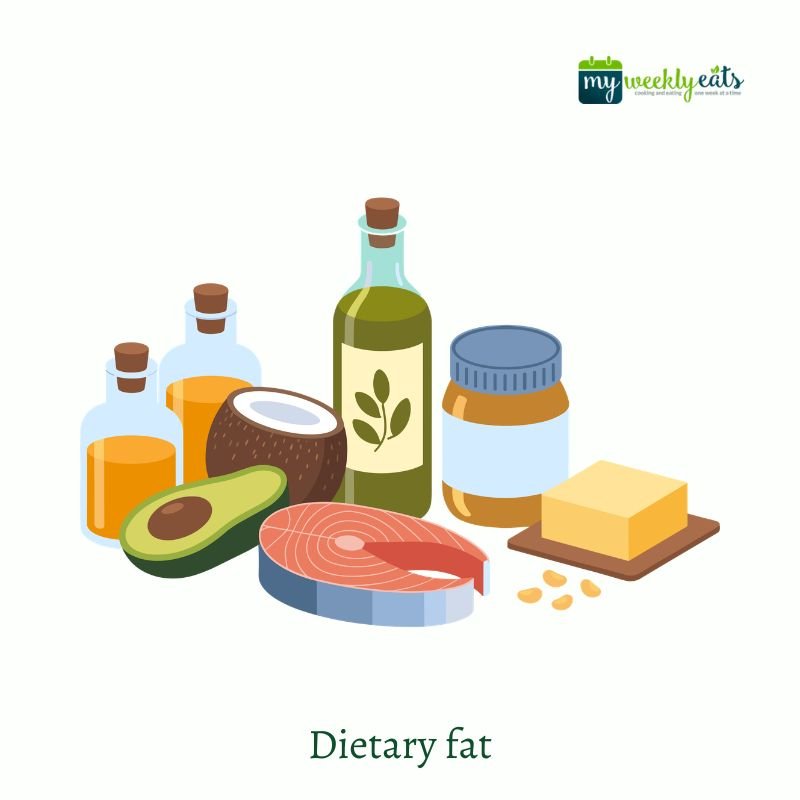
Dietary fat provides 9 calories per gram and serves three critical functions: energy storage, fat-soluble vitamin absorption — vitamins A, D, E, and K — and cellular membrane structure. Unsaturated fats carry documented cardiovascular benefits. Saturated fat in excess raises LDL cholesterol. Trans fats provide no nutritional benefit and actively increase disease risk.
Fat was wrongly demonized for decades. The low-fat era of the 1980s and 1990s produced foods that replaced fat with refined sugar and offered no improvement to public health outcomes. The issue was never dietary fat — it was fat type, and the broader dietary pattern surrounding it.
Fat has genuine, irreplaceable nutritional value across three mechanisms. First, energy storage: at 9 calories per gram, fat is the most energy-dense macronutrient — more than double the caloric yield of carbohydrates or protein. It is the body’s preferred long-term fuel reserve. Second, vitamin absorption: fat-soluble vitamins A, D, E, and K require dietary fat to cross the intestinal wall and enter circulation. A fat-free meal of vegetables and grains delivers far less absorbed micronutrient content than the same meal prepared with olive oil. Third, cellular integrity: every cell membrane in the human body contains a phospholipid bilayer constructed partly from dietary fatty acids. Omega-3 fatty acids from fatty fish, walnuts, and flaxseed are incorporated into these membranes and influence their flexibility and inflammatory signaling.
Unsaturated Fat
Olive oil, avocado, nuts, fatty fish. Evidence consistently links these to reduced cardiovascular risk and lower systemic inflammation. Omega-3s are the most studied subtype.
Saturated Fat
Meat, dairy, coconut oil. Moderate intake is part of a balanced diet. Evidence links excess saturated fat to elevated LDL cholesterol and cardiovascular risk over time.
Trans Fat
Found in some processed foods. No safe intake level established. The FDA largely banned artificial trans fats from US food products effective 2018.
One related question from this keyword cluster: do bad carbs have any nutritional value? Refined carbohydrates — white flour, added sugars, processed grain products stripped of fiber and micronutrients during milling — offer caloric value with minimal micronutrient return. Like trans fats, their caloric density is real but their nutrient density is negligible. They are not poisonous; they are simply poor value per calorie compared to whole grain and vegetable alternatives.
Do pickles have any nutritional value?
Direct Answer
Yes. Pickles provide vitamin K for bone metabolism and blood clotting, plus vitamin C, calcium, and potassium. Lacto-fermented pickles contain live beneficial bacteria that support gut health. At approximately 11 calories per cup, pickles are among the lowest-calorie nutrient sources available — though sodium content in commercial varieties is high and requires context.
The nutritional skepticism around pickles is understandable. They are mostly water, they are sour, and the most prominent ingredient on the label is often sodium. But they carry real nutrient content that quietly serves multiple functions.
Vitamin K is pickles’ standout micronutrient. Cucumbers contain meaningful vitamin K, and the pickling process preserves most of it. Vitamin K is essential for two distinct biological functions: blood coagulation and bone metabolism. Long-term inadequacy is associated with increased fracture risk — a consequence that receives far less public attention than vitamin K’s more visible role in wound healing.
The fermentation distinction matters enormously for gut health, and most people miss it. Commercial vinegar pickles — the default in US supermarkets — are acidified cucumbers. The vinegar creates the sour flavor and prevents spoilage, but it does not produce live bacteria. Lacto-fermented pickles — naturally sour, brine-fermented in salt water without vinegar — develop live Lactobacillus bacteria during fermentation. These are genuine probiotics that support the gut microbiome. On a US label, look for “naturally fermented,” “raw,” or “no vinegar” — and check that the jar is refrigerated.
Sodium note: A single large commercial dill pickle can contain 700–1,000mg of sodium — approaching half the recommended daily limit for people managing blood pressure. The vegetable-based nutrients in pickles are genuine; sodium concentration requires honest context for cardiovascular health management.
Pickle brine has gained attention as an electrolyte replacement and muscle cramp remedy, particularly in endurance sports. Evidence on the cramp mechanism is preliminary and may relate to a neural inhibition response rather than simple electrolyte replacement — but the research continues to generate interest in sports nutrition circles.
What is the nutritional value of cherries?
Direct Answer
Cherries deliver vitamin C, potassium, dietary fiber, and a distinctive antioxidant profile led by anthocyanins — the deep-colour pigments with documented anti-inflammatory properties. Studies suggest tart cherry anthocyanins reduce exercise-induced inflammation. One cup of sweet cherries provides approximately 87 calories, 2.9g fiber, and 18% of the daily recommended value for vitamin C.
Cherries are nutritionally more interesting than their size suggests — and the nutritional distinction between sweet cherries and tart cherries matters depending on what you are eating them for.
Anthocyanins are the defining nutrient. These polyphenols — responsible for the deep red and near-black colour — are among the most studied anti-inflammatory compounds in any fruit. Tart cherries (Prunus cerasus), used in juice, concentrate, and supplements, contain significantly higher anthocyanin concentrations than sweet varieties. Multiple controlled studies in athletes suggest that 8–12 oz of tart cherry juice consumed in the days surrounding intense training reduces markers of exercise-induced muscle damage and accelerates recovery. Evidence indicates this is one of the more well-supported applications of a whole-food antioxidant in sports nutrition — a field where most claims fall well short of their marketing.
Vitamin C in sweet cherries provides approximately 18% DV per cup, supporting immune function and collagen synthesis. Tart cherries are higher. Potassium contributes approximately 260mg per cup — meaningful for blood pressure regulation and electrolyte balance. Melatonin is present in cherries at measurable concentrations, particularly tart varieties; studies suggest tart cherry juice may modestly improve sleep duration and quality, though effect sizes are small.
One underappreciated fact: cherries have a low glycemic index of approximately 20–22 despite their natural sweetness. This makes them one of the more blood-sugar-friendly fruits available — a relevant consideration for people monitoring glycemic response or managing type 2 diabetes. The fiber content slows glucose absorption, which accounts for much of this effect.
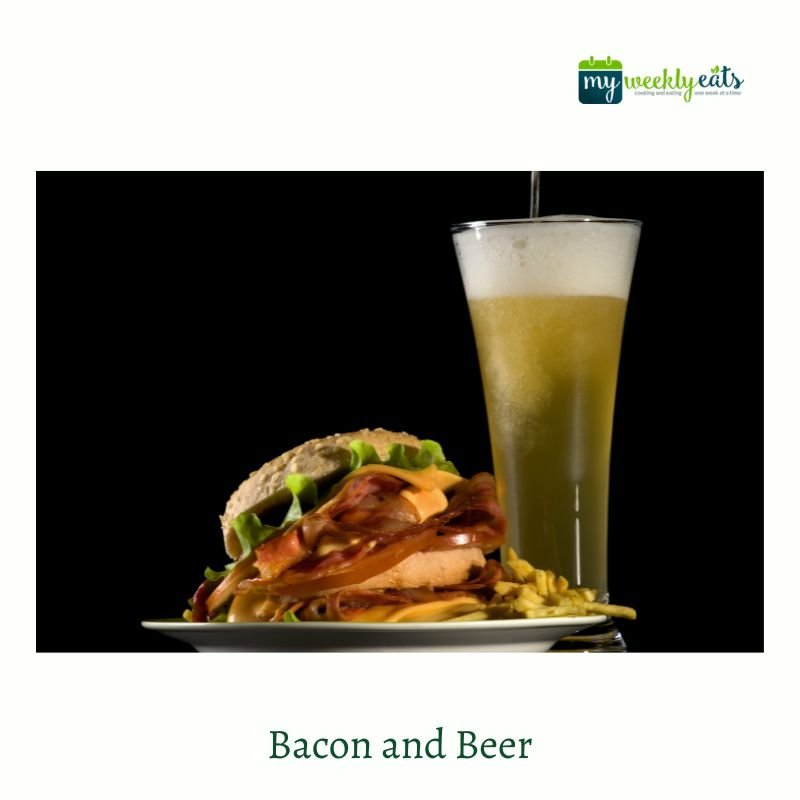
Does bacon have any nutritional value — and does beer?
Direct Answer
Both deliver real nutrients — context and quantity define their role. Bacon provides complete protein, B12, zinc, and selenium alongside high saturated fat and sodium. Beer contains B vitamins, silicon associated with bone density, and trace minerals. Neither is nutrient-dense relative to its caloric load; both fit a balanced diet when consumed occasionally and deliberately.
Bacon
Two cooked strips of bacon — approximately 17g — provide around 86 calories and a genuine micronutrient return: 6g of complete protein containing all essential amino acids; selenium at approximately 12mcg, a powerful antioxidant mineral that supports thyroid function and DNA repair; zinc, which enables immune cell development; and vitamin B12, essential for nerve function and red blood cell formation.
The same two strips also deliver roughly 5g of saturated fat and 370mg of sodium — both significant relative to daily recommended limits. Bacon performs best as a supporting ingredient: it adds flavor, protein density, and fat-soluble nutrient delivery to a meal that is otherwise built around vegetables, whole grains, and quality proteins. As a daily dietary staple, the saturated fat and sodium accumulation outpaces the micronutrient benefit.
WHO/IARC classification note: Processed meats including bacon are classified by the International Agency for Research on Cancer as Group 1 carcinogens — meaning sufficient evidence exists that high and regular consumption increases colorectal cancer risk. The operative terms are high and regular. The risk at occasional intake is a different magnitude from the risk studied in populations consuming processed meat daily. That distinction is important and often lost in both the alarmist and dismissive coverage of this finding.
Beer
A standard 12 oz beer contains approximately 153 calories and 14g of alcohol. It provides riboflavin (B2), niacin (B3), and B6 in measurable quantities, though the B vitamin content is more efficiently obtained from whole grains without the accompanying alcohol. It also contains silicon — a trace mineral that preliminary studies associate with bone mineral density maintenance, particularly relevant to post-menopausal bone health research.
Hops, the bittering and preserving agent in beer, contain xanthohumol — a polyphenol with antioxidant properties studied in laboratory settings. Human evidence for meaningful xanthohumol bioavailability from beer consumption remains limited; it should not be presented as a health benefit of regular drinking.
Alcohol and cancer risk: Alcohol itself has no nutritional value. At any quantity, it creates a metabolic processing burden on the liver. The World Health Organization classifies alcohol as a Group 1 carcinogen, with evidence linking regular consumption to increased risk of breast, liver, esophageal, and colorectal cancers. Occasional, deliberate consumption in the context of an otherwise nutritionally complete diet is a different risk conversation from daily use — but the risk at any level is not zero.
What does nutritional value mean for your weekly food choices?
Direct Answer
Nutritional value becomes meaningful only when applied consistently across your weekly plate. Foods highest in nutrients per calorie — vegetables, legumes, fruits, whole grains, and quality proteins — should anchor weekly planning. Foods with high calorie density and low micronutrient content — empty-calorie foods — should play a deliberate supporting role, not the lead.
Understanding the nutritional value of individual foods is useful. Applying that understanding consistently across a week of eating is what actually changes health outcomes. The gap between knowledge and application narrows with one practice: planning what you eat before hunger makes the decision for you.
Fruits deliver vitamin C, potassium, dietary fiber, and polyphenols. Berries and cherries are antioxidant-dense, with among the highest anthocyanin concentrations of any common fruit. Citrus leads for vitamin C. Bananas and stone fruits dominate for potassium. No single fruit covers the full micronutrient spectrum — variety across the week matters more than optimizing any one choice.
Vegetables provide the most nutrients per calorie of any food group — a statement that holds across nearly every published nutrient density ranking. The nutritional value of vegetables varies dramatically by type. Dark leafy greens supply iron, folate, and vitamin K. Cruciferous vegetables supply vitamin C, glucosinolates, and fiber. Root vegetables supply beta-carotene and vitamin A. Squash — one of the most nutritionally underappreciated vegetables — delivers 43% DV for vitamin A and meaningful vitamin C at just 45 calories per cup.
Quality proteins provide complete amino acid profiles alongside B12, iron, and zinc. Animal proteins are the most bioavailable sources for these micronutrients. Plant proteins from legumes, tofu, and soy products offer comparable amino acid coverage — particularly when varied across the week — while also contributing fiber and phytonutrients absent from animal sources.
Whole grains supply B vitamins including thiamine and folate, sustained energy from complex carbohydrates, resistant starch that feeds the gut microbiome, and dietary fiber. The gap in nutritional value between whole grains and refined grains — white bread, white rice, processed cereals — is one of the clearest demonstrations of how processing strips food of its micronutrient content while retaining its caloric density.
The weekly plate that covers the most micronutrient ground rotates deliberately through all five of these categories. It does not require perfection at every meal. It requires a consistent pattern — one that is far easier to maintain when the right foods are planned in advance rather than decided in the moment of hunger.
We built MyWeeklyEats to make that pattern simple to construct and easy to repeat week after week. The nutritional value is already in the foods. The practical question is which ones end up on your plate.
Apply This Knowledge Every Week
Build your weekly plate around the foods that actually deliver — vegetables, quality proteins, whole grains, and the fruits and legumes that fill your micronutrient gaps.Build Your Weekly Nutrition Plan on MyWeeklyEats.com →
The Bottom Line
Nutritional value is not a marketing term. It is a measurable property of food — the concentration of macronutrients and micronutrients delivered per serving — and it varies more dramatically between foods than most people appreciate until they look at the data directly.
Maize is not empty starch. Pickles are not just brine. Cherries are not just sugar. Dietary fat is not the enemy. Even bacon and beer carry genuine nutrients — what changes is the context, the quantity, and what surrounds them on the plate. The foods that consistently deliver the most nutrients per calorie are not rare, expensive, or complicated. They are vegetables, fruits, legumes, whole grains, and quality proteins. The most practical way to eat them consistently is to plan for them before hunger gets involved.