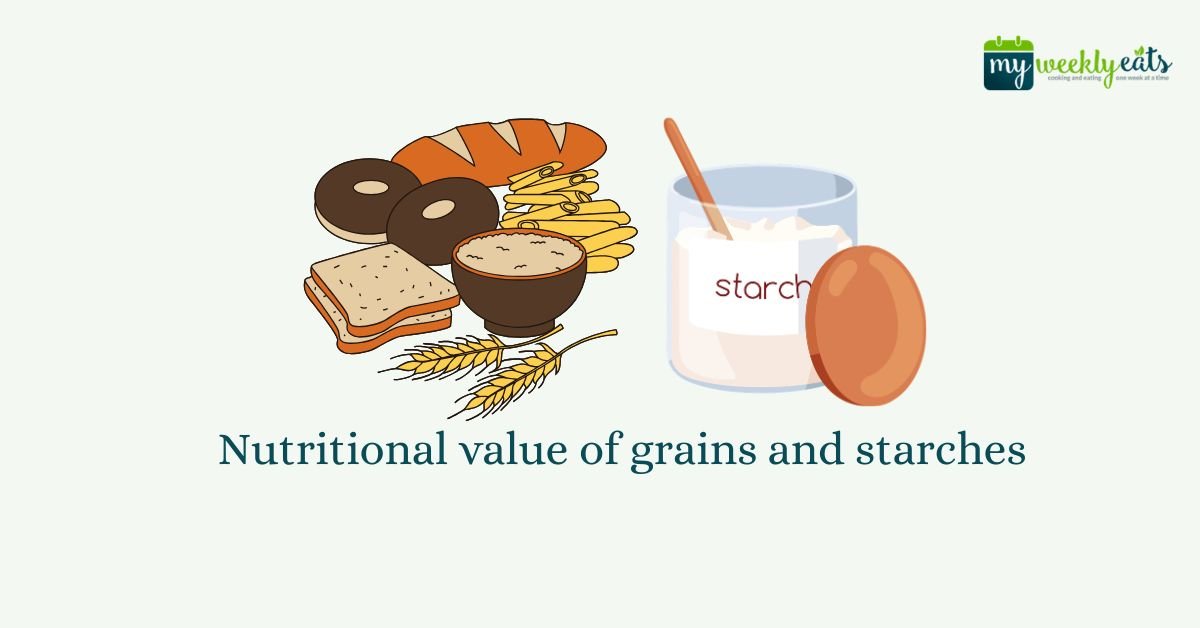
What is the nutritional value of grains and starches? Rice, Oats, Quinoa, Pasta & Bread — Ranked and Compared
“Cut carbs. Avoid grains. Stick to protein.” These instructions have circulated for decades — long enough that many people no longer question whether the evidence actually supports them. It does not. The evidence does not support avoiding grains as a category. It supports choosing whole grains over refined ones, understanding what each grain delivers nutritionally, and building a weekly plate around that knowledge deliberately. This guide covers white and brown rice, oatmeal, quinoa, pasta, bread, and the underappreciated science of resistant starch — all with specific nutritional data from USDA FoodData Central. The most nutrient-dense grains are not the most expensive or exotic. They are the ones already in most kitchens, waiting to be used intentionally.
What is the nutritional value of grains and starches?
Grains and starches supply complex carbohydrates for sustained energy, dietary fiber for gut health, B vitamins for energy metabolism, and plant-based iron and magnesium. Whole grains retain the most nutritional value. Refined grains lose the nutrient-dense bran and germ during processing, leaving primarily starch and minimal micronutrients behind.
A grain’s nutritional value is determined by how much of the original seed survives processing. Every grain kernel consists of three components: the bran (outer layer — provides dietary fiber and B vitamins), the germ (the embryo — provides vitamin E, healthy fats, and additional B vitamins), and the endosperm (the starchy interior — provides carbohydrates and some protein, but very few micronutrients).
Whole grains preserve all three components. Refined grains remove the bran and germ, leaving only the endosperm. In doing so, they lose most of the fiber and a significant portion of the vitamins and minerals present in the original kernel. Fortification adds back specific B vitamins and iron — but not fiber, vitamin E, or the full micronutrient spectrum that milling removed.
The practical implication is significant. The difference between a cup of brown rice and a cup of white rice is not cosmetic — it represents 3.5g versus 0.6g of fiber, and 88% DV versus approximately 24% DV of manganese. Manganese is the mineral that emerges most consistently across grain types as the primary micronutrient contribution grains make to a weekly diet.
All nutritional figures in this guide are sourced from USDA FoodData Central. The table below compares every grain covered in this article side by side.
Grain & Starch Nutritional Snapshot (USDA FoodData Central) — rice/oats/quinoa/pasta per cup cooked; bread per slice (45g)
| Grain / Starch | Serving | Calories | Standout Nutrient | Fiber | Protein | Best Weekly Use |
|---|---|---|---|---|---|---|
| White Rice | 1 cup cooked | 206 | Iron (14% DV, fortified) + Manganese | 0.6g | 4.3g | Side dish, stir-fry |
| Brown Rice | 1 cup cooked | 216 | Manganese (88% DV) + Selenium | 3.5g | 5.0g | Bowls, salads, base |
| Oatmeal | 1 cup cooked | 158 | Manganese (63% DV) + Beta-glucan | 5.0g | 6.0g | Breakfast, snacks |
| Quinoa | 1 cup cooked | 222 | Complete protein + Manganese (30% DV) | 5.0g | 8.0g | Salads, bowls, sides |
| Whole Wheat Pasta | 1 cup cooked | 174 | Manganese (97% DV) + Selenium | 6.3g | 7.5g | Dinners, casseroles |
| White Pasta | 1 cup cooked | 220 | Selenium (37% DV) + Iron | 2.5g | 8.0g | Everyday meals |
| Whole Grain Bread | 1 slice (45g) | 110 | Selenium (25% DV) + Manganese | 2.0g | 4.0g | Daily bread base |
| Barley | 1 cup cooked | 193 | Selenium (23% DV) + Beta-glucan | 6.0g | 3.5g | Soups, stews |
Does white rice have any nutritional value — and how does brown rice compare?
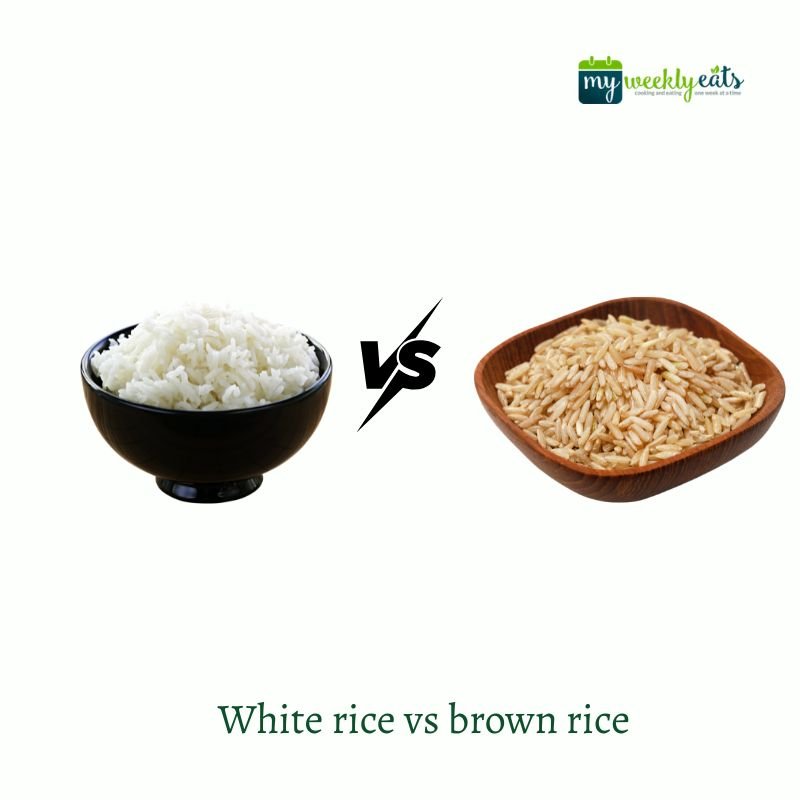
Yes, white rice provides B vitamins and iron — mostly through fortification — magnesium, and easily digestible carbohydrates. Brown rice delivers more fiber, manganese, and naturally occurring B vitamins because the bran layer remains intact. Both are nutritious staples; brown rice is more nutrient-dense; white rice is easier to digest and preferred in many clinical and cultural contexts.
This is the most-searched question in this entire topic cluster, and it deserves a thorough, honest answer. White rice is not nutritionally empty — and the persistent claim that it is has never been accurate. The rice comparison below puts both profiles side by side.
White Rice
- Calories (1 cup) 206
- Protein 4.3g
- Fiber 0.6g
- Iron 14% DV (fortified)
- Manganese ~24% DV
- Glycemic index 64–72
White rice is enriched with iron, thiamine, niacin, and folic acid under US law. Those B vitamins and the iron are nutritionally real, even if they were added back after milling removed them. Its low fiber content makes it the preferred grain for irritable bowel syndrome, post-surgical recovery, and children with digestive upset — contexts where digestibility outweighs fiber density.
Brown Rice
- Calories (1 cup) 216
- Protein 5.0g
- Fiber 3.5g
- Manganese 88% DV
- Selenium 27% DV
- Glycemic index 50–55
Brown rice retains the bran layer that milling removes — and that single structural difference accounts for the majority of the nutritional gap between the two. Manganese at 88% DV is brown rice’s defining nutrient contribution: it supports bone formation, enzyme function, and antioxidant defence. Phosphorus (17% DV), magnesium (21% DV), niacin (15% DV), and B6 (14% DV) round out a genuinely strong micronutrient profile.
The glycemic index difference is clinically relevant for blood sugar management: white rice at GI 64–72 versus brown rice at GI 50–55 represents a meaningful difference in post-meal glucose response. For people managing type 2 diabetes or insulin sensitivity, brown rice is the preferable choice. For athletes seeking rapid post-workout glucose replenishment, white rice’s faster glucose release can be an advantage rather than a limitation.
Both rices have legitimate roles in a weekly meal plan. The choice between them is determined by health context and digestive need — not by a binary of good versus bad.
What is the nutritional value of oatmeal?
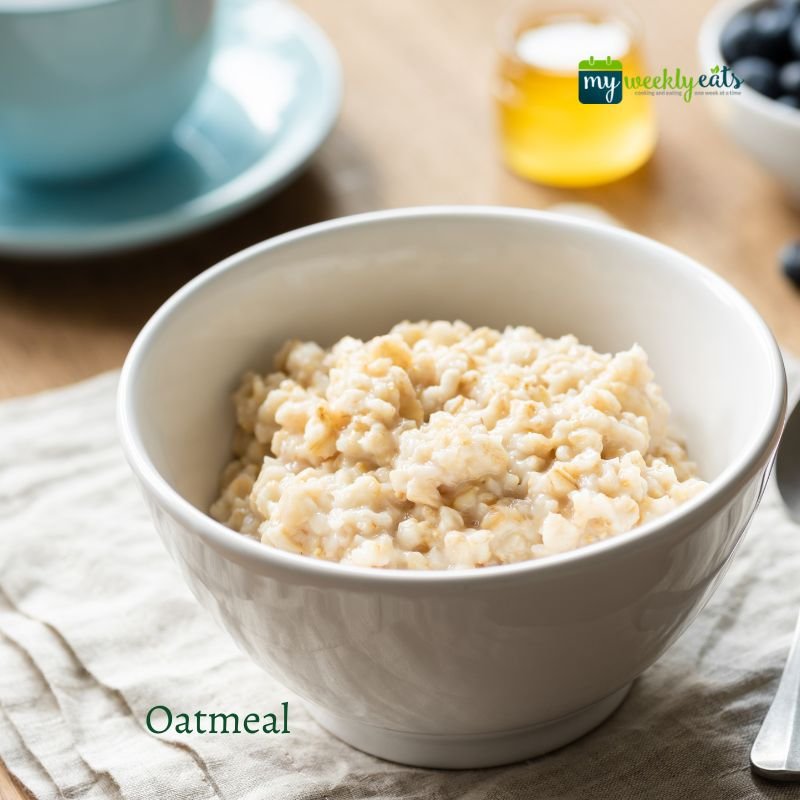
Oatmeal delivers beta-glucan soluble fiber, which studies consistently link to reduced LDL cholesterol. One cup of cooked oatmeal provides 5g fiber, 6g protein, manganese (63% DV), phosphorus, magnesium, and iron. Oats are among the most nutrient-dense whole grains available — and one of the best-evidenced foods for cardiovascular health support in a regular diet.
Oatmeal’s most important nutritional contribution is not something that appears on a standard Nutrition Facts label. It is beta-glucan — a type of soluble fiber unique to oats and barley that has a specific, well-documented mechanism for reducing LDL cholesterol.
When beta-glucan dissolves in water during digestion, it forms a thick gel in the gut. That gel slows glucose absorption — reducing post-meal blood sugar spikes — and binds bile acids in the intestines. Bile acids are then excreted rather than reabsorbed. The liver must produce new bile acids to replace them, drawing on LDL cholesterol circulating in the blood to do so. This is why studies consistently show that regular oat consumption reduces LDL cholesterol. The FDA permits a cardiovascular health claim on oat products containing at least 0.75g of soluble fiber per serving — one of the very few food-specific health claims the FDA authorises, reflecting the strength of the evidence. One cup of cooked oatmeal provides approximately 2g of beta-glucan; the studied dose for LDL reduction is 2–3g daily.
Beyond beta-glucan: manganese at 63% DV supports bone mineralisation, enzyme activation, and the body’s antioxidant defence system. Iron at 19% DV is meaningful for plant-based eaters who rely on grains as a primary iron source. Protein at 6g per cup makes oats one of the higher-protein grains in a standard weekly rotation. Phosphorus at 18% DV supports kidney function and bone structure alongside calcium and vitamin D.
Oat Varieties — Does It Matter Which Type You Choose?
Steel-Cut Oats
GI: ~42–55 (lowest)
Least processed. The oat groat is cut into pieces. Longest cooking time. Densest texture. Lowest glycemic response. Best for blood sugar management.
Rolled Oats
GI: ~55–65 (moderate)
Steamed and flattened. The most versatile format — works cooked or raw (overnight oats). Good balance of convenience and nutritional integrity.
Instant Oats
GI: ~57–83 (highest)
Pre-cooked and dried. Highest glycemic index due to greater processing. Still delivers beta-glucan and most micronutrients. Best for convenience when time is limited.
All three varieties contain beta-glucan. Steel-cut and rolled oats retain more structural integrity and produce a lower glycemic response. Choose based on time available and dietary context — any format of oats delivers genuine nutritional value.
What are the nutritional benefits of quinoa?
Quinoa is one of very few plant foods providing all nine essential amino acids, making it a complete protein. One cup of cooked quinoa delivers 8g protein, 5g fiber, 30% DV manganese, and meaningful amounts of magnesium, phosphorus, folate, and iron. Quinoa is naturally gluten-free and significantly richer in protein than rice, oats, or most common grains.
Quinoa is botanically a seed, not a grass grain — and that distinction explains the nutritional property that sets it apart from every other food on a standard grain shelf: its amino acid profile.
Every protein in the human body is assembled from amino acids. Nine of these — the essential amino acids — cannot be synthesised by the body and must come from diet. Most plant foods are deficient in at least one, typically lysine, which is the limiting amino acid in rice, wheat, and corn. Quinoa contains adequate concentrations of all nine essential amino acids, including lysine. This makes it a complete protein — a designation shared in the plant kingdom primarily with soy, hemp seeds, and buckwheat.
8g
Protein per cup (vs. 5g brown rice)
5g
Fiber per cup cooked
30%
DV Manganese per cup
28%
DV Magnesium per cup
At 8g of protein per cup cooked, quinoa provides measurably more than white rice (4.3g), brown rice (5g), or oatmeal (6g). Magnesium at 28% DV supports muscle function, blood pressure regulation, and over 300 enzymatic reactions throughout the body. Folate at 19% DV is critical for DNA synthesis and cell division — and particularly important during pregnancy. Iron at 15% DV makes quinoa a meaningful iron source for plant-based diets.
Quinoa is naturally gluten-free, making it the safest grain substitution for people with celiac disease or non-celiac gluten sensitivity — and a useful protein source for people who cannot rely on wheat-based foods for amino acid coverage.
Practical note on saponins: raw quinoa is coated with saponins — compounds that taste bitter and can cause mild digestive irritation in some people. Rinsing quinoa thoroughly under cold water for 30 seconds before cooking removes them. Most commercially sold quinoa is pre-rinsed, but a quick rinse is always worthwhile.
Does pasta have any nutritional value — cooked or uncooked?
Yes. Pasta delivers B vitamins, iron, selenium, and complex carbohydrates for sustained energy. Whole wheat pasta provides significantly more fiber and micronutrients. Nutritional values on pasta labels are listed for dry, uncooked pasta — cooked pasta absorbs water and weighs roughly 2.5 times more per serving, reducing its nutrient concentration per gram proportionally but not its total nutrient content.
KD 20 Quick Win — Featured Snippet Target
“Is pasta nutrition cooked or uncooked?”
The Nutrition Facts label on dry pasta shows values for the dry, uncooked weight. The standard serving is typically listed as 56g (2 oz) of dry pasta. When that same 56g is cooked, it absorbs water and becomes approximately 140g — more than double the weight. The total nutrients remain identical. The water simply increases the weight per serving without adding or removing any nutritional content.
This is consistently misread as pasta “losing nutrition” when cooked. It does not. The per-gram concentration decreases because water has been added; the actual nutrient delivery to the body is unchanged. When comparing cooked pasta to other cooked grains, always use cooked-weight figures for both.
With that clarified: pasta delivers genuine nutritional value that surprises most people who have been told to avoid it. Selenium at approximately 37% DV per cup of cooked white pasta is the standout contribution — higher than any other grain in this guide except whole wheat pasta. Selenium is a trace mineral that functions as an antioxidant, supports thyroid hormone metabolism, and plays a role in immune function. Pasta also provides folate (10% DV), iron (10% DV), B vitamins, and 8g of complete-ish protein per cup.
Whole wheat pasta substantially improves on every metric. Fiber doubles to approximately 6.3g per cup. Manganese reaches 97% DV per cup — the highest single-nutrient figure of any grain in this entire article. Glycemic index drops from approximately 45–65 for regular pasta to approximately 37–40 for whole wheat, a meaningful difference for blood sugar management.
Al dente cooking matters nutritionally: pasta cooked al dente — slightly firm at the centre — retains a lower glycemic index than fully softened pasta because the starch granules remain partially intact and are digested more slowly. Evidence suggests this is a real, measurable difference. It also happens to taste better, which makes it an easier habit to maintain.
What is the nutritional value of bread?
Bread’s nutritional value depends almost entirely on the grain used. Whole grain bread provides fiber, B vitamins, iron, manganese, and selenium. White bread made from refined flour delivers primarily fortified B vitamins and iron with minimal naturally occurring nutrients. Sourdough fermentation improves mineral bioavailability in both whole grain and white varieties through phytate reduction.
Bread’s nutritional value varies more than any other grain food in this guide — because “bread” is a category, not a single ingredient. The flour determines almost everything.
Whole grain bread uses flour that preserves the bran, germ, and endosperm of the wheat kernel. One slice (approximately 45g) provides around 110 calories, 2g fiber, selenium at 25% DV — the figure most people miss entirely — manganese at 33% DV, thiamine, niacin, folate, iron, and B6. Selenium is whole wheat bread’s most significant surprise: most people are unaware that bread is one of the most consistent dietary selenium sources in a typical US diet.
White bread begins with refined flour from which the bran and germ have been removed. US law requires enriched flour products to contain thiamine, riboflavin, niacin, folic acid, and iron — so those nutrients are present through mandatory fortification. Fiber content drops to approximately 0.6g per slice. Vitamin E, selenium, and the broader micronutrient spectrum are not restored by enrichment. The nutritional gap is real and consistent.
Sourdough fermentation improves bread’s nutritional profile independently of the flour used. Fermentation by lactic acid bacteria breaks down phytates — compounds naturally present in grains that bind to minerals and reduce their absorption in the intestine. By reducing phytate content, sourdough fermentation increases the bioavailability of iron, zinc, and magnesium compared to non-fermented bread made from the same flour. Evidence also suggests sourdough bread produces a lower glycemic response than equivalent conventional bread because the organic acids produced during fermentation slow starch digestion. A sourdough loaf made from whole grain flour combines both benefits and represents the highest-nutritional-value bread option available in most supermarkets.
What is resistant starch — and why does it matter for grain nutrition?
Resistant starch is carbohydrate that resists small-intestine digestion and ferments in the colon, feeding beneficial gut bacteria. Cooling cooked rice, pasta, or potatoes significantly increases resistant starch content. Evidence links resistant starch to improved blood sugar regulation, lower net caloric absorption, and measurable gut microbiome health benefits unavailable from regular digestible starch.
Resistant starch is a concept that most daily grain eaters have never encountered — and it fundamentally changes the nutritional calculation for any cooked-and-cooled grain dish.
Standard dietary starch — freshly cooked rice, pasta, potatoes, or oatmeal — is broken down by amylase enzymes in the small intestine into glucose, which absorbs into the bloodstream. This provides 4 calories per gram and raises blood sugar to varying degrees depending on the grain’s structure and how it was cooked.
Resistant starch behaves differently. It passes through the small intestine intact — resisting enzyme action — and reaches the large intestine, where gut bacteria ferment it. This fermentation produces short-chain fatty acids (SCFAs), particularly butyrate. Butyrate is the primary energy source for colonocytes — the cells lining the colon wall. Evidence links consistent butyrate supply to reduced colonic inflammation and a healthier gut microbiome composition. Resistant starch provides approximately 2 calories per gram rather than 4, so the net caloric contribution of resistant-starch foods is lower than the food label alone suggests.
🌾
Cook the grain
Starch gelatinises. Digestible starch breaks into glucose in the small intestine normally.
❄️
Cool & refrigerate
Starch molecules recrystallise into retrograde starch (Type 3 resistant starch) — harder for enzymes to break down.
🦠
Gut fermentation
Resistant starch reaches the colon intact. Bacteria ferment it, producing butyrate and other SCFAs that feed colon wall cells.
Rice, pasta, or grain bowls prepared in advance and refrigerated overnight deliver more resistant starch than the same foods eaten fresh. This is one nutritional reason that meal-prepped grain dishes provide a distinct gut health benefit from freshly cooked equivalents — a direct advantage of weekly meal planning.
Reheating at low to moderate temperatures does not fully reverse the crystallisation — some of the resistant starch survives gentle reheating. Boiling or microwaving at high heat for extended periods reduces the resistant starch advantage more significantly.
Individual responses to resistant starch vary. Some people experience bloating or digestive discomfort as the gut microbiome adapts to increased fermentable substrate. Starting with one resistant-starch meal per week and gradually increasing frequency is advisable. The benefit is real; the adaptation takes time.
Which grains should anchor your weekly meal plan? Conversion · Weekly Planning
The highest-value grains for a weekly meal plan are oats, quinoa, brown rice, whole wheat bread or pasta, and barley. Together they provide complementary B vitamins, complete protein, soluble and insoluble fiber, and slow-release carbohydrates. Rotating across at least three grain types weekly delivers broader micronutrient coverage than relying on a single staple.
The strongest weekly grain strategy is not identifying one exceptional grain and eating it every day. It is rotating across complementary grains whose nutritional profiles fill each other’s gaps. Here is how the five priority grains earn their place in a deliberate weekly rotation.
Oats
Breakfast anchor
Beta-glucan for LDL management, iron for plant-based eaters, protein above the grain average, and the only grain-based food carrying an FDA-permitted cardiovascular health claim. Steel-cut or rolled oats on 4–5 mornings per week is one of the highest-evidence dietary habits a weekly meal plan can include.
Quinoa
Protein base
Covers the complete protein gap that no other grain fills. Use in salads, grain bowls, and as a rice substitute in dishes where protein density matters. Its magnesium and folate content also makes it the priority grain for pregnant individuals and anyone on a plant-based diet who needs to close amino acid gaps without combining multiple incomplete sources.
Brown Rice
Primary side dish
Manganese at 88% DV per cup is the highest single-nutrient contribution of any grain in this guide. Pairs naturally with legumes — brown rice and beans or lentils together provide a complementary amino acid profile that approaches complete protein. Prepare extra portions at the start of the week to develop resistant starch through refrigeration.
Whole Wheat
Everyday vehicle
Whole wheat pasta at 97% DV for manganese per cup is the single highest-manganese food in this article. Whole grain bread provides consistent selenium across daily meals. Reserve white pasta and white bread for post-workout energy replenishment, digestive sensitivity contexts, or as intentional flavour choices that don’t dominate the weekly rotation.
Barley
The underused fifth
Shares oatmeal’s beta-glucan profile, provides selenium and B vitamins, and integrates naturally into soups, stews, and grain salads. Nutritionally strong, genuinely underused in most Western weekly diets, and practically easy — barley cooks in 25–30 minutes and holds well in the refrigerator for three to four days. It belongs in the rotation.
Together, these five grains supply soluble fiber (oats, barley), insoluble fiber (wheat, brown rice), complete protein (quinoa), the full B-vitamin spectrum across the week, selenium from multiple sources, and the resistant starch benefit from any of them prepared and refrigerated in advance. No single grain covers all of this. The weekly rotation does.
Build Your Weekly Grain Rotation
Apply the nutritional knowledge in this guide with a practical, structured weekly meal plan built around the grains that actually deliver.Build Your Weekly Grain Rotation on MyWeeklyEats.com →
The Bottom Line
Three things hold true across every grain and starch in this guide. First, the bran and germ are where the nutritional value lives — whole grain versions of every food discussed here consistently and measurably outperform their refined equivalents, not as a matter of opinion but as a matter of USDA data. Second, no grain is nutritionally empty — not white rice, not white pasta, not white bread. Each delivers something genuine; the question is always relative density, clinical context, and what else appears on the plate that week. Third, variety is the strategy. Oats alone do not cover what quinoa provides. Brown rice alone does not cover what whole wheat pasta provides. A deliberate weekly rotation across complementary grain types builds the micronutrient coverage that no single grain, eaten daily, ever achieves.
Grains are not the enemy. Choosing them without thinking is. MyWeeklyEats makes the thinking part easier — one well-planned week at a time.