Nutritional Deficiencies & Needs:What Causes Them & How to Prevent Them Weekly
Most people eating a reasonably varied diet assume they are adequately nourished. Many are not. Iron, vitamin D, zinc, and vitamin B12 deficiencies are common even in high-income countries — often subclinical, causing measurable functional impairment months or years before any obvious symptom appears. This guide covers what nutritional limiting factors are, how deficiency risks shift across life stages, which specific deficiencies are linked to hair loss and wound healing impairment, and how consistent weekly eating prevents most common deficiencies without supplementation.
What are nutritional limiting factors?
Nutritional limiting factors are specific nutrients that are deficient enough in a diet to restrict health outcomes, growth, or physiological function — even when total calorie intake is adequate. The most common limiting factors globally are iron, vitamin D, zinc, iodine, vitamin B12, folate, and calcium. Deficiency in any one of these constrains the body processes that depend on it.
The concept draws from Liebig’s Law of the Minimum, originally developed for plant biology but directly applicable to human nutrition: the body’s capacity to perform any specific physiological function is constrained by whichever essential nutrient falls furthest short of its required level — regardless of whether every other nutrient is adequate. Calories alone cannot compensate for a missing micronutrient.
Seven nutrients account for the vast majority of documented deficiency burden globally. Iron limits oxygen transport and energy production. Vitamin D limits calcium absorption and immune signalling. Zinc limits immune cell production, wound repair, and growth signalling. Iodine limits thyroid hormone synthesis. Vitamin B12 limits neurological function and red blood cell maturation. Folate limits DNA synthesis and cell division — critical during any period of rapid growth. Calcium limits bone mineralisation and muscle contraction.
When one of these becomes limiting, the body cannot compensate by increasing supply of another. The comparison table below maps each limiting nutrient to its primary consequence, at-risk groups, and the weekly foods that directly address it.
Common Nutritional Limiting Factors — Consequences, At-Risk Groups & Weekly Food Sources (WHO & NHANES data)
| Nutrient | Est. Prevalence | Primary Consequence | At-Risk Groups | Body Function | Key Weekly Foods |
|---|---|---|---|---|---|
| Iron | ~30% globally | Anaemia, fatigue, hair loss | Women (childbearing age), vegetarians, children | Oxygen transport | Red meat, legumes, dark leafy greens + vitamin C |
| Vitamin D | ~40–50% in West | Bone density loss, immune impairment | Dark-skinned, limited sun exposure, elderly | Calcium absorption, immunity | Fatty fish, fortified foods, sunlight exposure |
| Zinc | ~17% globally | Immune suppression, hair loss, delayed healing | Vegetarians, elderly, children | Immunity, growth, tissue repair | Meat, shellfish, pumpkin seeds, legumes |
| Vitamin B12 | ~6% adults; higher in vegans | Neurological damage, anaemia, fatigue | Vegans, elderly, metformin users | Nerve function, red blood cells | Meat, dairy, eggs, fortified plant milk |
| Folate | ~15% women of childbearing age | Neural tube defects (pregnancy), anaemia | Pregnant women, alcohol users | DNA synthesis, cell division | Dark leafy greens, legumes, fortified grains |
| Iodine | ~29% globally | Thyroid dysfunction, developmental impairment | Vegans, inland populations | Thyroid hormone production | Iodised salt, seafood, dairy |
| Calcium | ~50%+ US adults below RDA | Bone density loss, muscle cramps | Postmenopausal women, vegans | Bone mineralisation, muscle function | Dairy, fortified plant milk, dark leafy greens |
What happens if you don’t get enough nutrition?
Insufficient nutrition causes a cascade of consequences: energy depletion, impaired immune function, slowed wound healing, hair loss, cognitive decline, muscle wasting, and increased chronic disease risk. The severity depends on which nutrients are deficient, for how long, and at what life stage the deficiency occurs. Short-term deficiencies cause functional symptoms; long-term deficiencies cause structural damage.
Short-term and long-term deficiency operate through different mechanisms and produce differently reversible consequences.
Short-Term Deficiency (Days to Weeks)
- Fatigue and reduced concentration from insufficient iron
- Muscle cramping and sleep disruption from low magnesium
- Slower immune response from inadequate zinc
- Mood disturbance from B vitamin insufficiency
- Reduced wound healing rate from low zinc and vitamin C
Generally reversible with dietary correction.
Long-Term Deficiency (Months to Years)
- Iron deficiency anaemia — associated with cognitive impairment
- Vitamin D insufficiency linked to reduced bone density
- B12 deficiency — peripheral neuropathy may not fully reverse
- Iodine deficiency in pregnancy linked to developmental impairment
- Calcium deficiency contributing to osteoporosis risk
May require medical intervention beyond diet.
Diagnosis of nutritional deficiencies requires blood testing by a healthcare provider — symptoms alone are not sufficient for diagnosis or treatment decisions. If you suspect a deficiency, request appropriate testing rather than self-diagnosing from symptom lists.
How do nutritional needs change over time — from childhood through old age?
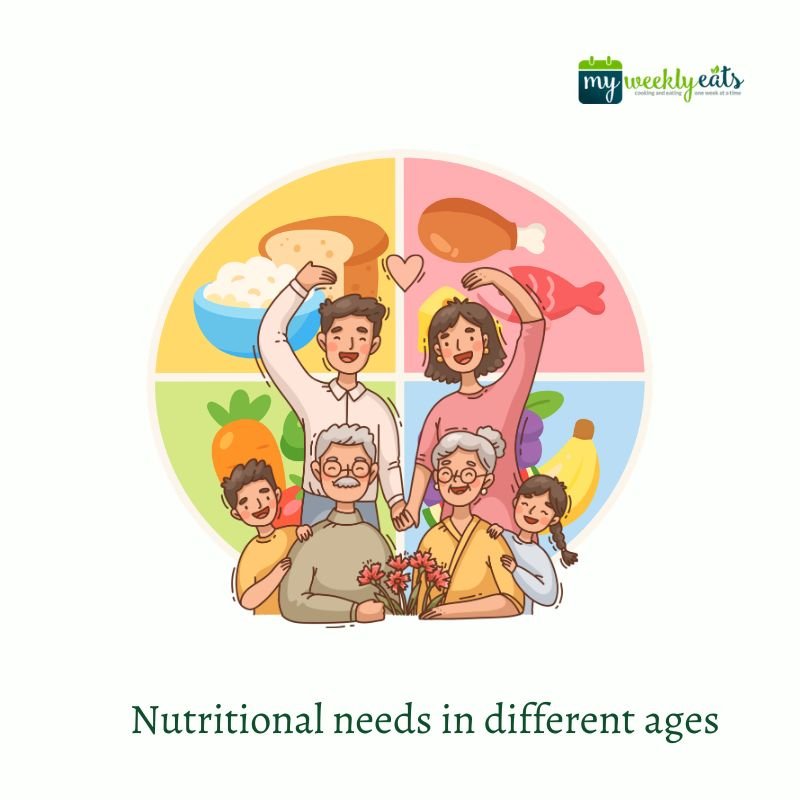
Nutritional needs shift significantly across life stages. Childhood requires higher nutrient density per calorie for growth. Adolescence demands elevated iron, calcium, and zinc. Pregnancy dramatically increases folate, iron, and iodine needs. Ageing reduces caloric needs while increasing requirements for vitamin D, B12, and calcium per calorie consumed. No single diet serves all life stages equally.
Five life stages each create distinct nutritional requirements that a static, one-size-fits-all diet cannot meet:
Early Childhood
Birth to 5 years
The most critical window for brain and organ development. Evidence links iron, iodine, and zinc deficiencies at this stage to irreversible cognitive and developmental impairment. Breast milk with diverse complementary whole foods from approximately 6 months is the evidence-based foundation.
Adolescence
Ages 10–18
Calcium and vitamin D are critical for peak bone mass formation — bone density established in adolescence largely determines fracture risk in later life. Iron requirements rise significantly in adolescent girls after menstruation begins. Adequate protein and zinc support height growth. Studies suggest Western adolescents commonly fall short of calcium, vitamin D, and iron targets.
Pregnancy
Pre-conception onward
Folate (400–800mcg daily, beginning pre-conception) is the most urgent priority — evidence strongly links adequate folate to reduced neural tube defect risk. Iron requirements approximately double. Iodine is essential for foetal thyroid development. DHA supports foetal brain formation. This is the life stage where specific supplementation has the clearest evidence base alongside dietary sources.
Adulthood
Ages 18–64
Maintaining micronutrient levels through dietary variety rather than managing established deficiency. Iron needs decrease for women after menopause. Vitamin D may require conscious attention as desk-based indoor work reduces sun exposure. B12 absorption begins declining gradually through this period.
Older Adults
Ages 65+
Vitamin B12 absorption decreases with declining stomach acid production — a physiological change that begins around 50 and accelerates after 65. Vitamin D and calcium requirements per calorie increase as bone density maintenance becomes critical. Protein needs rise to counter sarcopenia (age-related muscle loss). Many older adults require monitoring of B12 and vitamin D specifically.
What nutritional deficiencies cause hair loss?
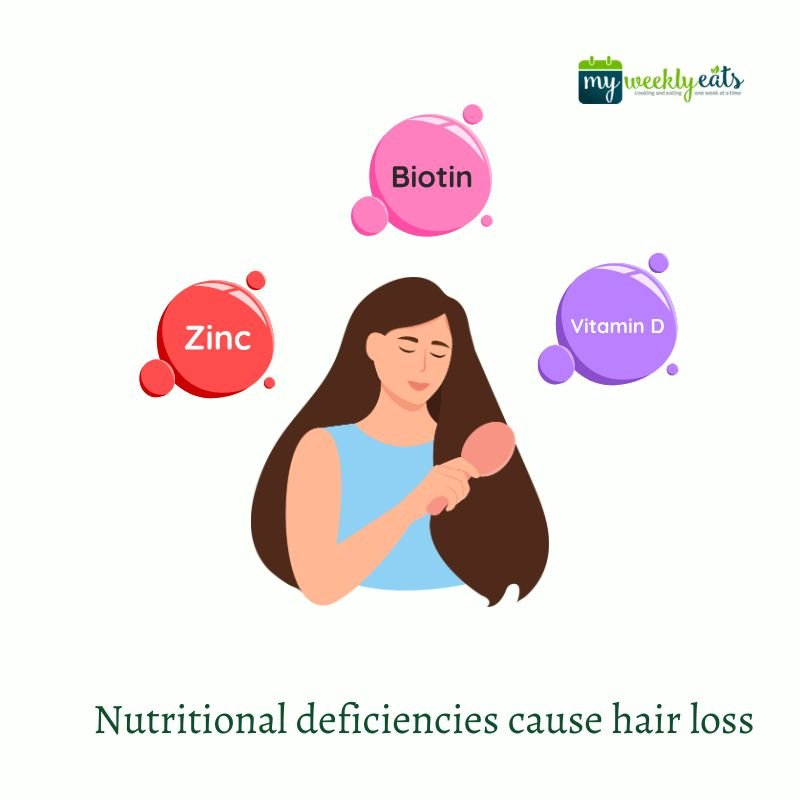
Iron and ferritin deficiency are the most evidence-supported nutritional causes of hair loss, reducing oxygen supply to follicles. Zinc deficiency disrupts the hair growth cycle. Protein deficiency causes diffuse thinning. Biotin deficiency is frequently cited but rare in people eating varied diets. Vitamin D deficiency is increasingly linked to follicle cycling in research settings.
Hair loss has multiple causes — genetic, hormonal, and medical — but nutritional deficiencies account for a meaningful subset, particularly diffuse shedding (telogen effluvium) rather than patterned loss. Here is what the evidence shows for each:
Iron & Ferritin — Most Evidence-Supported
Serum ferritin below approximately 30–40ng/mL is associated with telogen effluvium (diffuse shedding) in women in multiple clinical studies, even when full anaemia has not developed. Iron is required for adequate oxygen delivery to follicle cells. Correction through diet is associated with improvement in documented cases — studies suggest rather than confirm causation.Sources: red meat, legumes, dark leafy greens + vitamin C for absorption enhancement
Zinc — Follicle Cell Division
Zinc is required for hair follicle cell division and protein synthesis within the follicle structure. Low serum zinc is associated with diffuse hair thinning in clinical case series. Restoration of normal zinc levels is associated with regrowth in documented zinc-deficient patients.Sources: meat, shellfish, pumpkin seeds, hemp seeds, legumes
Protein — Keratin Foundation
The hair shaft is composed of keratin — a protein. Severe protein restriction or prolonged inadequate protein intake commonly triggers diffuse shedding, as the body redirects available amino acids to more metabolically urgent functions. Adequate daily protein (1.2–1.6g per kg of body weight) supports follicle activity.Sources: meat, fish, eggs, legumes, dairy, tofu
Vitamin D — Emerging Research
Vitamin D receptors are present in hair follicle cells. Low vitamin D levels are increasingly associated with follicle cycling disruption in emerging research — studies suggest a relationship but evidence is not yet conclusive for vitamin D as a standalone cause of hair loss in otherwise healthy people.Sources: fatty fish, fortified foods, sun exposure (15–30 min daily where possible)
Biotin — Widely Marketed, Rarely Deficient
Biotin deficiency is rare in people eating a varied diet — eggs, nuts, seeds, and legumes provide adequate amounts for most adults. Evidence for biotin supplementation in people without confirmed deficiency is limited. The prevalence of biotin-based hair products exceeds the prevalence of biotin deficiency by a considerable margin.Sources: eggs, nuts, seeds, legumes, whole grains
Each of these deficiencies is preventable through consistent weekly rotation of the foods listed above — iron-rich foods 3–4 times weekly, pumpkin seeds or shellfish for zinc, adequate daily protein, and fatty fish or fortified foods for vitamin D. If hair loss is significant or persisting, a healthcare provider can test serum ferritin, zinc, vitamin D, and thyroid function to identify or rule out nutritional contributors specifically.
Which nutritional deficiency may delay wound healing?
Zinc is the most critical nutrient for wound healing — it is required for DNA synthesis, cell division, and tissue repair. Vitamin C is essential for collagen synthesis, the structural protein of healed tissue. Protein deficiency slows every stage of wound repair. Deficiency in any of the three measurably delays healing time, with combined deficiency producing the most severe impairment.
Wound healing is a highly nutrient-dependent process that proceeds through four phases: haemostasis, inflammation, proliferation, and remodelling. Three nutrients are essential throughout:
Zinc
Required at every healing phase. Zinc-dependent enzymes remodel damaged tissue; zinc supports keratinocyte migration across the wound bed and collagen cross-linking that gives healed tissue its tensile strength. Research consistently links zinc deficiency to measurably impaired healing outcomes in clinical settings. Sources: meat, shellfish, pumpkin seeds, legumes.
Vitamin C
The essential co-factor for prolyl hydroxylase and lysyl hydroxylase — enzymes that stabilise the collagen triple helix structure. Without adequate vitamin C, collagen synthesis is impaired and wound closure slows. Historically, scurvy (severe vitamin C deficiency) presented with wound reopening, demonstrating the direct relationship. Sources: bell peppers, citrus, broccoli, strawberries.
Protein
New tissue is built from amino acids. Albumin (a blood protein marker) is used clinically to assess nutritional status in wound patients — low albumin is associated with delayed healing in hospitalised patients across multiple studies. Adequate protein at 1.2–1.5g per kg of body weight supports the anabolic demands of active wound repair.
Wounds that are not healing as expected should be assessed by a healthcare provider. Nutritional factors are one of several possible contributors — vascular, immune, and infection factors also require clinical evaluation.
What are the most common nutritional deficiencies worldwide — and what do they cause?
The most prevalent nutritional deficiencies globally are iron deficiency (affecting approximately 30% of the world’s population), vitamin D deficiency (estimated 40%+ in Western countries), iodine deficiency, vitamin B12 deficiency, and zinc deficiency. Each produces distinct health consequences when chronic. Early deficiency is often subclinical — causing functional impairment without obvious symptoms.
Five deficiencies account for most of the global nutritional burden. All five are common even in wealthy, food-secure countries when dietary variety is consistently insufficient.
Iron Deficiency
~30%
The world’s most prevalent nutritional deficiency. Iron deficiency anaemia affects an estimated 1.62 billion people according to WHO data. Even pre-anaemic iron insufficiency is associated with fatigue, reduced cognitive performance, and impaired immune response. At-risk: women of childbearing age, young children, vegetarians and vegans.
Vitamin D Deficiency
~40–50%
Estimated 40–50% of US adults fall below adequate vitamin D thresholds. Evidence links low vitamin D to increased infection susceptibility and reduced bone density. Emerging associations with mood disorders are reported in observational studies — studies suggest rather than confirm a causal relationship. At-risk: people with limited sun exposure, darker skin, and older adults.
Iodine Deficiency
~29%
Iodine deficiency remains the leading preventable cause of intellectual disability worldwide according to WHO. Population-level iodisation of salt has addressed the most severe cases in most developed countries. At-risk: people avoiding iodised salt and dairy without alternative sources — particularly relevant to vegan diets without supplementation.
Vitamin B12 Deficiency
~6% adults
Prevalence rises steeply in vegans and adults over 65, where stomach acid decline reduces intrinsic factor production needed for B12 absorption. Extended deficiency causes peripheral neuropathy that may not fully reverse with late correction. Periodic blood monitoring is advisable for vegans and people over 65. Sources: meat, dairy, eggs, fortified plant milk.
Zinc Deficiency
~17%
Affects an estimated 17% of the global population. Effects include impaired immunity, delayed wound healing, growth restriction in children, and hair loss. Zinc deficiency is often subclinical — measurable in blood tests before recognisable symptoms emerge. At-risk: vegetarians, elderly adults, and people with gastrointestinal conditions affecting absorption.
Calcium Deficiency
~50%+
An estimated 50%+ of US adults do not meet the recommended daily calcium intake, according to NHANES data. Consequences include reduced peak bone density in younger people and accelerated bone loss in older adults. Subclinical calcium insufficiency rarely causes acute symptoms — making it one of the most silently common limiting factors in Western diets.
All prevalence figures are estimates derived from WHO Global Nutrition Report and NHANES data. Individual risk varies substantially by diet, health status, geographic location, and life stage.
How can consistent weekly eating prevent nutritional deficiencies?
Preventing nutritional deficiencies through diet requires rotating food groups consistently across the week — not eating any single food daily, but ensuring dark leafy greens, lean proteins, whole grains, nuts, seeds, and dairy or fortified alternatives appear regularly. Weekly variety, not daily perfection, covers most common deficiency risks when applied consistently over time.
The seven most common limiting nutrients — iron, vitamin D, zinc, iodine, B12, folate, and calcium — are addressable through seven food categories that, rotated consistently across a week, cover most deficiency risks for most healthy adults without a supplement regimen.
Dark Leafy Greens
4–5× per week
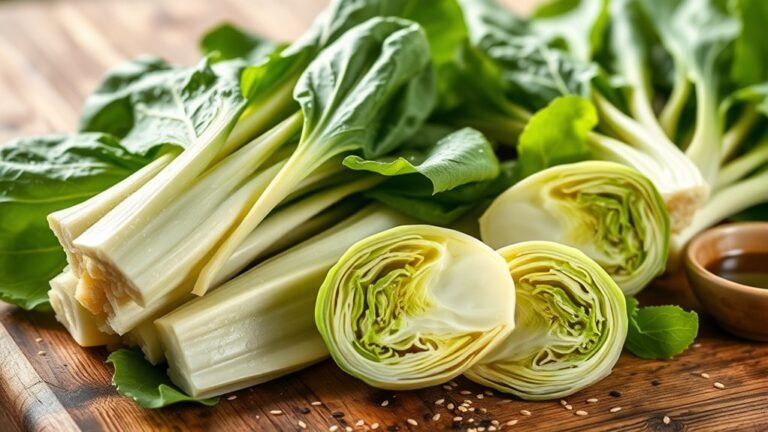
Iron, folate, calcium, vitamin K, and vitamin C (which enhances non-heme iron absorption from other foods in the same meal). Spinach, kale, bok choy, arugula. The highest micronutrient-density food group per calorie available.
Fatty Fish or Fortified Alternatives
2–3× per week
Vitamin D, omega-3 ALA/DHA, and B12 (from fish). For plant-based diets: fortified plant milk provides vitamin D and B12. Salmon, mackerel, sardines are the strongest fish sources. This category addresses the most common limiting factors in desk-based, indoor-living populations.
Protein with Mineral Density
Daily or near-daily
Iron, zinc, B12 (from animal sources), and protein itself. Red meat 2–3× weekly; legumes for plant-based iron and zinc alongside meat or as standalone. Eggs contribute B12 and zinc. Combined, this category covers the iron and zinc gaps that vegetarian diets most commonly produce.
Dairy or Calcium-Fortified Alternatives
Daily
Calcium, B12 (from dairy), and vitamin D (from fortified milk). For dairy-free diets, fortified oat milk, soy milk, or almond milk with calcium and vitamin D added provide comparable coverage. Iodine is present in dairy from iodine-containing animal feed — an often-overlooked iodine source in non-vegan diets.
Nuts and Seeds
Small amounts daily
Zinc (pumpkin seeds, hemp seeds), magnesium, selenium (brazil nuts — limit to 1–2 per day), and healthy fats. A daily small handful covers zinc gaps that vegetable-based diets leave open, contributes to protein intake, and provides the fat needed for fat-soluble vitamin absorption.
Colourful Vegetables and Citrus
Daily
Vitamin C — essential not just for immunity but as the mechanism that doubles non-heme iron absorption from plant foods. Folate from varied colourful vegetables. Eating citrus, bell peppers, or broccoli alongside iron-rich plant foods is a practical nutritional strategy that most people do not apply consistently.
Whole Grains
Most meals
B vitamins (thiamine, niacin, folate in fortified grains), non-heme iron, fibre, and the prebiotic fibre that supports the gut microbiome’s role in B vitamin synthesis. Choose whole grain over refined where possible — the bran layer is where these nutrients concentrate.
No single category above covers every limiting nutrient. All seven across the week — without requiring any to appear every day — covers most deficiency risks for most healthy adults. This is the nutritional logic that a well-structured weekly meal plan is built to deliver.
Build the Weekly Rotation That Prevents Deficiencies
A structured weekly plate rotating all seven food categories — applied consistently, without daily perfection — is the most effective dietary approach to nutritional deficiency prevention.Start Building Your Weekly Nutrition Plan on MyWeeklyEats.com →
The Bottom Line
Three findings carry across all nutritional deficiency research. The most common deficiencies — iron, vitamin D, zinc, and B12 — cause measurable functional impairment before visible symptoms appear, making routine monitoring more reliable than symptom-based detection. Nutritional needs change meaningfully across life stages: adolescence, pregnancy, and older age all create windows of elevated specific-nutrient risk that a static diet cannot address. And most common deficiencies are preventable through consistent weekly food variety — rotating dark leafy greens, varied proteins, fatty fish, nuts, seeds, dairy or fortified alternatives, and colourful vegetables across seven days. Daily perfection is not required. Weekly pattern is what determines nutritional adequacy over time.