10 Best Meals From a 21-DAY Gluten and Dairy Free Meal Plan
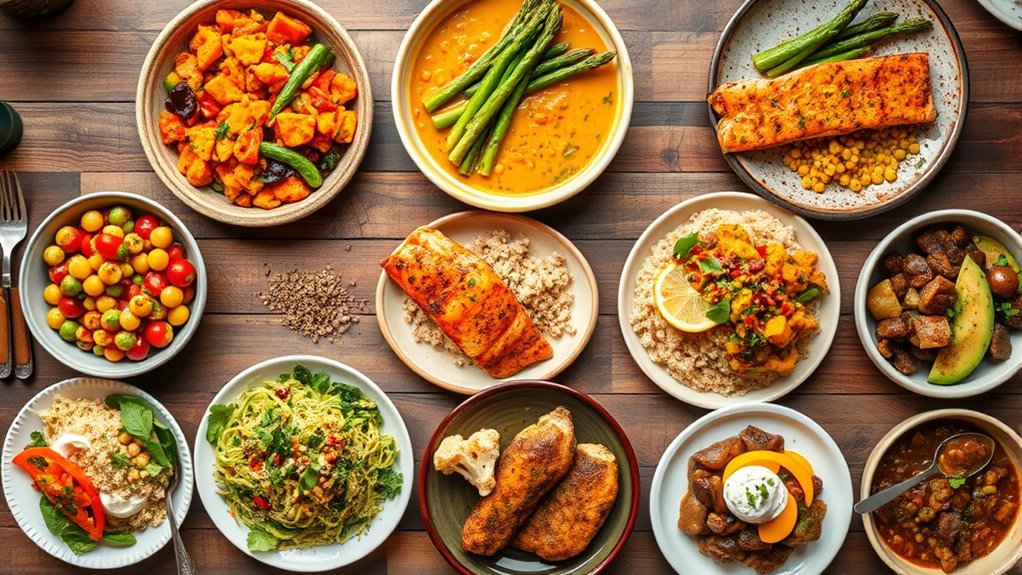
You’ll love these 10 best meals from a 21-day gluten and dairy-free plan that reduce inflammation and boost your energy.
Start your day with antioxidant-packed smoothies or egg muffins.
Enjoy plant-based lunches like quinoa and lentil bowls, and dinner options featuring salmon, sweet potatoes, and turmeric-rich dishes.
Snacks include nut butters with fresh fruit and veggie sticks with hummus.
These meals are easy, nutritious, and satisfying, and there’s plenty more to explore to support your wellness journey.
How A Gluten And Dairy-Free Diet Reduces Inflammation
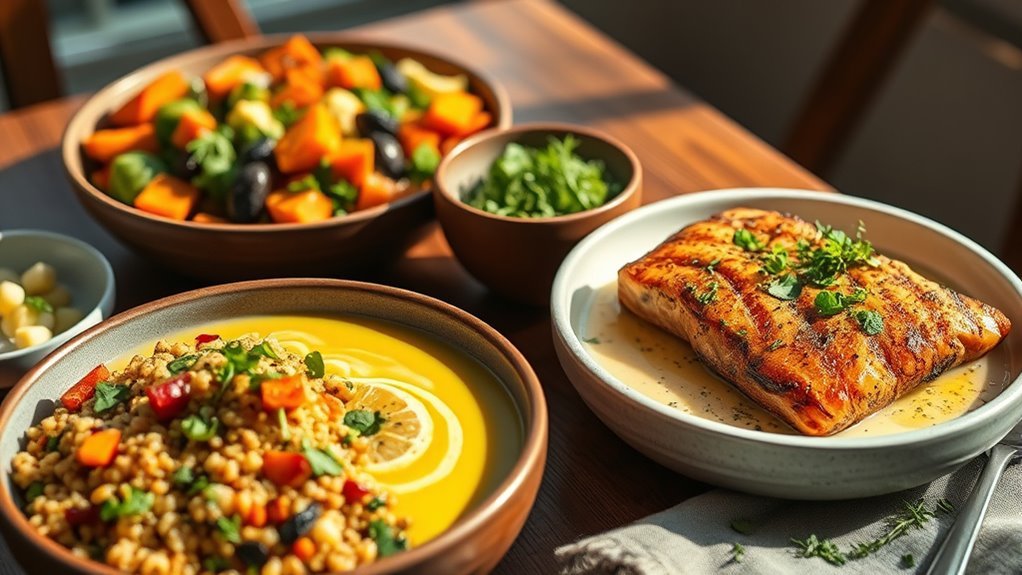
Although it might seem challenging at first, following a gluten and dairy-free diet can markedly reduce inflammation by cutting out common food triggers that cause immune reactions. When you remove gluten and dairy, you help improve your gut health by decreasing gut permeability, which prevents inflammatory substances from leaking into your bloodstream.
This reduction in harmful leaks calms your immune response, lowering levels of pro-inflammatory cytokines and markers like C-reactive protein (CRP). As a result, you may notice fewer symptoms like bloating, joint pain, and skin irritation.
Embracing this diet encourages you to eat more anti-inflammatory foods such as fruits, vegetables, and healthy fats, which further support your body’s ability to reduce inflammation. By focusing on these nutrient-rich choices, you’re not just avoiding irritants, you’re actively promoting a healthier, less inflamed system that functions better every day.
Best Anti-Inflammatory Breakfasts For Your 21-Day Plan
When you start your day with anti-inflammatory breakfasts, you set a powerful tone for your 21-day gluten and dairy-free plan. Choosing nutrient-dense options like berries, avocados, and leafy greens helps reduce inflammation right from the morning.
You can enjoy gluten-free, dairy-free breakfasts such as egg muffins or oatmeal topped with fresh fruit to keep inflammation in check. Smoothies packed with turmeric, cinnamon, chia, or flax seeds also provide powerful antioxidant and immune support.
Including healthy fats from nuts, seeds, and oils not only nourishes you but also lowers inflammatory markers. Avoid processed grains, refined sugars, and dairy to maintain an anti-inflammatory state throughout your day.
Top Plant-Based Lunches That Lower Inflammation
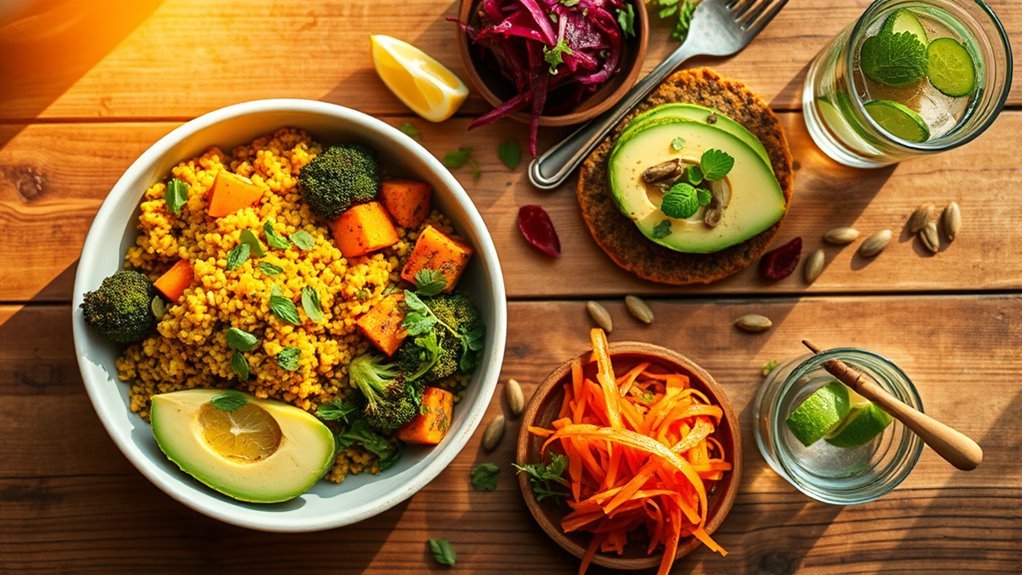
You’ll find that nutrient-dense plant proteins like lentils and black beans make the perfect base for anti-inflammatory lunches. Plus, when you add vibrant vegetables and wrap everything up in flavorful gluten-free wraps, your meals stay both tasty and inflammation-fighting. Let’s dive into how these ingredients work together to support your health.
Nutrient-Dense Plant Proteins
Five powerful plant proteins can transform your lunches into inflammation-fighting meals. Incorporate legumes like lentils, chickpeas, and black beans for their rich plant-based protein, fiber, and antioxidants that help reduce inflammation.
Quinoa stands out as a complete protein, offering all nine essential amino acids, making it an anti-inflammatory staple in your salads and bowls. Don’t overlook tofu and tempeh, soy-based proteins packed with isoflavones, known to lower inflammatory markers effectively.
Edamame provides a high-protein, low-fat option loaded with antioxidants that support your immune system and decrease inflammation. Finally, seeds like chia, flaxseed, and hemp bring nutrient density with omega-3 fatty acids, which help mitigate chronic inflammation.
Using these nutrient-dense plant proteins makes your gluten and dairy free lunches both satisfying and anti-inflammatory.
Anti-Inflammatory Vegetables
How can vegetables powerfully reduce inflammation in your body? By including cruciferous vegetables like broccoli and Brussels sprouts in your meals, you tap into natural compounds that actively support your body’s anti-inflammatory processes.
Dark leafy greens such as spinach and kale pack antioxidants and phytochemicals that further calm inflammation. Beets bring betalains to the table, unique pigments proven to lower inflammation markers effectively.
Don’t forget sweet potatoes and bell peppers, which add beta-carotene, vitamin C, and carotenoids, all working together to reduce inflammatory responses. By focusing on these anti-inflammatory vegetables, you build lunches that not only nourish but also help manage inflammation naturally, making your gluten and dairy-free meal plan even more powerful and healing.
Flavorful Gluten-Free Wraps
Building meals around anti-inflammatory vegetables sets a strong foundation, and wraps offer a delicious way to combine these ingredients into convenient, nutrient-packed lunches. You can use gluten-free wraps like rice paper, collard greens, or gluten-free tortillas filled with fresh vegetables and plant-based proteins such as roasted sweet potatoes, chickpeas, or marinated tofu.
Incorporate anti-inflammatory ingredients like avocado, turmeric, and leafy greens to boost nutrient density and reduce inflammation. Spreading hummus or tahini adds healthy fats and flavor without inflammatory oils or processed condiments.
Filling your wraps with colorful vegetables and herbs not only enhances taste but also provides phytochemicals that combat oxidative stress. By choosing these components, you create flavorful gluten-free wraps that support gut health and lower chronic inflammation effectively.
Anti-Inflammatory Gluten And Dairy-Free Dinners
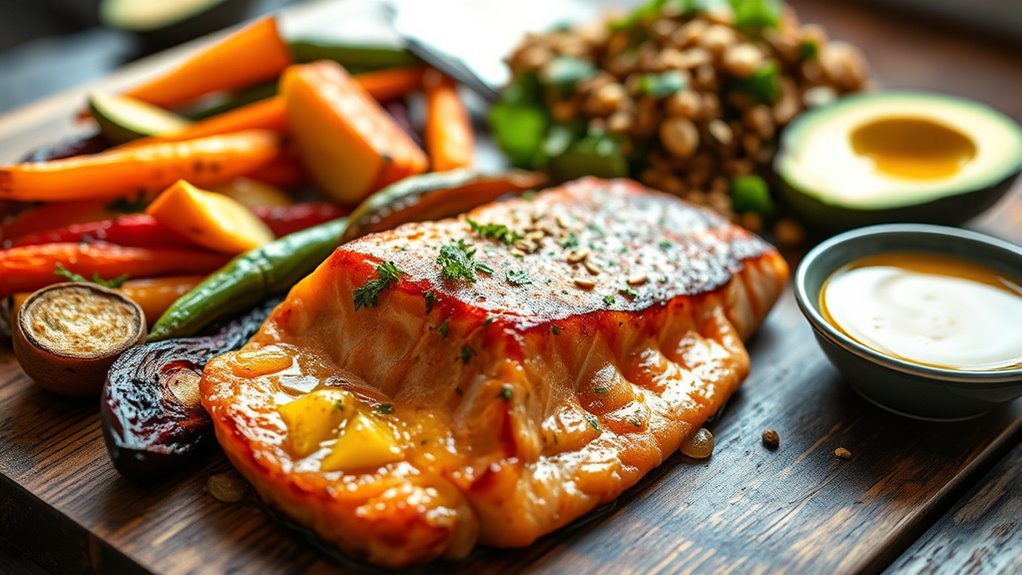
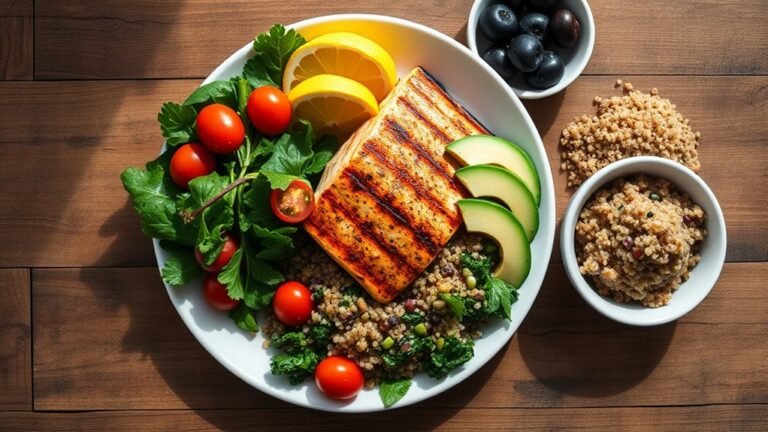
You’ll find plenty of nutrient-dense dinners featuring salmon, sweet potatoes, and leafy greens that help fight inflammation while staying gluten and dairy-free. These are not only healthy but also really satisfying.
Try to focus on simple recipes that highlight anti-inflammatory ingredients like turmeric, ginger, and extra virgin olive oil. They add great flavor without any fuss.
The best part? These easy meals make it simple to stick to your 21-day plan without sacrificing flavor or nutrition. You’ll enjoy every bite while feeling good about what you’re eating.
Nutrient-Dense Dinner Ideas
When crafting nutrient-dense, anti-inflammatory dinners that are both gluten and dairy-free, focus on vibrant vegetables like broccoli, sweet potatoes, and dark leafy greens to boost antioxidant intake. Add fatty fish such as salmon for omega-3s, and use healthy oils like extra virgin olive oil to enhance nutrient absorption.
Plant-based proteins like lentils and chickpeas offer fiber and phytochemicals to fight inflammation. Boost flavor and benefits with herbs like turmeric, ginger, and garlic.
| Ingredient | Benefit | Example Dish |
|---|---|---|
| Broccoli | High antioxidants | Stir-fried broccoli salad |
| Salmon | Omega-3 fatty acids | Baked salmon with herbs |
| Sweet potatoes | Anti-inflammatory fiber | Roasted sweet potato wedges |
| Lentils | Plant-based protein | Lentil and veggie stew |
| Extra virgin olive oil | Enhances nutrient absorption | Drizzled on roasted veggies |
Anti-Inflammatory Ingredient Highlights
To create truly effective anti-inflammatory gluten and dairy-free dinners, focus on ingredients packed with nutrients that actively reduce inflammation. Start with leafy greens like kale or spinach, which are rich in antioxidants.
Add turmeric and ginger to your dishes. They’re powerful spices known for their inflammation-fighting properties. Incorporate healthy fats such as extra virgin olive oil or avocado oil to further support your body’s defenses.
Don’t forget legumes like lentils and black beans, which provide fiber and antioxidants. Avoid processed foods, refined sugars, and trans fats to keep inflammation at bay.
Easy Gluten Dairy-Free Recipes
Although finding meals that are both gluten and dairy-free can seem challenging, plenty of easy recipes deliver bold flavors while fighting inflammation. You’ll love how simple it is to create anti-inflammatory gluten and dairy-free dinners that fit your 21-day meal plan.
Here are 4 easy recipes to try:
- Salmon cakes packed with omega-3s and turmeric for added anti-inflammatory benefits.
- Vegetable stir-fries featuring dark leafy greens and ginger, ready in minutes.
- Roasted vegetable bowls with sweet potatoes and quinoa for nutrient-dense comfort.
- Legume and coconut milk stews seasoned with garlic and warming spices.
Meal prep these dishes in advance to save time while enjoying wholesome, gluten-free, dairy-free meals that support your health goals effortlessly.
Easy Snacks To Support Your Gluten And Dairy-Free Lifestyle
If you want to keep your gluten and dairy-free lifestyle enjoyable and practical, having easy snacks on hand makes all the difference. Nut and seed butters paired with fresh fruit slices like apples or bananas are quick, nutritious snacks that satisfy hunger.
Homemade trail mix with gluten-free cereal, dried fruit, and unsalted nuts offers a portable, filling option. You can also enjoy crunchy vegetable sticks, like carrots, cucumbers, and bell peppers, dipped in hummus or guacamole for a nutrient-dense boost.
Rice cakes topped with avocado or nut butters create simple, versatile snacks free from gluten and dairy. For something sweet and invigorating, frozen fruit pops made from blended berries and coconut milk curb cravings without compromising your diet.
These easy snacks keep you fueled and on track, supporting your gluten-free and dairy-free lifestyle with convenience and nutrition.
Smoothies And Drinks That Boost Your Anti-Inflammatory Diet
When you want to reduce inflammation and boost your health, smoothies and drinks packed with anti-inflammatory ingredients make a delicious and convenient choice. These nutrient-dense, plant-based options support your gluten and dairy-free lifestyle while delivering powerful health benefits.
Smoothies and drinks rich in anti-inflammatory ingredients offer tasty, convenient support for a gluten and dairy-free lifestyle.
Try these four favorites:
- Berry Blast Smoothie: Blend blueberries and strawberries for antioxidants that fight inflammation.
- Turmeric Ginger Drink: Combine turmeric and ginger for potent anti-inflammatory compounds.
- Green Power Smoothie: Use spinach or kale with almond or coconut milk for a dairy-free, nutrient-dense drink.
- Herbal Tea: Sip chamomile or turmeric-infused tea to soothe and complement your diet.
Quick Make-Ahead Meals For Busy Gluten And Dairy-Free Days
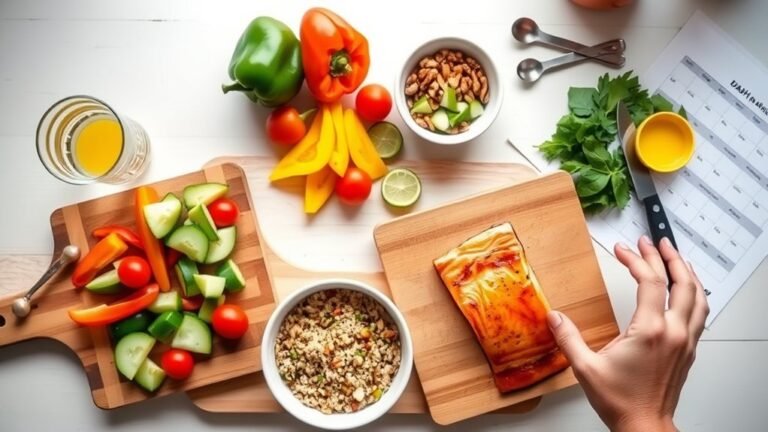
To save time on busy days, you can prepare large batches of gluten and dairy-free meals like vegetable soups, grain bowls, and roasted vegetables ahead of time. Meal prep containers come in handy for portioning cooked grains, roasted veggies, and proteins, so you can quickly assemble your meals without fuss.
Start your week by cooking staples like quinoa, roasted sweet potatoes, and grilled chicken in bulk. This makes putting together make-ahead meals a breeze. You can also freeze individual portions of gluten-free and dairy-free dishes such as chili or stew, which are perfect for quick thawing and reheating.
Don’t forget make-ahead snacks like trail mix, energy bites, or cut veggies with hummus to keep your routine on track without last-minute prep. By embracing these meal prep strategies, you’ll enjoy convenient, healthy, and delicious gluten-free and dairy-free meals even on your busiest days.
Nutritious Legume And Grain Combos For Lasting Energy
Building on your make-ahead meal strategy, combining legumes and grains offers a powerful way to maintain your energy steady and your meals satisfying. Legume and grain combinations provide complete proteins, essential for muscle repair and lasting vitality. These nutrient-dense pairs also help preserve stable blood sugar levels, preventing energy crashes.
Try these hearty combos for lasting energy:
- Lentils with quinoa, a complete protein duo rich in iron and B-vitamins.
- Black beans with brown rice, packed with fiber to keep you full longer.
- Chickpea and millet stew delivers complex carbs that fuel your day.
- Kidney bean and wild rice salad is nutrient-rich for balanced energy metabolism.
Incorporating these meals into your plan guarantees you get a variety of essential amino acids and minerals. They support overall wellness while sticking to your gluten and dairy-free goals.
Creative Uses For Nuts And Seeds In Anti-Inflammatory Meals
Although nuts and seeds are small, they pack a powerful nutritional punch that can help reduce inflammation and boost your overall health. You can easily incorporate walnuts and almonds into your anti-inflammatory recipes to benefit from their omega-3 fatty acids.
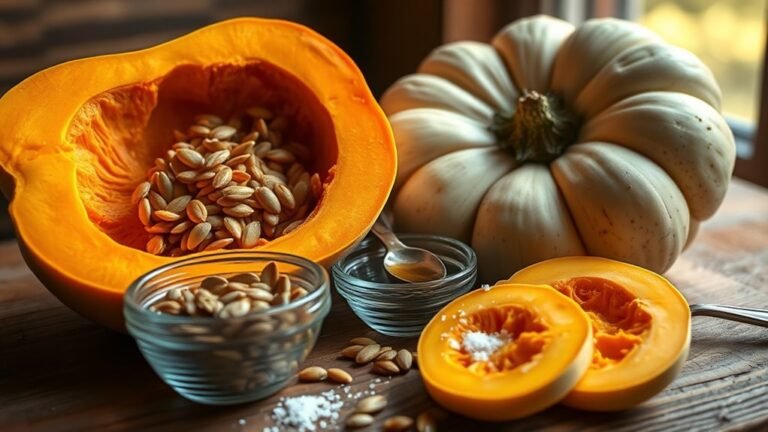
Seeds like chia and flaxseed add fiber and antioxidants, perfect for smoothies or sprinkled on salads. Nut butters make creamy spreads or smoothie boosters, while sunflower and pumpkin seeds add crunch and nutrients to snacks.
Try grinding nuts and seeds as a gluten-free breading or thickener to enhance texture and nutrition.
| Nut/Seed | Anti-Inflammatory Benefit | Creative Use in Recipes |
|---|---|---|
| Walnuts | Rich in omega-3 fatty acids | Salad topping, pesto base |
| Almonds | Anti-inflammatory fats | Nut butters, crust for fish |
| Chia Seeds | High fiber and antioxidants | Smoothies, chia puddings |
| Flaxseed | Lowers inflammation | Baking, smoothie add-in |
| Pumpkin Seeds | Essential nutrients | Salads, roasted snacks |
Use these nuts and seeds creatively to make your meals both delicious and healing.
Balancing Taste And Nutrition In Anti-Inflammatory Gluten-Dairy-Free Cooking
You can boost both flavor and nutrition by combining vibrant herbs, spices, and nutrient-packed ingredients like fatty fish and colorful veggies. When you focus on these flavorful ingredient combinations, it’s easier to create meals that satisfy your taste buds while supporting your body’s anti-inflammatory needs. Plus, by choosing nutrient-dense strategies, you’ll enjoy delicious dishes that keep you healthy and energized.
Flavorful Ingredient Combinations
When you combine antioxidant-rich berries with leafy greens like spinach or kale, you not only boost flavor but also amplify anti-inflammatory benefits. Using flavorful ingredients thoughtfully helps you create nutrient-dense meals that support your health without sacrificing taste.
Here are key combinations to try:
- Turmeric, ginger, and garlic add depth and natural anti-inflammatory properties.
- Omega-3-rich salmon paired with colorful cruciferous veggies balances taste and nutrition.
- Healthy fats from avocado or olive oil enhance flavor while promoting inflammation control.
- Blending sweet, tart, and savory elements like citrus with herbs or spices elevates your meals’ complexity.
Nutrient-Dense Meal Strategies
While crafting gluten and dairy free meals, focusing on nutrient dense ingredients lets you balance taste and anti inflammatory benefits effectively. Incorporate colorful fruits and vegetables to flood your meals with antioxidants and phytochemicals that fight inflammation.
Use healthy fats from extra virgin olive oil, avocado, and fatty fish to support cellular health and lower inflammatory markers. Choose lean proteins like salmon, turkey, or plant based options to maintain muscle and metabolic health.
Don’t forget leafy greens, berries, and legumes, which supply essential vitamins and minerals for immune support and tissue repair. Finally, enhance flavor naturally with herbs and spices to keep your gluten free, dairy free meals enjoyable without adding inflammatory ingredients. These meal strategies ensure you nourish your body while savoring every bite.
Frequently Asked Questions
How Do I Handle Gluten and Dairy Cravings During the 21-Day Plan?
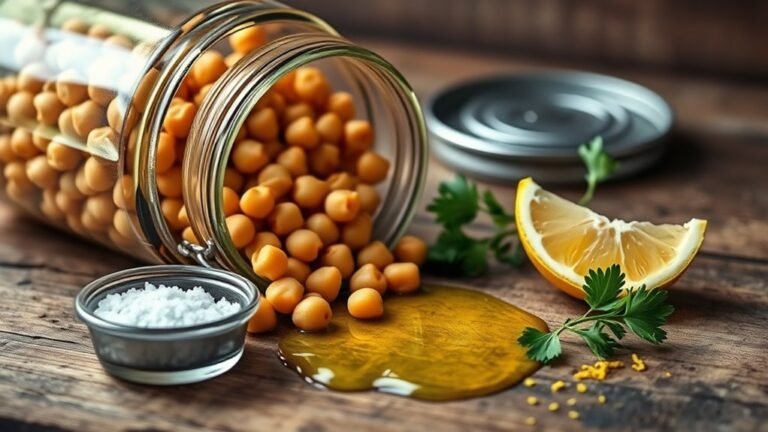
You can handle gluten and dairy cravings by keeping healthy snack ideas like roasted chickpeas or seasoned nuts on hand. Use flavor enhancement options such as cinnamon, ginger, and turmeric to keep meals exciting.
Meal prep tips like prepping fruits and dairy-free alternatives in advance help you stay on track. Don’t forget stress management techniques like deep breathing or a quick walk to reduce emotional cravings.
Staying hydrated also curbs unnecessary hunger.
What Are Common Hidden Sources of Gluten and Dairy to Avoid?
You might think soy sauce is harmless, but it often hides gluten through hidden ingredients. Processed foods like salad dressings, soups, and deli meats carry cross contamination risks you can’t ignore.
Dairy hides in bread, baked goods, and snacks, sometimes as casein or whey, so label reading becomes your best defense. Always choose certified gluten-free and dairy-free products to avoid surprises and keep your diet safe and clean.
Can This Meal Plan Be Adapted for Weight Loss or Gain?
Yes, you can customize the meal plan for weight loss or gain by focusing on meal plan customization and nutritional balance strategies. For weight loss, use portion control tips to reduce calorie intake while keeping meals nutrient-dense.
For weight gain, increase portions and add calorie-rich ingredients like nuts or avocado. Meal prep ideas like nutrient-dense snacks and smoothies help you stay on track and meet your specific energy needs without compromising gluten and dairy-free guidelines.
How Should I Grocery Shop to Efficiently Follow This Plan?
To efficiently follow this plan, start by creating a detailed shopping list focused on whole, gluten-free, and dairy-free foods. Use meal prep tips like batch cooking and portioning to save time. Organize your pantry with labeled containers for easy access.
Shop perimeter aisles for fresh produce and buy bulk budget-friendly options like grains and nuts. Finally, track your list with an app to streamline your trips and avoid impulse buys.
Are There Supplements Recommended Alongside This Gluten and Dairy-Free Diet?
Yes, supplements for digestion can help if your gut needs extra support on this diet. Focus on vitamin intake tips like adding B12 and vitamin D, since gluten and dairy-free meals might lack these.
Include protein options such as plant-based or omega-3 sources to guarantee you meet your needs. Don’t forget mineral support like calcium and iron, which might be lower without dairy.
Always check with a healthcare pro for personalized advice.
Conclusion
As you wrap up your 21-day gluten and dairy-free journey, you might just find your favorite anti-inflammatory meal popping up when you least expect it. Whether it’s a vibrant breakfast or a comforting dinner, these meals will surprise you.
Coincidentally, the more you nourish your body with these tasty, inflammation-fighting foods, the easier it gets to stick with the plan. You’ll feel energized, balanced, and ready to enjoy meals that love you back, proving health and flavor can truly go hand in hand.