5 Key Nutrition Facts You Should Know About Soda
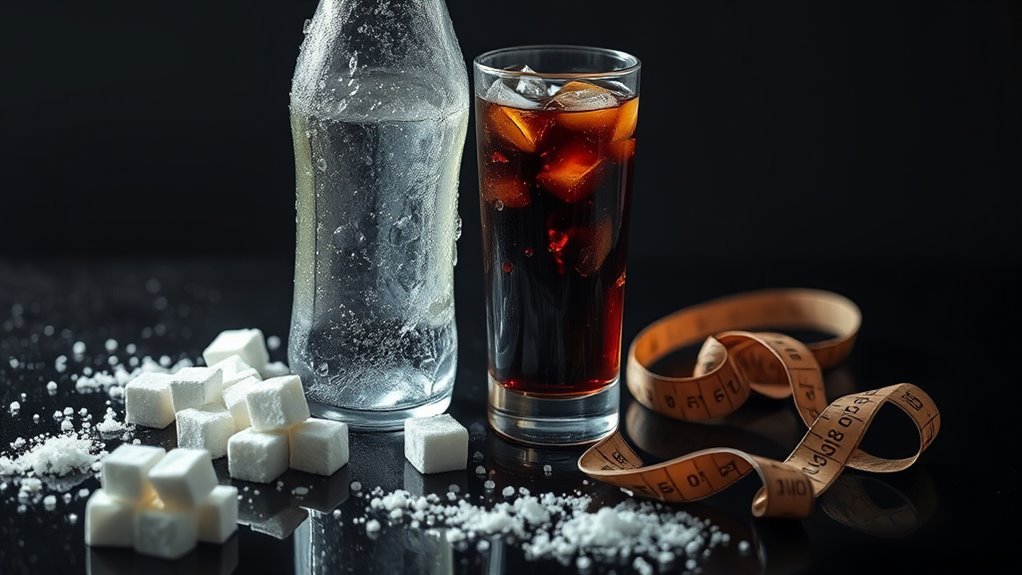
You consume about 39 grams of sugar with every 12-ounce soda, which adds up fast and gives you empty calories without nutrients. Soda’s sugar, often high-fructose corn syrup, spikes blood sugar and raises risks of obesity and diabetes.
Caffeine in soda can cause jitters and disrupt sleep, while artificial ingredients add no health benefits. Drinking soda regularly displaces healthier options, leading to nutrient gaps.
Keep going to uncover smarter ways to enjoy soda without compromising your health.
What’s Really in Your Soda and Why It Matters
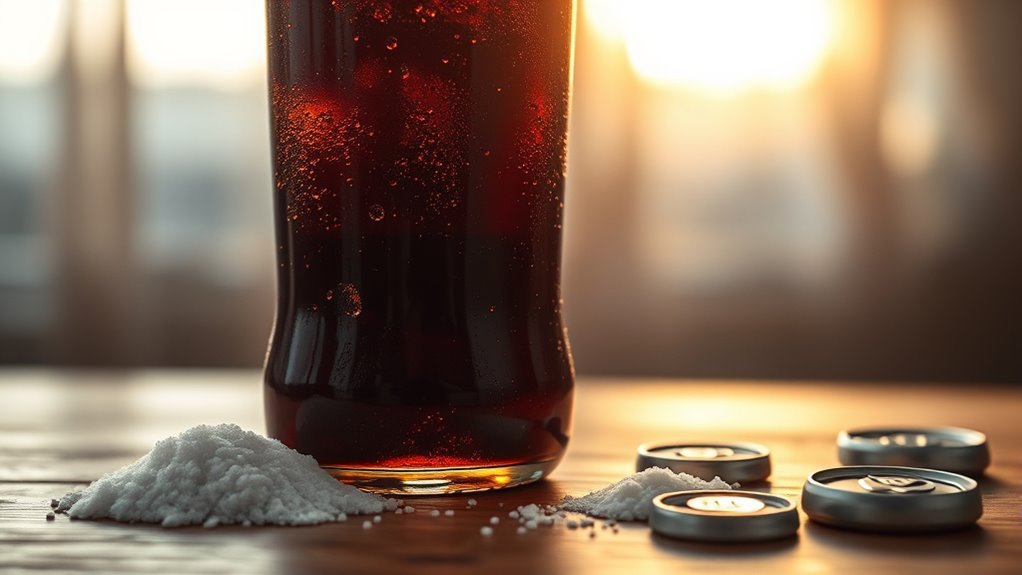
Although soda might seem like a simple, invigorating drink, it’s actually loaded with about 65 grams of sugar per 20-ounce bottle, delivering around 240 empty calories. This sugar, often in the form of high-fructose corn syrup or cane sugar, adds significant calories without providing any nutrients.
You won’t find vitamins or minerals here. Just sugar and calories that can quickly add up. Besides sugar, sodas contain caffeine to give you that familiar energy boost, but it’s the artificial flavors and acidulants, like citric and phosphoric acid, that create the distinct taste and sharpness you recognize.
These acidulants add tartness but can also influence your tooth enamel over time. While the caffeine perks you up, the artificial flavors ensure that signature soda taste. Overall, soda’s combination of sugar, caffeine, artificial flavors, and acidulants makes it a calorie-dense drink with virtually no nutritional benefit, which is why it’s important to know what’s really in your soda.
How Sugar and Caffeine in Soda Affect Your Health
When you drink soda, the high sugar and caffeine content can considerably impact your health. A typical 12-ounce can packs about 39 grams of sugar, roughly 10 teaspoons. This raises your risk of obesity and metabolic issues like insulin resistance and Type 2 diabetes. This excess sugar spikes blood sugar levels, challenging your body’s ability to manage insulin effectively.
Many soft drinks also contain caffeine. For example, a 12-ounce Coca-Cola has about 34 milligrams. While caffeine can boost alertness, too much may cause headaches, jitters, and heart palpitations. It can also disrupt your sleep, affecting overall wellbeing.
Together, sugar and caffeine in soft drinks contribute to negative health effects by displacing essential nutrients like calcium and vitamins in your diet. Being mindful of how much soda you consume helps you avoid these risks and supports better metabolic health.
Why Soda Has Little to No Nutrition Value

Because soda contains mostly added sugars and artificial ingredients, it offers little to no essential nutrients like vitamins, minerals, or fiber. When you drink a typical 20 fl oz soda, you’re consuming around 240 calories almost entirely from sugar, without gaining any beneficial nutrients. These empty calories provide energy but don’t support your body’s nutritional needs.
The artificial ingredients and acids found in soda don’t add any nutritional value either, making it a poor choice if you want to nourish your body.
Moreover, regularly drinking soda can lead to displacement, where you skip healthier beverages like milk or water that actually provide essential nutrients. This displacement further reduces your overall nutrient intake, impacting your diet negatively.
Understanding the Health Risks of Soda Consumption
Soda may satisfy your thirst briefly, but it also brings several health risks you should be aware of. Many soft drinks contain large amounts of added sugar, which can lead to weight gain and other negative health outcomes.
Drinking soda regularly can increase your energy intake and body weight, contributing to obesity and related diseases. Furthermore, some sodas, especially energy drinks, have high caffeine levels that may cause insomnia, anxiety, and heart palpitations.
Regular soda intake can lead to weight gain and caffeine-related issues like insomnia and anxiety.
Here are four key risks linked to soda consumption:
- Added sugar in soft drinks promotes obesity, Type 2 diabetes, and dental erosion.
- Regular soda intake displaces healthier drinks like water and milk, reducing nutrient intake.
- High caffeine content in energy drinks can disrupt sleep and increase anxiety.
- Increased energy intake from soda correlates with higher body weight and chronic health issues.
Being aware of these risks can help you make informed choices about soda consumption.
Healthy Ways to Enjoy Soda in Moderation

Although cutting out soft drinks completely can be challenging, you can still enjoy them in moderation without harming your health. The key is to limit your intake, as a standard 12 oz can contains about 39 grams of sugar, which adds up quickly.
Treat soda as an occasional indulgence rather than a daily habit to reduce added sugar and its health risks. Choosing caffeine-free or low-sugar alternatives, like diet sodas or sparkling water, helps satisfy cravings with fewer calories.
For a truly healthy alternative, try water infused with natural herbs or fresh fruit slices. It supports hydration while offering invigorating flavor. Setting specific limits, such as one small soda per week, keeps your consumption in check and promotes healthier habits.
Frequently Asked Questions
Can Diet Sodas Be Considered a Healthy Alternative?
Diet sodas can’t really be considered a healthy alternative. While their calorie content is low thanks to artificial sweeteners, these ingredients and flavor additives might affect your appetite and cravings.
Plus, caffeine levels can vary, impacting your energy and sleep. Ingredient transparency isn’t always clear, making it hard to know exactly what you’re consuming.
How Does Soda Consumption Impact Dental Health Specifically?
Think of your teeth as a fortress. When you drink soda, acid damage acts like relentless battering rams, causing enamel erosion that weakens your defenses.
The sugar fuels bacteria growth, turning them into invading armies that increase your cavity risk and tooth decay. Without proper care, this constant assault leaves your smile vulnerable.
Are Natural or Organic Sodas Any Better Nutritionally?
Natural or organic sodas aren’t much better nutritionally because they still have high sugar content, which impacts your health similarly. While they may boast organic certifications and use fewer artificial flavor additives, the processing methods don’t substantially reduce calories or acidity.
However, they often offer better ingredient transparency, so you know what’s in your drink. Ultimately, choosing them won’t give you meaningful nutritional benefits over regular sodas.
Do Sodas Have Any Impact on Hydration Levels?
Yes, sodas can impact your hydration levels by increasing dehydration risk. Their caffeine content acts as a diuretic, reducing hydration efficiency and potentially causing electrolyte imbalance.
Plus, the high sugar suppresses your natural thirst cues, leading to lower fluid intake overall. If you rely on soda instead of water or electrolyte drinks, you might unintentionally worsen your hydration status and feel more dehydrated than you realize.
What Are the Environmental Impacts of Soda Production and Packaging?
You should know that soda production uses a huge amount of water, contributing to high water usage. It generates significant production waste and a large carbon footprint due to manufacturing and packaging.
Plastic pollution from bottles and cans is a big problem, especially since recycling challenges mean many containers end up in landfills or oceans. By understanding these impacts, you can make more environmentally conscious choices about soda consumption and disposal.
Conclusion
Now that you know what’s really in your soda and how it affects your health, you can make smarter choices. Remember, soda isn’t just a sweet treat. It’s a sneaky source of sugar and caffeine that can harm your body over time.
Don’t let a fizzy drink fool you. Your health is worth more than a moment’s pleasure. So, enjoy soda wisely and savor the balance between taste and wellbeing.