
Nutrition & Health Effects: What the Evidence Actually Says
The food you ate this week is already shaping your gym performance today, your mood this afternoon, and your long-term disease risk over the next decade. These are not vague health aspirations — they are measurable, specific, and directly responsive to the nutritional choices made in your last seven days. This guide answers the most-searched questions about nutrition’s effects on the body with direct, evidence-backed answers: how food drives gym results, whether microwaves damage nutrients, how diet shapes mental health, what fats and carbohydrates actually do, how the food industry distorts nutritional decisions, which cooking methods preserve the most, whether nutrition affects height, and how your weekly eating pattern determines long-term health. Every answer connects to what you can do this week.
How does nutrition affect gym results and athletic performance?
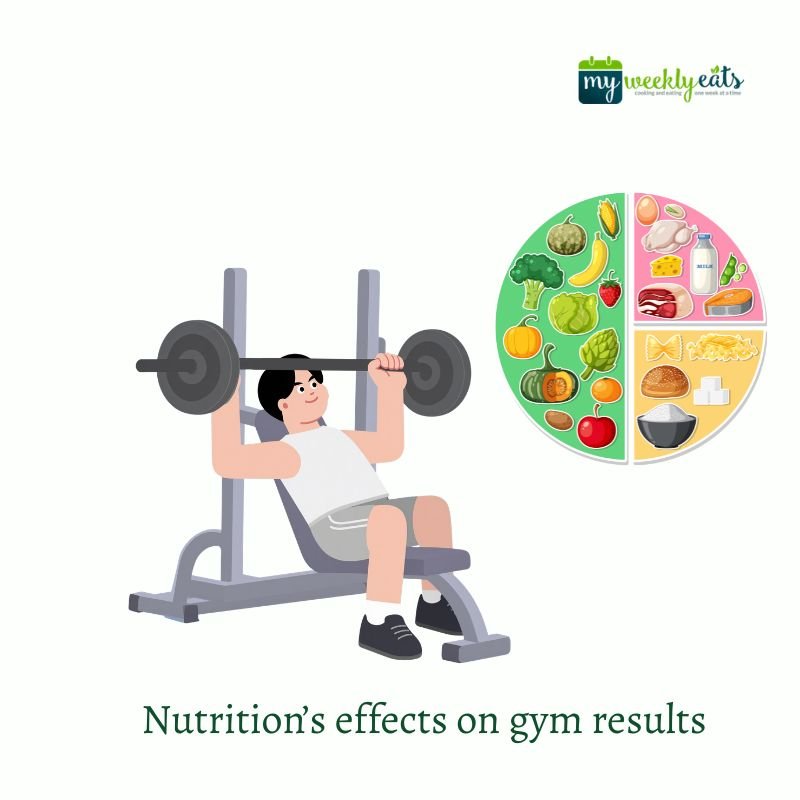
Nutrition directly determines gym results — not as a supplement to training but as its biological infrastructure. Adequate protein triggers muscle protein synthesis; carbohydrates fuel session intensity and replenish glycogen; strategic timing of both around workouts measurably improves strength, endurance, and recovery outcomes regardless of training volume or experience level.
Three biological pillars determine how nutrition translates into gym and athletic results — and none of them are optional if progress is the goal.
Protein and muscle protein synthesis (MPS). Exercise creates micro-damage in muscle fibres. The repair and rebuilding of those fibres — stronger than before — is muscle protein synthesis. MPS is triggered by the training stimulus and fuelled by amino acids from dietary protein. Evidence suggests 1.6 to 2.2 grams of protein per kilogram of bodyweight daily optimises muscle adaptation to resistance training. Consuming 20 to 40 grams of quality protein within two hours post-exercise is associated with maximal MPS stimulation.
Carbohydrates and training intensity. Muscles and brain run primarily on glucose, stored as glycogen. During high-intensity training, glycogen is the predominant fuel source. Research consistently shows that glycogen depletion correlates directly with performance decline. Complex carbohydrates consumed one to three hours before training maintain glycogen availability and measurably delay fatigue onset during the session.
Recovery nutrition and inflammation. Exercise creates systemic inflammation as part of the adaptation process. Anti-inflammatory foods — omega-3-rich fatty fish, tart cherries (multiple trials show tart cherry juice reduces delayed-onset muscle soreness), turmeric, and antioxidant-dense vegetables — accelerate the recovery window between sessions. Even 2% body water loss measurably impairs strength and endurance before thirst is registered.
Gym results are a weekly nutrition outcome. A single high-protein meal does not build muscle. A week of consistently adequate protein, strategic carbohydrates, and anti-inflammatory foods does. The table below maps nutrition to five performance goals across a weekly plate.
Performance Nutrition — By Training Goal (USDA + sports nutrition research basis)
| Goal | Priority Nutrients | Key Weekly Foods | Timing Focus | Weekly Frequency |
|---|---|---|---|---|
| Muscle Gain | Protein (1.6–2.2g/kg), Carbs | Chicken, eggs, rice, oats, legumes | Within 2 hrs post-workout | Daily protein; carbs pre/post |
| Endurance | Carbohydrates, Electrolytes, Iron | Oats, sweet potato, spinach, bananas | Pre-event + during | Carb-load 2–3× per week |
| Recovery | Protein, Anti-inflammatory foods | Salmon, tart cherry, turmeric, eggs | Post-workout window | Fatty fish 2–3× per week |
| Mental Clarity | Omega-3s, B vitamins, Magnesium | Fatty fish, leafy greens, nuts, legumes | Daily consistent pattern | Fish 2×, greens daily |
| Disease Prevention | Fibre, Antioxidants, Healthy fats | Varied vegetables, berries, olive oil, whole grains | Weekly pattern, not daily | 5+ vegetable servings daily |
Do microwaves kill nutrition in food?
No. Microwaving is among the safest cooking methods for nutrient retention. Short cooking times and minimal water use preserve water-soluble vitamins better than boiling. Studies show microwaved vegetables retain significantly more vitamin C and B vitamins than the same vegetables boiled. The microwave does not damage nutrition — it is one of your most reliable meal-prep tools.
No.
Microwaves do not kill nutrition — boiling water does
Two mechanisms damage nutrients during cooking: heat and water. Heat degrades heat-sensitive vitamins (particularly vitamin C and the B vitamins). Water leaches water-soluble vitamins out of food and into cooking liquid. Microwaving minimises both. Because microwave cooking is rapid — typically two to five minutes — food experiences significantly less total heat exposure. Because microwaving requires little or no added water, water-soluble vitamins remain in the food rather than leaching into liquid that is then discarded.
A frequently cited 2003 study published in the Journal of the Science of Food and Agriculture measured flavonoid retention across different cooking methods in broccoli. Microwaved broccoli retained approximately 97% of its flavonoids. Boiled broccoli retained approximately 11%. The difference was not microwave damage — it was water. Broccoli submerged in boiling water for seven minutes loses its nutrients into that water. The same broccoli microwaved with minimal water retains them.
The caveat that actually matters is the container, not the appliance. Microwaving in lower-quality plastic containers can cause plasticisers — including BPA in older plastics — to leach into food. The solution is straightforward: use glass or ceramic containers labelled microwave-safe. The microwave itself is not the hazard.
What genuinely damages microwaved food: overheating (excessive heat degrades nutrients regardless of cooking method) and repeated reheating cycles (each cycle adds cumulative heat exposure). Both apply to all cooking methods equally — they are not unique to microwaving.
For weekly meal prep, microwaving is not a nutritional compromise — it is the smart choice. It reheats refrigerated grains, vegetables, and proteins from a Sunday batch cook quickly, with minimal nutrient loss. The microwave is not your meal prep’s enemy. It is one of its most nutrient-preserving tools, and the evidence strongly supports using it without hesitation.
How does nutrition affect mental health?
Nutrition influences brain function and mental health through multiple documented pathways: omega-3 fatty acids maintain brain cell membrane integrity; B vitamins regulate neurotransmitter synthesis; the gut-brain axis means that dietary fibre directly shapes gut microbiome composition, which influences mood, anxiety, and cognitive function. Evidence consistently links poor dietary quality to elevated depression and anxiety risk.
Three evidence-based pathways connect what you eat to how you feel — each operating through a distinct biological mechanism, each addressable through specific weekly food choices.
Pathway 1 — Omega-3 Fatty Acids and Brain Structure
DHA (docosahexaenoic acid), the omega-3 found primarily in fatty fish, is a structural component of neuronal cell membranes — particularly in the brain’s grey matter and prefrontal cortex. When DHA supply is inadequate, membrane fluidity is reduced, affecting the efficiency of signal transmission between neurons. Population studies consistently associate low omega-3 intake with higher rates of depression. A 2016 meta-analysis in Translational Psychiatry found that omega-3 supplementation produced significant reductions in depression symptoms compared to placebo across multiple trials.Weekly: Fatty fish 2× (salmon, mackerel, sardines), walnuts, flaxseed
Pathway 2 — B Vitamins and Neurotransmitter Production
Vitamins B6, B9 (folate), and B12 are co-factors in the synthesis of serotonin, dopamine, and norepinephrine — the neurotransmitters most directly linked to mood regulation and motivation. B12 and folate also regulate the methylation cycle, which controls gene expression in neurons. B12 deficiency (common in older adults, vegans, and people on metformin) is strongly associated with depression and cognitive decline.Weekly: Dark leafy greens (folate), eggs and fortified foods (B12), legumes (B6 and folate)
Pathway 3 — The Gut-Brain Axis and Dietary Fibre
Approximately 95% of the body’s serotonin is produced in the gut, not the brain. The gut microbiome — shaped primarily by dietary fibre intake — regulates this production. Lactobacillus and Bifidobacterium species that thrive on prebiotic fibre produce GABA precursors and reduce systemic inflammation, both of which influence anxiety and mood. A 2022 study in Nature Mental Health found significant associations between dietary diversity and reduced risk of depression and anxiety.Weekly: Legumes, varied vegetables, whole grains, and fermented foods for microbiome diversity
Consistent weekly nutrition covering these three pathways is not optional mental health support. It is the dietary foundation that every evidence-based mental health practitioner would recommend alongside other treatment — and it is built from foods, not supplements.
What is the nutritional impact of lipids in the diet — and how do macronutrients balance?
Dietary lipids (fats) serve three essential functions: energy storage, fat-soluble vitamin absorption (A, D, E, K), and cellular membrane integrity. Carbohydrates are the body’s primary fuel and should not be eliminated. Evidence consistently shows that balanced macronutrient distribution — protein, quality fats, and complex carbohydrates — outperforms extreme restriction for long-term health and sustained energy.
Dietary fat was the nutritional villain of the 1980s. The evidence since has produced a more accurate picture — one that begins with understanding what fats actually do biologically rather than what their caloric density suggests.
Fats — 3 Indispensable Roles
Energy storage at 9 cal/gram. Fat-soluble vitamins A, D, E, and K require dietary fat to be absorbed from the gut — a fat-free salad dressing is nutritionally counterproductive. Every cell membrane is a fat-based phospholipid bilayer; the brain requires DHA specifically for optimal function.
Carbohydrates — Primary Fuel
The Dietary Guidelines for Americans recommend 45–65% of calories from carbohydrates — close to half, not a reduction target. Complex, fibre-rich carbohydrates (whole grains, vegetables, legumes) deliver sustained energy plus micronutrients. Refined carbohydrates and added sugar provide rapid glucose without nutritional value alongside it.
Protein — Structural Macronutrient
Essential amino acids for tissue repair, enzyme production, immune function, and hormone synthesis. Complete protein from varied sources — animal and plant — covers all nine essential amino acids the body cannot synthesise. Protein also has the highest thermic effect of the three macronutrients.
Not all fats operate the same way. Unsaturated fats — monounsaturated (olive oil, avocado, almonds) and polyunsaturated (fatty fish, walnuts, flaxseed) — are associated with reduced cardiovascular risk and lower systemic inflammation. Saturated fat in excess (red meat, full-fat dairy, tropical oils) raises LDL cholesterol. Trans fats, found in some industrially processed foods, have no safe consumption level — the FDA effectively banned artificial trans fats from the US food supply in 2018.
Eliminating any macronutrient class entirely creates a biological deficit that eventually overrides willpower. A balanced weekly distribution — adequate protein, quality fats, and fibre-rich carbohydrates — is what the body is designed to run on and what the evidence consistently supports for long-term health and sustained energy.
How does the food industry influence nutrition and health?
The food industry influences nutrition through ultra-processed food engineering designed for overconsumption, marketing of low-nutrient products using health-adjacent language, and funding nutrition research that shapes dietary guidance. Evidence links ultra-processed food consumption to increased chronic disease risk. Understanding how this influence operates is the first step toward making deliberate weekly food decisions that serve your health rather than commercial interest.
The food industry’s influence on nutrition operates through three documented mechanisms. Understanding each one is not paranoia — it is the practical literacy needed to make food choices that benefit your biology rather than a quarterly revenue report.
Mechanism 1 — Ultra-Processed Food Engineering
The NOVA classification (University of São Paulo) defines ultra-processed foods (UPFs) as industrially formulated products engineered for hyper-palatability through precise fat, sugar, and salt combinations, with minimal whole-food content. UPFs currently account for approximately 57% of caloric intake in the average US diet. A 2019 study in the BMJ following 105,000 French adults over five years found that a 10% increase in UPF consumption was associated with significant increases in cardiovascular disease risk, cancer incidence, and all-cause mortality. Evidence is associative, not causative — but the pattern across multiple large cohorts is consistent.
Mechanism 2 — Health-Washing Marketing
Terms like “natural,” “clean,” “multi-grain,” “high protein,” and “low fat” on food packaging are largely unregulated in the US and frequently applied to nutritionally poor products. “Multi-grain” bread may contain primarily refined flour with token whole grain inclusions. “Low fat” products often replace removed fat with added sugar to maintain palatability. Reading ingredient lists and nutrition panels — rather than front-of-package claims — is the most reliable navigation tool available to any consumer.
Mechanism 3 — Research Funding Influence
Studies funded by food industry sponsors are, on average, significantly more likely to produce findings favourable to the sponsor’s products. A systematic review published in PLOS Medicine found industry-funded nutrition studies were four to eight times more likely to reach conclusions favourable to industry interests compared to independently funded studies. The funding source of any nutritional claim is relevant context — not a reason to dismiss the research, but a reason to examine its methodology and independence carefully.
The most effective personal response to food industry influence is not dietary anxiety. It is a structured weekly plan built around whole, minimally processed foods. When meals are planned in advance around food groups and whole ingredients rather than packaged products, the food industry’s leverage over daily choices diminishes substantially. Weekly planning is the practical counterweight to systems designed to exploit unplanned hunger — and it is the simplest evidence-based strategy available.
How does cooking method affect nutritional value — grilling, steaming, boiling, or microwaving?
Cooking method significantly affects nutrient retention. Steaming and microwaving preserve the most water-soluble vitamins. Boiling leaches the most nutrients into cooking water. Grilling and roasting preserve fat-soluble vitamins well but can form harmful compounds at high temperatures. Short cooking times at lower heat generally preserve more nutrition across all methods.
How you cook your food determines how much of its nutritional value actually reaches your biology. The differences between methods are measurable and practically meaningful — not marginal. Here is how each method ranks and what it means for your weekly cooking decisions.
Steaming
The gold standard for water-soluble vitamin retention. No cooking water is used, so vitamins C and B vitamins cannot leach into discarded liquid. Low heat and short time minimise heat-induced vitamin degradation. Steamed broccoli, spinach, and carrots retain substantially more micronutrient content than boiled equivalents. Best for: most vegetables.
★★★★★
Best
Microwaving
Comparable to steaming for water-soluble vitamin retention — short time, minimal water, contained heat. See H2 #2 for the full scientific treatment. The 2003 Journal of the Science of Food and Agriculture broccoli study: 97% flavonoid retention. For weekly meal prep, the most practical high-retention reheating method available. Best for: reheating meal-prepped foods, quick vegetable cooking.
★★★★★
Best
Roasting & Baking
Moderate nutrient retention. Better than boiling for water-soluble vitamins (no cooking water). Dry heat concentrates flavours and works particularly well for root vegetables and whole grains. Fat-soluble vitamins (A, D, E, K) are well preserved. A practical and nutritionally reasonable everyday cooking method for most foods.
★★★★☆
Good
Grilling
Preserves fat-soluble vitamins well. High heat over short time avoids the water problem. The legitimate concern: heterocyclic amines (HCAs) and polycyclic aromatic hydrocarbons (PAHs) form when meat is cooked at very high temperatures — particularly when fat drips onto open flames. Evidence from observational studies associates high charred-meat consumption with increased colorectal cancer risk. Mitigation: marinate before grilling (evidence shows marinades significantly reduce HCA formation), avoid charring, use indirect heat, and trim visible fat before grilling.
★★★☆☆
Moderate
Boiling
Highest nutrient loss for water-soluble vitamins. Vitamins C, B1 (thiamine), B9 (folate), and B12 leach into cooking water during prolonged submersion — up to 50% of some vitamins can be lost in water that is then discarded. Mitigation that works: use the cooking liquid in soups, stews, or sauces to recover leached nutrients. Boiling is only a nutritional loss when the water is poured away.
★★☆☆☆
Lowest
Rotating across steaming, microwaving, roasting, and grilling across a week ensures both nutrient preservation and the variety of textures and flavours that support long-term dietary adherence. No single method needs to dominate — varying them does.
Does nutrition affect height and physical development?
Yes, significantly during developmental years. Adequate protein provides the amino acids required for bone and muscle tissue formation. Calcium and vitamin D directly determine bone mineralisation and final bone density. Zinc and iron support growth hormone function and oxygen delivery to developing tissues. Chronic nutritional deficiency in childhood is one of the most documented global causes of stunted growth.
The relationship between nutrition and height is most significant during the childhood and adolescent developmental window — and it is more direct and more measurable than most people realise.
Protein
The building block of every tissue. Adequate protein provides the amino acids for bone matrix formation, muscle development, and the connective structures that define physical stature. Both quantity (sufficient grams) and quality (complete amino acid profiles from varied sources) matter for developmental outcomes.
Calcium & Vitamin D
A paired system for bone mineralisation. Calcium is the structural mineral of bone — it provides density and strength. Vitamin D enables calcium’s absorption from the gut. During puberty, when bone density increases most rapidly, requirements for both increase significantly above childhood baselines. Sources: dairy or fortified plant milks (calcium); sun exposure, fatty fish, and fortified foods (vitamin D).
Zinc
Directly involved in IGF-1 (insulin-like growth factor 1) receptor function — the hormonal pathway through which growth hormone directs tissue growth. Zinc deficiency is one of the most prevalent micronutrient deficiencies globally. WHO data identifies zinc deficiency as a direct contributor to the stunted growth affecting an estimated 165 million children worldwide.
Iron
Supports oxygen delivery to all developing tissues through haemoglobin synthesis. Iron deficiency anaemia during childhood impairs both physical and cognitive development — reducing energy available for growth and limiting the neurological development occurring simultaneously. Both growth and cognitive development depend on adequate iron throughout childhood.
After skeletal maturity — typically complete by age 18 to 25 depending on sex and genetics — nutrition cannot increase height. Final adult stature is determined by the nutritional adequacy of developmental years. From adulthood forward, nutrition determines bone density maintenance, muscle mass trajectory, and long-term skeletal health — not height.
How does your weekly nutrition pattern affect your overall long-term health?
Long-term health is determined by weekly dietary patterns, not individual meals. Consistent weekly nutrition delivering adequate protein, varied micronutrients, dietary fibre, and anti-inflammatory foods is linked to lower cardiovascular disease risk, better mental health outcomes, stronger immune function, and improved cognitive longevity. What you eat most weeks, not occasionally, determines your health trajectory.
Every health effect covered in this article — gym performance, mental health, physical development, disease prevention — is a product of what you eat most weeks, not what you eat on any single day. The large-scale nutrition research that shapes dietary guidelines does not measure individual meals. It measures dietary patterns sustained over months and years.
PREDIMED TrialMediterranean dietary pattern and cardiovascular outcomes — 7,447 participants, reduced major cardiovascular events by ~30% versus low-fat control
DASH Diet StudiesDietary Approaches to Stop Hypertension — consistent evidence of blood pressure reduction through weekly dietary pattern, not supplement intervention
UK Biobank AnalysesDietary patterns and cognitive ageing — weekly dietary diversity consistently associated with slower cognitive decline across large population samples
What defines a health-supporting weekly pattern across the evidence? Consistent delivery of: adequate protein from varied sources for tissue maintenance and immune function; fibre-rich carbohydrates from whole grains, legumes, and vegetables for gut health, blood sugar stability, and microbiome diversity; quality fats — particularly omega-3s — for brain structure, cellular membrane integrity, and anti-inflammatory function; and broad micronutrient coverage from rotating across dark leafy greens, cruciferous vegetables, root vegetables, and varied colourful fruits.
No single food provides all of this. No single day of eating establishes or destroys a health trajectory. The week is the meaningful unit of nutritional measurement — and building a repeatable, nutritionally complete weekly pattern is the most evidence-consistent approach to long-term health available to anyone.
Every health effect in this article — from gym results to mental clarity, from cooking method choices to childhood growth — becomes a practical, achievable target when the week is the planning unit and a structured rotation is in place.
Put Every Effect in This Guide to Work
The weekly nutrition pattern that drives gym results, supports mental health, and reduces long-term disease risk — applied practically to your plate, starting this week.Start Building Your Weekly Nutrition Plan on MyWeeklyEats.com →
The Bottom Line
Three insights carry across everything in this guide. The first: nutrition’s health effects are specific and measurable — muscle protein synthesis, neurotransmitter production, bone mineralisation, and cooking-method vitamin retention are all quantifiable. They are not vague wellness concepts; they are biological processes you influence with every weekly food decision. The second: preparation matters as much as food selection — microwaves and steaming are allies, the food industry requires scepticism, and boiling water is the quiet thief of water-soluble vitamins. The third: the week, not the meal, is the correct unit of nutritional measurement. Evidence from the PREDIMED trial, the DASH studies, and the UK Biobank consistently shows that weekly dietary patterns determine long-term health outcomes. Perfecting a single meal is far less important than building and repeating a solid weekly pattern — and that is exactly what MyWeeklyEats is designed to help you do.