10 Key Nutritional Benefits of Canned Chickpeas
You’ll get a boost of protein, fiber, and heart-healthy fats with canned chickpeas, supporting muscle repair and digestion.
They help lower cholesterol and blood pressure, reduce blood sugar spikes, and provide essential minerals like iron and potassium.
Their antioxidants and fiber may also protect against inflammation and certain cancers.
Plus, nutrients like choline support your brain function and mood.
Keep exploring to discover easy ways to add this nutritious powerhouse to your meals.
Nutritional Profile of Canned Chickpeas
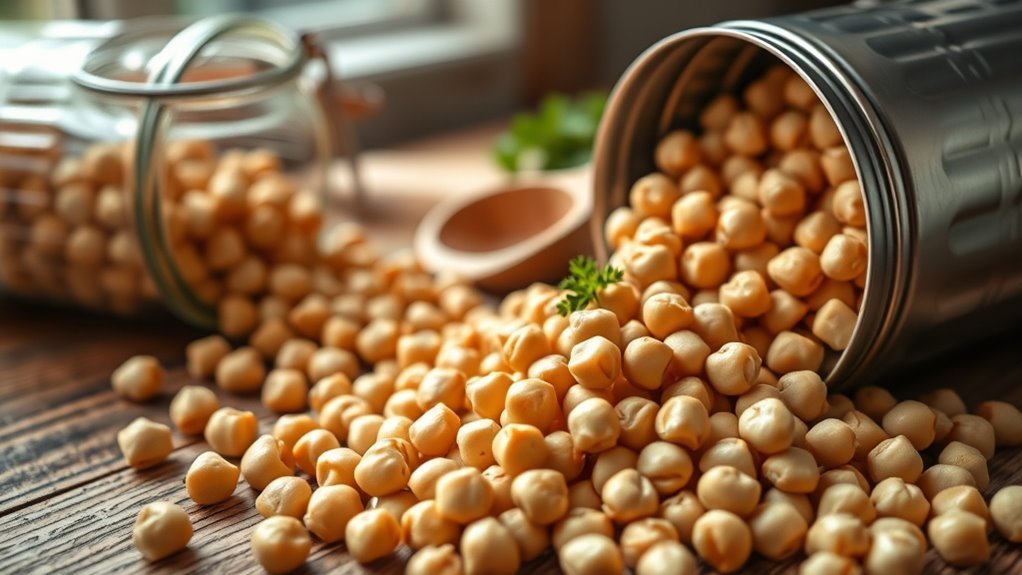
One cup of canned chickpeas packs a powerful nutritional punch, offering around 210 calories and 11 grams of protein to fuel your day. Their nutritional profile includes about 4 grams of fat content per cup, mostly heart-healthy monounsaturated and polyunsaturated fats.
You’ll also get roughly 10 grams of dietary fiber, which supports digestion and promotes fullness. These chickpeas provide essential nutrients like potassium (346 mg) and calcium (84 mg), important minerals that help maintain your overall health.
However, be mindful of the sodium content, often around 667 mg per cup. Rinsing your canned chickpeas can considerably lower this sodium level without sacrificing flavor. Overall, canned chickpeas deliver a balanced mix of calories, protein, fiber, healthy fats, minerals, and essential nutrients, making them a convenient and nutritious addition to your meals.
Plant-Based Protein Benefits for Muscle and Weight Control
You’ll find canned chickpeas are a great source of high-quality plant-based protein that supports muscle maintenance and repair. They’re not just nutritious; they also help you feel full longer, which can make managing your weight a bit easier. Plus, if you’re focusing on muscle health or trying to control your appetite, canned chickpeas are a smart way to boost your protein intake.
High-Quality Protein Source
Canned chickpeas pack about 11 grams of protein per cup, making them an excellent plant-based option to boost your muscle strength and control your weight. They offer high-quality protein that includes all essential amino acids except methionine, which you can easily complement with whole grains like quinoa.
This nutrient density supports muscle health and keeps you feeling full longer, aiding in satiety and weight management. As a versatile plant-based protein, canned chickpeas fit perfectly into a vegetarian diet, providing a reliable meat alternative without sacrificing nutritional value.
Supports Muscle Maintenance
How does a plant-based food like chickpeas support your muscle maintenance? Canned chickpeas provide about 11 grams of protein per cup, delivering essential amino acids that fuel muscle repair and muscle growth.
While they lack methionine, pairing chickpeas with grains completes their plant-based protein profile, ensuring you get all the amino acids needed for effective protein synthesis. Regularly consuming chickpeas helps you maintain lean muscle mass and promotes muscle strength, which is especially important as you age.
Their rich amino acid content supports muscle repair after workouts, aiding recovery and sustaining muscle maintenance over time. By integrating chickpeas into your diet, you nourish your muscles naturally, harnessing the power of plant-based protein to keep your body strong and resilient.
Aids Weight Management
Incorporating chickpeas into your meals can considerably aid weight management by keeping you full longer and curbing appetite. Thanks to their high fiber content, chickpeas promote satiety and support effective appetite regulation.
Each cup offers about 11 grams of plant-based protein, which helps maintain muscle while reducing hunger hormones. This leads to decreased calorie intake throughout the day. This combination not only helps prevent overeating but also supports a healthy BMI and smaller waist circumference.
Managing Blood Sugar With Canned Chickpeas
When you include chickpeas in your meals, you help stabilize your blood sugar levels thanks to their low glycemic index. Canned chickpeas contain dietary fiber that slows carbohydrate absorption, preventing rapid spikes in post-meal blood glucose.
Eating chickpeas alongside carbohydrate-rich foods can reduce these spikes by up to 36%, promoting better glycemic control. This steady blood sugar response supports diabetes management by helping maintain balanced insulin levels and preventing sharp fluctuations.
Eating chickpeas with carbs can cut blood sugar spikes by up to 36%, aiding diabetes control.
Regularly incorporating chickpeas into your diet is linked to improved long-term blood sugar regulation and lower fasting insulin levels, which are essential markers for metabolic health. By choosing canned chickpeas, you’re not only enjoying a convenient, nutrient-rich option but also actively supporting your body’s ability to manage blood sugar effectively.
Including them in your meals is a practical, tasty step toward better glycemic control and overall diabetes management.
Improving Digestion and Gut Health With Chickpeas
Beyond supporting blood sugar control, canned chickpeas also play a significant role in boosting your digestive health. They’re rich in soluble fiber, which forms a gel-like substance in your gut that promotes bowel regularity and eases constipation. This fiber also feeds beneficial gut bacteria, helping to maintain a balanced microbiome and reduce harmful bacteria growth.
For colon health, regular chickpea consumption may lower the risk of gastrointestinal issues like irritable bowel syndrome and colon cancer.
To maximize these benefits, soak and rinse your canned chickpeas before eating. This process reduces phytates, compounds that can hinder mineral absorption and affect gut nutrient uptake. By including soaked chickpeas in your diet, you support not only fiber intake but also overall digestive health, ensuring your gut functions smoothly and efficiently.
Heart Health Benefits of Chickpeas: Cholesterol and Blood Pressure
Although many foods support heart health, canned chickpeas stand out for their impressive nutrient profile. They’re rich in soluble fiber, which helps lower LDL cholesterol and triglycerides, promoting better cardiovascular health. By reducing these harmful fats, chickpeas help protect your heart from disease.
Their high potassium content works to relax blood vessel walls, effectively lowering blood pressure and easing strain on your heart. Furthermore, chickpeas contain magnesium, a key mineral that helps regulate blood pressure and maintain a steady heart rhythm.
Studies show that regularly eating legumes like chickpeas can reduce your risk of heart disease by 10-15%. Incorporating canned chickpeas into your diet supports healthier lipid profiles and overall heart health. So, if you want to keep your cholesterol and blood pressure in check, adding canned chickpeas is a simple, nutrient-packed choice that benefits your cardiovascular system.
Fighting Inflammation and Cancer Risk With Chickpeas
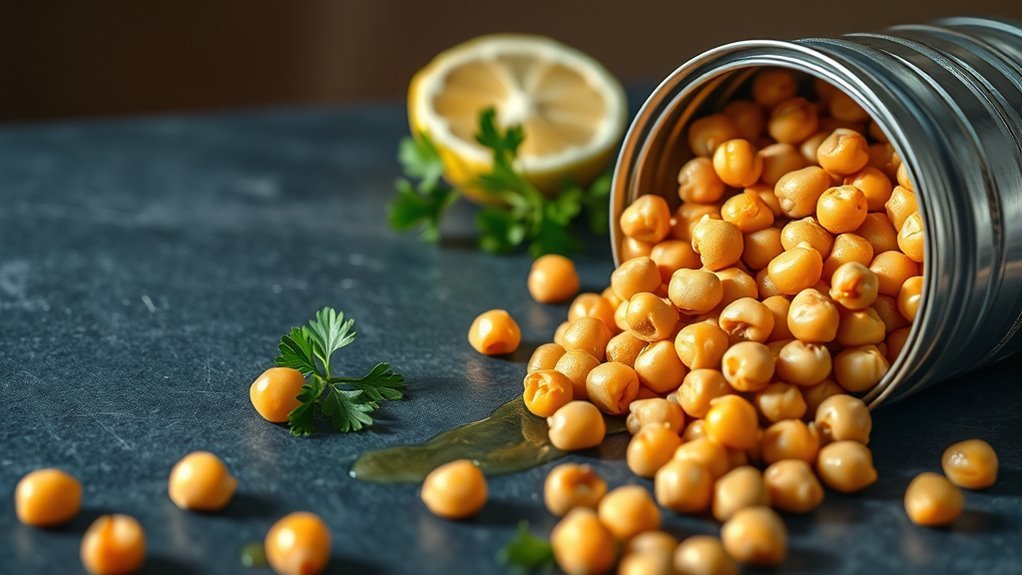
You can use canned chickpeas to help fight inflammation because they have natural compounds like saponins and polyphenols. These compounds work as anti-inflammatory agents, which is pretty great. Plus, they might also lower your risk of certain cancers by supporting healthy cell function.
Anti-Inflammatory Properties
Three powerful components in canned chickpeas, saponins, antioxidants, and fiber, work together to fight inflammation and lower your cancer risk. These bioactive compounds deliver strong anti-inflammatory effects that help reduce chronic inflammation linked to many health issues. Here’s how they benefit you:
- Saponins and phytochemicals like carotenoids and bioflavonoids combat oxidative stress, protecting your cells.
- Antioxidants such as selenium and polyphenols decrease inflammation and lower C-reactive protein (CRP) levels, a key inflammation marker.
- Fiber promotes butyrate production, which supports colon health and reduces inflammation at the cellular level.
Cancer Risk Reduction
How can incorporating canned chickpeas into your diet lower your cancer risk? Chickpeas contain bioactive compounds like saponins that may inhibit tumor growth and reduce inflammation, a known contributor to cancer risk.
The fiber in chickpeas produces butyrate, which helps suppress colon cell proliferation and triggers apoptosis, potentially lowering your risk of colorectal cancer. Chickpeas are also rich in antioxidants such as selenium and B vitamins. These nutrients fight oxidative stress and inflammation linked to cancer development.
Moreover, the seed coat fiber reduces the toxicity of carcinogens, including N-nitrosodiethylamine, offering protective effects. Regularly eating chickpeas can also decrease inflammation markers, further supporting your body’s defense against various cancers.
Including canned chickpeas in your meals is a smart way to harness these cancer-fighting benefits.
Preventing Anemia: The Iron Power of Chickpeas
One cup of canned chickpeas delivers about 3 mg of iron, covering roughly 26% of your daily needs and supporting healthy red blood cell production. While this iron is non-heme iron, your body doesn’t absorb it as easily as heme iron from animal sources. But you can boost absorption by pairing chickpeas with vitamin C-rich foods like lemon juice or bell peppers.
Regularly eating chickpeas can help prevent anemia, especially if you follow a plant-based diet.
Here are three tips to maximize the iron benefits of chickpeas:
- Combine chickpeas with vitamin C-rich foods to enhance iron absorption.
- Soak and cook chickpeas well to reduce phytates, compounds that inhibit mineral absorption.
- Include chickpeas as a consistent source of plant-based protein and iron to maintain healthy red blood cells and prevent anemia.
Boosting Brain Health With Key Nutrients in Chickpeas
Because your brain relies on key nutrients to function at its best, incorporating canned chickpeas into your diet can give it a significant boost. Chickpeas are rich in choline, essential for neurotransmitter synthesis and supporting cognitive function.
Incorporating canned chickpeas boosts brain function with choline, vital for neurotransmitter synthesis and cognition.
They also provide magnesium, which plays an essential role in nerve transmission and brain cell communication. Selenium and zinc found in chickpeas help protect your brain cells from oxidative stress, potentially lowering the risk of neurodegenerative diseases.
These minerals and bioactive compounds work together to enhance brain health, improve mental clarity, and support mood regulation. By regularly eating canned chickpeas, you supply your brain with the nutrients it needs to stay sharp and resilient.
Including chickpeas in your meals isn’t just good for your body. It’s a smart choice for maintaining long-term cognitive health and reducing the risk of conditions that can impair brain function over time.
Easy Ways to Use Canned Chickpeas in Your Meals
When you want to add a quick nutritional boost to your meals, canned chickpeas are incredibly versatile and easy to use. They’re packed with protein and fiber, making them perfect for quick and easy healthy meals.
Here are three simple ways to include canned chickpeas in your diet:
- Toss them into salads for an instant hit of protein and fiber. Just rinse to reduce sodium, then add for a satisfying crunch and nutrition.
- Mash canned chickpeas to whip up homemade hummus. This tasty spread is rich in essential nutrients and antioxidants, great for snacks or sandwiches.
- Stir canned chickpeas into pasta dishes or grain bowls. They add plant-based protein and minerals, enhancing flavor and texture effortlessly.
Tips for Incorporating Canned Chickpeas Into Your Diet
Adding canned chickpeas to your meals is simpler than you might think, and there are smart ways to maximize their nutritional benefits. Start by rinsing canned chickpeas to reduce sodium content by up to 40%. This supports sodium reduction and heart health.
You can quickly boost your protein intake and dietary fiber by tossing them into salads, soups, or pasta dishes. For meal prep, try using canned chickpeas as a meat substitute in vegetarian recipes like tacos or veggie burgers. This saves time while keeping your meals nutrient-rich.
| Tip | Benefit |
|---|---|
| Rinse before use | Sodium reduction |
| Add to salads or soups | Quick and easy protein & fiber |
| Substitute in vegetarian meals | Increased protein intake & convenience |
These tips make incorporating canned chickpeas into your diet both easy and nutritious. They enhance your meals with essential nutrients.
Frequently Asked Questions
How Long Do Canned Chickpeas Last Once Opened?
Once opened, canned chickpeas last about 3 to 4 days in the fridge. For best shelf life, transfer them to an airtight storage container to keep freshness. Always drain properly before storing to avoid spoilage.
Watch for quality indicators like off-odor, mold, or sliminess. Refrigeration tips include keeping them sealed tightly. If you want longer storage, freeze chickpeas for up to 6 months.
Don’t forget to check the expiration date before use.
Are Canned Chickpeas as Nutritious as Dried Ones?
Imagine you’re rushing dinner and grab canned chickpeas. Are they as nutritious as dried ones? Yes, the nutritional comparison shows canned chickpeas retain fiber content and protein levels well, despite slight vitamin preservation loss due to processing methods.
Their nutrient retention remains impressive, offering excellent health benefits. Plus, their cooking versatility means you save time without sacrificing nutrition, making them a smart, convenient choice for your meals.
Can Canned Chickpeas Cause Digestive Discomfort?
Yes, canned chickpeas can cause digestive discomfort, especially if you have food sensitivities or fiber intolerance. The fiber effects and oligosaccharides in chickpeas may lead to gas and bloating.
If your digestive enzymes aren’t strong enough, you might experience stomach discomfort and other digestive issues. To protect your gut health, rinse chickpeas well and introduce them gradually to help your system adjust and reduce symptoms.
Do Canned Chickpeas Contain Added Preservatives or Sodium?
You’ll find that about 667 mg of sodium per cup is common in canned chickpeas, which highlights preservative concerns and salt levels. Many brands add sodium as a flavor enhancer, but not all include preservatives or flavor additives.
BPA linings can be a worry too, though some use natural preservatives instead. To avoid excess sodium, look for preservative-free options or rinse chickpeas well to cut down on salt content.
How Should Canned Chickpeas Be Stored for Best Freshness?
You should store canned chickpeas in a cool, dry location away from moisture and direct sunlight. This helps maintain temperature control and extends their shelf life.
Once opened, transfer chickpeas to airtight containers and refrigerate promptly. It’s best to consume them within 3-4 days after opening.
Be sure to watch for freshness indicators like changes in odor or texture. Proper storage keeps your chickpeas fresh and safe, preventing spoilage effectively.
Conclusion
You might be surprised to learn that just one cup of canned chickpeas provides nearly 15 grams of protein. This is great for muscle building and weight control. Including them in your diet is a simple way to boost heart health, digestion, and brain function.
So, why not toss some into your next meal? With all these benefits packed into one convenient can, chickpeas are a smart, tasty choice you won’t regret!