

Kids Nutrition Guide With 6 Essential Tips for Healthy Growth
You can help your child thrive by offering a colorful variety of fruits, vegetables, whole grains, and healthy proteins daily.
Build positive mealtime routines and encourage them to try new foods gently and often.
Limit processed snacks, added sugars, and unhealthy fats to reduce battles and promote good health.
Keep them hydrated with water and limit sugary drinks.
These essential tips set the foundation for balanced growth and lasting good habits.
Explore how to put them into action effectively.
Offer Kids a Variety of Colorful Fruits and Vegetables Daily
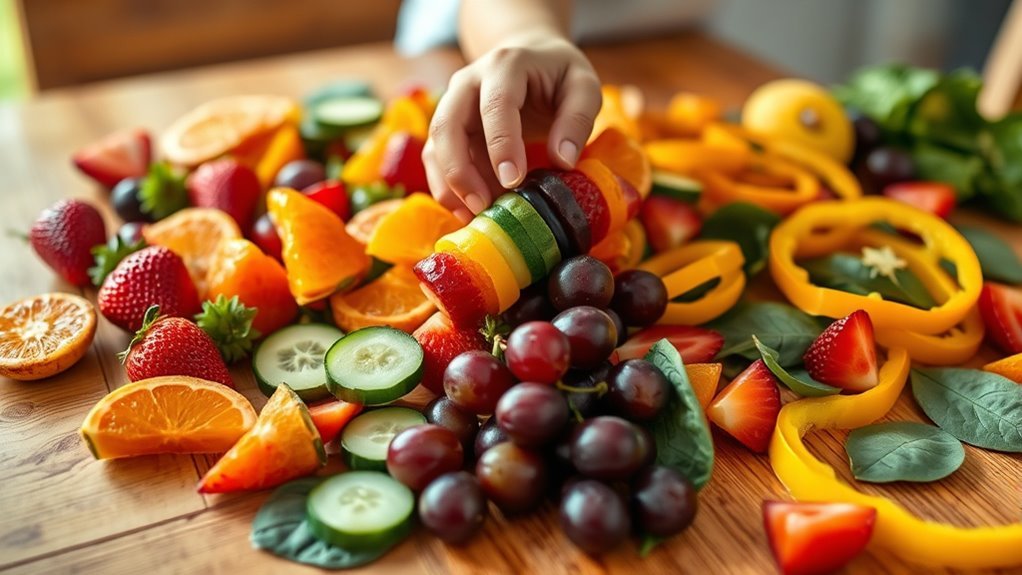
When you offer kids a variety of colorful fruits and vegetables every day, you provide them with essential vitamins, minerals, and antioxidants that support their growth and immune health. Including fresh produce like carrots, strawberries, spinach, and oranges guarantees children get a broad nutrient spectrum indispensable for healthy growth and immune health.
By serving bite-sized pieces of this variety of produce, you encourage kids to explore new flavors and textures, developing healthy habits early on. Offering nutrient-dense foods daily helps establish a strong foundation for children’s nutrition and promotes lifelong preferences for wholesome eating.
The rainbow of colors in fruits and vegetables delivers diverse phytochemicals that play a pivotal role in disease prevention and overall well-being. By consistently incorporating colorful fruits and vegetables into meals, you’re not just feeding their bodies but also empowering them to adopt balanced, nutritious diets that support their active lifestyles and long-term health.
Include Whole Grains and Healthy Protein for Kids
Including whole grains and healthy proteins in your child’s diet guarantees they get the nutrients needed for growth, energy, and development. Whole grains like brown rice and quinoa offer fiber that boosts digestion and keeps children regular.
Healthy proteins such as fish, lean meats, beans, and nuts provide essential amino acids crucial for muscle growth and cognitive function. To create a balanced diet, aim for half of grain intake to be whole grains and include diverse protein sources rich in calcium, iron, and zinc.
This approach supports healthy habits and lifelong wellness.
| Food Group | Benefits | Examples |
|---|---|---|
| Whole Grains | Fiber supports digestion | Brown rice, whole-wheat bread |
| Healthy Protein | Muscle growth, essential nutrients | Fish, beans, eggs |
| Essential Nutrients | Bone health, cognition | Dairy, nuts, seeds |
| Energy & Growth | Sustained energy, development | Quinoa, lean meats |
Build Positive Mealtime Habits and Family Routines

You can help your kids develop healthy eating habits by setting consistent meal and snack times. This creates a predictable routine that makes mealtimes easier for everyone. Try involving them in meal prep and grocery shopping—it’s a great way to spark their interest in nutritious foods. Plus, it gives them a sense of ownership over what they eat. Encourage mindful eating too. Teach them to listen to their hunger and fullness cues during relaxed, pressure-free meals. This way, they learn to enjoy their food and recognize when they’ve had enough.
Establish Consistent Meal Times
How can you help your child develop healthy eating habits that last a lifetime? Establish consistent meal times by creating a regular schedule for family meals and snack times. This routine helps children regulate their hunger cues, making healthy eating more natural and manageable.
When you stick to specific meal times, you support better digestion and nutrient absorption, which is essential for your child’s growth. Consistent mealtime habits also prevent mindless grazing, promoting healthy weight management.
Plus, family meals around set times foster bonding and create a positive environment that encourages kids to try new foods. By prioritizing a steady routine, you’re helping your children build self-discipline and a healthy relationship with food that will benefit them throughout their lives.
Involve Kids In Preparation
When kids help prepare meals, they’re more likely to develop positive attitudes toward healthy eating and enjoy mealtime. Encouraging kids involvement in meal preparation gives them age-appropriate responsibilities like washing vegetables or setting the table.
These simple cooking activities build mealtime confidence and foster healthy eating habits. By making mealtime a family routine that includes children in planning and prep, you create consistency that supports lifelong nutritious food choices.
Plus, involving your child turns meals into fun, engaging experiences, increasing their willingness to try new foods. When kids feel ownership over what they help create, they’re more motivated to eat well and embrace positive attitudes about food.
Encourage Mindful Eating Habits
Although mealtime can sometimes feel rushed or chaotic, establishing consistent family routines helps create a positive environment where kids learn to listen to their hunger and fullness cues. Encourage mindful eating by turning off screens and minimizing distractions during family meals, so your child can focus on their food and recognize these cues.
Involve them in making food choices and preparing healthy foods to boost their interest and independence. Use positive reinforcement to gently introduce new foods, helping build relaxed, healthy eating habits.
Encourage Kids to Explore and Accept New Healthy Foods

You can help your kids accept new healthy foods by offering them again and again—usually about 10 to 15 times. This helps them get familiar with the taste. It also helps if you pair these new foods with flavors they already like. That way, trying something different doesn’t feel so scary. This simple trick encourages your children to explore and enjoy more nutritious options.
Repeated Exposure Benefits
Since kids often need multiple tries to develop a taste for new foods, repeated exposure plays a key role in helping them accept healthy options. When you consistently introduce new foods, you encourage taste development and reduce picky eating by building positive associations.
Patience is essential because children’s acceptance often improves after 10-15 tries. To support this process, try these strategies:
- Introduce new foods in small portions over multiple occasions
- Offer familiar flavors alongside new healthy foods to ease discomfort
- Use gentle encouragement without pressure to create a positive mealtime atmosphere
Pairing With Familiar Foods
When children encounter new foods paired with flavors they already enjoy, they’re more likely to give those healthy options a chance. To encourage your child to try new foods, start by offering small portions alongside familiar foods.
Pairing with familiar flavors, like dips and seasonings they love, can make healthy foods and drinks more appealing. This approach helps reduce resistance and builds positive eating habits for kids.
You can also experiment with different textures and presentations to boost their confidence. Remember, repeated serving of new foods in various ways is key to acceptance.
Limit Processed Foods, Added Sugars, and Saturated Fats to Reduce Battles
Although processed foods and sugary snacks might seem convenient, limiting them can substantially reduce mealtime battles and improve your child’s health. By cutting back on processed foods, added sugars, and saturated fats, you promote a balanced diet that supports healthy growth and children’s health.
Limiting processed foods and sugary snacks supports balanced nutrition and reduces mealtime struggles for healthier kids.
Focus on making nutritious choices by incorporating whole foods like fruits, vegetables, and lean proteins.
Here’s how you can make it easier:
- Check food labels to spot hidden added sugars and saturated fats.
- Swap fried and full-fat dairy items for healthier alternatives.
- Encourage snacks and meals made from minimally processed ingredients.
Reducing processed foods lowers unhealthy additives and excess sodium, while limiting added sugars helps prevent cavities and obesity. Avoiding saturated fats reduces future cardiovascular risks.
Help Kids Stay Hydrated With Healthy Drinks
How can you make sure your child stays properly hydrated every day? Start by making water their go-to beverage, especially for children aged 1 to 8. Water keeps them refreshed without added sugars or extra calories.
For babies 6-12 months, offer 4-6 ounces of water alongside breast milk or formula to support hydration. Once they turn one, introduce pasteurized whole cow’s milk or unsweetened milk alternatives, which provide essential nutrients like calcium and vitamin D.
Limit fruit juice to no more than 4 ounces daily to avoid excess added sugars. Avoid sugary beverages like soda and sports drinks, as they can lead to dental problems and unnecessary calorie intake.
Check nutrition labels carefully to choose healthy drinks free from added sugars. By focusing on water and nutritious beverages, you’ll help your child stay hydrated and support their healthy growth effectively.
Frequently Asked Questions
How Can I Manage Picky Eating During Social Events?
You can manage picky eating during social events by offering familiar healthy snacks beforehand to curb hunger and ease food refusal. Involve your child in choosing foods to respect their preferences, and model positive eating habits yourself.
Use positive reinforcement when they try new foods, even if just a bite. Encourage family meals to build good eating habits and gently address peer influence without pressure, making mealtime strategies supportive and stress-free.
What Are the Best Snacks for Active Kids on the Go?
For the best snacks for active kids on the go, choose healthy snack ideas like homemade snack ideas with nuts, cheese, or yogurt paired with fruit. Opt for portable snack options that are allergy friendly and low sugar snacks to keep energy levels steady.
Nutrient dense snacks like trail mix or whole-grain crackers make perfect energy boosting snacks. Try quick snack recipes that are kid approved, ensuring your child stays fueled and happy wherever they are.
How Does Nutrition Affect My Child’s Sleep Patterns?
Nutrition can make or break your child’s sleep quality. Imagine their brain tossing a wild party without rest! The dietary impact is huge: nutrient deficiencies mess with melatonin regulation and hormonal influence, disrupting restful habits.
Poor nutrition can trigger sleep disorders and wreck bedtime routines, harming brain development. You’ve got to fuel them right to support melatonin production and keep their nervous system calm, ensuring peaceful nights and healthy growth.
When Should I Consider Vitamin Supplements for My Child?
You should consider vitamin supplements when your child has diagnosed vitamin deficiencies or absorption factors affecting nutrient uptake. Supplement timing depends on age-specific needs, especially for infants and picky eaters.
Dietary restrictions like veganism may require supplements, too. Always prioritize natural sources first but seek professional advice to guarantee supplement safety and proper dosage guidelines.
Don’t guess. Consult a healthcare provider before starting any supplements to keep your child’s growth on track.
How Can I Involve My Child in Meal Planning and Preparation?
Don’t put all your eggs in one basket when involving your child in meal planning. Start with child-friendly recipes and grocery shopping together to teach choices. Use interactive cooking and educational food games to make it fun.
Share family meal planning duties, offer meal presentation tips, and discuss portion size tips. Introduce healthy food swaps and always emphasize cooking safety. This hands-on approach builds skills and positive food habits.
Conclusion
Think of your child’s nutrition like planting a vibrant garden. Each colorful fruit, whole grain, and healthy protein is a seed that helps them grow strong and bright.
By nurturing positive mealtime habits, encouraging new tastes, and limiting processed foods, you’re watering that garden with care. Keep offering healthy drinks to keep their energy blooming.
With your guidance, you’re not just feeding their body. You’re cultivating a lifetime of health and happiness.




One Comment