What Does the Cross on Nutrition Facts Mean?
The cross on nutrition facts signals either that a nutrient is absent or present in very small amounts, helping you spot zero or minimal content quickly. It also acts as a warning when certain nutrients, like sodium or added sugars, exceed safe limits, guiding you to make healthier choices.
You’ll find this mark especially useful for managing special diets or avoiding specific ingredients.
Keep going to discover how this symbol helps you navigate nutrition labels smarter.
What Does the Cross Mean on Nutrition Facts Labels?
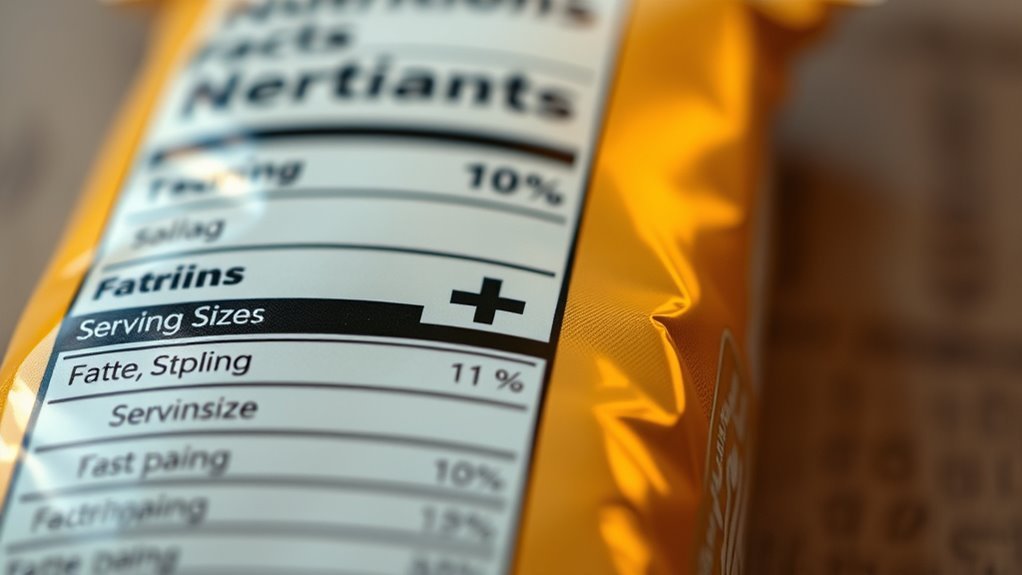
Have you ever noticed a cross symbol on Nutrition Facts labels and wondered what it means? That cross acts as a warning to alert you about high levels of certain nutrients, like sodium or added sugars, in the product.
When you see it, the label is signaling that the nutrient content might exceed the recommended daily value, which could impact your health if consumed in excess. This mark helps you quickly identify foods that may be less healthy, encouraging you to make healthier choices.
Some countries even mandate these crosses as part of front-of-pack labels to make it easier for you to spot products with concerning nutrient profiles. So, whenever you spot that cross on a Nutrition Facts label, consider it a prompt to check the nutrient amounts and think twice before choosing that item, especially if you’re trying to limit your intake of sodium, added sugars, or other nutrients to avoid excess.
Nutrients Marked With a Cross for Zero Content
When you see a cross next to a nutrient on a label, it means that nutrient is virtually absent or below 0.5 grams per serving. You’ll often find common nutrients like trans fats and total sugars marked this way, which makes it easier to spot zero-content quickly. These symbols follow strict labeling rules to keep the information clear and consistent.
Meaning of Nutrient Cross
What does a cross symbol on the Nutrition Facts label tell you? It indicates zero nutrient content for that item, meaning the nutrient isn’t present in measurable amounts per serving. For example, a cross next to trans fats means the product contains zero trans fats.
Food manufacturers use this symbol on food packaging to provide clear dietary information, helping you quickly spot nutrients with zero content. This practice supports food safety and transparency, especially for nutrients with established limits like trans fats.
The cross helps you understand the Daily Value (DV) implications without guessing about hidden food ingredients.
| Nutrient | Cross Symbol Meaning | Example on Label |
|---|---|---|
| Trans Fats | Zero content | 0g (cross) |
| Added Sugars | None present | 0g (cross) |
| Saturated Fat | Not measurable | 0g (cross) |
Common Zero Nutrients
Although nutrient labels vary, you’ll often see a cross symbol indicating zero content for key nutrients like trans fats, total sugars, and added sugars. This cross on the Nutrition Facts label tells you that the food provides zero grams of that nutrient per serving.
It’s a clear way to show that the food doesn’t contribute to your intake of those specific nutrients. Besides the common ones, you might also find a cross marking zero amounts of saturated fat, sodium, or cholesterol.
When you spot a cross next to a nutrient, it means the food contains no measurable amount of it in each serving. This helps you quickly identify foods that fit your dietary needs by highlighting nutrients the product doesn’t provide at all.
Labeling Regulations Explained
Because the FDA sets strict guidelines for nutrient reporting, you’ll see a cross on the Nutrition Facts label whenever a nutrient’s amount falls below a certain threshold. This cross indicates zero grams of that nutrient per serving, following FDA regulations on labeling.
Nutrients like trans fats or added sugars often get marked with a cross when their content is minimal or undetectable within the serving size. While the cross signals that these nutrients are practically absent, tiny traces could still exist but are considered too small to report.
These labeling regulations help you quickly spot products free or nearly free of specific nutrients. So, when you see a cross on nutrition labels, you know the product meets the FDA’s standards for zero or negligible amounts of certain nutrients.
How Can You Tell When to Trust the Cross?
When you see a cross on a Nutrition Facts label, you should pay close attention, especially if it appears next to high %DV values for nutrients like saturated fat, sodium, or added sugars. This symbol acts as a warning, signaling that nutrient levels exceed a set nutrient threshold and may pose a health risk.
You can trust the cross most when it accompanies a high %DV of 20% or more for these nutrients, as regulatory guidelines often require this caution to help you make informed choices. Color coding, such as red highlights, usually supports the cross, making it easier to identify excessive nutrients quickly.
However, the cross alone doesn’t offer detailed nutrient data. It’s a prompt to review the label carefully. Proper label interpretation means recognizing that the cross flags potential issues based on regulatory standards designed to protect your health by alerting you to cautionary nutrient levels.
Using the Cross to Spot Zero Nutrients Quickly
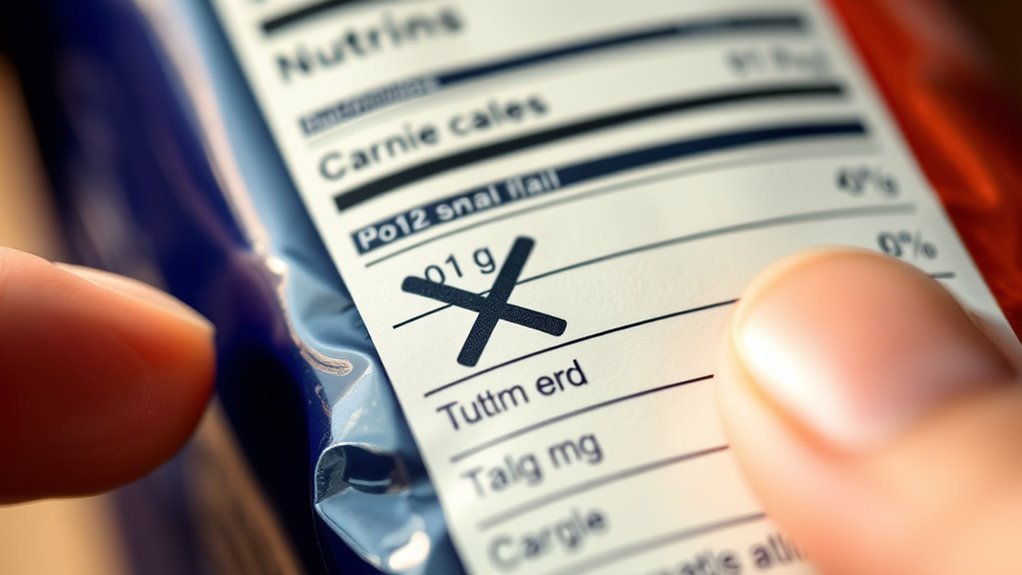
When you see a cross on the Nutrition Facts label, it means that nutrient is either absent or present in such tiny amounts that it doesn’t really count. So, it’s a quick way to know if something like trans fats or added sugars isn’t there.
Basically, that little cross helps you spot foods that have little to no unwanted ingredients without having to dig through all the details. Makes it way easier to choose healthier options in a snap!
Meaning Of The Cross
How can you quickly spot nutrients that are completely absent in a food product? The cross on Nutrition Facts labels helps you do just that. When you see a cross next to a nutrient, it means the amount per serving is zero or negligible.
This simple symbol lets you identify at a glance which nutrients are missing or present in such small amounts that they don’t affect your diet. For you as a consumer, the cross on the label is a handy tool to differentiate between meaningful nutrient content and zero values.
It’s especially useful for spotting zero trans fats, zero added sugars, or zero saturated fat. Using the cross saves you time when comparing products and helps you make informed, healthier choices quickly.
Identifying Zero Nutrients
Although it might seem small, the cross symbol on Nutrition Facts labels plays a big role in helping you identify zero nutrients quickly. This simple cross shows when a nutrient is absent or present only in negligible amounts, usually less than 0.5 grams per serving.
When you see a cross next to saturated fat, added sugars, or sodium, it means the product contains zero nutrients of that type. This makes it easier for you to compare food choices.
The cross acts as a clear visual cue in food labeling, allowing you to spot items free of nutrients you may want to limit. By paying attention to this symbol, you can quickly assess nutrient content and make smarter decisions about what you eat.
How the Cross Supports Special Dietary Needs
Because the cross symbol highlights products meeting specific health standards, it helps you quickly identify foods that suit your dietary needs. When you spot this symbol on Nutrition Facts labels, you know the product has been verified to align with certain dietary restrictions and requirements.
The cross symbol quickly identifies foods verified to meet your specific dietary needs and restrictions.
This makes it easier to find foods that fit your special diets or dietary patterns without guesswork. The cross often signals endorsement from trusted health organizations, ensuring the product is allergen-free or meets low levels of nutrients you might want to limit, such as sodium or saturated fat.
This support allows you to make informed nutritional choices that match your dietary needs.
Here’s how the cross supports your special dietary needs:
- Indicates products verified to meet specific health standards
- Marks allergen-free or additive-free foods
- Aligns with special diets like vegan or gluten-free
- Highlights products low in nutrients you need to limit, such as sodium
This symbol simplifies finding foods tailored to your dietary requirements.
Tips for Using the Cross to Choose Healthier Foods
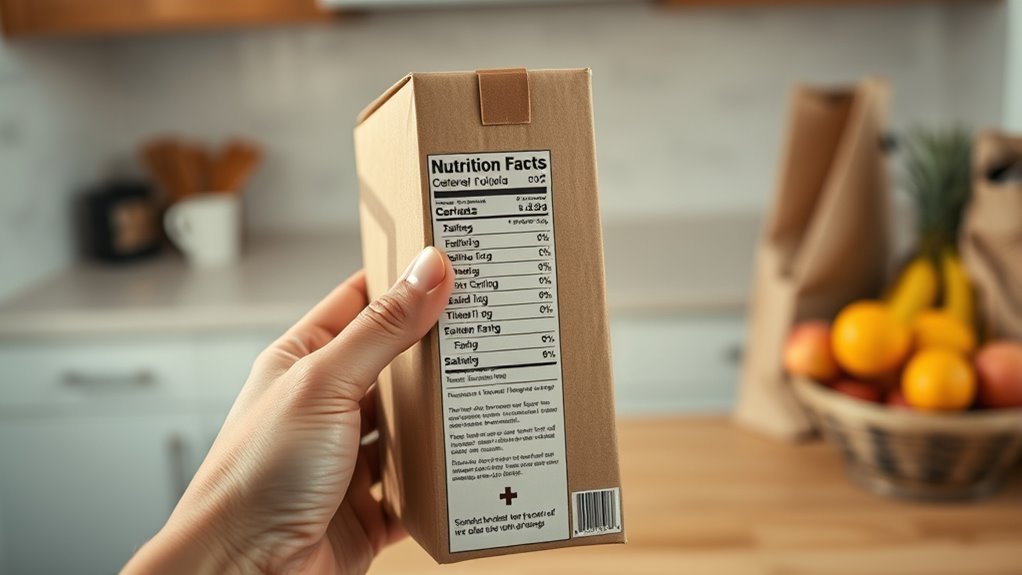
When you see the cross symbol on a Nutrition Facts label, use it as a quick alert to check the nutrient levels, especially for saturated fat, sodium, or added sugars. This cross highlights nutrients to limit, often showing a % Daily Value of 20% or more, signaling the food is high in these components.
To make healthier options, compare different products and choose those without the cross or with lower %DV for these nutrients. Using the cross alongside the Daily Value helps you spot foods that could lead to excessive intake if eaten frequently.
Keep in mind, foods marked with the cross should be enjoyed in moderation rather than avoided completely. By paying attention to the cross and nutrient percentages, you’ll make smarter food choices that support your health goals.
This simple symbol on the Nutrition Facts label makes it easier for you to identify and limit foods high in saturated fat, sodium, and added sugars in your diet.
How the Cross Differs From Other Nutrition Label Symbols
While many nutrition label symbols aim to highlight positive attributes of a product, the cross symbol stands out by warning you about high levels of nutrients like saturated fat, sodium, or added sugars. This symbol serves as a caution, alerting you to potentially unhealthy nutrients that should be consumed in moderation.
Unlike check marks or heart icons that promote healthier choices, the cross directly signals a need for consumer awareness about elevated nutrient levels.
Here’s how the cross differs from other nutrition label symbols:
- It functions as a front-of-package warning rather than an endorsement.
- It highlights nutrient levels you should limit for better health.
- It contrasts with symbols that communicate health benefits or claims.
- It enhances health communication by clearly marking caution zones on labels.
This clear label difference helps you make informed decisions and better manage your diet’s nutrient intake.
Frequently Asked Questions
Can the Cross Symbol Vary by Country or Region?
Yes, the cross symbol can definitely vary by country or region due to regional variations and cultural interpretations. You’ll notice cross design differences influenced by country-specific standards and regional regulations.
Since symbol consistency isn’t universal, localized labeling reflects cultural symbolism and geographic compliance. When you check nutrition facts, understanding regional health guides helps you interpret the cross accurately based on the regional context and labeling practices.
Is the Cross Used on All Types of Food Packaging?
The cross symbol meanings aren’t painted with one brush. It’s not used on all types of food packaging. Depending on packaging design and labeling regulations, you’ll see it mainly on products highlighting health claims or food safety symbols.
Its use varies with packaging standards and regulatory compliance, affecting symbol recognition and consumer awareness. Marketers pick symbols carefully, blending regulatory rules with marketing strategies. This way, the cross pops where it truly matters to you.
How Often Are Nutrition Labels With Crosses Updated?
You’ll find nutrition labels with crosses updated irregularly, driven by changes in regulatory standards and industry standards. Companies adjust label design to improve symbol recognition and labeling accuracy, balancing packaging aesthetics with marketing strategies.
These updates also consider cultural differences and health implications that influence consumer perception. While major revisions follow official guidance, brands refresh their labels more often to stay relevant and clear, ensuring their nutritional info resonates well with you.
Does the Cross Indicate Organic or Non-Gmo Status?
Don’t be fooled by the cross. It doesn’t wave a flag for organic certification or GMO labeling. When you shop, regulatory bodies follow strict labeling standards and a rigorous certification process to guarantee consumer awareness and food safety.
The cross is just a design quirk, not a signal of health implications or industry standards. To spot true organic or non-GMO status, look for official seals, not random symbols on the label.
Are There Regulations Governing the Use of the Cross Symbol?
No, there aren’t any industry regulations or packaging standards that govern the use of the cross symbol on nutrition labels. Because label symbolism isn’t standardized, you’ll often see labeling discrepancies driven by marketing strategies rather than regulatory compliance.
This can affect consumer trust and cause confusion around health claims. To stay informed, focus on the actual nutritional info, as international differences and lax regulations mean the cross carries no guaranteed meaning.
Conclusion
Think of the cross on nutrition facts like a clear signpost in a dense forest of information, guiding you swiftly to zero-content nutrients. It’s your trusty compass, helping you dodge unwanted ingredients and steer toward healthier choices.
By spotting these crosses, you navigate your dietary path with confidence, making smarter decisions that support your unique needs. So, next time you shop, let the cross be your beacon in the maze of nutrition labels.