
How to Plan Meals for the Month in 10 Easy Steps
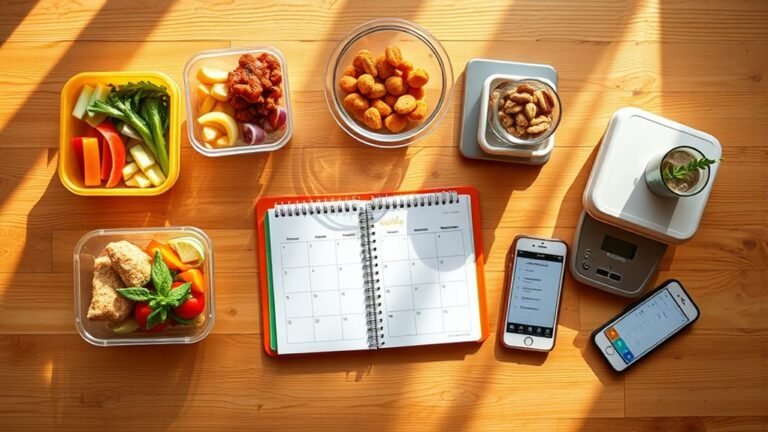
To plan meals for the month in 10 easy steps, start by choosing a meal planning format that suits you and listing your family’s favorite dishes and staples.
Assign regular meals and themed nights to simplify choices, then add flexibility with leftovers and takeout days.
Create a master grocery list and use mini lists for quick meal prep.
Set weekly time to review and adjust your plan, keeping it fresh and manageable.
Keep going to discover tips that make monthly planning even smoother.
Why Plan Your Meals Monthly?
Although planning meals daily might seem manageable, planning your meals monthly gives you a clear overview that cuts down on last-minute decisions and unnecessary grocery runs. With monthly meal planning, you’ll create a detailed plan that guides your grocery shopping, so you buy only what you need for the entire month.
This approach helps prevent food waste by reducing impulse buys and keeping ingredients from spoiling. You’ll also save time by shopping less frequently, armed with an organized list based on your planned dishes.
Beyond convenience, monthly meal planning supports budget management by helping you avoid costly takeout or last-minute purchases. Plus, it encourages variety and balance, letting you plan different cuisines and dietary needs in advance.
Pick a Format for Your Meal Plan
You’ll want to pick a meal planning format that fits your style. Maybe that’s a printable calendar, a spreadsheet, or a digital app. Each option has its perks, so think about what makes it easiest for you to organize and update your plan. Choosing the right method upfront will keep your meal planning simple and flexible all month long.
Choose Planning Method
When selecting a format for your meal plan, choose one that matches your organization style and makes editing simple. Whether you prefer a printable calendar, spreadsheet, or digital app, pick a meal planning template designed for monthly use to save time and maintain consistency.
Make sure your method offers flexibility so you can easily update meals as your schedule or cravings change. Incorporate visual cues like color coding to quickly identify meal types or special occasions at a glance.
Also, select a format that integrates well with your grocery list system to streamline shopping and meal prep. By choosing the right planning method, you’ll keep your month organized and reduce stress around meal decisions.
Format Options Explained
Since your meal planning method sets the foundation for your entire month, choosing the right format is essential. You can pick from printable calendars, digital spreadsheets, or template-based lists.
Printable templates offer a visual, tangible way to see your meals at a glance, perfect if you prefer paper. On the other hand, spreadsheets like Excel or meal planning apps let you quickly edit and track favorites or new recipes.
Adding color coding or symbols in any format helps you easily spot meal types, special nights, or leftovers. Ultimately, the best format depends on your tech comfort and personal preference.
Whether you want a neat printable or a flexible digital spreadsheet, selecting the right template will streamline your meal planning and keep you organized all month long.
List Your Family’s Favorite Meals and Staples
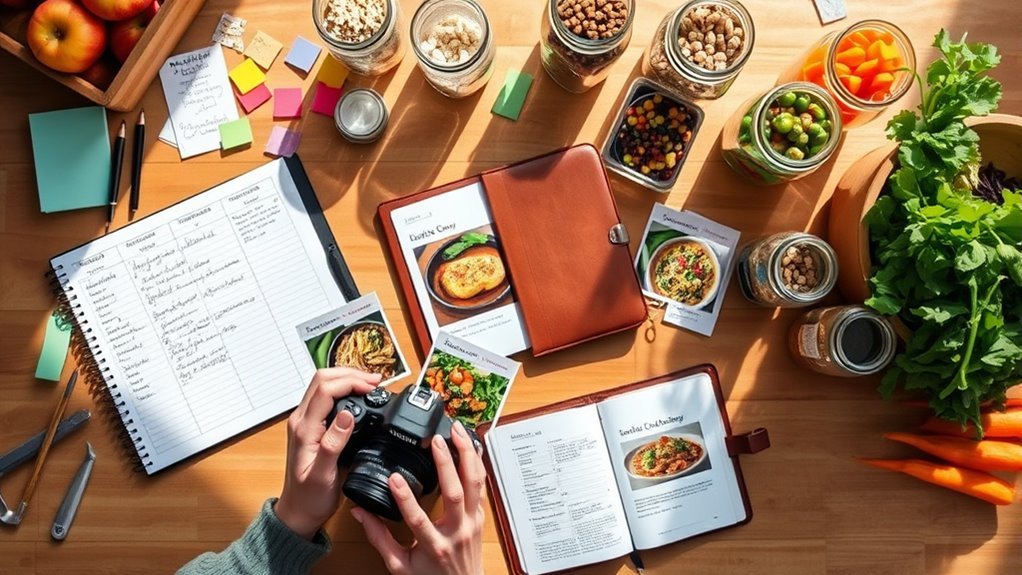
Although meal planning can seem overwhelming, listing your family’s favorite meals and staples simplifies the process. Start by jotting down easy-to-prepare, family-approved dishes that everyone loves. This collection becomes your go-to during weekly meal planning, ensuring your menu stays enjoyable and stress-free.
Don’t forget to include staples like rice, pasta, canned beans, and frozen vegetables. These ingredients speed up meal assembly and keep your kitchen ready for any recipe.
For efficient recipe organization, use a dedicated notebook, digital document, or recipe app to store your favorite meals and staples. This system saves time searching and helps you spot gaps or opportunities to try new dishes.
Update your list regularly with seasonal ingredients and new recipes to keep meals fresh and exciting. By organizing your favorites and staples thoughtfully, you create a reliable foundation that streamlines monthly meal planning and keeps your family satisfied.
Assign Regular Meals in Your Monthly Meal Plan
Start by setting weekly meal themes to create a simple, predictable routine that your family can look forward to. It really helps to pick consistent favorites and anchor dinner nights—think taco Tuesdays or pizza Fridays. This way, you save time deciding what to cook. Just make sure to mark these regular meals clearly in your plan to keep things organized and stress-free.
Establish Weekly Meal Themes
When you assign specific themed nights like Taco Tuesday or Pasta Sunday, you create a predictable meal routine that simplifies planning and shopping. Establishing weekly themes helps you streamline meal planning, reduces decision fatigue, and organizes your grocery lists by grouping similar ingredients.
By rotating cuisines under each theme, you keep meals exciting while sticking to a routine. Clearly marking these themes on your calendar guarantees everyone knows what’s for dinner.
| Day | Theme | Example Meal |
|---|---|---|
| Tuesday | Taco Tuesday | Chicken Tacos |
| Friday | Pizza Friday | Margherita Pizza |
| Sunday | Pasta Sunday | Spaghetti Bolognese |
Use these weekly themes to create structure and ease in your monthly meal planning.
Identify Consistent Family Favorites
Since familiar meals bring comfort and ease, assigning specific days for your family’s favorites in your monthly plan can make dinner decisions much simpler. Designate recurring meals like pizza Fridays or pasta Sundays to create a predictable meal routine everyone looks forward to.
Keep a list of your top family favorites and rotate them regularly to maintain variety without extra stress. This approach reduces decision fatigue and streamlines grocery shopping by focusing on familiar ingredients.
Setting these recurring meals helps children anticipate their favorites and allows them to participate in planning. By incorporating consistent family favorites into your monthly plan, you build a dependable structure that satisfies everyone while saving time and effort throughout the month.
Schedule Anchored Dinner Nights
Although meal planning can feel overwhelming, scheduling anchored dinner nights gives your month a reliable rhythm that simplifies decisions. Assign specific days in your weekly schedule to routine dinners like pizza Fridays or pasta Sundays.
These anchored nights act as dependable landmarks in your meal planner, making grocery shopping and meal prep more efficient. Highlight these regular meals in your calendar to guarantee they’re easy to remember and stick to.
You can also add themed or special occasion dinners on certain anchored nights to keep things exciting. By maintaining fixed, recurring meals, you cut down on decision fatigue and create a steady structure that supports your monthly meal planning routine. This approach helps you stay organized and stress-free all month long.
Add Flexibility With Leftovers and Takeout Days
Adding flexibility to your meal plan by including leftover nights and takeout days helps you stay on track without feeling overwhelmed. Designate one leftover night each week to reduce food waste and save time. Use leftovers creatively. You can transform roasted vegetables into soups or salads or repurpose proteins for new meals. This approach not only stretches your ingredients but also adds variety without extra effort.
Incorporate regular takeout or dine-out days to break the routine and prevent meal planning fatigue. These days offer a chance to relax and recharge, making your plan sustainable. Keep a stash of pre-made or frozen meals for busy nights. This gives you quick, reliable options. Balancing leftovers, takeout, and flexible meal planning lets you adapt to your week’s demands while maintaining healthy, satisfying dinners. This flexibility keeps your meal plan realistic and enjoyable so you won’t feel trapped by rigid schedules.
Incorporate New Recipes to Keep Things Interesting

To keep your meal plan fresh and exciting, introduce one new recipe each week. This approach guarantees meal variety without overwhelming your routine. It lets you enjoy new flavors while sticking to your monthly plan. Organizing your new recipes is key. Use Pinterest boards or recipe apps to save dishes you want to try, keeping your recipe organization streamlined and accessible.
Here are three tips to incorporate new recipes smoothly:
- Test new recipes on less busy nights to avoid stress and make sure you have enough prep time.
- Maintain a “try” list and update it with family feedback and successful dishes for future planning.
- Gradually balance new recipes with familiar favorites so your monthly plan stays exciting yet manageable.
Following this method helps you expand your culinary repertoire while keeping a practical and enjoyable meal routine.
Create a Master Grocery List
Start by organizing all your ingredients into one master list. This keeps things simple and clear. Then, group items by store sections like produce, meat, pantry, and frozen. Doing this makes your shopping trips faster and more efficient. That way, you won’t waste time backtracking or forgetting key ingredients.
Organize Ingredients Efficiently
Although meal planning can be exciting, organizing your ingredients efficiently is key to a smooth shopping experience. Creating a master grocery list helps you keep track of everything you need, avoiding last-minute store runs.
To organize ingredients efficiently, follow these steps:
- List all ingredients for your planned meals and include staples you regularly use.
- Update your grocery list regularly to reflect new recipes and household needs.
- Use digital tools or apps to maintain and modify your list quickly.
Categorize By Store Sections
Once you’ve gathered all your ingredients, arranging your grocery list by store sections can make shopping faster and less stressful. When you organize your list into categories like produce, dairy, meats, and pantry staples, you’ll move through the store more efficiently without backtracking.
This approach not only saves time but also helps you spot essentials you might otherwise overlook, such as spices or frequently used items. By creating a master grocery list sorted by store sections, you guarantee you have everything needed for your monthly meal planning in one trip.
This organization streamlines your shopping experience and keeps you focused, making meal prep easier and more manageable throughout the month.
Use Mini Lists for Your Go-To Meals
When you create mini lists of your family’s favorite quick and easy meals, you make monthly meal planning much faster and less stressful. These mini lists help you organize go-to meals into categories like pasta, tacos, or salads. That way, you can pick meals quickly without overthinking.
Plus, having mini grocery lists for each meal simplifies grocery shopping and meal prep, saving you time and effort.
Here’s how to use mini lists effectively:
- Compile your family’s favorite go-to meals and group them by type.
- Create a mini grocery list for each meal to streamline shopping.
- Regularly update your lists with new or seasonal favorites to keep things fresh.
Schedule Weekly Time to Review and Adjust Your Plan
Since your meal plan needs to stay flexible, set aside a consistent weekly time, like Saturday or Sunday, to review and adjust it. This weekly review lets you assess how well your plan is working, use up leftovers, and add new recipes or changes for upcoming events. By scheduling about 30 minutes to an hour each week for meal plan adjustment, you keep your plan current and avoid last-minute stress.
During this time, review your grocery list and shopping schedule to make sure you buy only what you need for the week ahead. This helps prevent food waste and streamlines your shopping trips. Sticking to a regular schedule for these reviews keeps your meal planning manageable and efficient, so you can enjoy more variety and less hassle throughout the month.
Review and Update Your Meal Plan
Setting aside time each week to review your meal plan naturally leads to updating it regularly. This habit helps you keep your meals aligned with your schedule, tastes, and seasonal ingredients. When you review your plan weekly, you can spot meals that no longer fit and swap them out for favorites or new recipes. This keeps variety fresh.
To effectively review and update your meal plan, focus on these three steps:
- Reflect on past meals and leftovers to identify what worked and what didn’t.
- Remove meals that no longer suit your needs and add new or preferred options.
- Adjust your grocery list accordingly to guarantee you have all necessary ingredients.
Frequently Asked Questions
How Can Meal Planning Save Money in the Long Run?
Meal planning saves you money long term by using budget strategies that focus on buying only what you need. With smart shopping list tips, you avoid impulse buys and reduce food waste.
Cost effective recipes help you cook nutritious meals without overspending. Plus, meal prep techniques let you batch cook and use leftovers, cutting down on dining out.
Together, these habits keep your grocery bills lower and your wallet happier.
What Are the Best Apps for Monthly Meal Planning?
The best apps for monthly meal planning are Mealime, Yummly, and Plan to Eat. They help you with recipe organization and create grocery lists tailored to your meals.
You’ll find features for portion control to avoid waste and suggestions for seasonal ingredients to keep things fresh. Plus, these apps often sync with grocery delivery services, making it easier for you to shop directly from your meal plan.
How Do I Accommodate Dietary Restrictions in a Monthly Plan?
You accommodate dietary restrictions in your monthly plan by identifying gluten allergies, vegan options, low sodium meals, and nut free recipes upfront. Choose or adapt recipes that fit these needs, using allergy-friendly cookbooks or labels to guide you.
Mix nutrient-rich foods to keep meals balanced. Don’t forget to communicate restrictions clearly with anyone helping you cook or shop, so everyone’s on the same page and your plan runs smoothly.
Can Meal Planning Help Reduce Food Waste Effectively?
Absolutely, meal planning can be your secret weapon against food waste. By using smart shopping list strategies, you’ll buy only what you need, avoiding impulse buys.
Portion control helps you serve just the right amount, so less ends up in the trash. Combine that with food storage tips and leftover ideas, and you’re maximizing every bite.
It’s like turning potential waste into delicious opportunities, saving both money and the planet.
How Do I Involve Family Members in Meal Planning?
To boost family involvement, ask everyone to pick favorite meals and suggest new recipes. This turns meal prep collaboration into a fun activity. Share a weekly meal plan and create shared grocery lists so everyone feels connected.
Assign cooking responsibilities based on age or skill, like setting the table or washing veggies. Holding family meetings to discuss preferences and chores keeps everyone engaged and makes meal planning a team effort.
Conclusion
Planning your meals monthly can save you up to 2 hours a week and reduce food waste by 30%. By choosing a format, listing favorites, and scheduling review times, you’ll make mealtime stress-free and efficient.
Don’t forget to add flexibility with leftovers and takeout days, and keep your grocery lists handy. With these steps, you’ll enjoy healthier, budget-friendly meals while gaining more time for what matters most. Start planning today!