7 Steps to an Anti-Inflammatory Meal Plan for Weight Loss
To create your anti-inflammatory meal plan for weight loss, start by understanding how inflammation hinders fat loss and appetite control.
Avoid processed foods, added sugars, refined grains, and seed oils that fuel inflammation.
Focus on colorful fruits, leafy greens, lean proteins, and healthy fats.
Plan balanced meals with simple recipes using nutrient-rich ingredients and anti-inflammatory spices like turmeric and ginger.
Gradually adopt these habits for lasting success, and you’ll find practical tips to make this lifestyle both enjoyable and effective.
How Inflammation Impacts Weight Loss and Your Diet
Although you might not realize it, chronic inflammation can seriously sabotage your weight loss efforts. When your immune system stays in overdrive, inflammation triggers insulin resistance, making it tough for your body to manage blood sugar and fat storage.
Inflammatory compounds like cytokines encourage fat buildup, especially around your abdomen, which blocks your weight loss goals. Plus, inflammation messes with appetite hormones like leptin and ghrelin, increasing hunger and cravings.
You might also feel more fatigued and experience joint pain, cutting down your motivation to stay active. To fight this, focus on an anti-inflammatory diet rich in antioxidants and healthy fats, which helps calm inflammation and supports your metabolism.
Avoid processed foods that fuel inflammation and instead nourish your body with whole, nutrient-dense options. Especially if you have autoimmune conditions, managing inflammation is essential for effective weight loss and overall health.
Avoid Inflammatory Foods That Block Weight Loss
To support your weight loss goals, you need to cut out foods that trigger inflammation. Processed foods like microwave dinners, baked goods, and processed meats contain inflammatory compounds such as trans fats and advanced glycation end-products (AGEs) that block fat-burning and slow metabolism.
Added sugars found in cookies, candies, sugary drinks, and flavored yogurts increase insulin resistance, fueling inflammation that stalls weight loss. Refined grains, including white rice and white bread, spike blood sugar and perpetuate chronic inflammation.
Seed oils like soybean and corn oil, common in deep-fried foods and many processed snacks, also contribute to systemic inflammation. Avoiding these inflammatory foods is essential because they create an internal environment that makes shedding pounds much harder.
Choose Anti-Inflammatory Foods to Support Weight Loss
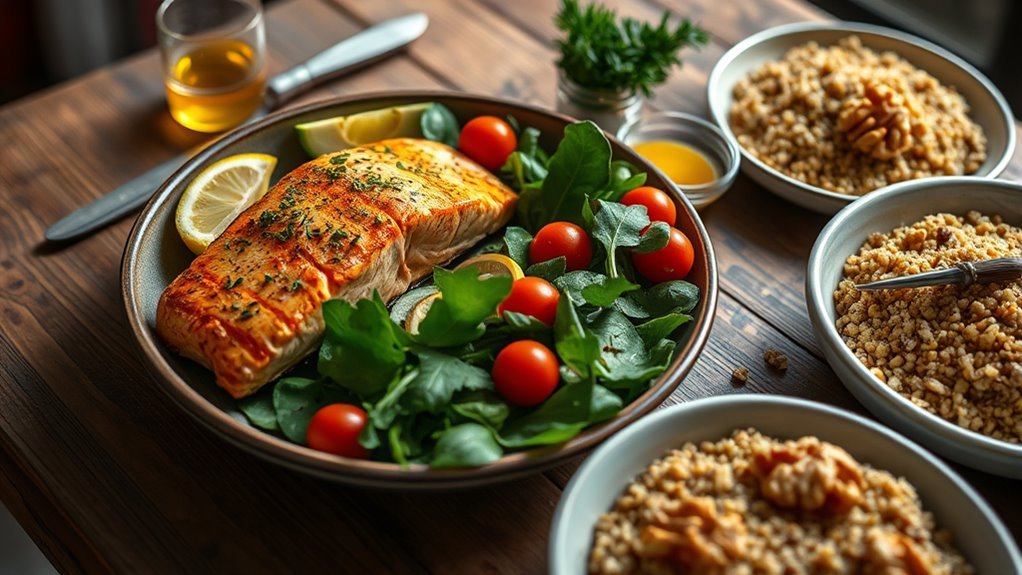
You can really boost your weight loss efforts by choosing anti-inflammatory foods that nourish your body and help reduce inflammation. Think about focusing on fiber-rich fruits, vegetables, whole grains, and omega-3 sources like fatty fish and walnuts. These foods support your metabolism and keep you feeling full longer.
Plus, adding spices like turmeric and ginger doesn’t just enhance the flavor of your meals—it also brings extra health benefits without adding any extra calories. It’s an easy and tasty way to give your body a little extra support!
Anti-Inflammatory Food Choices
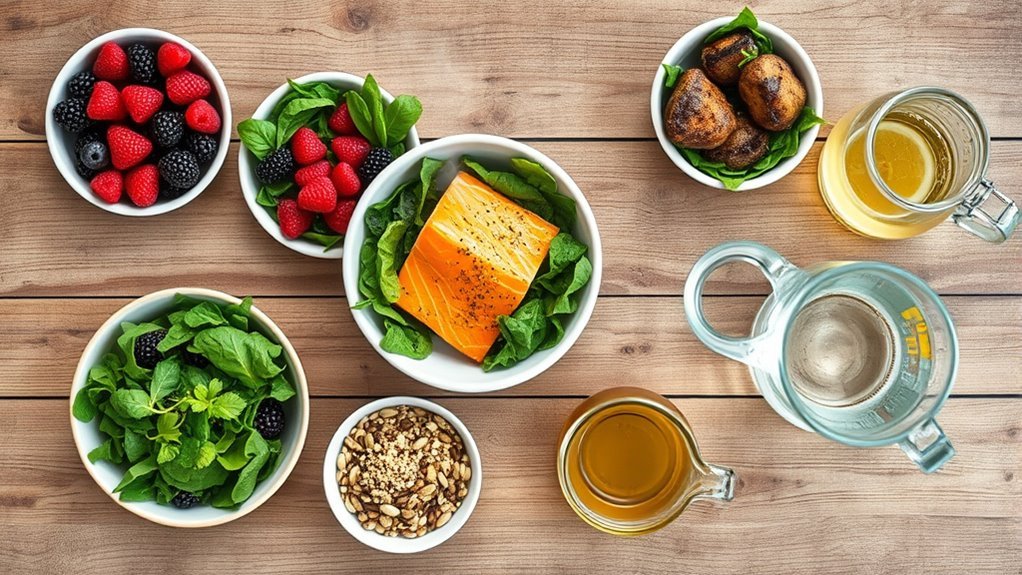
When you focus on anti-inflammatory food choices, you give your body the nutrients it needs to fight inflammation and support weight loss. Incorporate colorful fruits and vegetables like berries and leafy greens for antioxidants.
Choose healthy fats such as avocados, nuts, and olive oil to provide omega-3 fatty acids. Prioritize lean proteins like salmon, poultry, and legumes. Use spices and herbs like turmeric and ginger to reduce inflammation.
Avoid processed foods, refined carbs, and added sugars that promote inflammation and hinder progress.
| Food Group | Examples | Benefits |
|---|---|---|
| Fruits & Vegetables | Berries, bell peppers | Rich in antioxidants |
| Healthy Fats | Avocados, nuts, olive oil | Provide omega-3 fatty acids |
| Lean Proteins | Salmon, poultry, legumes | Aid weight loss and reduce inflammation |
Weight Loss Nutrient Benefits
Building your meal plan around anti-inflammatory foods not only fights inflammation but also boosts the nutrients that support weight loss. Foods like fatty fish, leafy greens, and whole grains provide antioxidants and fiber, which improve metabolism and keep you feeling full longer, reducing calorie intake.
These nutrient benefits help regulate hormones tied to hunger and satiety, making it easier to manage portion control. Including spices like turmeric and ginger can further reduce inflammation-related insulin resistance, supporting your weight loss goals.
Plan Balanced Anti-Inflammatory Meals for Every Day
Although planning balanced anti-inflammatory meals might seem challenging at first, incorporating a variety of colorful fruits, vegetables, whole grains, lean proteins, and healthy fats into your daily diet makes it manageable and effective. Aim to fill half your plate with colorful vegetables rich in antioxidants, a quarter with lean protein, and the remaining quarter with whole grains or legumes.
This balance supports inflammation reduction and weight loss. Using meal prep and batch cooking strategies helps you maintain access to nutritious, anti-inflammatory meals throughout the week without last-minute stress. Focus on whole foods and limit processed items, refined carbs, and added sugars to keep inflammation at bay.
Prioritizing healthy fats like olive oil, nuts, and seeds further complements your balanced diet. By consistently planning and preparing your meals this way, you’ll stay on track with your anti-inflammatory goals while enjoying flavorful, satisfying dishes every day.
Add Spices and Herbs to Boost Anti-Inflammatory Benefits
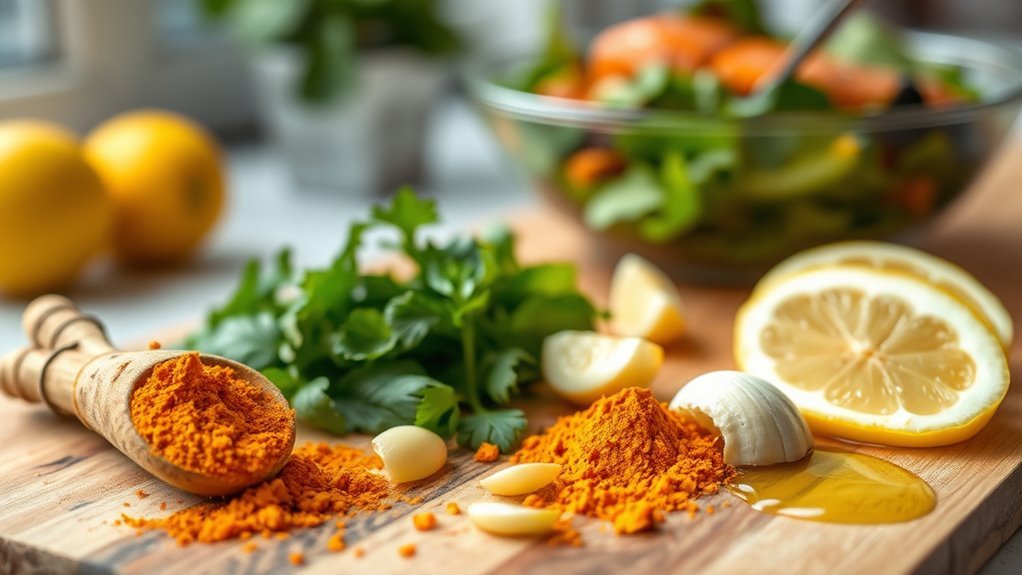
You can boost your meals’ anti-inflammatory power by adding turmeric. It’s especially effective when paired with black pepper, which helps your body absorb it better. Ginger is another great option—it adds a nice kick of flavor along with inflammation-fighting benefits.
And don’t forget about herbs like basil, oregano, and rosemary. They not only make your dishes taste amazing but also bring extra antioxidants to the table. Adding these spices and herbs is an easy way to give your meals a healthy boost!
Benefits of Turmeric
One key spice you should add to your anti-inflammatory meal plan is turmeric, thanks to its powerful compound curcumin. Curcumin has strong anti-inflammatory and antioxidant effects that help reduce inflammation and support joint health.
When you pair turmeric with black pepper, which contains piperine, your body can absorb curcumin up to 2,000% better. This combo is especially helpful if you deal with arthritis or chronic inflammation.
Adding turmeric to your meals or drinks like teas and smoothies can make a real difference in managing inflammation.
- Curcumin lowers inflammation markers like C-reactive protein (CRP)
- Regular turmeric use reduces arthritis pain and improves joint health
- Piperine boosts curcumin’s absorption for maximum benefits
Including turmeric is a simple, natural way to fight inflammation and protect your body.
Using Ginger Effectively
Turmeric’s benefits highlight how powerful spices can be in fighting inflammation, and ginger offers equally impressive anti-inflammatory properties. You can easily add ginger to your meal plan by using fresh or ground forms in teas, smoothies, marinades, and stir-fries.
Fresh ginger has higher bioavailability, meaning your body absorbs its active compounds like gingerol more effectively, boosting its antioxidant and anti-inflammatory impact. Consuming 1-2 grams of ginger daily may reduce chronic inflammation and ease joint pain.
Combining ginger with other anti-inflammatory spices enhances these benefits, making your meals both flavorful and healing. By incorporating ginger thoughtfully, you strengthen your body’s defenses against inflammation while enjoying diverse, tasty dishes that support weight loss and overall health.
Flavorful Herb Combinations
Although spices and herbs often play a supporting role in meals, they can markedly boost your anti-inflammatory efforts when combined thoughtfully. Using anti-inflammatory herbs like turmeric, garlic, oregano, and basil in flavorful combinations not only enhances taste but also helps reduce inflammation.
Incorporate antioxidant-rich herbs and spices into seasoning blends, marinades, and dressings to maximize their benefits. Fresh herbs such as cilantro, parsley, and rosemary pack polyphenols that fight oxidative stress, supporting your weight loss journey.
Rotate herbs and spices regularly for a broad spectrum of anti-inflammatory phytochemicals. Use spices like cinnamon, cumin, and cayenne pepper to lower inflammatory markers.
Create marinades and seasoning blends to release potent health benefits. Add these herbs and spices to your meals and elevate both flavor and wellness.
Cook Simple Recipes for an Anti-Inflammatory Meal Plan
When you focus on simple recipes with 5 to 10 main ingredients, you’ll save time and reduce stress in the kitchen. Choosing anti-inflammatory recipes that use fresh ingredients and whole foods makes quick meal prep easier and healthier.
Opt for healthy cooking methods like baking, steaming, or sautéing to preserve nutrients and minimize inflammation. Preparing components ahead of time, such as chopping vegetables or cooking grains, streamlines meal assembly. This way, you can whip up easy meal ideas even on busy days.
Using kitchen tools like slow cookers or pressure cookers helps you maintain nutrient preservation while making cooking less physically demanding. By sticking to simple, straightforward recipes, you not only support your weight loss goals but also create meals that are both nourishing and satisfying.
Embracing these strategies turns healthy cooking into a manageable and enjoyable part of your daily routine.
Ease Into an Anti-Inflammatory Diet for Lasting Success
Starting an anti-inflammatory diet doesn’t mean you have to change everything overnight. To guarantee long-term success, ease into it by making small, consistent adjustments.
Gradually replace processed foods with whole foods to help your body adapt and support sustainable weight loss. Slowly introduce colorful fruits and vegetables so your digestive system adjusts without feeling overwhelmed.
Adding anti-inflammatory spices and seasonings like turmeric and ginger bit by bit enhances flavor while preventing digestive discomfort.
Focus on meal planning and experimenting with simple recipes to build confidence and establish healthy eating habits. Here’s how to get started:
- Swap one processed snack daily for a whole food option
- Add a new colorful vegetable to your meals each week
- Incorporate anti-inflammatory spices gradually into your dishes
Frequently Asked Questions
How Does Stress Affect Inflammation and Weight Loss?
Stress affects inflammation and weight loss by triggering your stress response, which raises cortisol levels. High cortisol promotes inflammation and can lead to emotional eating, making weight loss harder.
Chronic stress keeps stress hormones elevated, worsening inflammation and fat storage. You can counter this by practicing mindfulness techniques and stress management.
Using relaxation methods helps lower cortisol, reduce inflammation, and support your weight loss goals effectively.
Can Intermittent Fasting Complement an Anti-Inflammatory Diet?
Absolutely, adopting an approach like intermittent fasting can amplify anti-inflammatory advantages. By balancing meal timing and fasting windows, you boost inflammation reduction and improve insulin sensitivity.
This calorie restriction not only revs up your metabolic rate but also restores hormonal balance, making weight management more manageable. When you sync intermittent fasting with an anti-inflammatory diet, you’re setting yourself up for stronger, sustainable results in both inflammation control and overall health.
What Role Does Sleep Play in Managing Inflammation?
Sleep plays a vital role in managing inflammation by improving sleep quality and supporting your circadian rhythm. When you regulate cortisol through consistent bedtime routines, you reduce stress-related inflammation.
Proper dream cycles and melatonin production help your body repair and fight inflammation. Avoid sleep deprivation since it spikes inflammation, but short naps can provide benefits by lowering stress.
Prioritize good sleep habits to keep inflammation in check and boost overall health.
Are Supplements Necessary for an Anti-Inflammatory Meal Plan?
Think of supplements as a gentle breeze rather than a roaring wind in your anti-inflammatory journey. You don’t necessarily need them if your dietary sources provide essential nutrients robustly.
However, supplement benefits can fill gaps when natural remedies fall short. Pay attention to supplement timing and potential risks, and always seek expert advice.
Confirm quality assurance to avoid pitfalls. Ultimately, supplements can support but shouldn’t replace a balanced diet rich in whole foods.
How Can I Stay Motivated During My Weight Loss Journey?
You can stay motivated by setting clear goals and tracking your progress regularly. Practice mindful eating to truly enjoy your meals and avoid overeating.
Meal prepping saves time and keeps you on track, while hydration strategies boost energy. Build a support network for encouragement, use positive affirmations to maintain confidence, and stick to a consistent routine.
These habits keep you focused and make your weight loss journey manageable and rewarding.
Conclusion
You hold the power to transform your health and waistline by embracing an anti-inflammatory meal plan. Imagine your body as a garden. When you remove the weeds of inflammatory foods and nurture it with vibrant, healing ingredients, weight loss blooms naturally.
Start small, stay consistent, and watch your energy soar. Remember, every delicious bite brings you closer to a healthier, happier you. So why wait? Your anti-inflammatory journey begins now!