
Does Nutritional Yeast Cause Yeast Infections and How Can You Stay Safe?
Nutritional yeast won’t cause yeast infections because it contains no live yeast cells and can’t promote harmful yeast growth in your body. It’s made from deactivated *Saccharomyces cerevisiae*, so it’s safe for most people, even those sensitive to yeast.
Still, if you have allergies, autoimmune issues, or gut sensitivities, start with small amounts and watch how your body reacts. Keep an eye on symptoms, and you’ll find out how to enjoy it safely and support your health.
What Is Nutritional Yeast?
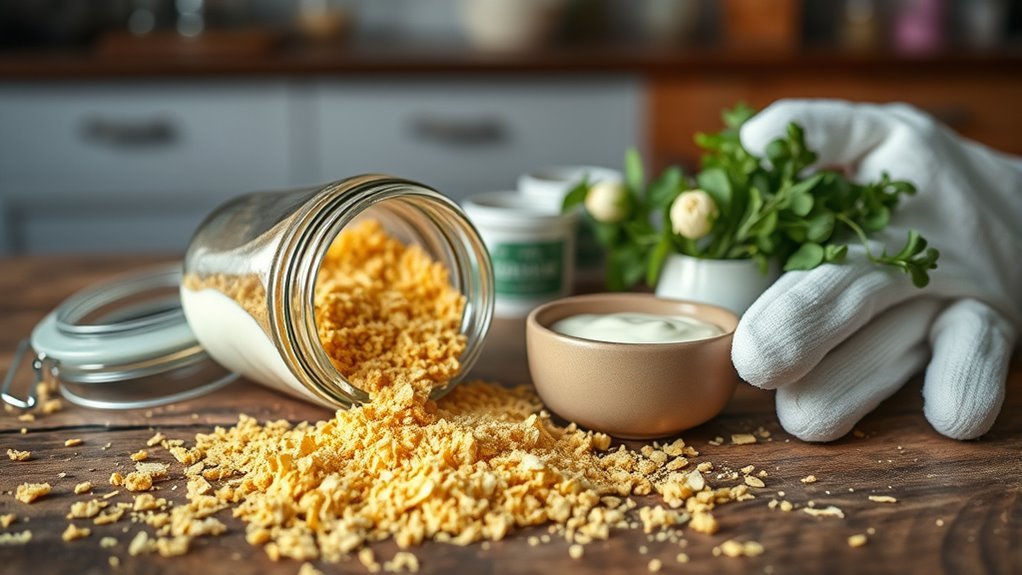
What exactly is nutritional yeast, and why might you want to include it in your diet? Nutritional yeast is a deactivated yeast derived from *Saccharomyces cerevisiae*, commonly used as a food supplement. Unlike live yeast, it contains no active yeast cells, so it won’t ferment or cause yeast infections in your body.
Because the yeast is deactivated, it poses minimal risk even if you have yeast intolerance. Rich in B vitamins, protein, fiber, and minerals, nutritional yeast supports your overall health and can boost your immune response.
Deactivated yeast means minimal risk for intolerance while providing B vitamins, protein, fiber, and immune support.
It’s often enjoyed as a cheese substitute or flavor enhancer. Thanks to careful processing and pasteurization, nutritional yeast meets strict food safety standards, making it safe and well tolerated by most people.
If you’re concerned about yeast infections, rest assured that this product won’t contribute to those issues, since it doesn’t contain live yeast cells that could multiply or disrupt your natural balance.
How Nutritional Yeast Is Made
Although nutritional yeast starts as the same species used in baking and brewing, *Saccharomyces cerevisiae*, it undergoes a carefully controlled process to deactivate it. In yeast production, these yeast cells are first cultivated on sugar-rich substrates like molasses.
After the fermentation process, the yeast is harvested and then pasteurized, which heats and kills the yeast cells. This step guarantees the yeast is deactivated yeast, meaning it’s non-fermenting and unable to grow or reproduce.
During processing, the pasteurized yeast is dried yeast, transformed into yeast flakes, powder, or granules. Because the yeast cells are no longer alive, the final product is safe for consumption and won’t cause yeast infections.
This deactivated yeast serves as a nutrient-rich food ingredient rather than a fermenting agent. Understanding this careful processing helps clarify why nutritional yeast differs markedly from active yeast used in baking or brewing.
Does Nutritional Yeast Cause Yeast Infections?

You might be wondering if nutritional yeast, which is made from deactivated Saccharomyces cerevisiae, can actually cause yeast infections like candidiasis. The good news is, it can’t. Since nutritional yeast doesn’t contain live yeast cells, it can’t colonize or trigger infections in your body. So, let’s break down how nutritional yeast is different from the yeast that causes infections and what that means for your health.
Nutritional Yeast Composition
Since nutritional yeast is made from deactivated Saccharomyces cerevisiae, it contains no live yeast cells that could cause infections. This deactivated yeast results from a fermentation process where the yeast cells are killed, so they can’t multiply or trigger yeast overgrowth in your body.
Unlike other yeast products, nutritional yeast doesn’t introduce active yeast, meaning it won’t worsen yeast infections or disrupt your yeast health. Even if you have yeast sensitivities or a weakened immune system, nutritional yeast itself poses little risk.
However, it’s wise to consult a healthcare provider if you have concerns. Understanding this composition helps you enjoy nutritional yeast safely, knowing it supports your diet without contributing to yeast infections or compromising your immune system’s balance.
Candida Versus Nutritional Yeast
When comparing candida and nutritional yeast, it’s important to understand that they are entirely different organisms with distinct effects on your body. Candida is a live yeast organism known for causing yeast infections through yeast overgrowth and colonization, especially in those with yeast sensitivity.
Nutritional yeast, however, is made from deactivated yeast, specifically an inactive strain of *Saccharomyces cerevisiae*. Because it contains no live yeast, nutritional yeast cannot cause yeast infections or promote candida overgrowth.
This inactive yeast is safe to consume even if you’re sensitive to yeast or prone to infections. Nutritional yeast’s safety lies in its lack of live yeast cells, which means it doesn’t contribute to yeast colonization or imbalance in your gut, setting it apart clearly from candida and other harmful yeast organisms.
Infection Risk Clarification
Although nutritional yeast comes from yeast, it doesn’t cause yeast infections because it contains no live cells. Nutritional yeast is made from deactivated yeast, meaning all live yeast cells are killed during processing. This prevents any yeast overgrowth or infection risk when you consume it.
Candida, the yeast strain responsible for most yeast infections, isn’t present in nutritional yeast products. Unlike probiotic yeast, nutritional yeast doesn’t promote the growth of pathogenic yeast or Candida in your body.
You won’t feed yeast overgrowth by eating nutritional yeast since it can’t proliferate in your gut. So, when it comes to nutritional yeast safety, you can feel confident it won’t cause yeast infections or contribute to Candida overgrowth.
Who Should Watch Out for Nutritional Yeast: Allergies and Sensitivities
If you have a yeast allergy or sensitivity, you might notice symptoms like bloating, diarrhea, or skin rashes after eating nutritional yeast. These digestive issues can be a sign that your body isn’t reacting well to it. So, it’s really important to pay close attention to how you feel. And definitely talk to your healthcare provider before adding nutritional yeast to your diet.
Yeast Allergy Symptoms
How can you tell if nutritional yeast is causing an allergic reaction? Recognizing yeast allergy symptoms early is crucial, especially if you have yeast sensitivity or a history of allergic reactions. Common signs include:
- Skin rashes or hives, which indicate hypersensitivity.
- Respiratory issues like wheezing or nasal congestion.
- Gastrointestinal symptoms such as bloating, diarrhea, or abdominal discomfort.
- In rare cases, anaphylaxis, a severe immune response requiring immediate medical help.
If you notice these symptoms after consuming nutritional yeast, it’s a sign your immune system is reacting. Those with autoimmune conditions or known yeast allergies should be cautious. It’s best to consult a healthcare provider before using nutritional yeast to avoid flare-ups or serious complications.
Digestive Sensitivity Signs
When you consume nutritional yeast, your digestive system might react if you have sensitivities or underlying conditions like IBS or SIBO. Digestive sensitivity to nutritional yeast can trigger symptoms such as bloating, gas, and abdominal discomfort, especially if you have inflammatory bowel disease.
Those with yeast allergies or intolerance may experience more than just digestive upset; your immune response might cause gastrointestinal symptoms or skin irritation. If you notice persistent bloating, diarrhea, or other symptoms after eating nutritional yeast, it’s a sign to be cautious.
Testing small amounts first can help you gauge your tolerance. Always monitor your body’s reactions closely, and if symptoms persist, consult a healthcare professional to rule out yeast allergies or other digestive issues.
How Nutritional Yeast Affects Your Gut and Digestion
Although nutritional yeast is deactivated and doesn’t contain live yeast cells, it can still impact your gut and digestion in several ways. Here’s what you should know:
Nutritional yeast is deactivated but can still influence your digestion and gut health in various ways.
- Nutritional yeast’s high dietary fiber supports gut health and promotes digestion but may cause gas or bloating if you add it too quickly.
- Because it’s deactivated yeast, it cannot cause yeast infections or feed yeast overgrowth in your gut.
- Tyramine in nutritional yeast can trigger headaches or migraines in sensitive people, affecting digestive comfort.
- If you have yeast sensitivities or autoimmune conditions like IBD, nutritional yeast might worsen gastrointestinal symptoms.
Understanding these effects helps you balance the benefits of nutritional yeast with your digestive health. While it’s generally safe, pay attention to how your body responds, especially if you have underlying gut issues or sensitivities.
How to Safely Add Nutritional Yeast to Your Diet
Since nutritional yeast is deactivated and doesn’t contain live yeast cells, you can safely add it to your diet without worrying about yeast infections or promoting yeast overgrowth. To guarantee safe consumption, start with a gradual introduction, especially if you have yeast sensitivity or a history of digestive discomfort. This approach helps your immune response adjust without overwhelming your system.
Always check product labels carefully to confirm you’re buying deactivated nutritional yeast, avoiding live yeast supplements that could pose risks. If you have conditions like IBD or known yeast allergies, talk to a health professional before adding nutritional yeast.
While deactivated nutritional yeast doesn’t cause yeast infections, being cautious helps prevent any unwanted reactions. By monitoring your body’s response and introducing it slowly, you can enjoy the benefits of nutritional yeast without triggering digestive issues or yeast overgrowth.
When Should You Talk to Your Doctor About Nutritional Yeast?
If you notice persistent digestive discomfort, skin reactions, or allergic symptoms after eating nutritional yeast, you should consult your doctor to rule out any adverse effects. It’s especially important if you have a history of yeast intolerance, autoimmune conditions, or inflammatory bowel disease, as these can increase your risk for complications.
You should also seek medical advice if you experience symptoms like severe abdominal pain, blood in stool, or difficulty breathing. Furthermore, neurological symptoms such as migraines or headaches linked to nutritional yeast warrant a healthcare consultation.
Here are four key times to talk to your doctor about nutritional yeast:
- If you experience ongoing digestive issues or allergic symptoms.
- When you have autoimmune conditions or inflammatory bowel disease.
- Before using nutritional yeast supplements during pregnancy, nursing, or medication use.
- If you suspect nutritional yeast is causing yeast infections or neurological symptoms.
Getting medical advice helps you stay safe and avoid adverse reactions.
Frequently Asked Questions
Can Nutritional Yeast Help Boost the Immune System?
Yes, nutritional yeast can help boost your immune system by providing immune support through its rich B vitamins, antioxidants, and trace minerals like zinc. These nutrients promote immune function and immune defense, enhancing your immune health and building immune resilience.
Does Nutritional Yeast Contain Gluten or Allergens?
Nutritional yeast itself contains no gluten content or common allergens like soy, nuts, dairy, or wheat allergens.
However, despite its natural purity, cross contamination risks arise because it’s often processed near gluten-containing products. So, you should always check ingredient labels and allergen warnings carefully. Some brands may add flavor additives that introduce allergens, making it essential you read every label to avoid unwanted allergen presence and stay safe.
How Long Does Nutritional Yeast Last After Opening?
Nutritional yeast lasts about 6-12 months after opening if you follow proper sealing and storage tips. Check the expiration date before use, and store it in airtight storage containers to maintain shelf life.
Refrigeration isn’t necessary but can extend freshness. Watch for spoilage signs like rancid smell, clumping, or mold. Freshness testing by smelling or tasting helps too.
Packaging types vary, so transfer to a sealed container for best quality.
Can Nutritional Yeast Be Used in Cooking for Pets?
Yes, you can use nutritional yeast in cooking for pets as a flavor enhancement and for its nutritional benefits. Just follow dosage guidelines to avoid yeast toxicity and keep an eye on pet allergies or health concerns.
It works well as an ingredient substitution in pet dietary recipes. For safety tips, introduce it gradually and consult your vet before adding it to your pet’s meals to verify it’s a good fit for their culinary uses.
Is Nutritional Yeast Safe During Pregnancy?
Nutritional yeast is generally safe during pregnancy, offering great benefits like B vitamins and valuable nutritional value. However, if you have yeast sensitivity or specific dietary restrictions, take the necessary precautions to avoid fungal infections or discomfort.
Always consider your health and consult your healthcare provider before adding it to your diet. Safe consumption in moderation supports your well-being without increasing infection risks, making it a good option for many expectant moms.
Conclusion
You might worry that nutritional yeast could cause yeast infections, but it’s actually a different type of yeast that doesn’t feed those infections. While nutritional yeast boosts your gut health and adds flavor, it can still trigger allergies or sensitivities for some people.
So, enjoy its benefits with caution and listen to your body. If anything feels off, don’t hesitate to talk to your doctor. Your health deserves both curiosity and care.