
What Is the Nutritional Value of Shrimp?
You get about 84 calories and 20 grams of complete protein from a 3-ounce serving of shrimp, making it a low-calorie, nutrient-packed choice.
Shrimp offers essential vitamins and minerals like B12, selenium, and iodine, plus antioxidants such as astaxanthin and heart-healthy omega-3s.
While it contains cholesterol, it generally won’t raise your levels considerably.
Shrimp can boost your overall health, and there’s more to uncover about its benefits and considerations.
How Many Calories and Protein Are in Shrimp?
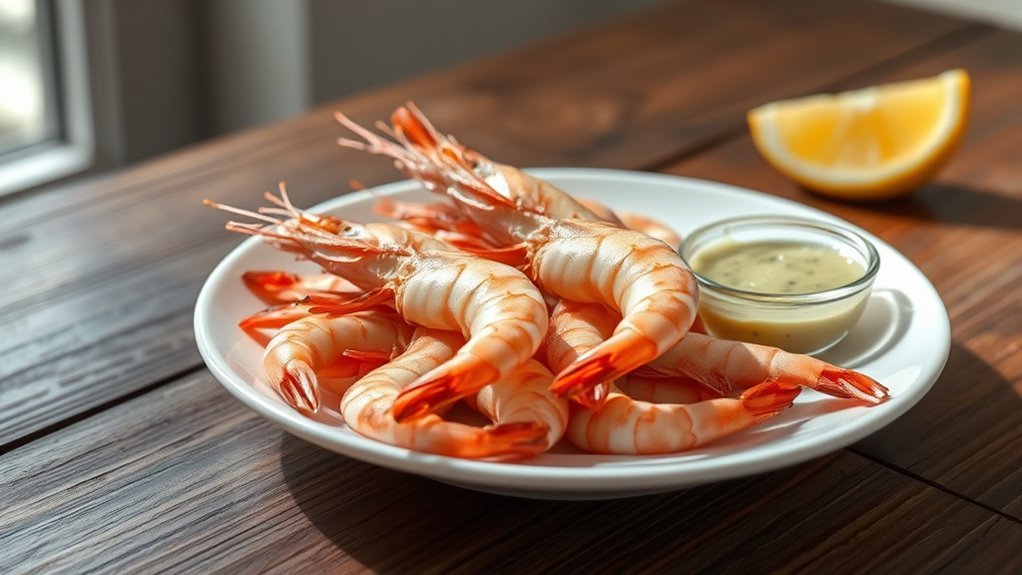
Although shrimp is low in calories, it packs a powerful protein punch, providing about 20 grams of protein in just a 3-ounce cooked serving. When you look at the nutritional facts, you’ll find that this portion contains roughly 84 calories. This makes shrimp an excellent choice if you want to keep your calorie intake low while still meeting your protein needs.
Compared to many other protein sources, shrimp stands out because it delivers a significant amount of protein without adding many calories. This makes it ideal for weight management or anyone aiming to build muscle without consuming excess calories.
Key Nutrients in Shrimp That Boost Your Health
You’ll get a powerful boost from shrimp’s high-quality protein and essential vitamins and minerals like iron and vitamin B12. And that’s not all—its antioxidants and omega-3 fatty acids also work to support your heart, brain, and immune health. So, let’s explore how these key nutrients team up to keep you feeling your best.
High Protein Content
When you include shrimp in your meals, you get a powerful boost of high-quality protein, about 20 grams per 3-ounce serving. This supports muscle growth and repair.
This nutrient-rich seafood provides all essential amino acids, making it a complete protein source. Shrimp’s protein is low in saturated fat, so it’s heart-healthy and perfect for those watching calories.
Regularly eating shrimp can help you meet your daily protein needs and keep you feeling full longer. That helps with weight management.
| Benefit | Impact on You |
|---|---|
| High-quality protein | Builds and repairs muscle |
| Complete amino acids | Supports overall body function |
| Low saturated fat | Promotes heart health |
| Satiety boost | Helps control appetite |
Essential Vitamins And Minerals
Beyond its impressive protein content, shrimp also delivers a powerful mix of vitamins and minerals that support various aspects of your health. Shrimp is rich in vitamin B12, which helps maintain nerve function and aids DNA synthesis.
Alongside this, it provides essential minerals like selenium, essential for thyroid health, and zinc, which supports your immune system and wound healing. You’ll also find iron in shrimp, important for oxygen transport in your blood, and phosphorus, which promotes healthy bones and energy metabolism.
These key nutrients enhance the overall nutritional value of shrimp, making it a smart choice to include in your diet. By eating shrimp, you’re fueling your body with indispensable vitamins and minerals that boost your well-being every day.
Antioxidants And Omega-3s
Although shrimp is widely known for its protein and vitamin content, its antioxidants and omega-3 fatty acids offer equally impressive health benefits. Shrimp contains astaxanthin, a powerful antioxidant that protects your cells from oxidative stress and inflammation. This antioxidant even surpasses beta-carotene and lycopene in strength.
Plus, shrimp provides omega-3 fatty acids like EPA and DHA, supporting cardiovascular health and brain function. Since many Americans lack enough seafood-derived omega-3s, shrimp is a convenient way to fill that gap.
| Nutrient | Health Benefit |
|---|---|
| Astaxanthin | Protects cells, reduces inflammation |
| EPA & DHA | Supports heart and brain health |
| Antioxidants | Boost immune function |
Including shrimp in your diet helps you harness these key nutrients effectively.
Why Omega-3s in Shrimp Are Good for You
You’ll get a boost from the omega-3s in shrimp by supporting your heart health and sharpening brain function. These healthy fats help keep your cholesterol in check and reduce inflammation. So, adding shrimp to your meals is an easy way to fuel both your heart and mind.
Heart Benefits of Omega-3s
When you include shrimp in your diet, you’re tapping into a powerful source of omega-3 fatty acids, especially EPA and DHA. These play a vital role in protecting your heart.
These omega-3s help reduce arterial plaque buildup, improving vascular health and lowering cardiovascular disease risk. They also boost your HDL cholesterol, which enhances heart function.
The anti-inflammatory effects of omega-3s further support your blood vessels, promoting overall heart health. Regular shrimp consumption as part of a balanced diet is a smart way to maintain cardiovascular wellness.
| Benefit | Impact on Heart Health | Mechanism |
|---|---|---|
| Omega-3 (EPA & DHA) | Supports heart health | Reduces inflammation |
| Arterial plaque | Decreases cardiovascular risk | Prevents plaque buildup |
| HDL Cholesterol | Improves cholesterol balance | Raises HDL levels |
| Vascular health | Maintains blood vessel function | Enhances elasticity |
| Inflammation | Lowers inflammation | Anti-inflammatory properties |
Brain Support From Omega-3s
Because shrimp contains omega-3 fatty acids like EPA and DHA, eating it regularly can help support your brain health. These essential fats play a key role in maintaining neurological health by preserving memory, focus, and cognitive function.
The omega-3s in shrimp reduce inflammation and protect brain cells from damage, which may lower your risk of neurodegenerative diseases like dementia. Shrimp also provides powerful antioxidants, such as astaxanthin, that work alongside omega-3 fatty acids to shield your brain from oxidative stress.
What Vitamins and Minerals Does Shrimp Provide?
Although shrimp is often praised for its protein content, it also provides a wealth of essential vitamins and minerals that benefit your overall health. You’ll find key vitamins like B12 in shrimp, which supports nerve health and DNA synthesis.
The minerals in shrimp, such as selenium, zinc, copper, and iron, play essential roles in immune function and act as antioxidants, protecting your cells from damage. Furthermore, shrimp offers phosphorus and potassium, which help regulate blood pressure and maintain strong bones.
Don’t overlook the small but important amount of iodine in shrimp, indispensable for thyroid function and metabolism. Beyond vitamins and minerals, shrimp contains antioxidants such as astaxanthin, known for reducing oxidative stress in your body.
Including shrimp in your nutrition routine means you’re getting a powerful combination of nutrients and antioxidants that support multiple aspects of your health, making it more than just a protein source.
Shrimp’s Heart and Brain Health Benefits
You’ll find that shrimp is packed with omega-3 fatty acids like EPA and DHA. These are great for boosting both your heart and brain health. Plus, shrimp contains the antioxidant astaxanthin, which helps reduce inflammation. It also protects your arteries and brain from oxidative stress. So, adding shrimp to your diet is a smart way to support cognitive function and keep your cardiovascular system strong.
Omega-3 Fatty Acids
When you include shrimp in your diet, you gain a valuable source of omega-3 fatty acids, primarily EPA and DHA, which play an essential role in supporting heart and brain health. These omega-3 fatty acids help reduce arterial plaque buildup, lowering your risk of cardiovascular disease.
Eating shrimp regularly can also boost your HDL, or “good,” cholesterol levels, which promotes overall heart health. Beyond your heart, the anti-inflammatory properties of these omega-3s help protect brain cells, supporting brain health and potentially preventing neurodegenerative conditions.
Since most Americans don’t get enough seafood to meet recommended omega-3 intake, adding shrimp is an easy, delicious way to improve your diet and support both heart and brain health naturally with this nutrient-rich seafood.
Antioxidants and Brain Support
Because shrimp contains astaxanthin, a powerful antioxidant, you gain brain protection from oxidative stress and a reduced risk of neurological diseases like dementia. Astaxanthin crosses the blood-brain barrier, directly supporting your cognitive function and overall brain health.
Along with antioxidants, shrimp provides omega-3 fatty acids that enhance arterial health and improve blood flow to your brain. This is essential for sharp memory and focus. The vitamin B12 in shrimp also plays a vital role in maintaining healthy nerve function and regulating mood.
What Antioxidants Are in Shrimp and Why Do They Matter?

Although shrimp might seem like a simple seafood choice, it packs a powerful antioxidant called astaxanthin that gives it its distinctive pink-orange color. Astaxanthin stands out because it offers antioxidant capacity far beyond beta-carotene and lycopene, making shrimp a valuable food for fighting oxidative damage.
When you eat shrimp, astaxanthin helps protect your cells by neutralizing harmful free radicals, which can reduce inflammation and support your immune health. Including shrimp in your diet means you’re bringing in antioxidants that may lower the risk of chronic diseases by strengthening your body’s defenses.
This antioxidant not only supports your immune system but also benefits your heart and brain by reducing oxidative stress. So, when you enjoy shrimp, you’re not just tasting a delicious seafood option, you’re also fueling your body with potent antioxidants like astaxanthin that are crucial for long-term health and vigor.
How Does Shrimp’s Cholesterol Affect Your Health?
Since shrimp contains a relatively high amount of cholesterol, about 161 to 189 mg per 3-ounce serving, you might worry it will raise your blood cholesterol levels. However, the dietary cholesterol in shrimp doesn’t necessarily impact your blood cholesterol the way you might expect. Your body regulates cholesterol production, so eating shrimp in moderation usually won’t spike your levels. Plus, shrimp is rich in omega-3 fatty acids, which support heart health and can help balance cholesterol effects.
Here’s why you can feel more confident about including shrimp in your diet:
- Shrimp’s omega-3 fatty acids help reduce inflammation and promote healthy blood cholesterol.
- For most people, dietary cholesterol from shrimp has minimal impact on overall cholesterol levels.
- Moderation is key. Balanced consumption fits well within a heart-healthy diet.
If you have specific conditions like high cholesterol or heart disease, check with your healthcare provider about shrimp intake.
Risks and Allergies of Eating Shrimp
When you eat shrimp, it’s important to be aware of potential risks, especially if you have allergies. Shrimp is a common trigger for shellfish allergies due to the protein tropomyosin. If you have food allergies, consuming shrimp can cause allergic reactions like hives, swelling, or difficulty breathing.
Severe cases may lead to anaphylaxis, so if you know you’re allergic, it’s best to avoid shrimp entirely and even avoid inhaling cooking vapors.
Another risk involves improperly cooked shrimp, which can harbor harmful bacteria like Vibrio vulnificus. Eating raw or undercooked shrimp increases your chance of foodborne illness.
To stay safe, always cook shrimp thoroughly and consult a healthcare professional if you have shellfish allergies before trying shrimp. Being cautious helps you enjoy shrimp’s nutritional benefits without risking your health.
Wild vs. Farmed Shrimp: Nutritional Differences
If you want to choose between wild and farmed shrimp, understanding their nutritional differences can help you make a better decision. Both wild shrimp and farmed shrimp offer similar protein, vitamins, and minerals, but their fat content and antioxidant levels can vary.
Wild shrimp usually have less fat and fewer antibiotics, thanks to their natural diet and environment, which also boosts their antioxidants like astaxanthin. Farmed shrimp might have higher contaminants due to feed additives and farming methods.
Wild shrimp tend to have less fat and more antioxidants, while farmed shrimp may contain more contaminants.
Here’s what you need to know:
- Wild shrimp often provide higher antioxidant levels, supporting your overall health.
- Farmed shrimp may contain residues that could affect your well-being.
- Both types give you a solid protein source, but wild shrimp lean toward a cleaner nutritional profile.
Knowing these nutritional differences helps you pick shrimp that aligns with your health goals and values.
How to Select and Cook Shrimp for Maximum Nutrition
Choosing between wild and farmed shrimp is just the start; how you select and cook them plays a big role in preserving their nutritional benefits. For selection, pick shrimp that feel firm, look translucent, and smell mildly ocean-like. Avoid black spots or strong fishy odors.
Wild-caught shrimp often offer better nutrition due to fewer antibiotics. When cooking, aim to heat shrimp until they turn pink and curl into a C-shape, reaching 145°F internally. Use grilling, steaming, or sautéing with healthy oils to keep nutrients intact and avoid added fats.
Don’t overcook, as it toughens shrimp and lowers moisture, diminishing nutrition.
| Selection Tips | Cooking Methods | Nutrition Impact |
|---|---|---|
| Firm, translucent | Grilling | Retains omega-3 and protein |
| Mild ocean smell | Steaming | Preserves vitamins and minerals |
| Wild-caught preferred | Sautéing in oils | Reduces unhealthy fat intake |
| Avoid black spots | Avoid overcooking | Maintains texture and moisture |
How Much Shrimp Should You Eat for the Best Benefits?
Although shrimp offers impressive nutritional benefits, eating the right amount is key to maximizing those advantages without overdoing cholesterol intake. To get the most out of shrimp’s health benefits, stick to a serving size of about 3 to 4 ounces per meal. This portion provides plenty of protein and essential nutrients like iodine, selenium, and omega-3s without pushing your cholesterol too high.
Here’s how to enjoy shrimp smartly:
- Aim for two servings of shrimp or other seafood weekly to support heart and brain health.
- Keep each serving moderate, around 3-4 ounces, to balance nutrient intake with cholesterol.
- Pair shrimp with nutrient-rich foods and healthy cooking methods to boost overall benefits.
Frequently Asked Questions
Can Shrimp Be Included in a Keto or Low-Carb Diet?
Yes, you can definitely include shrimp in your keto or low-carb diet. Focus on cooking methods like grilling or sautéing to keep it healthy. Explore flavor variations with herbs and spices to keep things interesting.
Keep portion control in mind to balance your meals and respect any dietary restrictions you have. Shrimp’s low carbs and high protein make it a versatile, delicious option that fits well into your low-carb lifestyle without compromising taste or nutrition.
How Does Shrimp Compare Nutritionally to Other Shellfish?
You’ll find shrimp stands out in nutritional content by offering more protein compared to many shellfish like oysters and scallops. Its fat profile is lower in saturated fat, though it contains higher cholesterol.
When you compare vitamin levels, shrimp provides abundant iodine, zinc, and copper, often surpassing clams and mussels. Overall, shrimp gives you a nutrient-dense option with a balanced mix of protein, vitamins, and a favorable fat profile.
Is Shrimp Safe to Eat During Pregnancy?
Pregnancy safety starts with smart seafood selections. You can safely savor shrimp, but only when fully cooked to avoid immune response risks and seafood allergies.
Keep mercury levels low by choosing wild-caught or U.S.-sourced shrimp. Limit consumption to 2-3 servings weekly to protect your health and your baby’s. Avoid raw shrimp to prevent foodborne illnesses.
Handling and cooking shrimp properly guarantees safety and supports a strong immune response during pregnancy.
What Are Sustainable Shrimp Sourcing Practices?
Sustainable shrimp sourcing means you choose shrimp from farms or fisheries with aquaculture certification, ensuring ethical harvesting and minimal environmental impact. When you pick wild caught sustainability, you support methods that reduce bycatch and protect marine habitats.
These practices promote ocean health by avoiding overfishing and habitat destruction. By opting for certified shrimp, you help drive responsible aquaculture and fishing, making a positive difference for the planet and future seafood availability.
Can Shrimp Consumption Affect Gout or Uric Acid Levels?
If you think eating shrimp will instantly send your uric acid through the roof and trigger unbearable gout flare ups, you’re not alone! Shrimp’s high purine content can indeed raise uric acid, especially if you’re prone to gout.
You’ve got to watch your dietary restrictions carefully. Moderation is key. Boiling or steaming shrimp helps reduce purines a bit, so you can still enjoy it without risking painful flare ups.
Conclusion
Think of shrimp as a tiny treasure chest packed with nutrients. Each bite offers a wealth of protein, omega-3s, and essential vitamins. Just like a skilled sailor navigates the seas wisely, you should choose and prepare shrimp carefully to reveal its full health benefits.
By enjoying shrimp in moderation and being mindful of allergies, you sail smoothly toward better heart and brain health. This way, every meal becomes a voyage worth taking.