

How to Understand the Nutritional Value of Blueberries
To understand blueberries’ nutritional value, know they’re low in calories, about 80 per cup, and rich in vitamins C and K, fiber, and antioxidants like anthocyanins.
These antioxidants support heart and brain health while helping reduce inflammation.
Blueberries’ natural sugars and fiber make them a smart choice for steady blood sugar.
Whether fresh or frozen, they preserve nutrients well.
Keep exploring to discover how blueberries can boost your overall health and how to pick and store them for the best benefits.
What Are Blueberries? Nutritional Basics
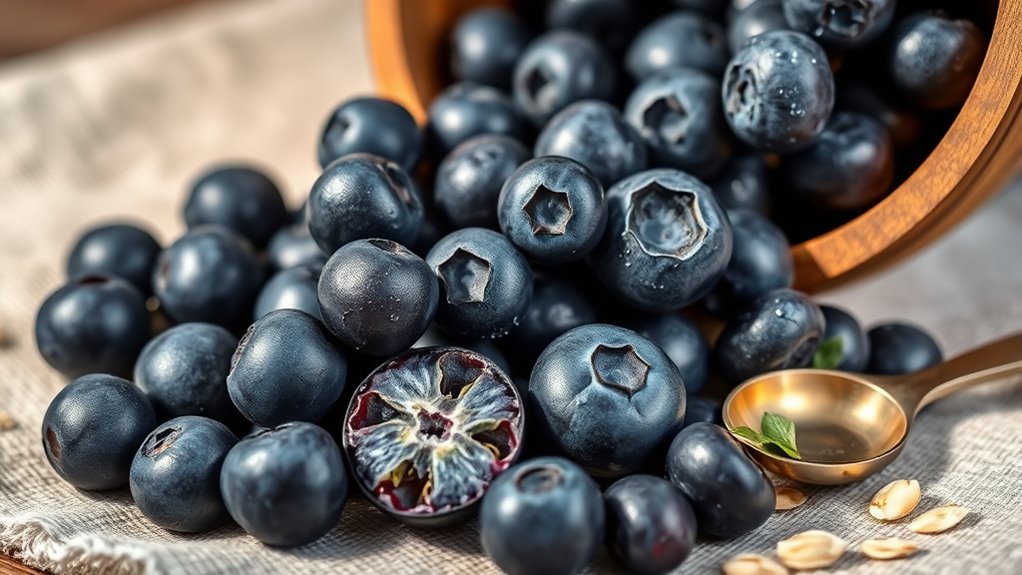
Although you might think of them simply as small fruits, blueberries are actually part of the heather family and closely related to cranberries and bilberries. These small, round berries measure between 0.2 to 0.6 inches and come in shades of blue to purple. You’ll find two main types: highbush and lowbush varieties.
Blueberries aren’t just tasty; they offer a range of nutritional benefits that contribute to your health. Packed with essential vitamins like vitamin C and vitamin K, they support your immune system and promote blood clotting. Beyond vitamins, blueberries provide antioxidants that help protect your cells from damage.
Whether fresh, frozen, or baked into your favorite treat, they’re an easy way to boost your nutrient intake. Understanding these nutritional basics helps you appreciate how blueberries can fit into a balanced diet focused on overall health and wellness.
How Many Calories and Nutrients Are in Blueberries?
You’ll find that blueberries are pretty low in calories—about 57 calories per 100 grams and 84 calories per cup. They’re not just tasty but also packed with important nutrients like vitamin C, vitamin K, manganese, and fiber. So, let’s take a closer look at their calorie content, key nutrients, and exactly how much fiber and sugar they contain.
Calorie Content Overview
When you enjoy a cup of blueberries, you’re consuming about 80 calories packed into 148 grams of fruit. Understanding the calorie count and serving size helps you manage your intake while benefiting from their nutrient content.
Blueberries are mostly water, which keeps their calorie count low and invigorating.
Here’s what you get in a typical serving size of one cup:
- Approximately 80 calories
- 14.5 grams of carbohydrates, including 10 grams of natural sugars
- Minimal fat at about 0.5 grams
- Around 1 gram of protein
- Low glycemic index of 53, meaning a gentle effect on blood sugar
Keeping these facts in mind helps you enjoy blueberries as a healthy, low-calorie snack.
Key Nutrient Breakdown
Since blueberries contain about 84% water, they stay low in calories while providing essential nutrients. In a 100g serving, you’ll find roughly 57 calories, making them a light yet nourishing choice.
Blueberries pack around 14.5 grams of carbohydrates, with 10 grams coming from natural sugars that offer quick energy. They also supply about 2.4 grams of dietary fiber, which supports your digestion and helps you feel full.
Fat content remains minimal at just 0.3 grams, so blueberries fit well into most diets. By including blueberries in your meals or snacks, you get a solid nutrient boost without excess calories, helping you maintain a balanced diet while enjoying natural sweetness and fiber benefits.
Fiber and Sugar Levels
Although blueberries are naturally sweet, they contain only about 84 calories per cup, with most coming from natural sugars and carbohydrates. When you snack on blueberries, you get a healthy balance of fiber and sugar that supports your energy and digestion. Here’s what you should know:
- About 21 grams of total carbohydrates per cup
- Roughly 10 grams of natural sugar, including glucose and fructose
- Around 4 grams of dietary fiber to aid digestion
- A low glycemic index of 53, so they won’t spike your blood sugar
- Calories mainly come from naturally occurring sugars, making them a nutritious treat
This combination makes blueberries a smart choice if you want sweetness without a heavy sugar load or rapid blood sugar spikes.
Key Vitamins and Minerals in Blueberries
What makes blueberries a nutritional powerhouse? It’s their impressive mix of vitamin K, vitamin C, manganese, and other essential minerals. Just one cup gives you about 36% of your daily vitamin K, which is essential for blood clotting and maintaining strong bones. You also get around 14 milligrams of vitamin C, helping your immune system stay strong and supporting tissue repair.
Blueberries provide about 0.5 milligrams of manganese per cup, a mineral that’s important for bone development and helps your body manage metabolism efficiently. Beyond these, they contain small amounts of calcium, iron, magnesium, phosphorus, potassium, and zinc, each playing a unique role in keeping your body balanced.
Why Anthocyanins in Blueberries Matter
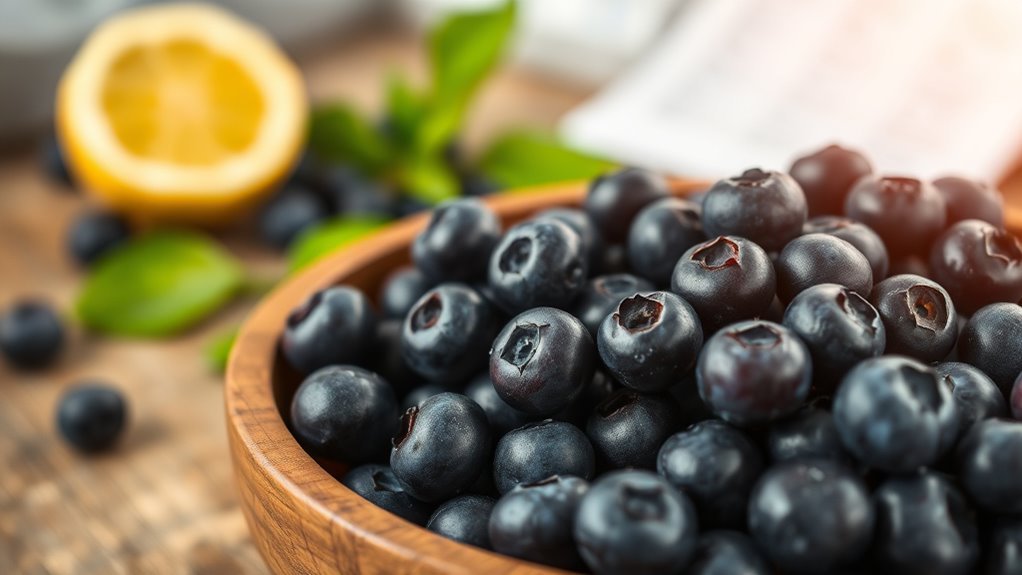
Why do blueberries owe their vibrant blue and purple hues to anthocyanins? These plant pigments not only color the fruit but also pack a powerful nutritional punch. When you eat blueberries, you’re getting a rich source of anthocyanins, about 163.3 mg per 100 grams, that act as antioxidants.
They help neutralize free radicals, reducing oxidative stress in your body. This stress can damage cells and contribute to aging and disease.
Here’s why anthocyanins in blueberries matter to you:
- They provide strong antioxidant protection.
- They support heart health by improving blood vessel function.
- They may help lower blood pressure.
- They contribute to better cognitive function and memory.
- Wild blueberries tend to have even higher anthocyanin levels.
Including blueberries in your diet means you’re harnessing these benefits, making anthocyanins a key reason why blueberries are a nutritional superstar.
Blueberries and Blood Sugar Impact
You’ll find that blueberries have a low glycemic index, which means they don’t cause a sharp spike in your blood sugar. They contain about 10 grams of natural sugars, but thanks to the fiber they have, the absorption is slower. This helps keep your blood sugar levels steady.
On top of that, blueberries are packed with antioxidants, and these might support better blood sugar regulation and improve insulin sensitivity over time. So, they’re a tasty way to help manage your blood sugar!
Glycemic Index Of Blueberries
Although managing blood sugar can be challenging, including blueberries in your diet can make it easier because they have a glycemic index of about 53. This means they cause a slow and moderate rise in blood sugar levels. This makes them a smart choice if you want to keep your blood sugar steady.
Here’s why blueberries work well for you:
- Their moderate glycemic index helps prevent sharp blood sugar spikes
- Natural sugars in blueberries are balanced by fiber, aiding glucose regulation
- Fiber slows sugar absorption, promoting steady energy
- Suitable for people managing blood sugar, including those with diabetes
- Glycemic index stays low in fresh, frozen, or dried forms (watch dried for added sugars)
Adding blueberries to your meals supports balanced blood sugar with tasty, nutritious benefits.
Sugar Content And Effects
Besides their moderate glycemic index, blueberries also contain natural sugars that influence blood sugar levels. A 100g serving has about 10g of natural sugars, mainly glucose and fructose.
However, their low glycemic index of 53 means these sugars cause a gradual rise in blood sugar levels rather than a sharp spike. The fiber content, around 2.4g per 100g, helps slow sugar absorption, further stabilizing glucose in your bloodstream.
Because of this sugar content combined with fiber and antioxidants, eating blueberries in moderation is unlikely to cause significant blood sugar fluctuations. This makes them a smart choice if you’re mindful of your blood sugar levels but still want a naturally sweet treat.
Blood Sugar Regulation Benefits
When you eat blueberries, their low glycemic index and fiber content work together to regulate your blood sugar levels by slowing sugar absorption and preventing sharp spikes. This makes blueberries a smart choice for balanced nutrition, especially if you’re concerned about blood sugar control.
Here’s how blueberries can help:
- Low glycemic index of 53 means gradual blood sugar rise
- About 10g natural sugars per 100g, released slowly
- 2.4g dietary fiber per 100g slows carbohydrate absorption
- May improve insulin sensitivity, aiding blood sugar management
- Regular intake linked to reduced insulin resistance risk
Including blueberries in your diet supports steady blood sugar and enhances insulin sensitivity, promoting overall metabolic health.
Recommended Daily Intake of Blueberries
A daily serving of about 130 blueberries, or roughly 1.25 cups, offers a powerful boost to your health without adding too many calories. This recommended daily intake provides you with around 84 calories, 4 grams of fiber, and 25% of your daily vitamin C needs.
Including a serving of blueberries in your nutrition plan guarantees you get a high concentration of antioxidants, which play a key role in supporting overall health.
Health Benefits of Eating Blueberries

You’ll find that blueberries pack powerful antioxidants and anti-inflammatory compounds that support your heart and brain health. They’re like little superheroes for your body! Including them in your diet can also help with cancer prevention and managing your weight. So, it’s pretty awesome how these tiny fruits can benefit you in multiple ways. Let’s take a closer look at what makes them so special.
Antioxidant and Anti-Inflammatory Effects
Because blueberries are packed with anthocyanins, they deliver powerful antioxidant benefits that protect your cells from damage caused by free radicals. These antioxidants help reduce oxidative stress, which is linked to many chronic health issues.
The phytochemicals in blueberries, like quercetin and fisetin, work together to fight inflammation and promote cellular health. When you include blueberries in your diet regularly, you may notice lower inflammation markers and better immune support.
Here’s what makes their antioxidant and anti-inflammatory effects stand out:
- Neutralize harmful free radicals
- Decrease oxidative stress levels
- Reduce inflammation markers
- Contain potent phytochemicals
- Support overall cellular health
Eating blueberries is an easy way to harness these benefits and protect your body naturally.
Cardiovascular and Brain Support
When you include blueberries in your diet regularly, you support both your cardiovascular system and brain health. The antioxidants in blueberries reduce inflammation and oxidative stress, key factors that can harm your heart and brain.
Blueberries are rich in anthocyanins, which improve blood vessel function and promote healthy endothelial function. This is essential for maintaining strong circulation. By enhancing blood flow and lowering LDL cholesterol, blueberries help decrease your risk of heart disease.
Regular intake also supports better blood sugar regulation, reducing the risk of Type 2 diabetes, which benefits your cardiovascular health. Including blueberries in your meals is a simple way to protect your heart and boost brain function, thanks to their unique ability to support vascular health and reduce harmful inflammation.
Cancer Prevention and Weight Management
Although blueberries are delicious on their own, they offer powerful benefits for cancer prevention and weight management. You can harness their antioxidants, like anthocyanins, to help inhibit tumor growth and reduce cancer recurrence risk.
Their anti-inflammatory properties protect your cells from damage linked to cancer development. Plus, blueberries are low-calorie and packed with fiber, which helps you feel full and reduces overall calorie intake.
Here’s why adding blueberries to your diet makes a difference:
- Rich in antioxidants that fight cancer-causing damage
- Anti-inflammatory effects protect healthy cells
- Low-calorie nature supports weight control
- High fiber promotes satiety and healthy digestion
- Enhances metabolic health to prevent obesity-related diseases
Incorporate blueberries regularly to support your body’s cancer defenses and maintain a healthy weight.
Fresh, Frozen, and Dried Blueberries Compared
Choosing between fresh, frozen, and dried blueberries can impact the nutritional benefits you get from these berries. Fresh blueberries offer the highest flavor and antioxidant content, especially if you choose wild varieties.
Frozen blueberries preserve most of their nutrients since freezing locks in the nutritional value and extends shelf life without significant loss. You can keep them on hand year-round, making it easier to enjoy their health benefits anytime.
Dried blueberries, however, often lose much of their antioxidants during dehydration and may contain added sugars, which lowers their nutritional value. Their flavor and texture also diminish compared to fresh or frozen options.
If you want to maximize health benefits, fresh or properly frozen blueberries are your best bet. Remember, storing frozen blueberries in single layers after washing helps maintain their quality and nutritional content longer.
Choosing and Storing Blueberries for Nutrition
To get the most nutrition from your blueberries, pick plump, deep blue berries that feel firm and have an even color. Avoid those with wrinkled or shriveled skin or that appear wet, as these signs indicate age or spoilage. How you store your blueberries also affects their freshness and nutritional value.
Choose firm, deep blue blueberries with even color to maximize freshness and nutritional value.
Keep these tips in mind to maintain the nutrition of your blueberries:
- Store unwashed blueberries in a breathable container in the refrigerator to keep them fresh for up to 7 days.
- Wash blueberries only right before you eat or use them to prevent spoilage.
- If you want to store blueberries longer, freeze them after washing and drying.
- Freeze blueberries in a single layer on a baking sheet first, then transfer to freezer bags.
- Proper storage preserves the antioxidants and vitamins that give blueberries their nutritional benefits.
Easy Ways to Add Blueberries to Your Diet
When you want to boost your nutrition effortlessly, adding blueberries to your meals is a simple and delicious choice. You can sprinkle fresh blueberries on cereal, oatmeal, or yogurt to start your day with a nutrient boost.
Don’t hesitate to use frozen berries in smoothies or baked goods. They retain their antioxidants and flavor year-round. Blueberries also make a tasty topping for salads or desserts, adding natural sweetness and vibrant color.
For a convenient snack, mix dried blueberries into trail mix or granola, but watch out for added sugars on labels. To enjoy both taste and health benefits, try incorporating blueberries into recipes like apple-blueberry cobbler or muffins.
Frequently Asked Questions
Can Blueberry Supplements Replace Fresh Blueberries Nutritionally?
No, blueberry supplements can’t fully replace fresh blueberries nutritionally. You’ll miss out on the full blueberry vitamin content and the complex synergy of blueberry antioxidants found in fresh vs. dried blueberries.
Fresh blueberries also retain more nutrients due to careful blueberry harvesting methods that preserve their quality. Supplements often lack fiber, water, and some antioxidants, so eating fresh blueberries gives you the best overall health benefits.
How Do Blueberries Interact With Common Medications?
Blueberry antioxidants and berry phytochemicals can influence medication absorption, sometimes enhancing or reducing its effects. You’ll want to watch out for nutrient synergy that might increase blood-thinning risks if you’re on anticoagulants.
These compounds can also interact unpredictably with other drugs, so it’s smart to consult your healthcare provider before adding lots of blueberries to your diet, especially if you’re taking prescription medications.
Are There Any Allergens Associated With Blueberries?
Imagine your body’s immune system as a vigilant gatekeeper. You might wonder if blueberries can trigger its alarm. While blueberries are generally safe, you could experience allergy symptoms like itching or swelling due to allergic reactions.
Cross reactivity concerns arise if you’re sensitive to certain pollens or fruits, potentially causing a histamine response. If you’ve had fruit allergies before, stay alert and watch for any unexpected reactions after eating blueberries.
What Is the Environmental Impact of Blueberry Farming?
You should know blueberry farming impacts the environment through high water usage and pesticide effects, which can harm soil and water quality. However, sustainable farming methods help reduce these issues by using water-efficient irrigation and minimizing chemical inputs.
These practices also lower the carbon footprint by protecting biodiversity and preventing habitat loss. Choosing blueberries from farms that prioritize sustainability supports a healthier planet while enjoying your fruit.
Can Blueberries Cause Digestive Issues if Eaten in Excess?
Yes, eating too many blueberries can cause digestive discomfort. Overconsumption effects like bloating, gas, or diarrhea happen because of their high fiber and natural sugar content.
If you’re not careful, excessive intake risks can overwhelm your gut health, leading to unpleasant symptoms. To protect your gut health, stick to recommended serving sizes and avoid eating large amounts at once, especially dried blueberries with added sugars.
Conclusion
Now that you know blueberries pack just 85 calories per cup but deliver over 24% of your daily vitamin C, you can see why they’re a nutritional powerhouse. Including them in your diet is an easy way to boost antioxidants and support heart health.
Whether fresh, frozen, or dried, they offer great benefits. So, grab a handful and enjoy their sweet, tangy flavor while nourishing your body every day!