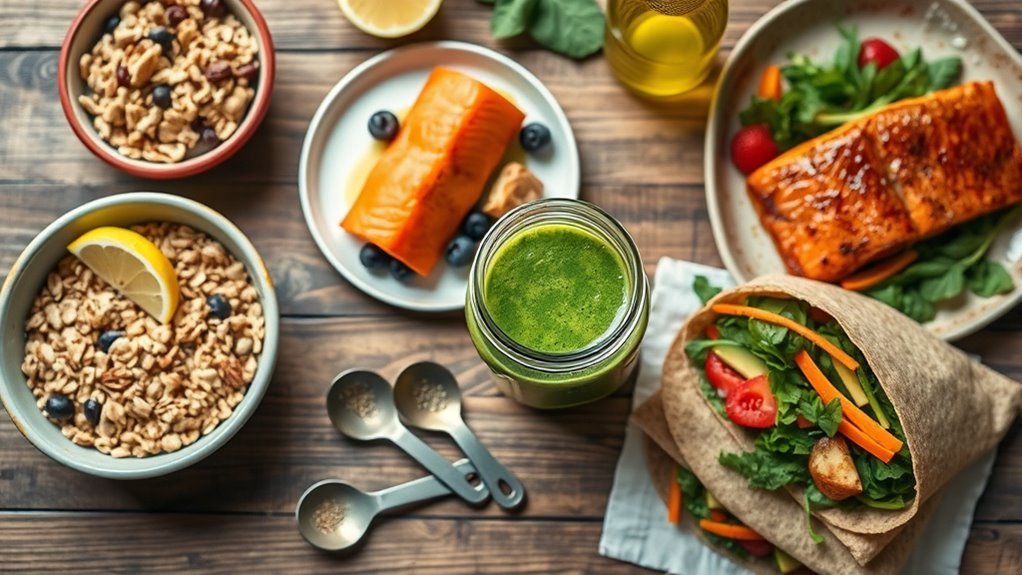
7-Day Meal Plan to Lower Cholesterol With 5 Key Steps
You can lower your cholesterol in seven days by focusing on five key steps.
Choose lean cuts of meat and skinless poultry cooked by broiling or grilling.
Add omega-3 rich fish and plant-based proteins like beans and tofu.
Boost fiber with whole grains and plenty of vegetables.
Swap saturated fats for healthy fats found in olive oil and nuts.
Keep heart-healthy snacks handy, and plan meals in advance to stay consistent.
Keep going to uncover simple meal ideas that fit these steps perfectly.
Plan Cholesterol-Lowering Meals With Lean Meats and Poultry
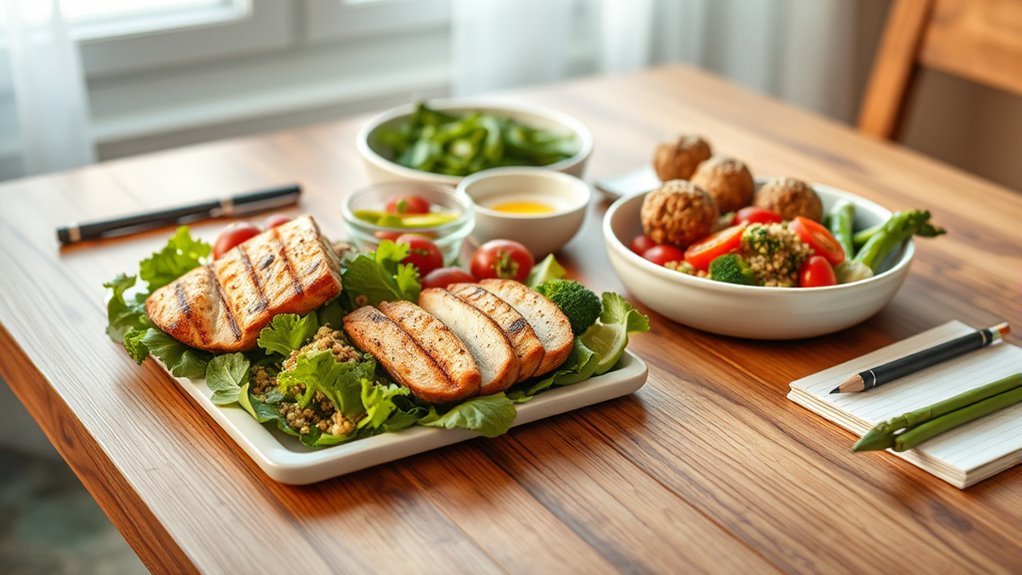
When planning meals to lower cholesterol, focus on lean cuts of meat like round, loin, or sirloin. Choose choice or select grades of beef to cut saturated fat. These lean meats help you reduce saturated fat intake, a key factor in maintaining a heart-healthy diet.
Opt for poultry without added fats or broths, and always use skinless chicken to keep your meals low in unhealthy dietary fats. Trimming visible fat from meats and broiling instead of pan-frying lets you drain excess fat, making your dishes even healthier.
Incorporating low-fat meats and lean cuts ensures you enjoy flavorful meals while supporting healthy eating habits. Avoid processed, high-fat meats like sausages and bacon; instead, choose cholesterol-lowering foods that fit your lifestyle.
Add Omega-3 Rich Fish and Plant-Based Proteins
Lean meats and poultry provide a solid base for lowering cholesterol, but adding omega-3 rich fish and plant-based proteins can further boost heart health. Fatty fish like salmon, mackerel, and sardines deliver omega-3 fatty acids that lower triglycerides and raise HDL cholesterol.
Meanwhile, plant-based proteins such as beans, lentils, and tofu offer heart-healthy eating options low in saturated fat that help reduce LDL cholesterol. You can also include omega-3 rich foods like walnuts, flaxseeds, and chia seeds in your plant-based diet for extra benefits.
| Food Type | Examples | Heart Health Benefit |
|---|---|---|
| Fatty Fish | Salmon, Mackerel, Sardines | Lowers triglycerides, improves HDL |
| Plant-Based Proteins | Beans, Lentils, Tofu | Lowers LDL cholesterol |
| Omega-3 Rich Seeds | Walnuts, Flaxseeds, Chia | Adds plant-based omega-3 fatty acids |
| Fortified Foods | Omega-3 eggs, Yogurt | Boosts omega-3 intake |
Incorporate these regularly to enhance heart health and support cholesterol management.
Boost Fiber Intake With Whole Grains and Vegetables
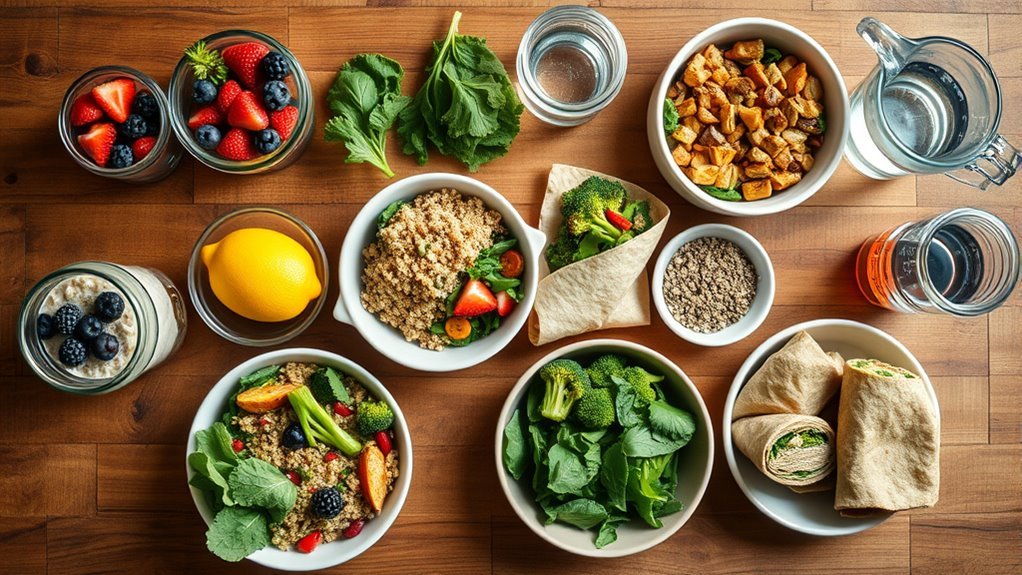
To lower your cholesterol effectively, you should boost your fiber intake by choosing whole grains and plenty of colorful vegetables. Whole grains like oatmeal, brown rice, and whole wheat bread add 3-4 grams of fiber per serving, especially soluble fiber, which helps reduce LDL cholesterol.
Replacing refined grains with whole grains is a simple dietary change that considerably improves cardiovascular health. Vegetables such as broccoli, carrots, and leafy greens provide additional fiber and essential nutrients that support heart health.
These whole foods not only lower LDL cholesterol but also supply unique phytochemicals that promote overall wellness. By consistently incorporating a variety of whole grains and vegetables into your meals, you increase soluble fiber intake, which can decrease LDL cholesterol by 5-10 grams daily.
This fiber boost supports better heart health and helps you feel full longer, aiding in weight management, a key factor in cardiovascular health. Embracing this nutrient-rich dietary change is a powerful step toward lowering cholesterol naturally.
Choose Healthy Fats and Cut Saturated Fat Sources
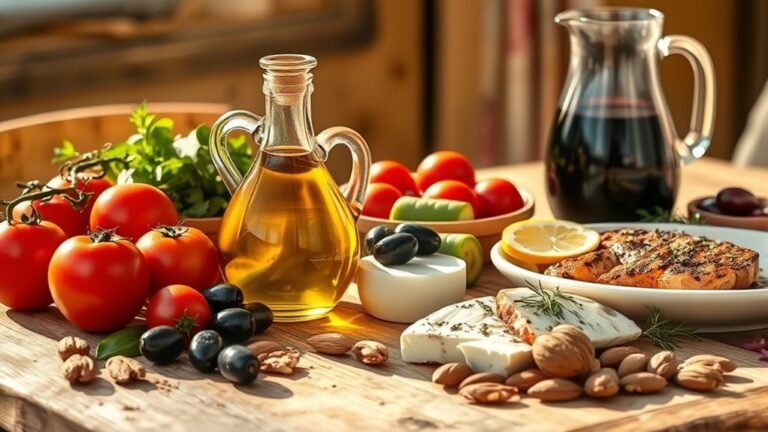
Increasing fiber intake with whole grains and vegetables lays a strong foundation for heart health, but managing the types of fats you consume plays an equally important role in lowering cholesterol. You should focus on choosing healthy fats by replacing saturated fats with unsaturated fats found in olive oil, nuts, and seeds.
This simple swap can lower your LDL cholesterol by up to 10%. Opt for lean meats labeled “round,” “loin,” or “sirloin,” and prefer skinless poultry and fish, which are naturally lower in saturated fats. Be mindful of cooking methods, favoring broiling, grilling, or baking instead of frying to minimize added saturated fats.
Also, limit full-fat dairy products like cheese and butter, as they contribute considerably to saturated fat intake. By making these choices, you actively support cholesterol reduction and promote overall heart health through balanced fat consumption.
Make Heart-Healthy Snacks and Simplify Meal Prep
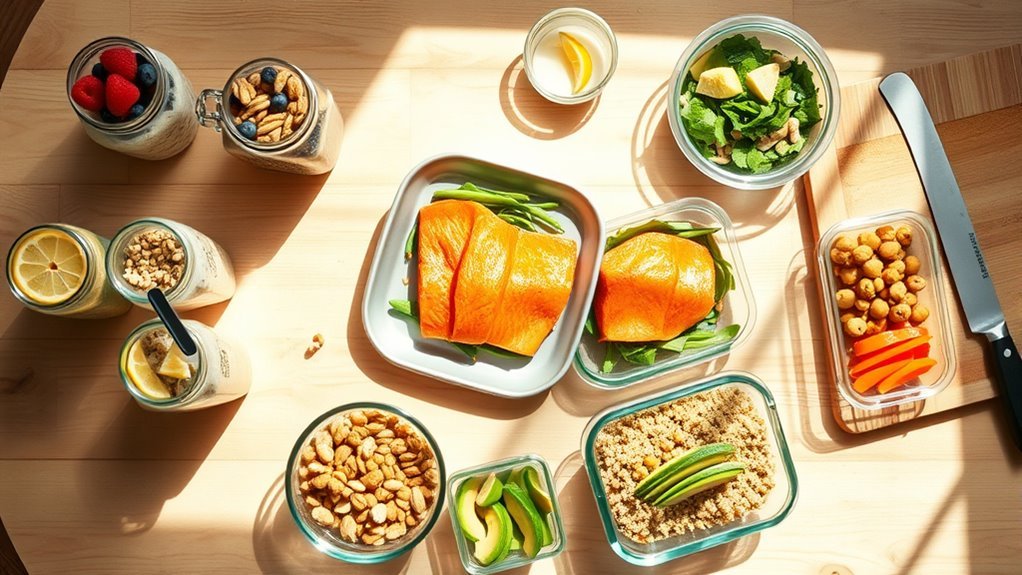
When you prepare heart-healthy snacks ahead of time, you’re more likely to reach for nutritious options like fruit, plain yogurt, or veggie sticks with hummus instead of processed foods. Keep ready-to-eat fruits and pre-cut vegetables on hand to make healthy choices effortless.
Including nuts and seeds adds fiber and healthy fats, boosting heart health. Simplify meal prep by cooking larger portions, so you have nutritious options ready throughout the week. This approach reduces daily cooking time and minimizes temptation to grab unhealthy snacks.
Incorporate simple ingredient swaps like whole grain bread and reduced-fat dairy to further enhance your meals without extra effort. Planning meals using a basic template helps maintain consistency, ensuring you stick to heart-healthy snacks and meals that support lowering cholesterol.
Frequently Asked Questions
How Quickly Can Cholesterol Levels Improve With This Meal Plan?
You can expect cholesterol reduction to start within 3 to 4 weeks when you stick to this meal plan. Diet effectiveness improves as you maintain nutritional balance and focus on fat reduction.
Lifestyle adjustments, like regular exercise, boost health improvements even more. Monitoring progress helps you stay on track, and dietary changes become easier over time.
The meal plan timeline shows that consistent effort leads to meaningful cholesterol improvements within a month or two.
Are Supplements Necessary Alongside This Cholesterol-Lowering Diet?
You don’t always need supplements; omega-3s can cut triglycerides by up to 50%, but their effect on LDL is limited. When considering supplement efficacy, think about nutrient absorption, medication interactions, and dosage requirements.
Safety considerations, supplement timing, and brand comparisons matter too. Herbal remedies and natural alternatives may help but check diet compatibility. Always consult your healthcare provider to make certain supplements support, not hinder, your cholesterol management safely.
Can This Meal Plan Be Adapted for Vegetarian or Vegan Diets?
Yes, you can easily adapt this meal plan using plant-based substitutions. Swap meat with vegan protein sources like soy-based proteins, tofu, or tempeh. Choose dairy alternatives such as nut-based spreads and fortified plant milks.
Embrace vegetarian meal swaps featuring grain-based meals and vegetable-centric dishes. Incorporate fruit-based snacks for natural sweetness. These meat-free options keep your diet heart-healthy while lowering cholesterol effectively without sacrificing flavor or nutrition.
How Does Physical Activity Complement This Cholesterol-Lowering Meal Plan?
Physical activity complements your meal plan by boosting exercise benefits like cardiovascular support and muscle health. You’ll want to focus on moderate workout intensity and varied movement types to improve physical endurance and energy levels.
Timing your activity consistently and maintaining activity frequency helps solidify fitness routines. This balance enhances how your body processes cholesterol, making your efforts more effective and sustainable for long-term heart health.
What Are Common Mistakes to Avoid When Following This Meal Plan?
When meal planning, avoid poor ingredient selection by choosing whole, minimally processed foods and respecting dietary restrictions. Don’t skip portion control or meal timing, as eating too much or irregularly can hurt your progress.
Be mindful of snack choices and use healthy cooking methods like baking or grilling. Enhance flavor with herbs instead of salt.
Also, plan grocery shopping and meal prep carefully to stay on track without resorting to unhealthy shortcuts.
Conclusion
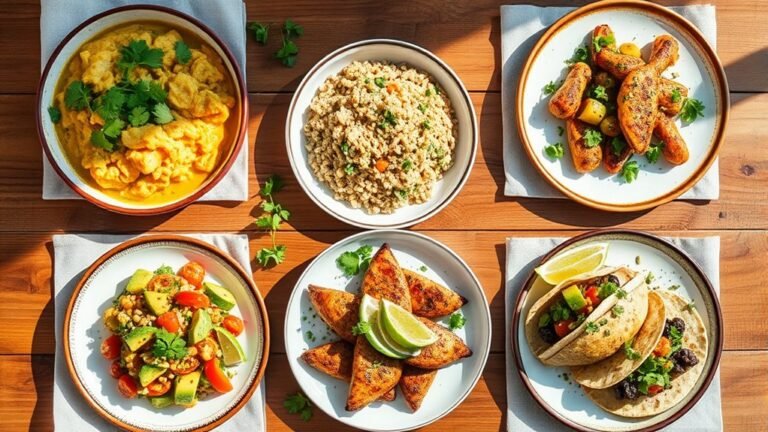
You’ve got this 7-day meal plan to lower cholesterol down pat. Just stick to lean meats, omega-3 rich fish, fiber-packed veggies, and healthy fats.
Remember, cutting saturated fat sources is your secret weapon. Think of it like tuning a vintage jukebox: a few simple adjustments bring out the best harmony in your heart health.
Keep snacks smart and meal prep easy, and you’ll be rocking a healthier you in no time!