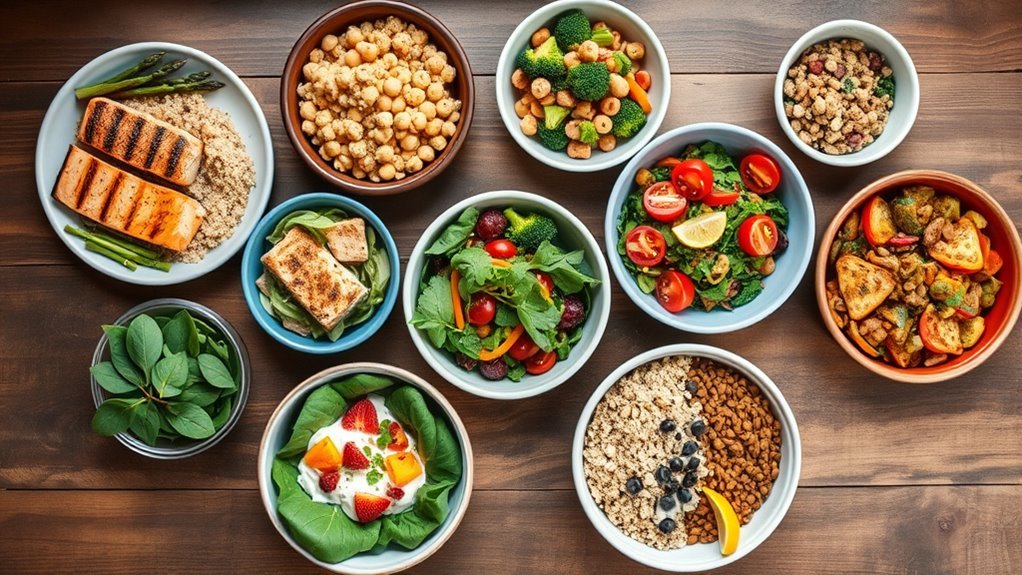
7 Simple Weight Loss Meal Plans for Women to Try
You can try seven simple weight loss meal plans that fit your lifestyle and boost results. Choose easy balanced low-calorie plans with lean proteins and healthy fats, high-protein menus to rev up metabolism, or fiber-rich options for better digestion.
Explore Mediterranean-inspired meals for heart health, plant-based plans to cut calories, quick recipes for busy days, and flexible menus that suit your tastes.
Keep going, and you’ll find tips to stay motivated and succeed long-term.
Easy Balanced Low-Calorie Weight Loss Meal Plans
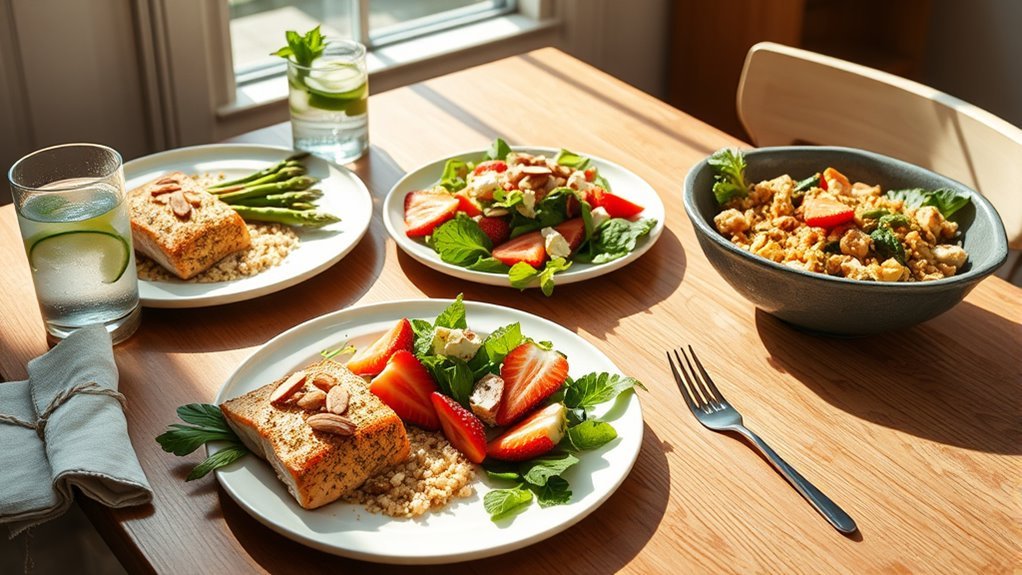
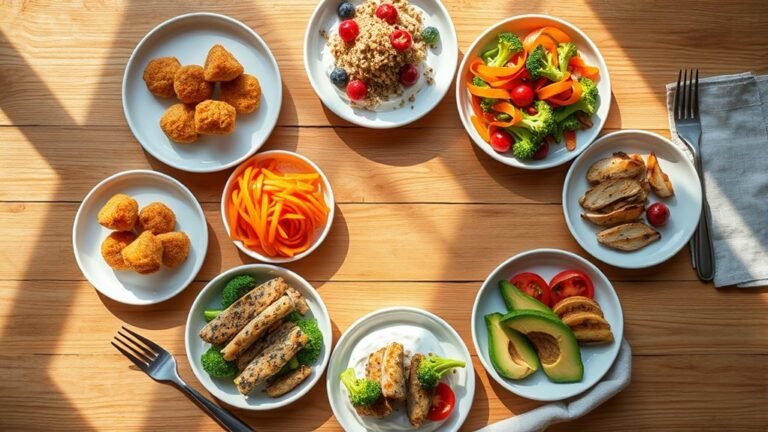
Although many weight loss plans can feel overwhelming, easy balanced low-calorie meal plans keep things simple by focusing on around 1,200 to 1,500 calories daily with nutrient-dense foods. You’ll build balanced meals featuring lean proteins like chicken, fish, and Greek yogurt combined with plenty of high-fiber vegetables and whole grains to keep you full. Incorporating healthy fats such as avocado, nuts, and olive oil supports energy without pushing your calorie limits.
To make sticking with this approach easier, try meal prep by batch-cooking proteins and chopping veggies ahead of time. This way, you can quickly assemble meals without stress. Practicing portion control is key. Measuring servings helps you maintain the right calorie intake for sustainable weight loss.
These low-calorie plans are flexible and affordable, letting you adapt meals to your tastes while steadily reaching your goals without feeling deprived.
High-Protein Weight Loss Meal Plans to Boost Metabolism
Building on balanced low-calorie meal plans, boosting your protein intake can considerably enhance your weight loss results by supporting metabolism and muscle maintenance. A high-protein meal plan helps increase satiety, so you naturally reduce calorie intake while preserving lean muscle. This balance is key for effective weight loss and calorie control.
Here’s how to optimize your protein intake for weight loss:
- Aim for 1.6 to 2.2 grams of protein per kilogram of body weight daily to protect lean muscle.
- Choose high-protein foods like Greek yogurt, eggs, lean meats, and legumes to support metabolism.
- Spread your protein intake evenly across meals and snacks to maintain energy and enhance muscle repair.
- Remember, high-protein diets can boost your resting metabolic rate by about 80-100 calories daily, aiding fat loss.
Incorporating these strategies into your meal plan will help you burn more calories and feel fuller longer during your weight loss journey.
Fiber-Rich Weight Loss Meal Plans for Better Digestion
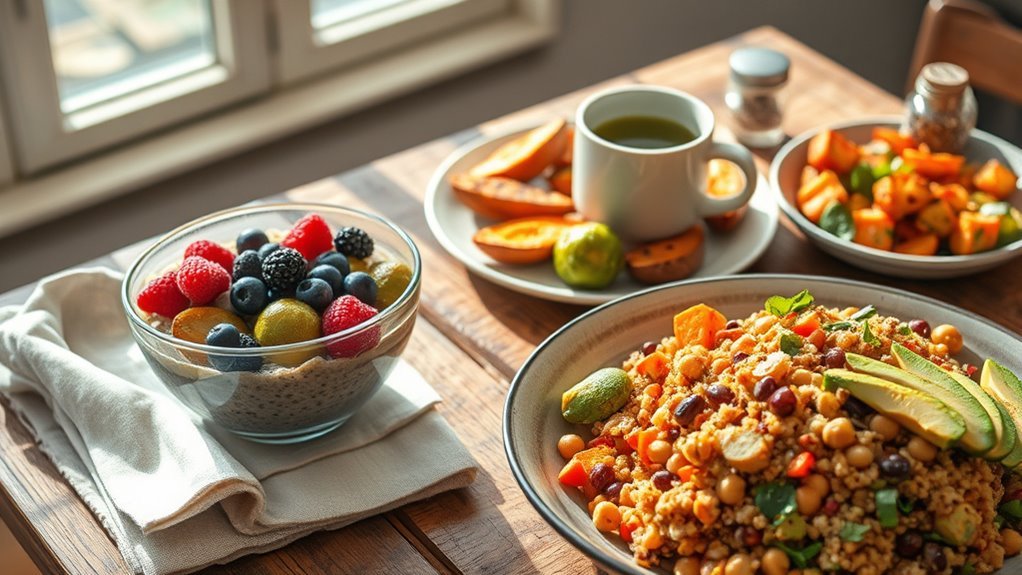
You’ll feel fuller longer and keep your digestion on track by adding fiber-rich foods like beans, berries, and leafy greens to your meals. Getting at least 25 grams of fiber a day supports regular bowel movements and helps reduce those pesky calorie cravings.
Benefits Of Fiber
Including fiber-rich foods in your meal plans can substantially boost weight loss by keeping you full longer and cutting down on overall calorie intake. Fiber slows digestion, increasing satiety and helping you avoid overeating.
Plus, soluble fiber found in oats, beans, and fruits supports healthy cholesterol and blood sugar levels. High-fiber diets also enhance gut health by nourishing beneficial bacteria and improving nutrient absorption.
Here are four key benefits of fiber to keep in mind:
- Promotes weight loss by reducing hunger and calorie intake
- Supports digestion and prevents constipation
- Regulates blood sugar and lowers cholesterol through soluble fiber
- Enhances gut health by feeding good bacteria
Aim for at least 25 grams of fiber daily to maximize these benefits and support your weight loss journey.
High-Fiber Meal Ideas
Three simple high-fiber meal ideas can help you stay full longer and keep your digestion on track. Incorporate vegetables, whole grains, and legumes to boost your fiber intake and support weight loss.
For example, start with oatmeal topped with berries, enjoy a mixed greens salad with roasted vegetables, or snack on Greek yogurt with raw veggies and hummus. These fiber-rich meals aid appetite control, promote digestion, and stabilize blood sugar.
| Meal Idea | Key Fiber Sources |
|---|---|
| Oatmeal with Berries | Oats, berries (soluble fiber) |
| Mixed Greens Salad | Leafy vegetables, legumes |
| Roasted Vegetable Bowl | Roasted vegetables, whole grains |
| Greek Yogurt & Veggies | Vegetables, yogurt |
| Bran Flakes & Apple | Bran flakes, apple |
Mediterranean-Inspired Weight Loss Meal Plans for Heart Health
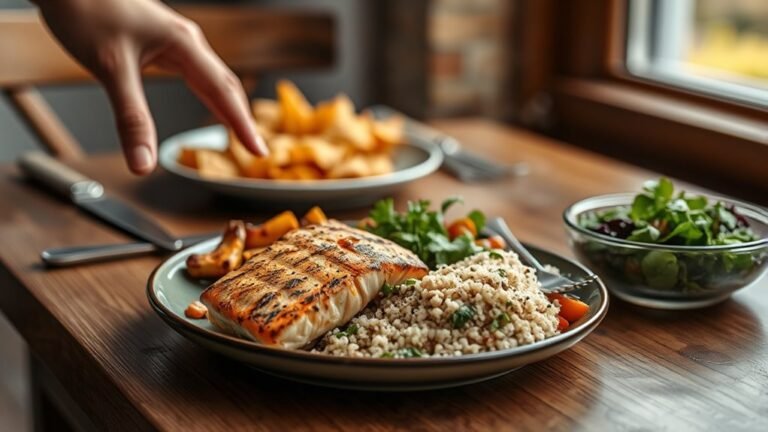
When you adopt a Mediterranean-inspired meal plan, you tap into a diet rich in fruits, vegetables, whole grains, legumes, nuts, and healthy fats like olive oil. All of these support heart health and weight management. This Mediterranean diet focuses on balanced macronutrients and portion control, helping you achieve sustainable weight loss while protecting your cardiovascular system.
Embrace a Mediterranean meal plan rich in whole foods and healthy fats for heart health and lasting weight loss
To optimize your plan:
- Include healthy fats daily from olive oil and nuts to boost satiety and reduce overeating.
- Eat omega-3-rich fish such as salmon or sardines regularly to lower inflammation and improve lipid profiles.
- Prioritize whole grains, legumes, and vegetables for fiber and nutrient density.
- Control portions to maintain calorie balance and support steady weight loss.
Plant-Based Weight Loss Meal Plans to Cut Calories
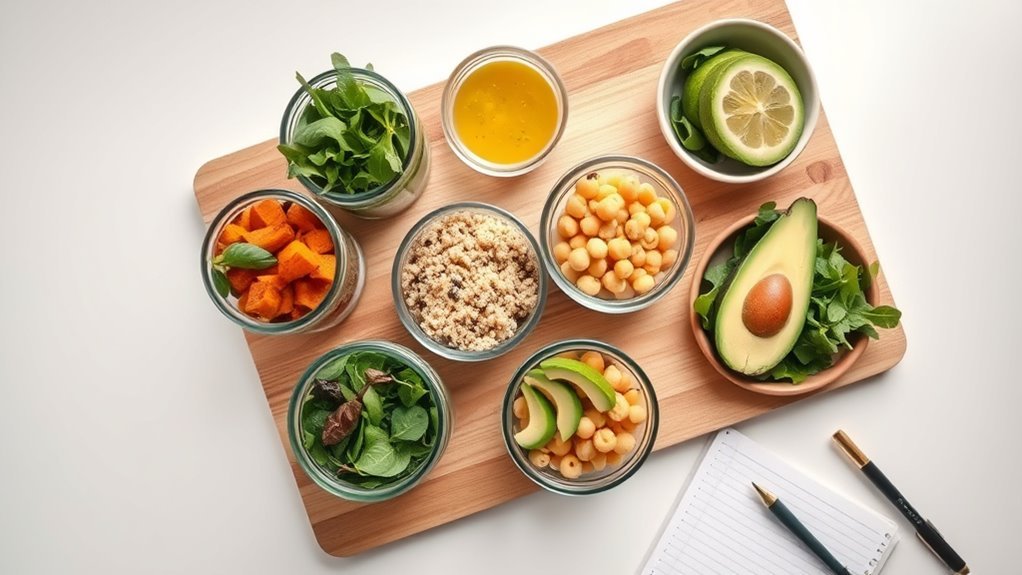
Shifting your focus toward plant-based meal plans can help you cut calories without feeling deprived. By emphasizing whole grains, vegetables, fruits, and plant proteins like beans and tofu, you naturally reduce calorie density while boosting fiber intake. This combo enhances satiety, making it easier to control hunger throughout the day.
Plant-based weight loss meal plans also limit added sugars and saturated fats. Instead, they use herbs and spices to add flavor without extra calories. Incorporating these elements supports sustainable weight loss and keeps your meals satisfying.
| Component | Benefits | Examples |
|---|---|---|
| Whole Grains | Rich in fiber, satiety | Quinoa, brown rice |
| Plant Proteins | Low calorie, high protein | Lentils, tofu, tempeh |
| Vegetables | Fiber-rich, low calorie | Spinach, broccoli |
| Healthy Fats | Flavor, heart health | Olive oil, nuts |
Try this approach to enjoy nutrient-dense, calorie-conscious meals that support your weight loss goals.
Quick and Easy Weight Loss Meal Plans for Busy Women
Although your schedule may be packed, you can still stick to a weight loss plan by choosing quick and easy meals designed for busy women. Focus on protein-rich breakfasts like Greek yogurt with berries or hard-boiled eggs and whole-grain toast to keep you full longer. Embrace simple recipes using nutrient-dense ingredients such as pre-washed veggies, canned beans, and lean meats that need minimal prep.
To help you maintain energy levels and healthy eating habits, consider these tips:
- Batch cook grilled chicken and chop vegetables ahead for speedy meals.
- Use quick-cooking grains like quinoa or oats combined with fresh fruit and healthy fats.
- Keep protein-rich snacks handy, such as nuts, low-fat cheese, or fruit.
- Opt for meals that take under 30 minutes to prepare, ensuring weight loss stays manageable.
Meal prep and quick meals tailored for busy women make weight loss achievable without sacrificing nutrition or time.
Flexible Weight Loss Meal Plans for Different Tastes and Needs
Balancing your taste preferences and dietary needs doesn’t have to complicate your weight loss plan. Flexible meal plans let you tailor your meals to fit your unique dietary preferences, whether you prefer vegetarian, Mediterranean, or low-carb options.
By using customizable portions and meal swaps, you can adjust meals to match your lifestyle, budget, and nutritional needs without feeling restricted. Incorporating a variety of flavors and textures helps keep your menu exciting, preventing boredom and boosting satisfaction.
Plus, many plans include quick recipes that you can whip up in under 30 minutes, perfect for busy days. This flexibility supports sustainable weight loss by allowing you to maintain consistency while enjoying the foods you love.
Frequently Asked Questions
How Can I Stay Motivated Throughout My Weight Loss Journey?
You can stay motivated by setting realistic goals and using self-discipline strategies that fit your lifestyle. Track your progress with methods like journaling or apps to see improvements clearly.
Establish routines that make healthy choices automatic, and manage emotional eating by recognizing triggers. Overcoming plateaus becomes easier with positive reinforcement and adjusting your plan.
Lean on social support systems to stay encouraged and accountable throughout your weight loss journey.
What Are the Best Snacks to Support Weight Loss Between Meals?
To support weight loss between meals, choose snacks like healthy nuts, fresh fruits, and veggie sticks. Greek yogurt and cottage cheese provide protein and keep you full longer.
Hard boiled eggs are another great option for quick energy. Rice cakes topped with nut butter or protein bars can curb cravings without excess calories.
These snacks help maintain your energy and prevent overeating, making it easier for you to stick with your goals.
How Important Is Hydration in a Weight Loss Meal Plan?
Hydration benefits your metabolism, your energy, and your appetite control. You shouldn’t overlook water intake tips like sipping regularly and choosing hydrating foods.
Knowing dehydration signs helps you stay alert, while maintaining electrolyte balance supports muscle function. Pay attention to hydration timing. Drink before you feel thirsty to avoid confusing thirst vs. hunger.
Don’t fall for hydration myths. Consistent hydration fuels your weight loss journey effectively and keeps you feeling your best every day.
Can I Still Enjoy Occasional Treats Without Hindering Progress?
You can still enjoy occasional treats without hindering progress by practicing indulgence moderation and balancing how often you have treats. Use healthy dessert options and sugar substitutes to satisfy cravings.
Apply mindful eating techniques and portion control tips to avoid overeating. Incorporate cheat day strategies wisely so treats don’t derail your goals.
Stay aware of emotional eating, making sure you indulge for enjoyment, not stress relief. This approach keeps your weight loss journey sustainable and enjoyable.
How Do I Adjust Meal Plans for Hormonal Changes or Menopause?
You’ll need to adjust your meal plan by focusing on hormonal balance during menopause. Include foods that support thyroid health and stabilize insulin sensitivity to combat hormonal fluctuations.
Manage cortisol impact by eating balanced meals with protein, healthy fats, and fiber. Prioritize a menopause diet rich in phytoestrogens to ease menopause symptoms and support estrogen levels.
Staying hydrated and avoiding processed sugars also helps you maintain progress despite hormonal changes.
Conclusion
Think of your weight loss journey like tending a garden. Each meal plan is a different seed you can plant: balanced, high-protein, fiber-rich, Mediterranean, plant-based, quick, or flexible. By choosing the right seeds and nurturing them with consistency, you’ll watch your progress bloom beautifully.
Remember, every small meal choice you make waters your goals, helping you grow stronger, healthier, and more vibrant each day. So, pick your plan and start cultivating your success today!