
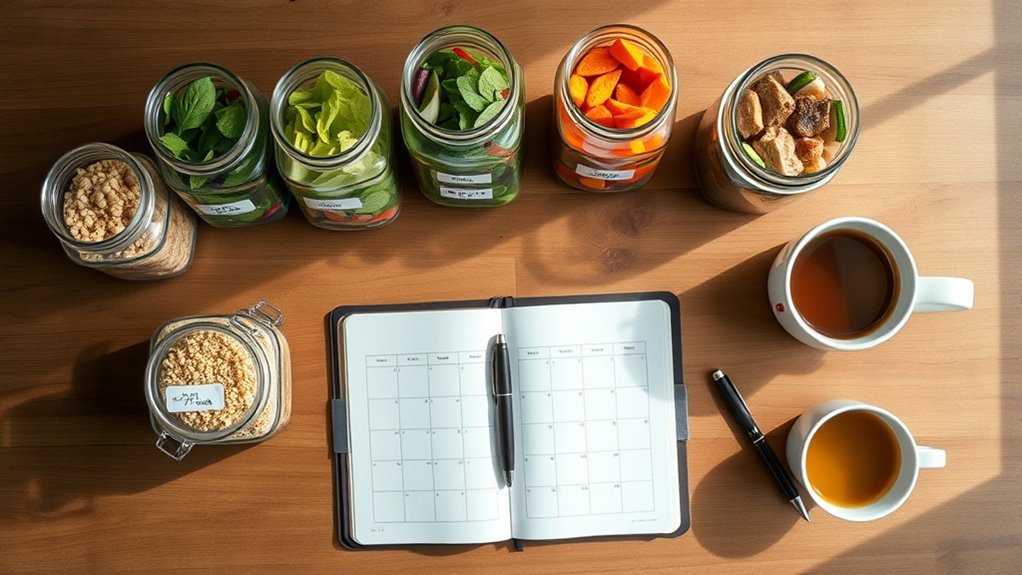
7 Steps to a 30 Day Meal Plan for Women’s Weight Loss
To start your 30-day weight loss plan, set realistic goals like losing 4 to 8 pounds safely by creating a steady calorie deficit.
Calculate your daily calorie needs considering activity level, then choose lean proteins, high-fiber veggies, whole grains, and healthy fats for balanced meals.
Practice portion control and prep meals weekly for consistency.
Track your progress and adjust as needed to stay on course.
Keep going, and you’ll discover more ways to fine-tune your plan for success.
Set Safe and Realistic Weight Loss Goals for the Next 30 Days
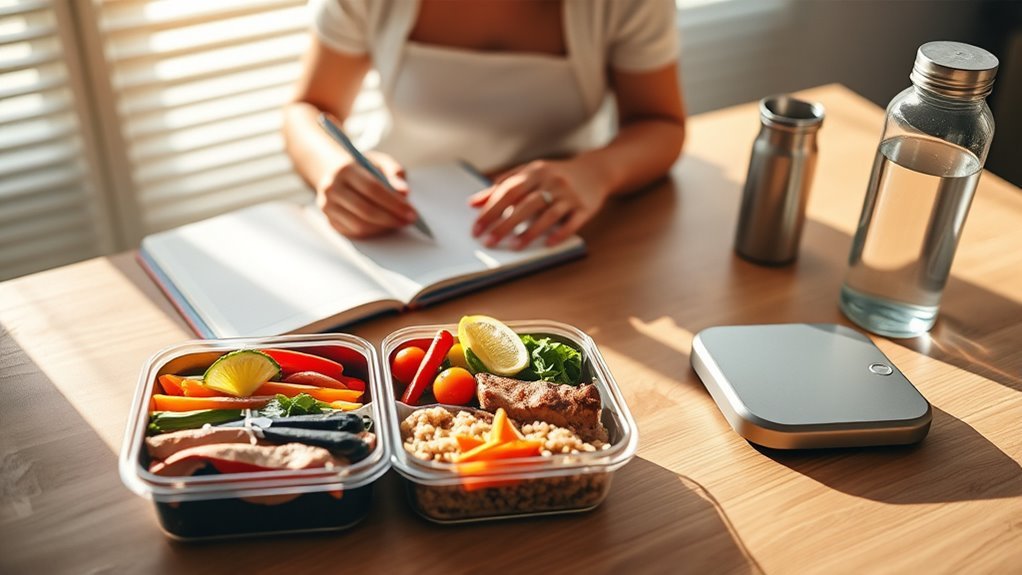
Although it’s tempting to aim for rapid results, setting a safe and realistic weight loss goal of 4 to 8 pounds over the next 30 days will help you stay healthy and maintain your progress. Achieving sustainable progress means focusing on weight loss goals that support a steady calorie deficit without risking muscle loss or nutrient deficiencies.
Start by creating a personalized plan based on your current weight, activity level, and overall health. This tailored approach ensures your goals fit your unique needs and lifestyle. Tracking progress regularly is essential to stay on course, allowing you to adjust your plan if you hit any plateaus or challenges.
Figure Out Your Daily Calorie Needs for Weight Loss
To figure out your daily calorie needs, start by calculating your Basal Metabolic Rate (BMR). This estimates the calories your body burns just by resting. Next, you’ll want to adjust that number based on how active you are.
That way, you can find your Total Daily Energy Expenditure (TDEE). Once you have that, it gives you a clear starting point to create a calorie deficit for weight loss. It’s a simple way to know how much you should be eating each day to reach your goals.
Calculate Basal Metabolic Rate
How many calories does your body need each day just to keep you alive? This is your Basal Metabolic Rate (BMR), the calories required to maintain basic functions like breathing and circulation.
You can estimate your BMR using the Harris-Benedict equation, which factors in age, sex, weight, and height. Knowing your BMR is essential for calculating your Total Daily Energy Expenditure (TDEE), which includes calories burned through daily movement.
For weight loss, create a calorie deficit, usually about 500 calories below your TDEE, to safely shed pounds. Accurately calculating your BMR and understanding your daily energy expenditure lets you set a personalized calorie goal tailored to your body’s needs. This makes your 30-day meal plan effective and sustainable.
Adjust Calories For Activity
Now that you’ve calculated your Basal Metabolic Rate (BMR), it’s time to adjust those calories based on your daily activity level. Multiply your BMR by an activity factor: sedentary, lightly active, moderately active, or very active. This will give you your Total Daily Energy Expenditure (TDEE).
This TDEE shows your actual calorie needs when you consider physical activity. To support weight loss, create a calorie deficit of about 500 calories from your TDEE. Aim for a steady, sustainable plan.
Choose Lean Proteins and High-Fiber Vegetables for Your Meal Plan
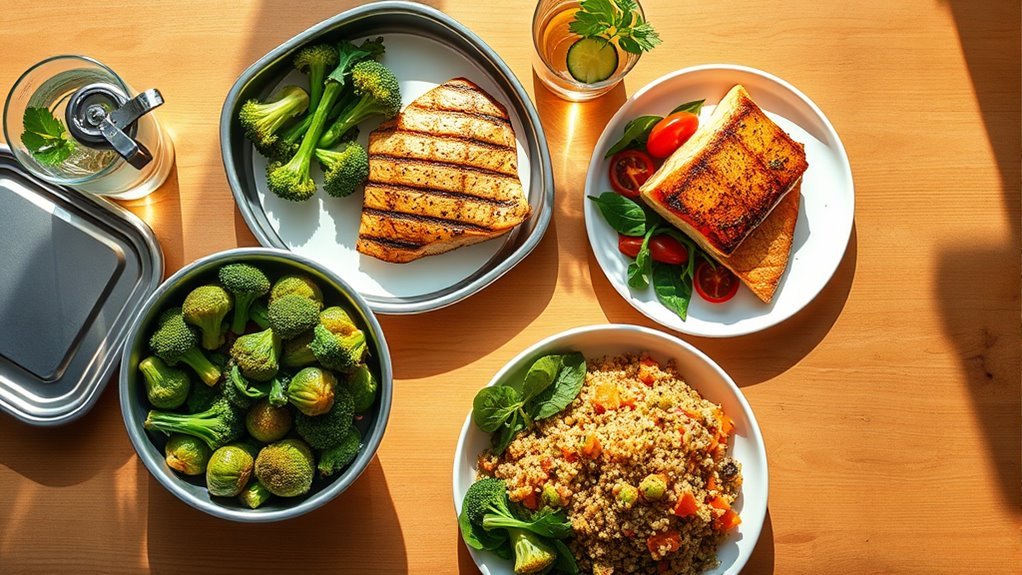
When you choose lean proteins like chicken, turkey, salmon, and Greek yogurt, you support muscle preservation and stay fuller longer. These proteins help you maintain muscle while encouraging weight loss.
Pairing them with high-fiber vegetables such as broccoli, spinach, kale, and Brussels sprouts enhances digestion and controls hunger by adding volume with fewer calories. Including these fiber-rich veggies in your meal plan not only boosts nutrient intake but also stabilizes blood sugar levels, reducing cravings.
Balanced meals combining lean proteins and high-fiber vegetables provide sustained energy throughout your 30-day journey. This approach guarantees you get essential vitamins and antioxidants while keeping meals satisfying and nutritious.
Add Whole Grains and Healthy Fats to Your Meals
You’ll want to include whole grains like quinoa and brown rice because they help keep you full and steady your blood sugar. Plus, adding healthy fats from avocados, nuts, and olive oil is great for supporting hormone balance and making your meals more satisfying. When you combine these choices, they boost your energy and make it easier to stick to your plan.
Benefits of Whole Grains
Although it might seem simple, adding whole grains like quinoa, oats, and brown rice to your meals can considerably enhance your weight loss journey by keeping you fuller longer and curbing appetite. Whole grains are packed with fiber, which promotes satiety and supports healthy digestion.
This fiber also helps stabilize blood sugar levels, preventing energy crashes and reducing cravings that can derail your progress. Plus, whole grains provide essential nutrients like B vitamins, magnesium, and antioxidants that boost your energy levels and overall health.
Sources of Healthy Fats
How can adding healthy fats transform your weight loss meals? Healthy fats like avocados, nuts and seeds, and olive oil provide essential omega-3 fatty acids that boost heart health and hormone production.
When you pair these fats with whole grains such as quinoa or oats, you enhance nutrient absorption and add flavor. This combination promotes satiety, helping you control hunger cravings and avoid overeating.
Including healthy fats in your meals also supports a steady energy release, which is crucial for weight loss and metabolic health. By incorporating sources of healthy fats, you create balanced meals that keep you full longer, nourish your body, and support your overall wellness journey.
Plan Balanced Meals With Portion Control
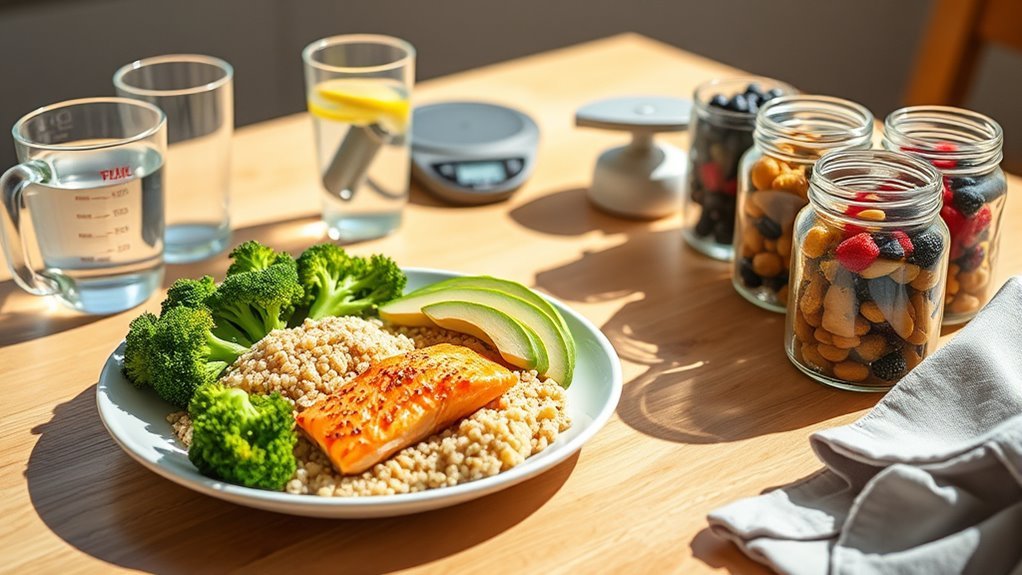
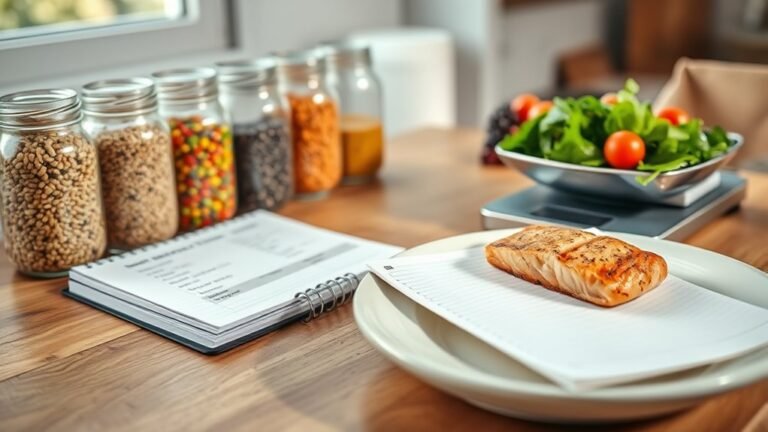
When planning balanced meals with portion control, using measuring cups and a food scale helps you serve the right amounts of proteins, grains, and vegetables. This precision guarantees your meals stay within calorie goals and support your weight loss.
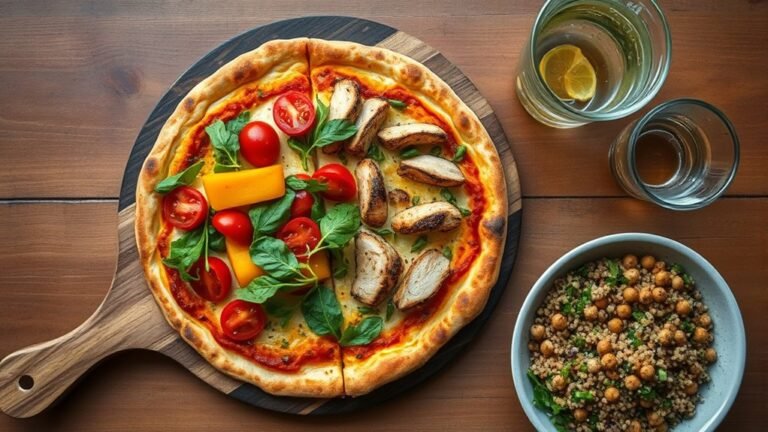
Fill half your plate with high-fiber vegetables, a quarter with lean protein, and a quarter with whole grains to maintain healthy portions. For calorie-dense foods like nuts and healthy fats, measure servings carefully to avoid overeating.
Follow recommended serving sizes, such as 3-4 ounces of cooked meat or fish and 1/2 cup of cooked grains, to keep your calorie management on track. Incorporating portion control into your meal planning reduces the risk of overeating during busy moments.
Create a Weekly Meal Prep Routine for Consistency
Why struggle with daily meal decisions when you can simplify your week by creating a meal prep routine? Dedicate a specific day, like Sunday, to batch cooking and portioning meals. This consistency reduces stress and supports healthy eating by keeping you on track with portion control.
Prepare high-protein foods such as grilled chicken, boiled eggs, and Greek yogurt in advance. Cooking large batches of whole grains like quinoa or brown rice lets you mix and match meals quickly throughout the week.
Don’t forget vegetable storage. Chop and store spinach, peppers, and broccoli in airtight containers for easy access. Label your prepped items with dates to maintain freshness and avoid waste.
Track Progress and Adjust Your Meal Plan as Needed
What signs tell you it’s time to tweak your meal plan? If your weight loss stalls, energy dips, or you feel unsatisfied after meals, it’s essential to track progress closely. Use a journal, app, or spreadsheet to monitor progress by recording your daily food intake, portion sizes, and how you feel.
Doing this helps you spot trends and areas needing change. Check your weight and measurements weekly to see if your calorie intake aligns with your goals. If progress slows, adjust your meal plan gradually. Reduce calories by 100-200 per day or modify portion sizes and food choices based on your activity level and body’s response.
Staying flexible ensures your plan supports sustainable weight loss. By consistently tracking progress and making informed adjustments, you’ll maintain momentum and keep your meals satisfying and effective. Remember, the key is to monitor, modify, and stay committed to your plan’s success.
Frequently Asked Questions
Can I Include Occasional Treats Without Ruining My Weight Loss Progress?
Yes, you can include occasional treats without ruining your weight loss progress by indulging responsibly. Use moderation strategies like portion control and cheat day tips to keep treats in check.
Manage your sweet tooth with treat alternatives and dessert swaps that fit your calorie goals. Incorporate reward systems and practice mindful eating to prevent guilt or bingeing.
Balancing treats with nutrient-dense foods guarantees you enjoy indulgences while staying on track.
How Do I Stay Motivated Throughout the 30-Day Meal Plan?
You’ll stay motivated by setting clear goals and tracking your progress regularly. Focus on meal prep and portion control to simplify healthy choices.
Incorporate meal variety to keep things exciting and practice mindful eating to enjoy every bite. Build a support system to share successes and challenges.
Use motivation tips like celebrating small wins and reminding yourself why you started. These strategies help you maintain enthusiasm and stay consistent throughout your journey.
What Are Some Quick and Healthy Snack Ideas to Satisfy Cravings?
You can curb cravings with healthy portioning by choosing nutrient-dense options like fruit and nut combos that balance natural sweetness and healthy fats. Protein-packed snacks such as hard-boiled eggs or Greek yogurt with berries keep you full longer.
For low-calorie choices, grab air-popped popcorn or veggie sticks with hummus. Quick energy bites and hydrating snacks like cucumber slices help maintain energy and hydration throughout the day without excess calories.
How Important Is Hydration During a Weight Loss Meal Plan?
Imagine Sarah, who struggled with constant fatigue until she boosted her water intake. Hydration benefits go beyond quenching thirst; they support electrolyte balance and muscle recovery.
You’ll want to listen to thirst cues and watch for dehydration signs like headaches. Timing your fluids around meals and workouts maximizes results.
Choose water or low-calorie beverages over sugary drinks. Following hydration tips guarantees you stay energized and on track with your weight loss goals.
Can I Adapt the Meal Plan for Dietary Restrictions or Allergies?
Yes, you can absolutely adapt the meal plan for your dietary needs. Use gluten-free options if you’re sensitive to gluten, and vegan substitutions or dairy-free alternatives if you avoid animal products.
For nut allergy concerns, pick soy-free choices or other safe proteins. Make low carb adjustments or keto-friendly swaps to fit your goals. Pescatarian modifications work well too.
Always double-check ingredients to keep your meals safe and satisfying.
Conclusion
By following these steps, you’re setting yourself up for success like a gardener nurturing seeds, patiently and with care. Remember, weight loss is a journey, not a race, so stay consistent and adjust your meal plan as you go.
With balanced meals, portion control, and a solid routine, you’ll see progress and feel stronger every day. Keep tracking and tweaking, and you’ll watch your efforts bloom into lasting results.


One Comment