What Is Tef in Nutrition and How to Use It Daily
TEF, or the Thermic Effect of Food, is the energy your body uses to digest and process what you eat. It makes up about 10-15% of your daily calorie burn.
Protein boosts TEF the most, so focusing on protein-rich meals can help increase metabolism and support weight management.
Meal size matters more than frequency because larger meals create a stronger TEF.
Staying active also helps keep TEF higher. Keep exploring these strategies to optimize how your body burns calories.
What Is the Thermic Effect of Feeding (TEF)?

Although you might not notice it, your body burns extra calories after you eat, thanks to the thermic effect of feeding (TEF). TEF refers to the increase in energy expenditure caused by digesting, absorbing, and processing the food you consume.
This process accounts for a small percentage of total daily energy expenditure, typically around 10-15%. That means a modest but important part of your daily calorie burn comes from the work your body does after meals.
The size of your meal influences TEF too. Larger meals trigger a greater rise in energy expenditure compared to smaller, more frequent ones. TEF plays an essential role in your non-resting energy expenditure and helps shape your overall metabolic rate.
Understanding TEF gives you insight into how digestion affects calorie burn, adding another layer to managing your nutrition and energy balance effectively.
How Different Macronutrients Affect TEF
You’ll notice that protein has the highest thermic effect—it uses about 30% of its calories just for digestion. Carbohydrates, on the other hand, require less energy, around 10-15%, which makes them more efficient to process. Then there are fats, which have the lowest impact; their thermic effect ranges from 0 to 10%, depending on the type.
Protein’s High Thermic Effect
When you eat protein, your body burns more calories during digestion compared to fats or carbohydrates because protein has the highest thermic effect of food (TEF), using about 30% of its calories just to process it. This means protein-rich meals boost your metabolic rate more substantially than other macronutrients.
As your body works harder for protein digestion, it also enhances protein synthesis and muscle repair, which are essential for maintaining lean muscle mass. This increased thermogenesis helps raise your daily calorie expenditure, supporting weight management.
Plus, excess calories from protein are less likely to be stored as fat due to its high TEF. So, including more protein in your diet not only aids muscle recovery but also keeps your metabolism revved, making it a smart choice for overall health.
Carbohydrates Moderate Energy Use
Protein’s high thermic effect substantially boosts your metabolism, but it’s not the only macronutrient influencing energy use during digestion. Carbohydrates have a moderate thermic effect, increasing energy expenditure by about 10-15%. This effect is lower than protein’s but higher than fats.
When you focus on carbohydrate timing, such as consuming carbs earlier in the day, you can optimize energy use. Choosing carbs with a low glycemic index and higher fiber content, like whole grains or tef, slows digestion and slightly enhances TEF compared to simple sugars.
Including complex carbs in your meals supports steady energy release and metabolic health. Balancing your carbohydrate intake throughout the day helps maintain a moderate but meaningful increase in your daily energy expenditure, contributing to overall metabolic efficiency.
Fat’s Low Thermogenesis Impact
Although fats provide essential nutrients and energy, their thermic effect is the lowest among macronutrients, typically ranging from 0 to 10%. When you consume fats, your body uses less energy for fat metabolism compared to digesting proteins or carbohydrates.
Because fats have a high energy density, excess calorie intake from them is more prone to lipid storage, leading to increased body fat. The low thermogenesis impact means fats don’t markedly boost your metabolic rate after meals.
If you want to enhance your daily calorie burn through the thermic effect of food, focusing on higher protein and carbohydrate intake is more effective. Understanding fat’s minimal TEF helps you make smarter nutrition choices for managing energy balance and body composition.
Why Does Protein Have the Highest TEF?
Why does protein demand more energy to digest than other macronutrients? It’s because your body works harder to process protein, using about 25-30% of its calories just for digestion. Here’s why protein has the highest thermic effect of food (TEF):
- Amino acid breakdown: Your body must break down complex amino acids, which requires more ATP and generates more heat than carbs or fats.
- Protein synthesis: After digestion, your body uses amino acids to build new tissues and enzymes, increasing energy expenditure further.
- Higher energy expenditure: This combined digestion and synthesis process burns more calories than metabolizing fats or carbohydrates.
- Satiety and muscle preservation: High TEF from protein promotes fullness and helps preserve muscle during weight loss, indirectly supporting metabolism.
How Meal Size and Frequency Influence TEF

You might think that eating more often boosts your metabolism, right? But actually, meal size plays a bigger role in TEF than how frequently you eat. When you have larger meals, your body fires up a stronger thermic response. This means you burn more energy overall compared to eating several small meals with the same total calories. So, let’s dive into how changing meal size and frequency can affect how your body uses energy.
Meal Size Effects
Three or fewer large meals can boost your thermic effect of feeding (TEF) more than several smaller meals with the same total calories. Meal size plays a key role in stimulating digestion and metabolic processes, impacting TEF more than meal frequency.
To optimize your TEF through meal size, consider these points:
- Meal timing matters. Space larger meals to allow efficient digestion.
- Practice portion control to avoid overeating but still benefit from larger meal-induced TEF.
- Larger meals enhance digestive efficiency, increasing energy used during metabolism.
- Focus on overall calorie intake since it influences total daily TEF more than how often you eat.
Frequency Versus Calories
While meal size plays a significant role in boosting your thermic effect of feeding (TEF), it’s also important to understand how meal frequency interacts with calorie intake. Meal timing and how often you eat don’t greatly change your total daily TEF if your calorie intake stays the same.
Larger meals trigger a higher TEF because they require more energy for nutrient absorption and a slower digestion rate. In contrast, spreading calories across smaller, frequent meals results in a lower overall TEF, even though you eat more often.
How TEF Affects Your Daily Calorie Burn
Because your body uses energy to digest, absorb, and process the food you eat, the thermic effect of feeding (TEF) plays an essential role in your daily calorie burn. TEF can boost your metabolism by about 10% to 15%, influenced by what and when you eat. Factors like fiber absorption, meal timing, and hydration effects also shape how efficiently your body burns calories through TEF.
Here’s how TEF impacts your daily calorie burn:
- High-protein meals considerably increase TEF, burning more calories during digestion.
- Larger meals trigger a higher TEF compared to smaller, frequent meals.
- Protein-rich diets optimize TEF, enhancing your overall calorie expenditure.
- Meal timing and hydration support better nutrient absorption, which can subtly enhance TEF.
How Age and Activity Affect TEF

Your body’s ability to burn calories through TEF doesn’t stay the same throughout life. It changes with your age and activity levels. As aging metabolism slows down, your TEF naturally decreases because your digestive and metabolic processes become less efficient.
Younger people tend to have a higher TEF response thanks to more active metabolism and better muscle mass. However, you can influence this by increasing your physical activity. Regular exercise not only boosts your overall metabolism but also supports muscle preservation, which helps maintain a higher TEF.
Staying active stimulates digestive efficiency and raises your resting energy expenditure. This can counter some effects of an aging metabolism. For older adults, focusing on muscle preservation through strength training and higher protein intake can help mitigate TEF decline.
Using TEF for Weight Loss and Metabolism
When you adjust your diet to increase protein intake, you can boost your TEF by up to 30%. This substantially raises the number of calories your body burns daily. Using TEF strategically supports weight loss and metabolism by optimizing how your body processes food.
Here’s how you can leverage TEF effectively:
- Prioritize high-protein, low-carb meal composition to promote fat loss while preserving muscle mass.
- Emphasize nutrient timing by consuming larger, less frequent meals to maximize TEF compared to small, frequent snacks.
- Balance your macronutrients thoughtfully to sustain a higher metabolic rate without increasing total calorie intake.
- Use TEF knowledge to design meals that increase energy expenditure naturally, supporting sustainable weight management.
How to Plan Meals That Boost Your TEF
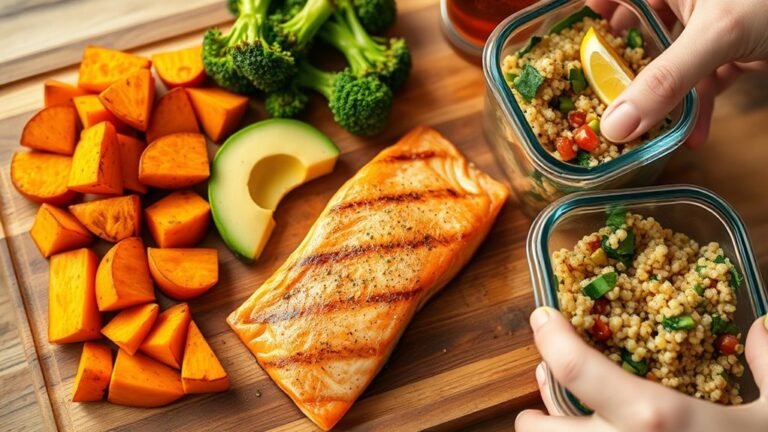
Although planning meals to boost your thermic effect of feeding (TEF) might seem complex, focusing on balanced, protein-rich options can make a big difference. Start by incorporating higher-protein foods like lean meats, eggs, and dairy, as protein has the highest TEF among macronutrients.
Instead of eating many small meals, opt for larger, well-balanced meals that combine protein with nutrient-dense whole foods. This approach improves digestion and elevates your metabolic response. Pay close attention to meal timing. Spacing your meals evenly helps maintain a steady TEF boost throughout the day.
Portion control is equally important; oversized meals can backfire, so aim for portions that satisfy without excess. Prioritize nutrient density by choosing whole foods rich in vitamins and minerals to support overall metabolism.
Debunking Common Myths About TEF and Diet
Since many people rely on outdated ideas about diet and metabolism, it’s important to clear up common myths about the thermic effect of feeding (TEF). TEF varies due to genetic factors and metabolic differences, so understanding the facts helps you make better choices without falling for misconceptions.
- Eating small, frequent meals won’t significantly boost TEF; total calorie intake matters more than meal frequency.
- Low-carb diets don’t inherently increase TEF; instead, higher protein intake drives the rise in energy expenditure.
- Dietary fats have a low thermic effect (0-10%), much less than proteins or carbs, so don’t overestimate their calorie-burning impact.
- TEF isn’t negligible. It contributes to your daily calorie burn and supports weight management better than some dietary supplements claim.
Knowing these truths empowers you to focus on what genuinely influences metabolism and avoid wasting effort on ineffective strategies.
Frequently Asked Questions
Can TEF Improve Digestion Beyond Calorie Burning?
Yes, TEF can improve digestion beyond just burning calories. When you eat, TEF promotes digestive enzyme activation, which helps break down food more efficiently.
It also supports gut microbiome diversity by encouraging a healthy environment for beneficial bacteria. This boosts nutrient absorption efficiency, so your body gets more from the foods you eat.
Does TEF Vary Between Individuals With Different Gut Bacteria?
Yes, TEF does vary between individuals with different gut bacteria. Your gut bacteria influence how efficiently you digest food and extract energy, which directly affects TEF.
How Does Hydration Impact the Thermic Effect of Feeding?
Your hydration levels directly impact the thermic effect of feeding by supporting your metabolic rate and nutrient absorption. When you stay well-hydrated, your body breaks down and absorbs nutrients more efficiently, which boosts TEF.
Drinking water before or during meals enhances enzymatic activity, helping your metabolism work harder. On the other hand, dehydration can slow your metabolic rate and reduce this energy expenditure, so keeping fluids up is key to maximizing TEF.
Can Certain Supplements Enhance TEF Naturally?
Yes, certain supplements can naturally enhance TEF by promoting supplement synergy and improving nutrient absorption. For example, caffeine, green tea extract, and capsaicin work together to boost your metabolic rate and thermogenesis.
Protein powders and CLA also support this natural enhancement by increasing energy expenditure during digestion. Remember, these supplements offer modest benefits and work best when combined with a balanced diet and active lifestyle for ideal results.
Is TEF Influenced by the Time of Day You Eat?
TEF isn’t strongly influenced by the timing effects of when you eat. While your metabolic rate might be slightly higher in the morning, meal composition and size play a much bigger role in boosting TEF.
You’ll get better results focusing on what you eat rather than when. So, prioritize nutrient-dense meals and balanced macros throughout the day instead of stressing over exact meal times to optimize your body’s thermic response.
Conclusion
Now that you know TEF boosts your calorie burn by digesting food, you can use this knowledge like a 21st-century knight wielding a calorie-slaying sword. Focus on protein-rich meals and balanced snacks throughout the day to keep your metabolism revving.
Remember, just like a trusty old pocket watch, your body’s efficiency changes with age and activity. So, plan smartly, eat well, and let TEF work its magic to help you reach your health goals.