How to Create a Meal Plan to Lower Cholesterol and Lose Weight
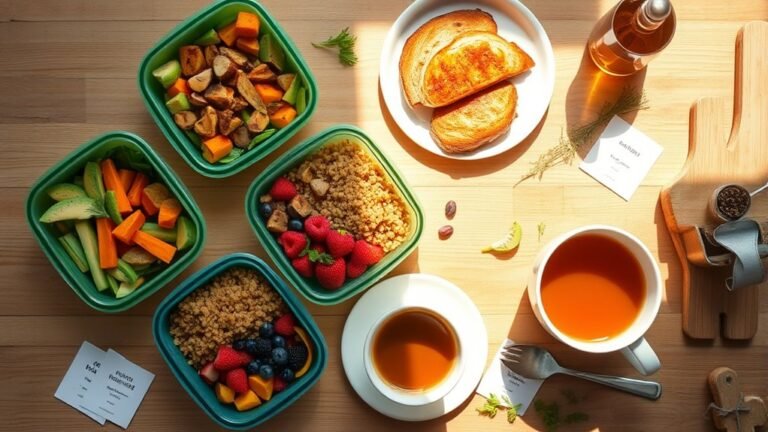
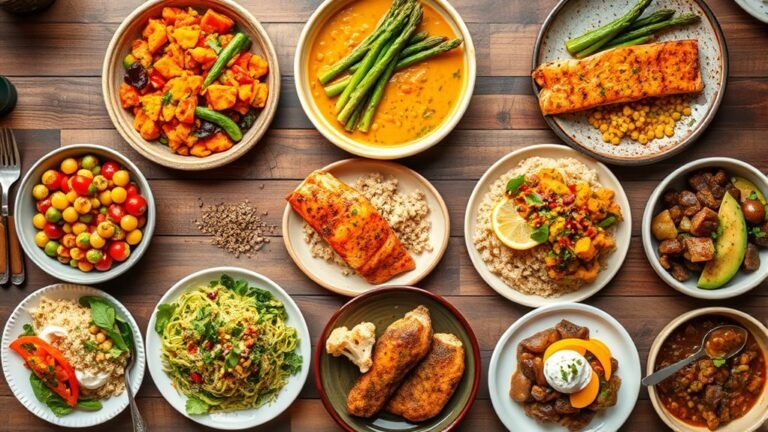
To create a meal plan that lowers cholesterol and supports weight loss, focus on fiber-rich foods like oats, beans, fruits, and veggies. These naturally reduce LDL cholesterol.
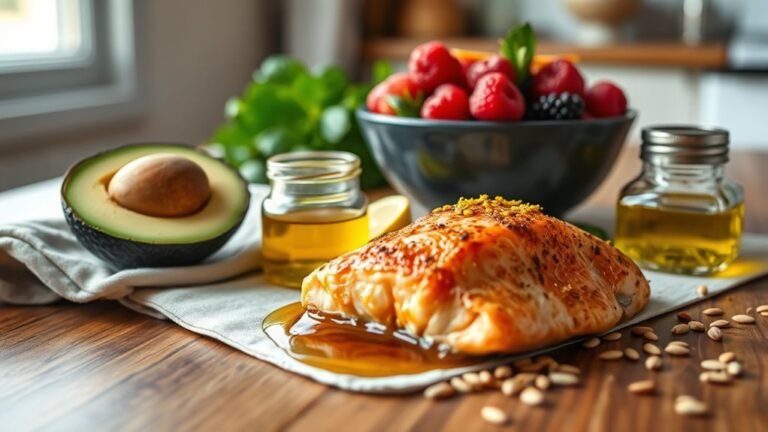
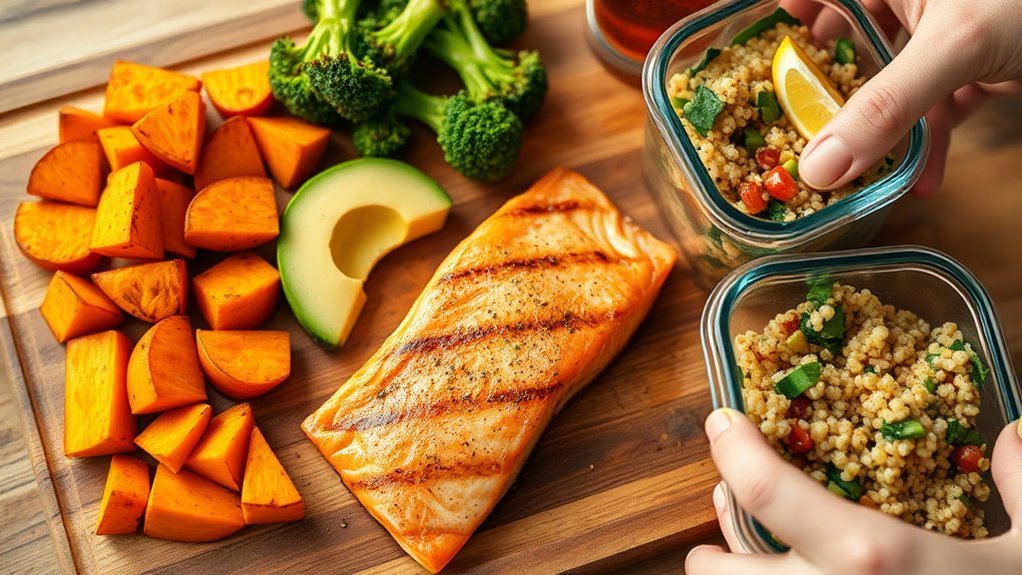
Choose whole grains, plant-based proteins, and omega-3-rich fish.
Limit saturated and trans fats by trimming meat and avoiding processed snacks.
Balance your meals with healthy fats from nuts and olive oil, and distribute nutrients evenly to control hunger.
Adding exercise boosts results.
Exploring these strategies will help refine your heart-healthy plan.
Why Lowering Cholesterol and Losing Weight Go Hand in Hand
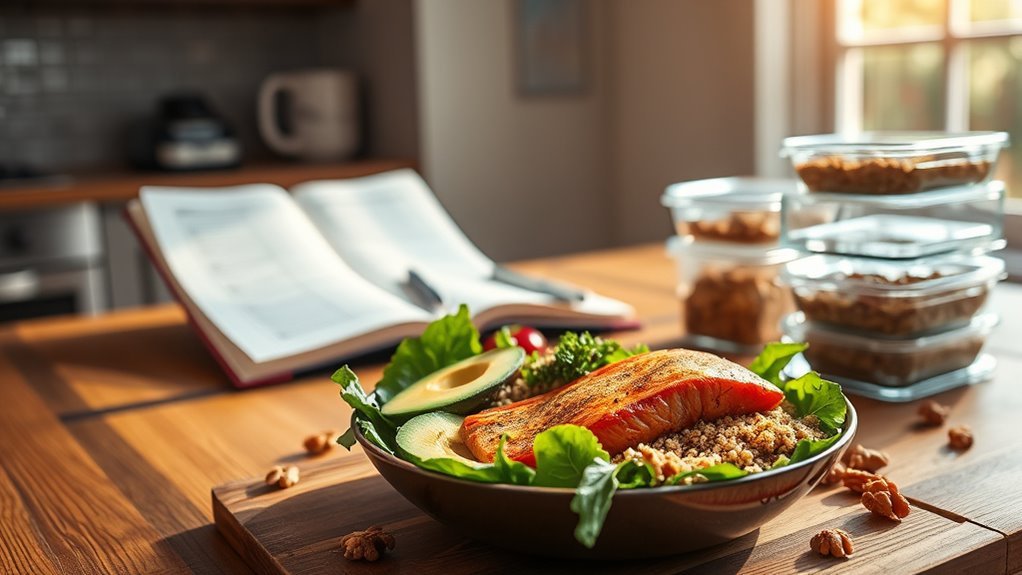
Because lowering cholesterol and losing weight both target your heart health, they naturally complement each other. When you focus on weight loss, you reduce LDL (bad cholesterol) and boost HDL (good cholesterol), which improves your blood cholesterol profile.
Excess body weight often comes with higher triglycerides and inflammation, but adopting cholesterol-lowering dietary habits helps manage these risks effectively. By choosing nutrient-dense, low-calorie foods rich in healthy fats, you support both weight management and heart health simultaneously.
This combined approach not only enhances your blood lipid levels but also lowers your risk of cardiovascular disease, a leading health concern worldwide. Sticking to these dietary habits makes your efforts more effective and sustainable, making it easier to maintain long-term health.
How Soluble Fiber Helps Lower Cholesterol Naturally
When you include soluble fiber in your diet, it forms a gel-like substance in your gut that binds cholesterol and blocks its absorption into your bloodstream. This process helps reduce cholesterol naturally, especially the harmful LDL cholesterol often linked to heart disease.
By adding just 5 to 10 grams of soluble fiber daily, you can improve your blood lipid profiles markedly within weeks. Soluble fiber is a powerful component of a heart-healthy diet, working as effectively as some cholesterol-lowering medications.
Incorporating dietary fiber sources rich in soluble fiber supports your body’s ability to lower total cholesterol, helping you maintain better cardiovascular health. Regular intake of soluble fiber not only reduces LDL cholesterol but also contributes to overall improved blood lipid levels, making it a key strategy in controlling cholesterol naturally.
Focusing on soluble fiber is a smart, natural step toward managing your cholesterol while supporting your weight loss goals.
Which Foods Should You Focus On for Lowering Cholesterol and Losing Weight?
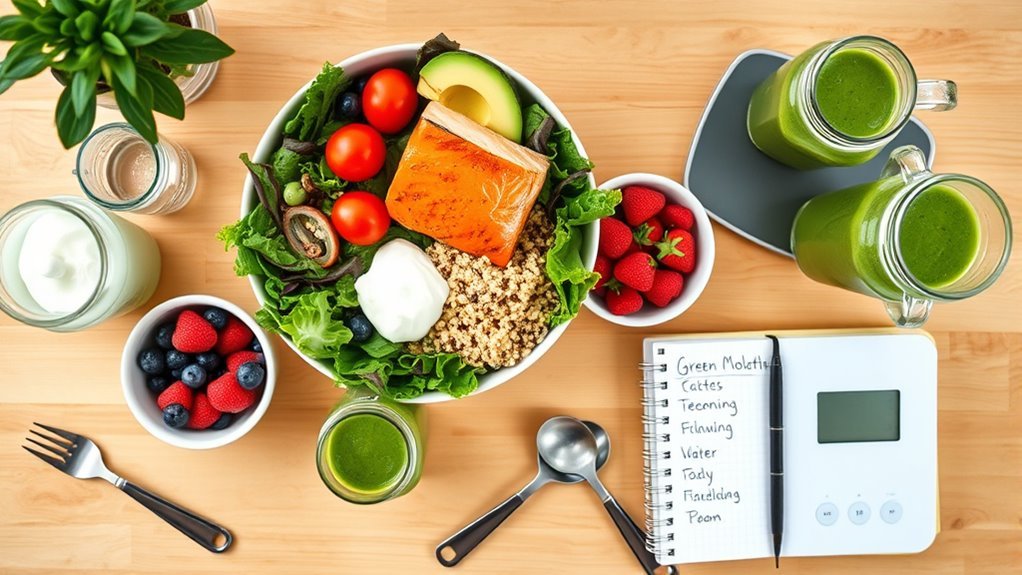
Although many foods can impact your cholesterol and weight, focusing on those rich in soluble fiber and lean proteins will give you the best results. Start by incorporating fiber-rich foods like oats, beans, fruits, and vegetables. These contain soluble fiber that helps reduce LDL cholesterol.
Whole grains such as brown rice, barley, and whole wheat bread also contribute valuable fiber to support weight management and heart health. Emphasize plant-based proteins like lentils, tofu, and beans because they’re low in saturated fat and help you lose weight effectively.
Choose lean meats and fish high in omega-3 fatty acids to improve your cholesterol profile without adding unhealthy fats. Don’t forget to include healthy fats from sources like nuts and avocados to keep your meals balanced and satisfying.
How to Limit Saturated Fats and Avoid Cholesterol-Boosting Foods
You can lower saturated fats by choosing lean cuts of meat like round, loin, or sirloin. Also, try to pick ground meats with less than 15% fat. When it comes to trans fats, it’s best to avoid processed and fried foods altogether. Instead of butter or lard, use healthy oils like olive or canola for cooking. These simple swaps really help reduce cholesterol and support your weight loss goals.
Choose Lean Meat
Since cutting down on saturated fats plays a key role in lowering cholesterol, choosing lean meats is essential for your meal plan. Opt for lean meat cuts labeled “round,” “loin,” or “sirloin” and choose select or choice grades of beef to reduce saturated fat. Always trim visible fat and practice poultry skin removal before cooking.
Using healthy cooking methods like broiling, grilling, or baking on a rack helps excess fat drain away, preserving lean protein benefits.
To make smart choices:
- Select lean cuts and remove visible fat
- Remove poultry skin before cooking
- Use healthy cooking methods to reduce fat
- Limit processed and organ meats
These steps guarantee you enjoy satisfying meals while managing cholesterol effectively.
Avoid Trans Fats
Cutting back on saturated fats by choosing lean meats sets a strong foundation for heart health, but it’s equally important to steer clear of trans fats. These artificially produced fats, found in many processed foods, raise your LDL cholesterol while lowering HDL, harming your heart.
To avoid them, always check food labels for partially hydrogenated oils, a key source of trans fats. Limit processed snacks, baked goods, and fast foods, which often contain these harmful fats.
Instead, replace trans fats with healthy fats like olive or canola oil to improve your cholesterol levels. By focusing on both reducing saturated fats and eliminating trans fats, you’ll protect your arteries and support weight loss more effectively.
The Role of Plant-Based Proteins and Omega-3 Fish in Your Diet
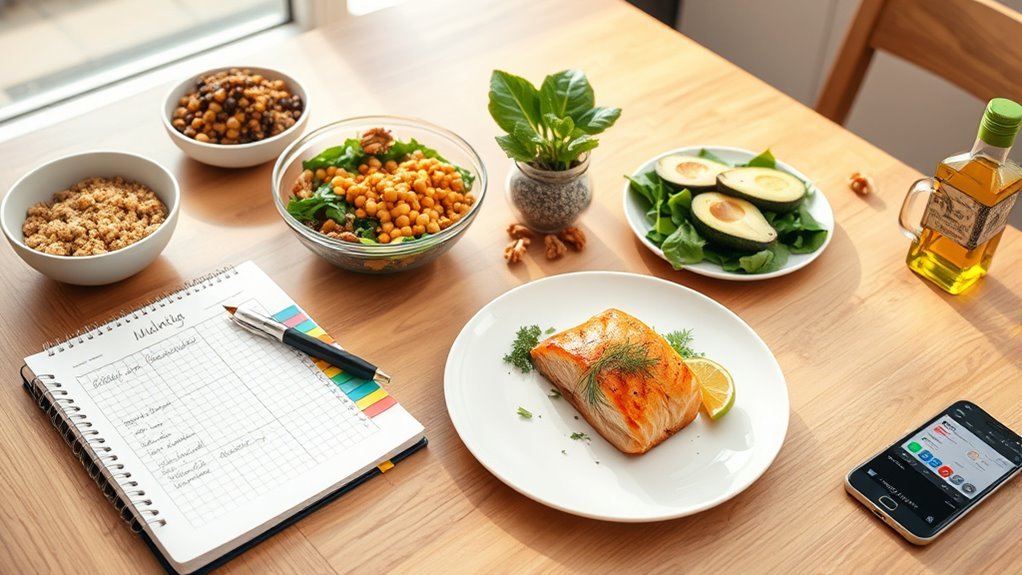
Although animal proteins are common in many diets, incorporating plant-based proteins and omega-3-rich fish can substantially improve your cholesterol levels and support weight loss. Plant proteins like beans, lentils, and tofu are low in saturated fat and help lower cholesterol by replacing high-fat animal proteins.
Meanwhile, fish high in omega-3s such as salmon, mackerel, and sardines provide omega-3 fatty acids that reduce triglycerides and boost heart health.
Here’s why you should include these in your diet:
- Plant-based proteins improve blood lipid profiles and aid weight management with fiber and nutrients.
- Omega-3 fatty acids from fish lower cardiovascular disease and stroke risk.
- Replacing meat with plant proteins and fatty fish cuts saturated fat intake.
- Eating fish high in omega-3s twice weekly supports heart health.
Embracing plant proteins and omega-3 fish is a smart strategy to lower cholesterol and enhance your overall well-being.
Simple Tips for Planning Meals That Lower Cholesterol and Support Weight Loss
When you plan meals thoughtfully, you can effectively lower cholesterol and support weight loss without feeling deprived. Focus on incorporating fiber-rich foods like oats, beans, fruits, and vegetables. They help lower LDL by forming a gel in your gut.
Center your meal planning around plant-based proteins such as lentils, tofu, and beans to reduce saturated fats and aid weight loss. Use healthy fats like olive oil, nuts, and avocados. They’re heart-healthy fats that improve cardiovascular health while keeping calories in check.
Avoid processed foods high in sugar and salt by preparing homemade meals with fresh ingredients. Structure your meals with balanced portions and choose high-volume, low-calorie-density foods. This promotes fullness and prevents overeating.
How to Build Balanced, Heart-Healthy Meals Every Day
You’ll want to focus on nutrient-dense foods that fuel your body and help lower cholesterol. It’s all about balancing your macronutrients wisely—think lean proteins, healthy fats, and fiber-rich carbs. That way, your meals stay heart-healthy and satisfying. Plus, adding plenty of fiber-rich ingredients not only helps manage cholesterol but also supports weight loss every day.
Choose Nutrient-Dense Foods
Because choosing nutrient-dense foods plays an essential role in lowering cholesterol and supporting weight loss, you should focus on incorporating a variety of fruits, vegetables, whole grains, and legumes into your meals. These foods boost your fiber intake, which can lower LDL cholesterol markedly within weeks. Prioritize plant-based options and lean proteins to reduce saturated fat.
Include sources rich in antioxidants and healthy fats to fight inflammation and improve heart health.
- Load your plate with whole grains like quinoa and oats
- Add legumes such as beans and lentils for fiber and protein
- Use avocados, nuts, and olive oil to get heart-healthy fats
- Incorporate colorful fruits and veggies packed with antioxidants
Choosing nutrient-dense foods helps you feel full, lose weight, and protect your heart.
Balance Macronutrients Wisely
Building on nutrient-dense food choices, balancing macronutrients wisely can enhance your efforts to lower cholesterol and shed pounds. Aim for balanced macronutrients by including complex carbohydrates, lean proteins, and healthy fats in every meal.
Choose lean proteins like fish, tofu, or legumes to promote muscle maintenance and satiety while managing calories. Incorporate healthy fats from plant sources such as olive oil, nuts, and seeds instead of saturated fats from meats and dairy.
Distribute these nutrient-dense meals evenly throughout the day to keep blood sugar stable and prevent overeating. While soluble fiber plays a key role in heart health, focus here on pairing it with balanced macronutrients to build meals that support both weight loss and improved cholesterol levels effectively.
Incorporate Fiber-Rich Ingredients
When you include fiber-rich ingredients in your meals, you actively support lowering LDL cholesterol and managing your weight. Soluble fiber in oats, beans, and fruits like apples binds cholesterol in your gut, reducing its absorption.
To boost heart health, aim for 25-30 grams of fiber daily by choosing plant-based, minimally processed foods.
Try these tips to build balanced, heart-healthy meals every day:
- Use whole grains such as brown rice, whole wheat bread, and barley for sustained energy.
- Add fiber-rich vegetables like Brussels sprouts, carrots, and leafy greens to increase nutrient density.
- Include a variety of soluble fiber sources like berries and beans.
- Replace processed foods with fiber-dense, plant-based options to naturally reduce cholesterol.
Smart Snack Choices That Help Reduce Cholesterol and Manage Weight
If you want to lower your cholesterol and manage your weight effectively, choosing the right snacks plays a crucial role. Focus on healthy eating by picking heart-healthy snacks rich in soluble fiber and plant-based protein.
Whole foods like nuts, seeds, Greek yogurt, and fresh fruits help reduce LDL cholesterol while keeping you full longer. Avoid processed snacks loaded with sugar and trans fats, which harm your cholesterol levels and weight goals.
Here’s a quick guide to smart snack choices:
| Snack Type | Benefits |
|---|---|
| Fresh fruits | High in soluble fiber, antioxidants |
| Nuts & seeds | Nutrient-dense, low-calorie |
| Greek yogurt | Contains soluble fiber, protein |
| Edamame & hummus | Plant-based protein, heart-healthy |
Why Regular Exercise Enhances Your Cholesterol-Lowering Diet
Snacking smart supports your cholesterol-lowering goals, but combining those choices with regular exercise takes your efforts further. Exercise boosts HDL (good) cholesterol by 5-10%, helping clear LDL (bad) cholesterol from your bloodstream.
When you engage in at least 150 minutes of moderate aerobic exercise weekly, your total cholesterol can drop by about 10%, enhancing the benefits of your diet. Plus, exercise promotes weight loss and improves blood circulation, both essential for better lipid profiles.
Here’s why adding exercise matters:
- Raises HDL cholesterol, aiding removal of harmful LDL
- Lowers total cholesterol and triglycerides effectively
- Enhances enzymes that clear LDL from your blood
- Supports weight loss, further improving cholesterol levels
How to Stay Consistent and Make Heart-Healthy Eating a Lifelong Habit
Building a heart-healthy eating habit takes more than just occasional effort; you need consistent, daily choices that support your goals. To maintain long-term success, gradually swap processed foods for whole grains, fruits, vegetables, and plant-based proteins.
Tracking your meals with healthy meal plans or journals boosts accountability, keeping you on track. Also, choose flavorful, enjoyable recipes to make heart-healthy eating a pleasure, not a chore. Revisiting and adjusting your meal plan regularly helps you stay motivated and adapt to your changing preferences.
| Strategy | Action | Benefit |
|---|---|---|
| Consistency | Stick to daily healthy meal plans | Lowers LDL cholesterol long-term |
| Gradual Changes | Replace processed foods slowly | Builds sustainable habit |
| Tracking Progress | Use journals or apps | Increases accountability |
| Enjoyable Recipes | Choose tasty, heart-healthy meals | Prevents feelings of deprivation |
Stay consistent, and heart-healthy eating will become a lifelong habit.
Frequently Asked Questions
Can Cholesterol-Lowering Supplements Replace Dietary Changes?
No, cholesterol-lowering supplements can’t replace dietary changes entirely. While supplement effectiveness varies, natural remedies and herbal solutions may help support your goals, but they work best alongside a healthy diet.
You should consider supplement safety and timing to maximize benefits and avoid side effects. Think of supplements as alternative therapies that complement, not substitute, your lifestyle changes for better cholesterol management and weight loss.
How Does Stress Affect Cholesterol and Weight Loss?
You might be surprised that chronic stress can raise cortisol levels by up to 50%, substantially impacting your cholesterol and weight loss efforts. Stress triggers hormonal changes that encourage fat storage and increase bad cholesterol.
It also leads to emotional eating and sleep disruption, which sabotage your progress. Managing stress effectively through relaxation techniques and proper sleep hygiene is essential.
When you tackle stress management, you improve both your heart health and weight loss success.
Are There Specific Cooking Methods to Reduce Cholesterol in Meals?
Yes, you can use specific cooking techniques to reduce cholesterol in meals. Focus on heart healthy methods like grilling, steaming, and baking instead of frying. These cooking techniques promote fat reduction while preserving nutrient retention.
Also, try food preparation methods like trimming fat from meat and using herbs and spices for flavor enhancement without adding unhealthy fats. By choosing these approaches, you’ll enjoy tasty meals that support your cholesterol and weight goals.
How Do Medications Interact With a Cholesterol-Lowering Diet?
Medications can interact with your cholesterol-lowering diet in important ways. You need to watch for drug diet interactions and medication side effects that might affect how you feel or how well the medicine works.
Statin warnings often include avoiding certain foods or supplements, so be careful of supplement conflicts. Sticking to prescription adherence and medication timing is essential to avoid problems and get the best results from both your diet and meds.
Can Intermittent Fasting Help With Cholesterol and Weight Loss?
Yes, intermittent fasting can help with cholesterol and weight loss by improving metabolic effects like insulin sensitivity and fat burning. You’ll find various fasting schedules, such as 16:8 or 5:2, that suit your lifestyle.
To stay safe, follow fasting safety tips and manage hunger with water or herbal tea. Also, combine fasting and exercise carefully to avoid fatigue. This approach boosts your overall health and supports your goals effectively.
Conclusion
Lowering cholesterol and losing weight often happen together, not by chance, but because the right foods and habits support both goals. When you focus on soluble fiber, lean proteins, and healthy fats, you’re not just improving your heart health; you’re also shedding pounds.
By making smart choices and staying active, you’ll create a positive cycle that benefits your whole body. So, why not start today and enjoy the surprising rewards that come from caring for yourself?