How to Create a Meal Plan to Lower Cholesterol and Triglycerides
To create a meal plan that lowers cholesterol and triglycerides, focus on fiber-rich foods like oats, beans, fruits, and whole grains.
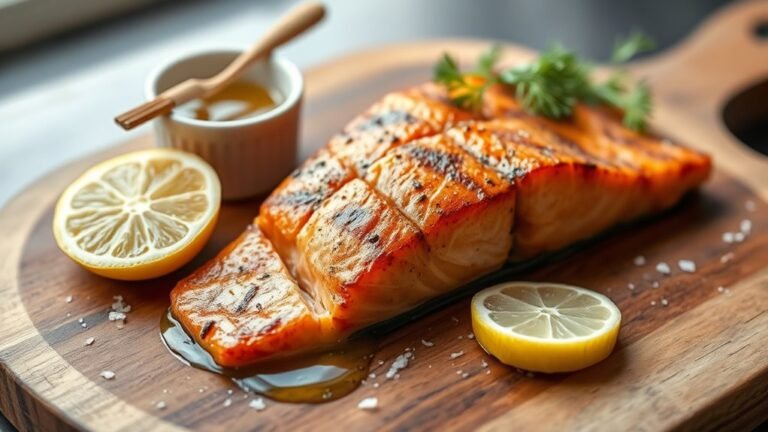
Add omega-3 sources like salmon twice a week to your diet.
Limit saturated fats, added sugars, and refined carbs.
Instead, choose healthy snacks such as nuts and veggie sticks with hummus.
Use heart-healthy cooking methods like baking or grilling.
Also, balance portions to avoid overeating.
Pairing these habits with lifestyle tips can help you maintain long-term heart health.
How To Choose Foods To Lower Cholesterol And Triglycerides
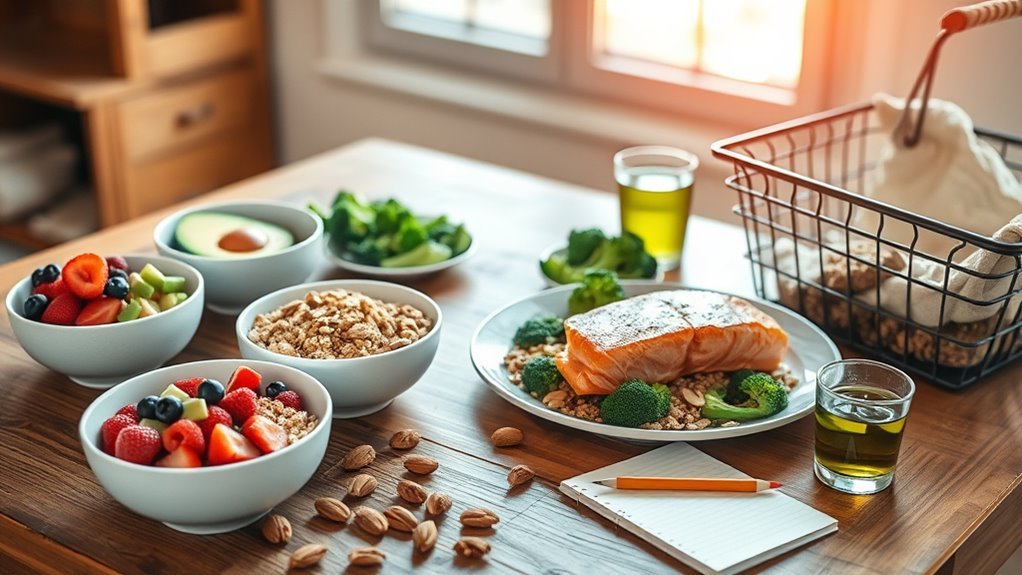
When you choose foods to lower cholesterol and triglycerides, focus on those high in soluble fiber like oats, beans, and fruits. They help reduce LDL cholesterol by forming a gel in your gut. You should also include omega-3 fatty acids by eating fatty fish such as salmon and mackerel at least twice a week. This helps lower triglyceride levels.
Make it a point to limit saturated fats found in fatty meats, full-fat dairy, and processed foods to less than 7% of your daily calories to protect your heart health. Instead, increase your intake of whole grains, plant-based proteins, and nuts, which support healthy cholesterol and triglyceride levels.
Pay attention to reducing added sugars, refined carbs, and trans fats in your diet since these can raise triglycerides and worsen your lipid profile. Choosing these nutrient-rich foods helps you take control of your cholesterol and triglycerides effectively.
How To Plan Balanced Meals To Lower Cholesterol And Triglycerides
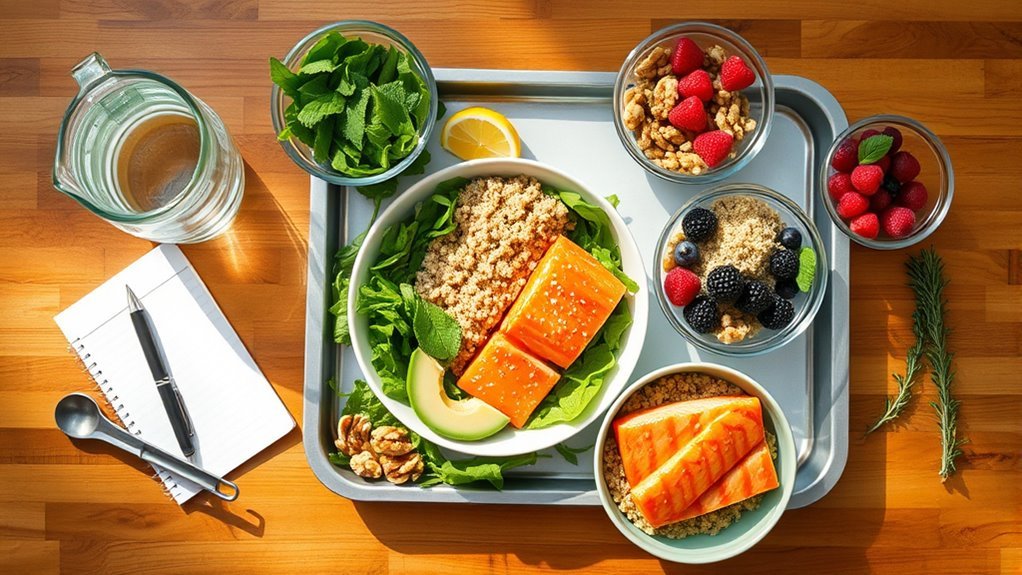
Choosing the right foods is only one part of managing cholesterol and triglycerides effectively. Planning balanced meals helps you put those choices into practice. To create meals that support heart health, focus on combining fiber, omega-3, lean meats, whole grains, healthy fats, plant-based proteins, and low-fat dairy in the right proportions.
Balanced meals combining fiber, omega-3, lean proteins, whole grains, and healthy fats support heart health effectively.
Here’s how you can plan balanced meals:
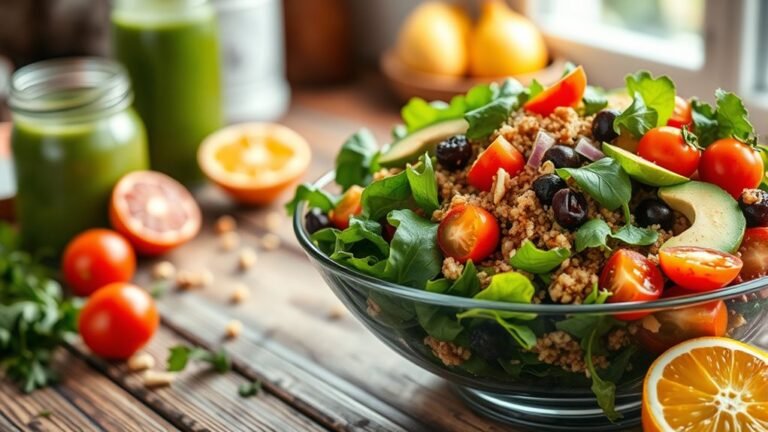
- Include fiber-rich foods like oats, barley, fruits, and vegetables to lower LDL cholesterol and triglycerides.
- Add omega-3 sources such as oily fish twice a week to reduce cardiovascular risks.
- Choose lean meats, plant-based proteins, and low-fat dairy to limit saturated fats and dietary cholesterol.
- Swap refined grains for whole grains to boost fiber intake and improve lipid profiles.
Best Cooking Methods To Keep Fats Heart-Healthy
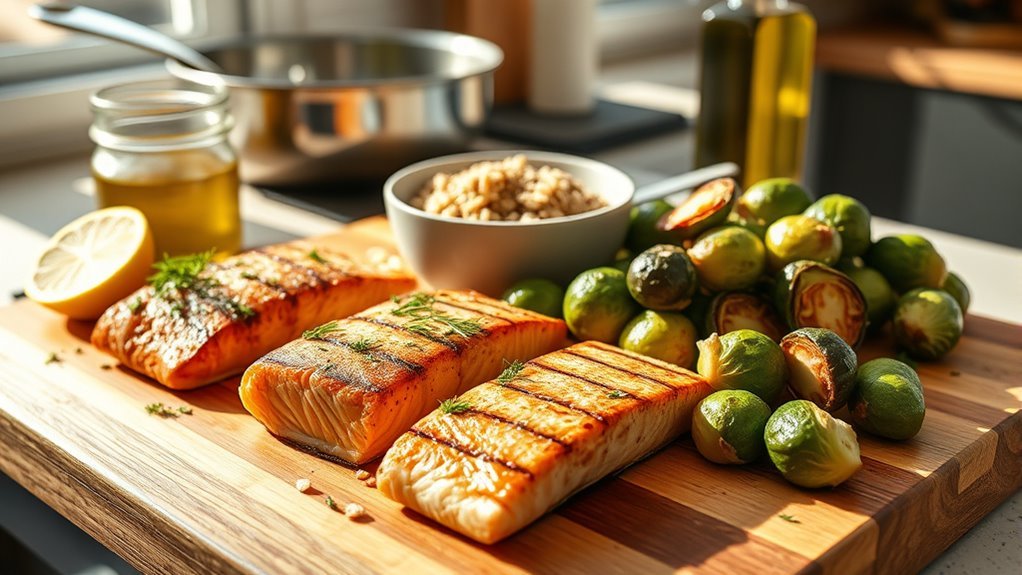
You can keep fats heart-healthy by choosing cooking methods like baking, grilling, steaming, or boiling. These methods help minimize added fats, which is great for your heart. It’s best to avoid frying, especially with oils that are high in saturated or trans fats, because that can increase unhealthy fat intake.
When you do use oil, try to stick to small amounts of vegetable oil or cooking spray. Also, make sure to drain any excess fat from your food. Doing these little things can make a big difference for your heart health!
Healthy Cooking Techniques
Although cooking methods can vary widely, selecting techniques that minimize added fats is key to keeping your meals heart-healthy. You can rely on grilling, baking, steaming, or broiling to cook your food without extra oils. These methods help preserve nutrients and cut fat intake.
Here are four healthy cooking techniques to try:
- Use non-stick cookware to reduce the need for fats and prevent sticking.
- Choose water-based cooking methods like boiling or poaching for eggs, fish, and vegetables.
- When using oils, opt for heart-healthy oils like olive or canola, and apply them sparingly with sprays or brushes.
- Avoid frying. Instead, sauté with a small amount of heart-healthy oil to keep dishes flavorful but low in unhealthy fats.
These methods help you create meals that support lower cholesterol and triglycerides effectively.
Avoiding Unhealthy Fats
When preparing meals to lower cholesterol and triglycerides, it’s essential to avoid unhealthy fats that can raise these levels. Choose cooking methods like baking, broiling, grilling, steaming, or boiling to keep your dishes heart-healthy.
Avoid fried foods, as frying increases saturated fats and trans fat, which negatively impact cholesterol. Always trim fat from meats and poultry before cooking to reduce saturated fat intake.
When you need to sauté, use small amounts of olive oil or other heart-healthy oils instead of butter or deep-frying. Replace traditional breaded or battered dishes with baked or grilled versions to cut excess fats and calories.
Simple Ways To Reduce Saturated Fats, Sugars, And Refined Carbs
Since cutting back on saturated fats, sugars, and refined carbs directly impacts your cholesterol and triglyceride levels, focusing on simple swaps can make a considerable difference. You can reduce LDL cholesterol by replacing saturated fats with healthy fats like olive oil or avocado.
Limiting added sugars to less than 10% of your daily calories helps lower triglycerides and prevents insulin resistance. Choosing whole grains instead of refined carbs stabilizes blood sugar and supports heart health.
Also, cutting back on processed foods, which often contain trans fats and hidden sugars, improves your cholesterol profile markedly.
Here are four easy steps to get started:
- Swap butter and lard for olive oil or avocado to reduce saturated fats.
- Read labels carefully to avoid added sugars and trans fats in processed foods.
- Replace white bread and pasta with whole grains like oats and brown rice.
- Limit sugary snacks and drinks to keep refined carbs in check.
Adding Fiber-Rich Foods To Improve Cholesterol
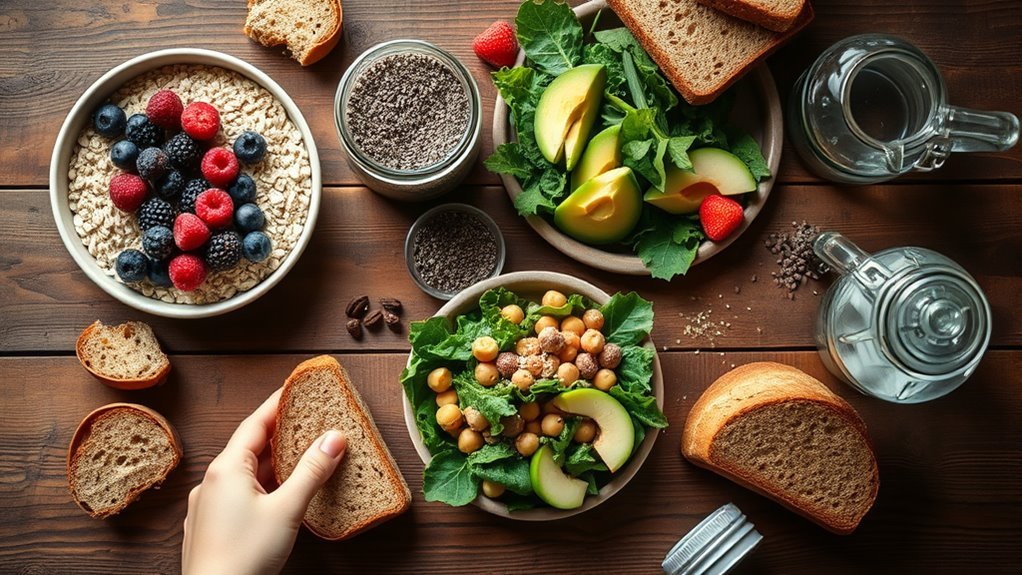
Cutting back on saturated fats, sugars, and refined carbs sets a strong foundation for heart health, but adding fiber-rich foods can boost your efforts even more. Incorporate soluble fiber sources like oats, legumes, apples, and barley into your diet to effectively lower cholesterol.
Soluble fiber forms a gel that binds cholesterol in your digestive system, helping reduce LDL levels, the “bad” cholesterol that clogs arteries. Aim for at least 10-25 grams of soluble fiber daily, as this can decrease total and LDL cholesterol by up to 10% within six weeks.
Using whole grains and legumes as meal staples naturally increases your fiber intake, supporting better heart health and triglyceride management. By consistently including a variety of fiber-rich foods, you create a sustainable diet that not only improves cholesterol but also promotes overall cardiovascular wellness.
Healthy Snacks That Support Cholesterol And Triglyceride Management
You can support your cholesterol and triglyceride goals by choosing snacks that are rich in fiber and healthy fats. Think fresh fruits, veggie sticks paired with hummus, and nuts like almonds or walnuts. These are great options to keep your heart healthy. Just try to focus on whole-food snacks without added sugars, since that can help avoid spikes in triglyceride levels.
Fiber-Rich Snack Options
How can you snack smartly while supporting healthy cholesterol and triglyceride levels? Choosing fiber-rich snacks is a great way to boost your intake of soluble fiber. This helps lower LDL cholesterol and triglyceride levels. Here are four snack ideas that promote heart health:
- Fresh fruit or plain yogurt for a natural source of fiber and probiotics.
- Nuts and seeds provide fiber along with healthy fats that aid triglyceride reduction.
- Veggie sticks paired with hummus are low in calories and high in fiber, improving your lipid profile.
- Whole-grain crackers or oatmeal cookies made with minimal sugar offer whole grains and fiber to replace processed snacks that raise triglycerides.
Incorporating these fiber-rich snacks supports your heart health and helps manage cholesterol and triglyceride levels effectively.
Healthy Fat Choices
While managing cholesterol and triglycerides, choosing snacks rich in healthy fats can make a significant difference. You can enjoy a handful of unsalted nuts or seeds, which provide monounsaturated and polyunsaturated fats that help lower LDL cholesterol.
Pair fruit with a tablespoon of nut butter or try plain Greek yogurt topped with flaxseed for omega-3 fatty acids that aid triglyceride reduction. Vegetable sticks with hummus made from tahini and olive oil also offer healthy fats that support a heart-healthy diet.
Avocados or olive tapenade on whole-grain crackers provide monounsaturated fats linked to improved cholesterol profiles. For convenience, choose trail mix with dried fruits, nuts, and seeds. Just avoid processed mixes with trans fats and added sugars to optimize triglyceride management.
How To Adjust Portions And Meal Frequency To Manage Cholesterol
Since managing cholesterol involves both what and how much you eat, adjusting portion sizes and meal frequency plays a crucial role. You can improve cholesterol levels and promote weight loss by practicing portion control and balancing your meals throughout the day.
Here’s how to adjust portions and meal frequency effectively:
- Reduce calorie-dense foods and increase servings of vegetables and whole grains to enhance calorie management and boost fiber intake.
- Eat three main meals with one or two healthy snacks evenly spaced to maintain stable blood sugar and lipid levels.
- Use smaller plates and bowls to help control portion sizes and avoid overeating, which can raise LDL cholesterol and triglycerides.
- Listen to your hunger cues, tailoring meal frequency to your lifestyle while ensuring nutrient-rich, fiber-filled foods for greater satiety.
How Exercise And Natural Supplements Complement Your Meal Plan
Adding regular exercise and natural supplements to your meal plan can considerably boost your efforts to lower cholesterol and triglycerides. Exercise benefits your lipid management by increasing HDL (“good” cholesterol) and reducing LDL (“bad” cholesterol) and triglycerides.
Moderate exercise, like 45 minutes five times a week, can lower triglycerides by 20-30%. Natural supplements such as fish oil, garlic, and fenugreek support triglyceride reduction, but always consult your healthcare provider before starting any.
Here’s how exercise and supplements complement your heart-healthy lifestyle:
| Aspect | Exercise Benefits | Natural Supplements |
|---|---|---|
| Triglyceride Reduction | Lowers levels by up to 30% | Supports reduction with omega-3, garlic |
| Lipid Management | Raises HDL, lowers LDL | Some like curcumin may improve profiles |
| Complementary Therapies | Enhances cardiovascular health | Works best combined with exercise |
Together, these complementary therapies strengthen your lipid management and promote a healthier heart.
How To Monitor Your Progress And Adjust Your Diet For Long-Term Success
To achieve long-term success in lowering your cholesterol and triglycerides, you need to monitor your progress regularly and adjust your diet accordingly. Regular blood tests help you track fasting triglyceride levels and LDL cholesterol, showing how well your dietary changes are working.
Based on these results, you can adjust your diet by increasing fiber or omega-3 intake if levels remain high. Consistency in limiting saturated fats and added sugars is key to sustained improvement. Also, don’t forget to consult your healthcare provider for medical reviews and possible medication adjustments.
Here’s how to stay on track:
- Schedule regular blood tests to monitor lipid levels.
- Adjust your diet based on test results, boosting fiber or omega-3s as needed.
- Maintain consistent healthy eating habits for long-term benefits.
- Have periodic medical check-ups to review your progress and medication needs.
Frequently Asked Questions
Can I Enjoy Occasional Treats Without Affecting My Cholesterol Levels?
Yes, you can enjoy occasional treats without harming your cholesterol levels by using moderation strategies and portion control tips. Plan cheat meals carefully, opting for guilt-free indulgences with healthy snack options or alternative sweeteners.
Time-limited treats help you savor flavors without overdoing it. By balancing indulgence with your overall healthy eating, you’ll keep your cholesterol in check while still enjoying the foods you love now and then.
How Does Stress Impact Cholesterol and Triglyceride Levels?
Stress is like a storm cloud hanging over your heart. It triggers stress hormones, especially cortisol, which can raise your cholesterol and triglyceride levels.
When anxiety kicks in, your body releases hormones that impact lipid metabolism. This often leads to emotional eating and poor food choices.
You can calm this storm with stress management and relaxation techniques. By controlling stress, you help keep hormone effects in check and support healthier lipid levels.
Are There Specific Beverages to Avoid for Better Heart Health?
You should avoid alcohol consumption, sugary drinks, energy drinks, and sports drinks to protect your heart health. These beverages can raise triglycerides and negatively impact cholesterol levels.
Limit fruit juices since they often contain added sugars. Be cautious with caffeinated beverages; moderate intake is generally fine, but too much caffeine might stress your heart. Dairy-based drinks vary, so choose low-fat or plant-based options to keep your cholesterol in check.
How Do Genetics Influence Cholesterol and Triglyceride Management?
Genetics influence your cholesterol and triglyceride management like a blueprint guiding a builder’s hands. Your genetic predisposition affects lipid metabolism through inherited traits, including gene mutations in cholesterol genes.
Conditions like familial hypercholesterolemia make managing levels tougher because they’re rooted in your DNA. Triglyceride inheritance also plays a role, so understanding your family history helps you tailor your lifestyle and treatments to work with your unique genetic makeup.
What Role Does Sleep Play in Maintaining Healthy Cholesterol?
Sleep quality plays a vital role in maintaining healthy cholesterol by supporting your circadian rhythm and hormone regulation. When you get enough sleep duration, your body balances hormones that control metabolism and fat storage, promoting better metabolic health.
Poor sleep or sleep disorders can disrupt this balance, raising cholesterol and triglyceride levels. Plus, good sleep helps stress reduction, which further protects your heart.
Prioritize consistent, restful sleep to keep cholesterol in check.
Conclusion
You’re steering your plate away from greasy fast food toward vibrant, fiber-rich meals that nourish your heart. As you swap sugary snacks for wholesome choices, imagine your arteries clearing like a sunrise breaking through morning fog.
Balancing portions and embracing gentle exercise, you’re not just lowering numbers; you’re crafting a lifestyle where health and flavor coexist. Keep monitoring your progress, and watch how small, mindful changes paint a brighter, heart-healthy future.