
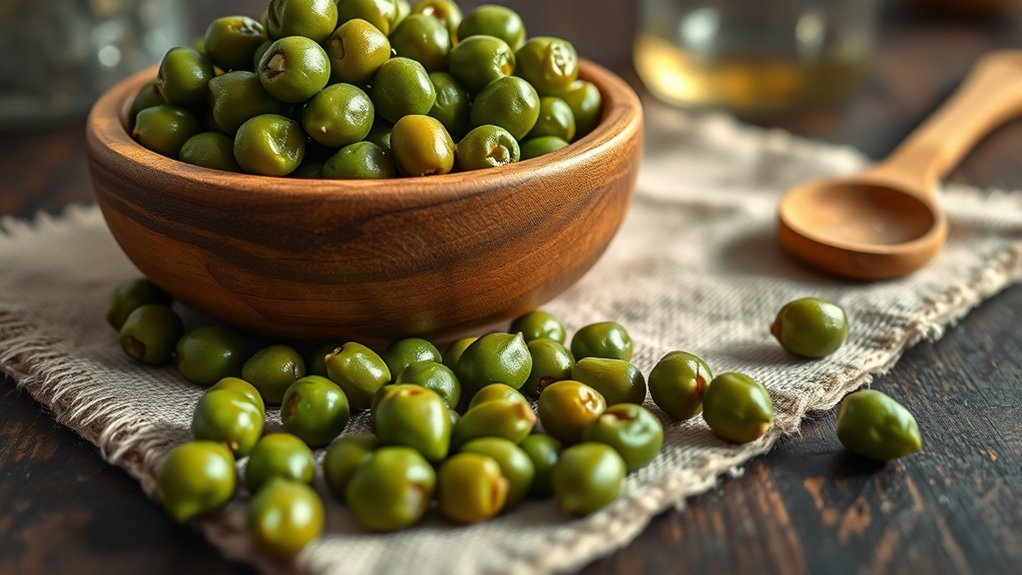
Do Capers Have Any Nutritional Value?
Yes, capers offer you a surprising nutritional boost with just about 2 calories per tablespoon. They’re rich in vitamin K, fiber, and minerals like copper and iron.
Capers also pack powerful antioxidants like quercetin that support your immune system and metabolic health. However, watch out for their high sodium content, which you can reduce by rinsing.
If you want to discover how these tiny buds benefit your body and enhance your meals, there’s plenty more to explore.
What Nutrients Make Capers a Healthy Choice
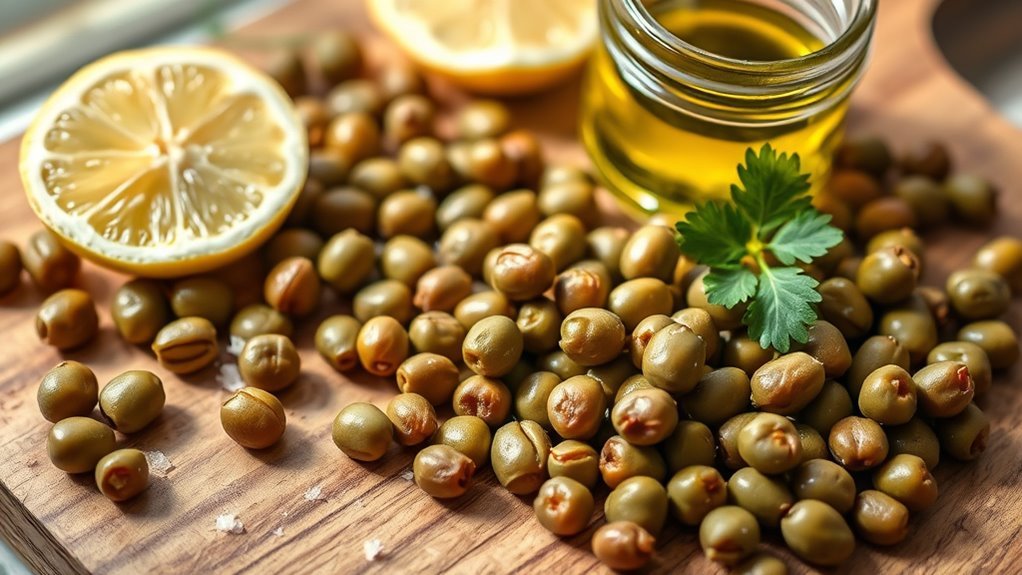
Although capers are small, they pack a nutritional punch that makes them a healthy addition to your diet. They offer a notable amount of vitamin K, essential for blood clotting and bone health, contributing about 9% of your daily value per tablespoon.
Alongside vitamins, capers contain important minerals like copper, iron, magnesium, and calcium, supporting various metabolic functions. Their nutrient profile also includes dietary fiber, which aids digestion and helps regulate blood sugar levels effectively.
Capers are rich in antioxidants, including flavonoids such as quercetin and rutin, known for their anti-inflammatory properties. These compounds help reduce oxidative stress, offering additional health benefits.
While capers are low in calories and carbohydrates, they do contain high sodium, so it’s best to enjoy them in moderation. By incorporating capers into your meals, you’re adding a nutrient-dense ingredient that supports overall wellness through a balanced mix of vitamins, minerals, fiber, and antioxidants.
How Antioxidants in Capers Benefit Your Body
Beyond vitamins and minerals, capers offer powerful antioxidants like quercetin and rutin that actively protect your body from harmful free radicals. These antioxidants help neutralize free radicals, reducing oxidative stress that can damage your cells and DNA.
Capers deliver potent antioxidants like quercetin and rutin that combat harmful free radicals and protect your cells.
By consuming capers, you support cellular health and enhance DNA protection, which may lower your risk of chronic diseases such as heart disease and cancer. The antioxidants in capers also have anti-inflammatory properties, helping to ease inflammation-related issues.
This anti-inflammatory effect further supports your immune function, keeping your body resilient against infections and illnesses. Including capers in your diet regularly can promote overall health and healthy aging by combating oxidative damage and boosting your body’s defenses.
Harnessing the benefits of quercetin and rutin in capers makes them a smart addition to your nutritional routine, supporting your body’s long-term wellness on multiple levels.
Why Watch Capers’ Sodium Content?
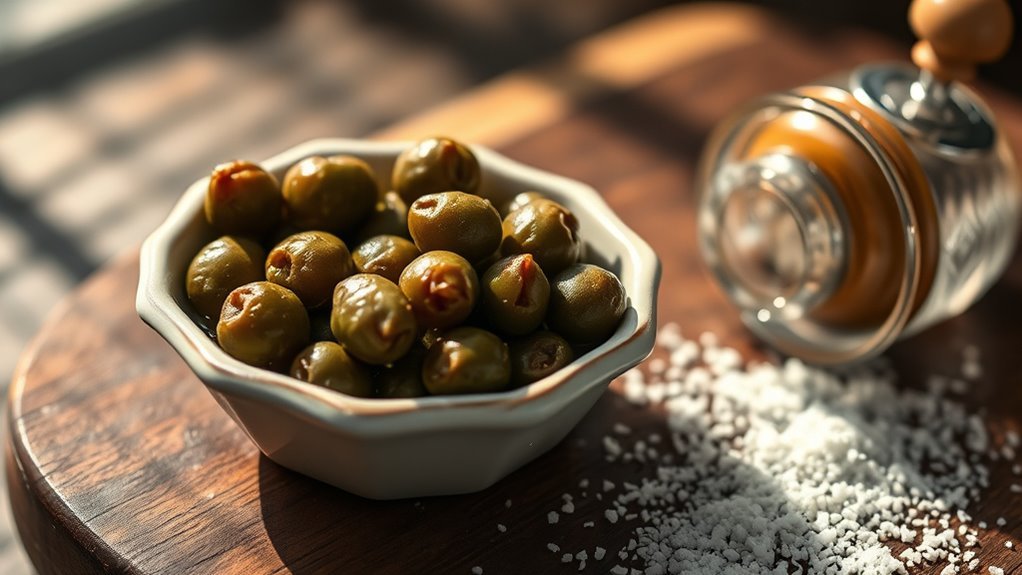
Since capers pack nearly 900 milligrams of sodium per tablespoon, they can quickly push you close to your daily salt limit if you’re not careful. Their high sodium content means even a small serving can considerably impact your sodium intake.
If you’re managing blood pressure or concerned about cardiovascular health, monitoring capers’ sodium levels becomes essential. Excess sodium can raise blood pressure, increasing the risk of heart-related issues.
For those on salt-restricted diets, capers might pose a challenge, so it’s important to be mindful of how much you use. While capers add a flavorful punch, balancing their taste benefits with potential health impacts is key.
Considering low-sodium alternatives or employing sodium reduction methods can help you enjoy capers without compromising your health. By watching your sodium consumption from capers, you support better cardiovascular health and maintain a diet aligned with your health goals.
Reducing Sodium When Using Capers
If you want to enjoy capers without overloading on sodium, rinsing them thoroughly is a simple and effective step. Rinsing capers under cold water for 3-5 minutes can reduce their sodium content by up to 50%, making a big difference in saltiness control.
You can also soak capers in fresh water or milk before use to lower their high sodium levels further. The rinsing process and soaking capers both help with sodium reduction while preserving flavor.
Furthermore, choosing low-sodium capers when available is an excellent way to minimize sodium intake. Another tip is to add capers toward the end of cooking or use fewer of them, which helps manage overall sodium levels in your dishes.
Can Capers Help With Weight Management and Blood Sugar?
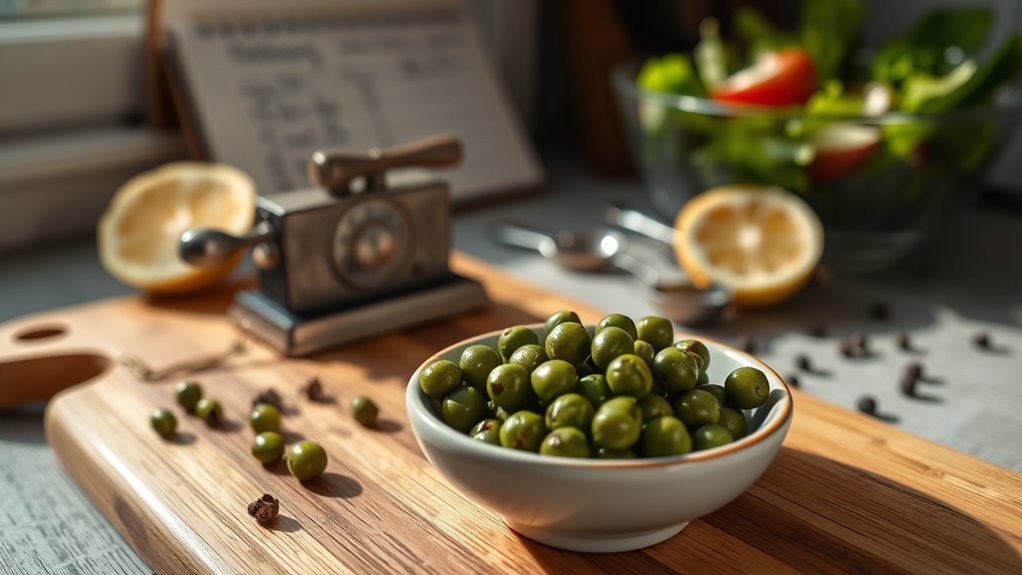
Although capers are small, they pack a nutritional punch that can support your weight management and blood sugar goals. With only 2 calories per tablespoon, capers make a smart, low-calorie substitute for higher-calorie ingredients. This helps you reduce overall calorie intake without sacrificing flavor. Their high fiber content promotes satiety, so you feel fuller longer, which aids in weight loss and controls your appetite.
Capers offer a low-calorie, fiber-rich boost to help manage weight and curb appetite effectively.
Capers also contain antioxidants like quercetin, which support metabolic health and may improve blood sugar regulation. This helps prevent insulin spikes. This combination can be particularly beneficial if you’re aiming for better blood sugar regulation and sustained energy.
Here’s how capers can help you:
- Low calorie, making them ideal for weight management
- Fiber-rich, promoting fullness and reducing calorie intake
- Antioxidants that support metabolic health and stable blood sugar
Incorporate capers into your meals to boost nutrition while managing weight and blood sugar effectively.
Key Bioactive Compounds Behind Capers’ Health Benefits
When you include capers in your diet, you tap into a rich source of bioactive compounds that drive many of their health benefits. Capers are packed with flavonoids like quercetin and kaempferol, powerful antioxidants that protect your cells from damage. These phenolic compounds contribute markedly to capers’ antioxidant capacity.
You also get glucosinolates such as glucobrassicin and glucocapparin, sulfur-containing compounds known for their anti-inflammatory and anticancer effects. Alkaloids like cappariloside A and B add antimicrobial properties, enhancing your overall health defense.
Beyond these, capers contain flavonoid derivatives, including biflavonoids like isoginkgetin, which support cardiovascular health by improving blood vessel function. Nucleosides such as uridine and inosine further amplify capers’ bioactivity, promoting cellular repair and energy metabolism.
Together, these diverse bioactive compounds make capers a valuable addition to your diet, helping you harness natural antioxidant, anti-inflammatory, and anticancer benefits.
Culinary Uses of Capers: Traditional and Modern
You’ll find capers adding a tangy punch to traditional Mediterranean dishes like chicken piccata and pasta. They’re usually pickled or salt-cured to boost their bold flavor. But, rinsing them first helps balance the saltiness.
Nowadays, chefs also use capers as a creative substitute for anchovies or olives. This brings a briny twist without the fishy taste.
Traditional Mediterranean Dishes
If you want to capture the true essence of Mediterranean cuisine, capers play an essential role in traditional dishes like chicken piccata, pasta alla puttanesca, and tapenade by adding a tangy, salty punch. These pickled buds serve as a natural flavor enhancer, boosting umami and enriching dishes with a unique zest.
When using capers, remember to rinse them to reduce their sodium content without losing their nutritional value, which includes antioxidants and vitamins.
You’ll find capers enhancing salads, seafood, and roasted vegetables with their aromatic zest. They also make smoked salmon bagels and Mediterranean stews pop as a flavorful garnish.
Capers are key in classic recipes that highlight authentic culinary uses in traditional Mediterranean dishes. Incorporating them adds both taste and subtle nutritional benefits to your meals.
Innovative Culinary Applications
Although capers have long been a staple in Mediterranean cooking, chefs today are pushing their use beyond traditional recipes to create innovative dishes that highlight their unique tangy flavor. You can enjoy capers as a plant-based source of umami flavor, perfect for enhancing salads, dips, and even gourmet uses like topping pizzas or roasted vegetables.
Rinsing them reduces their sodium content, making them suitable for health-conscious diets while preserving their antioxidants and nutritional value.
| Culinary Application | Benefit |
|---|---|
| Salad dressings | Adds tangy flavor, low calories |
| Vegetarian substitutes | Offers umami flavor, plant-based |
| Gourmet toppings | Enhances flavor, adds acidity |
These culinary applications show capers’ versatility beyond Mediterranean cuisine.
Where to Find and How to Prepare Capers
Where can you find capers, and how should you prepare them for cooking? You’ll typically spot canned capers or salt-packed ones in jars at grocery stores. These buds, often used in Mediterranean dishes, are preserved in brine or salt to maintain their flavor and freshness.
Capers are commonly found canned or salt-packed in grocery stores, preserved to keep their Mediterranean flavor fresh.
When choosing capers, look for small, firm, and uniformly colored nonpareils. They pack the best flavor.
For preparation, rinse and soak capers in water for 3-5 minutes to reduce their sodium content before adding them to your recipes. Proper storage is key. Keep them refrigerated in their brine or salt-packed jars to preserve quality and extend shelf life.
Here’s a quick guide:
- Select nonpareils for ideal flavor and texture
- Rinse and soak to lower sodium content before use
- Store refrigerated in brine or salt-packed jars for freshness
This simple preparation enhances their culinary uses, making capers a flavorful addition to your dishes.
Frequently Asked Questions
Are Capers Safe to Eat During Pregnancy?
Yes, you can eat capers during pregnancy, but with caution. Their flavor profile adds zest to dishes, and their nutritional benefits include vitamin K and iron, supporting your needs.
Capers’ mineral profile and antioxidant properties offer mild health benefits, but watch their high sodium and calorie count. Use proper capers preservation methods and consider dietary considerations.
Always consult your healthcare provider to verify capers suit your pregnancy diet and culinary uses safely.
Can Capers Cause Allergic Reactions?
Think of capers as a tiny storm in your immune system. If you have capers sensitivity, you might face a capers allergy or capers hypersensitivity.
You could experience capers allergy symptoms like itching, swelling, or hives due to capers allergic triggers. Capers irritation and a capers immune response can vary, so if you notice any capers reaction, be cautious.
Understanding your capers allergen risk helps prevent a capers food allergy flare-up.
How Long Do Capers Last After Opening?
After opening, capers shelf life can last 1 to 2 years if you follow proper capers storage. Keep them submerged in brine inside the capers open container, and store the jar in the refrigerator.
Use capers airtight storage to prevent contamination, and always use clean utensils. To check capers freshness, look for spoilage signs like foul smell, discoloration, or mold.
Pay attention to the capers expiration date for the best capers preservation.
Do Capers Contain Gluten or Allergens?
Think of capers as tiny treasure chests brimming with nutrients. You won’t find capers gluten or common allergens lurking inside, so they’re usually safe for most diets.
Capers nutritional perks include vitamins, minerals, antioxidants, dietary fiber, and a bit of protein—all packed in low calories. Their capers health benefits make them a flavorful, guilt-free addition to your meals, boosting nutrition without risking allergic reactions or gluten issues.
Are Capers Suitable for Vegan and Vegetarian Diets?
Yes, capers are perfect for vegan and vegetarian diets. Their flavor profile adds a tangy, salty punch that enhances your dishes.
Thanks to their preservation through pickling, capers bring unique culinary uses and versatility. Their culinary origin dates back centuries, enriching their history.
You’ll find that capers pair well with plant-based meals. Just remember cooking tips like rinsing to balance sodium.
Their nutritional profile supports your healthy lifestyle.
Conclusion
Think of capers as the tiny powerhouses of your pantry, like a single spark that lights up a whole room. Packed with antioxidants and key nutrients, they boost your health while adding bold flavor.
Just remember, their sodium content can sneak up on you, so use them wisely. Incorporating capers is like adding a secret weapon to your meals: small but mighty in supporting weight management and blood sugar balance.