Nutritional Yeast: Benefits, B12, Protein & How to Add It to Every Weekly Meal
You’ve seen it in vegan recipes, on health food shelves, and scattered across ingredient lists for years. Maybe someone called it ‘nooch.’ Maybe you assumed it was a supplement for a niche crowd. Either way, you probably have no clear picture of what nutritional yeast actually does — or whether it deserves a place in your kitchen every week.
Here’s what cuts through the confusion: nutritional yeast is a deactivated form of Saccharomyces cerevisiae — the same species used in baking and brewing, but heat-killed and processed for food use. It delivers a complete amino acid profile, making it one of the few plant foods that qualifies as a complete protein. Fortified versions are among the most practical dietary B12 sources for plant-based eaters. And its cheesy, umami-rich flavor makes it genuinely useful in everyday cooking — not a specialty ingredient you use once and forget.
This guide covers the science, the practical weekly uses, and the safety questions most people have. The three strongest reasons to add nutritional yeast to your weekly meal plan: complete protein in every serving, reliable B12 from a fortified food source, and a flavor tool that makes plant-based nutrition taste better without extra fat or effort.
What is nutritional yeast?
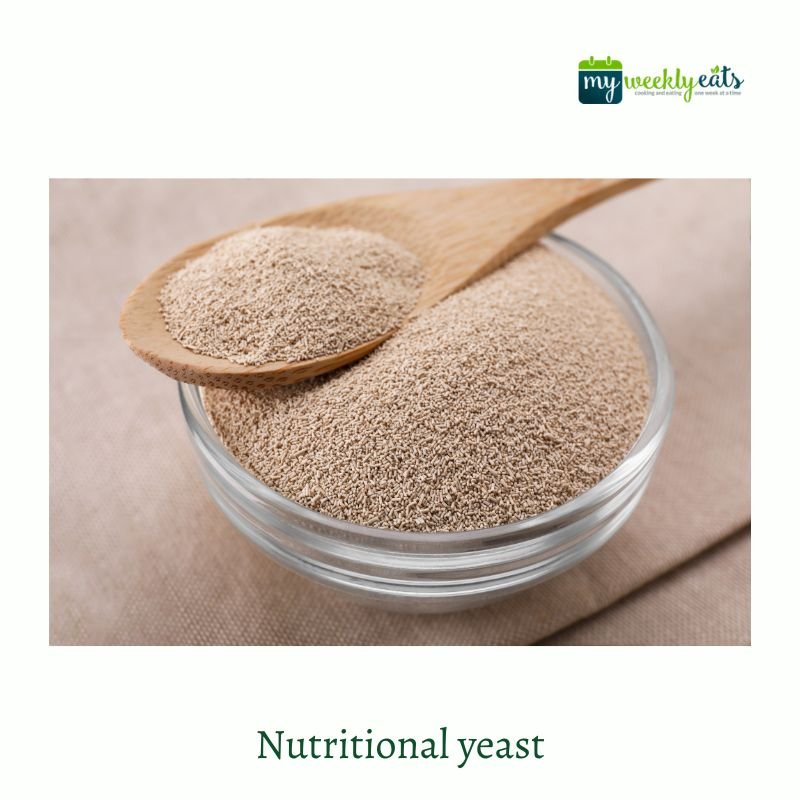
| Quick Answer Nutritional yeast is a deactivated form of Saccharomyces cerevisiae — the same yeast species used in baking and brewing, but rendered non-active by heat. It is sold as flakes or powder, delivers a cheesy umami flavor, and is valued as a nutrient-dense plant-based protein and B vitamin source. |
The production process starts with live Saccharomyces cerevisiae cultures grown on a sugar substrate — typically molasses or sugarcane. Once the yeast reaches peak nutritional density, it is harvested, washed, and heat-treated at a temperature that kills every live cell. That deactivation step is what separates nutritional yeast from the active dry yeast in your baking cabinet.
Dead yeast cannot ferment. It cannot leaven bread. It cannot colonize anything. What remains after deactivation is a concentrated food ingredient with a stable shelf life and a flavor profile unlike anything else in the produce aisle.
It comes in three main forms:
- Flakes: the most common and most versatile form. Flakes sprinkle easily and stick to surfaces — ideal for popcorn, pasta, salads, and roasted vegetables.
- Powder: finer texture that dissolves smoothly into liquids. Better for sauces, soups, dressings, and anywhere you want the nutrition without visible texture.
- Mini-flakes: a middle ground used by some brands. Behaves like flakes but blends more easily when stirred into warm dishes.
In plant-based communities, nutritional yeast is commonly called nooch — a casual shorthand that reflects how central it has become to everyday vegan cooking. It is not the same as brewer’s yeast, which is a bitter byproduct of the beer fermentation process. And it has nothing to do with active dry yeast. These three products share a genus but serve completely different purposes.
In a weekly meal plan, nutritional yeast functions in three distinct roles simultaneously: as a seasoning that adds depth, as a plant-based protein boost to any dish, and as a food-form B12 delivery vehicle. No other single ingredient covers all three jobs at once.
How nutritional yeast compares to its frequent look-alikes:
| Product | Protein / 2 Tbsp | B12 (fortified) | Key Benefit | Flavor Profile | Vegan | Best Weekly Use |
| Nutritional Yeast | ~8 g | 100–150% DV | Complete protein + B12 | Cheesy / Nutty / Umami | Yes | Pasta, popcorn, sauces, dips, bowls |
| Brewer’s Yeast | ~6 g | Rarely | Chromium + protein density | Bitter / hop-like | Yes | Shakes, baking — not a seasoning |
| Active Dry Yeast | ~2 g | None | Bread leavening only | Yeasty / neutral | Yes | Baking only — not a supplement |
| Parmesan Cheese | ~3 g | None | Calcium + protein | Sharp / salty | No | Topping — not plant-based |
| Hemp Seeds | ~6 g | None | Omega-3 + complete protein | Earthy / mild | Yes | Salads, smoothies, bowls |
| Spirulina | ~8 g | Pseudo-B12* | Iron + protein density | Strong / ocean-like | Yes | Smoothies — not a seasoning |
| Nutritional Yeast | ~8 g | 100–150% DV | Best all-rounder for daily use | Versatile + savory | Yes | Every meal — the daily default |
*Spirulina contains a B12 analogue (pseudocobalamin) that does not function as active B12 in the human body. It should not be relied upon as a B12 source for plant-based eaters.
What are the health benefits of nutritional yeast?
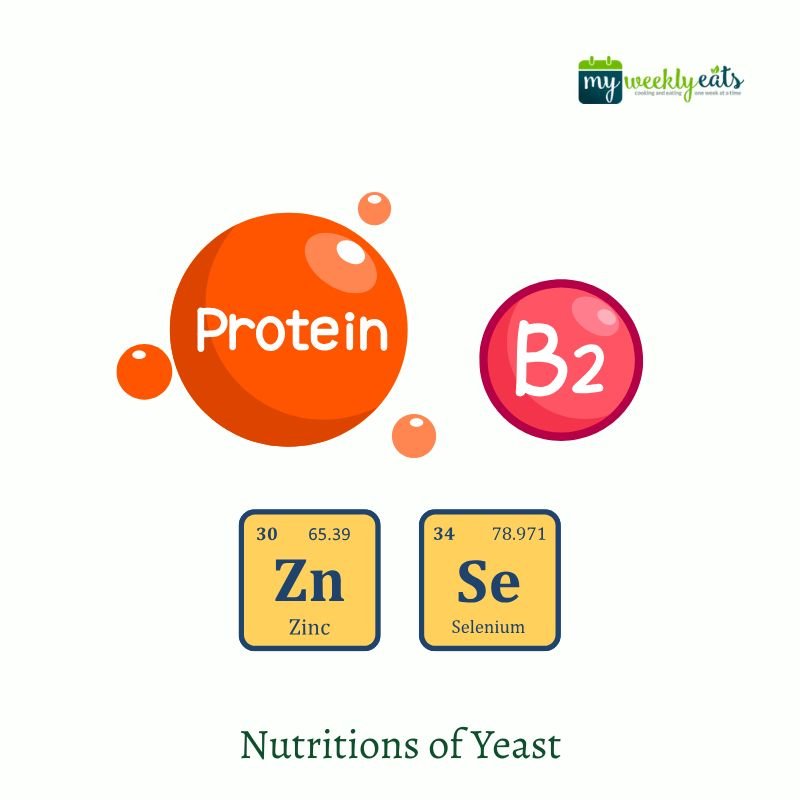
| Quick Answer Nutritional yeast supports immune function, provides complete plant-based protein with all nine essential amino acids, delivers B vitamins critical for energy metabolism, and contains beta-glucan fiber with evidence-backed immune-modulating properties. Fortified versions are among the most reliable dietary B12 sources for plant-based eaters. |
The benefits of nutritional yeast are broader than most people expect from a seasoning. They fall into four distinct categories, each backed by a different nutritional mechanism.
Complete Protein
Nutritional yeast contains all nine essential amino acids the human body cannot synthesize on its own. That qualifies it as a complete protein — a designation that most plant foods cannot claim. Two tablespoons deliver approximately 8 g of protein with virtually no fat and less than 4 g of carbohydrates. For context, that is comparable to one large egg, in a form that takes zero cooking time to add to a meal.
The amino acid profile is particularly strong in lysine — the essential amino acid that is consistently low in grains like rice, oats, and corn. Adding nutritional yeast to grain-heavy meals fills the gap without a second protein source.
B Vitamins for Energy Metabolism
Even unfortified nutritional yeast provides meaningful levels of riboflavin (B2), niacin (B3), vitamin B6, and folate. These B vitamins are not optional nutrients — they are cofactors in the metabolic pathways that convert food into cellular energy. A diet low in B vitamins produces fatigue, impaired concentration, and slower recovery from physical exertion. Two tablespoons of nutritional yeast contribute meaningfully to daily B vitamin requirements without any additional effort.
Beta-Glucan and Immune Support
The cell walls of Saccharomyces cerevisiae are composed largely of beta-1,3 and beta-1,6 glucans — a category of soluble fiber that has been extensively studied for immune-modulating effects. Studies suggest that beta-glucan consumption is associated with improved immune response markers, including enhanced activity of macrophages and natural killer cells. Evidence indicates regular intake may support the body’s first-line defenses against common pathogens. These are not absolute claims — the research is promising but ongoing.
Zinc, Selenium, and Skin and Hair Support
Nutritional yeast provides zinc at approximately 10% of the Daily Value per two-tablespoon serving, and selenium at around 30% DV. Both trace minerals are studied for their roles in hair follicle health, skin integrity, and antioxidant enzyme function. Evidence suggests — but does not confirm — that adequate zinc and selenium intake supports hair growth and reduces oxidative stress on skin cells. Widely reported user experiences with improved hair and nail quality align with the known biology, though clinical studies remain limited.
Weight Management and Satiety
The combination of complete protein and dietary fiber in nutritional yeast creates a satiety effect that extends between meals. Studies indicate higher-protein plant foods reduce appetite hormone signals more effectively than carbohydrate-equivalent servings. This is a supporting mechanism, not a weight loss product claim — but it is a meaningful practical benefit when building a weekly meal plan around plant foods.
| Disclaimer: These statements have not been evaluated by the Food and Drug Administration. This product is not intended to diagnose, treat, cure, or prevent any disease. |
Does nutritional yeast contain B12 — and how much?
| Quick Answer Fortified nutritional yeast contains B12 — typically 100–150% of the Daily Value per two tablespoons. Unfortified nutritional yeast does not contain meaningful B12. For plant-based eaters, fortified nutritional yeast is one of the most practical and food-form B12 sources available without supplementation. |
Vitamin B12 is the nutrient that plant-based eaters need to think hardest about. The human body requires it for nerve function, DNA synthesis, and red blood cell formation. Deficiency develops slowly — sometimes over years — but causes irreversible neurological damage if left unaddressed. Animal products are the primary natural source. Plants do not produce it.
This is why the B12 question is the most important question to answer clearly about nutritional yeast.
Fortified vs. Unfortified: The Critical Distinction
Nutritional yeast does not naturally produce B12 in meaningful amounts. Manufacturers add it during processing — typically as cyanocobalamin or methylcobalamin, both active forms that the body can use. Fortified versions carry the B12 benefit. Unfortified versions do not.
The practical check: read the ingredient label. If cyanocobalamin or methylcobalamin appears in the ingredient list, the product is fortified. If neither appears, it is not a reliable B12 source regardless of how the marketing language reads.
How Much B12 Per Serving
| 100–150% DV of B12 per 2 Tbsp (fortified) | 8 g Complete protein per serving | 30% DV Selenium per serving |
Two tablespoons of fortified nutritional yeast typically delivers 100–150% of the Daily Value of vitamin B12, based on USDA FoodData Central data and standard product formulations. One serving, sprinkled over a grain bowl or stirred into pasta sauce, covers the day’s B12 requirement from food — without a supplement pill.
A Note on Absorption
Vitamin B12 from food requires intrinsic factor — a protein produced in the stomach — to be absorbed properly. Evidence suggests the B12 forms in fortified nutritional yeast are bioavailable for most healthy adults with normal gastric function. However, people with conditions that impair intrinsic factor production — including pernicious anemia and some who have had gastric bypass surgery — need additional B12 supplementation regardless of dietary intake. If you have any condition affecting gastric function, consult a healthcare provider about your B12 status.
For the vast majority of plant-based eaters building a weekly meal plan, fortified nutritional yeast is the most effortless B12 upgrade available. You were already seasoning your food. Now that seasoning carries a full day’s B12.
Is nutritional yeast a complete protein — and how does it compare?
| Quick Answer Yes. Nutritional yeast is one of the few plant foods that qualifies as a complete protein, providing all nine essential amino acids. Two tablespoons deliver approximately 8 g protein. It compares favorably with hemp seeds and spirulina and outperforms most single grains and vegetables per serving. |
Most plant proteins are incomplete. A single grain, legume, or vegetable typically lacks sufficient levels of one or more essential amino acids — the nine that the human body cannot build from other compounds. Nutritional yeast is an exception to that rule.
Why Complete Protein Matters for Weekly Meal Planning
When a single food source covers all nine essential amino acids, you do not need to calculate complementary proteins at every meal. The traditional advice to combine rice and beans at every sitting assumes your protein sources are incomplete. Add nutritional yeast to either, and the amino acid gap closes on its own.
The most important amino acid contribution nutritional yeast makes is lysine. Lysine is the limiting amino acid in grains — meaning it is present, but in amounts too low to support full protein synthesis when grain is your primary protein source. Nutritional yeast is strong in lysine. Sprinkling it over a rice bowl, quinoa dish, or corn-based meal transforms an incomplete protein base into a complete one.
Protein Profile Per Serving
Two tablespoons of nutritional yeast (approximately 15–16 g by weight) provides:
- ~8 g complete protein — all nine essential amino acids present
- ~4 g carbohydrates with ~1 g dietary fiber
- ~0 g fat — nutritional yeast is naturally fat-free
- ~30% DV selenium — supports antioxidant enzyme production
- ~10% DV zinc — supports immune function and hair follicle health
That is the highest protein density of any common seasoning or condiment category. No spice blend, no hot sauce, no vinegar, no salt alternative comes close to 8 g of complete protein per two tablespoons.
Compared to Other Plant Proteins
Hemp seeds provide a similar complete protein profile at roughly 6 g per two tablespoons, with the added benefit of omega-3 fatty acids. Spirulina offers comparable protein density but with a flavor that limits its use to smoothies — it cannot replace nutritional yeast as a seasoning. Lentils and chickpeas deliver more total protein per cup but require preparation time and do not function as flavor tools.
Nutritional yeast occupies a unique position: it adds complete protein to a meal in the same motion as seasoning it. That combination of function — taste enhancement plus protein and zinc and selenium delivery in one step — is why it earns a permanent place on the weekly kitchen shelf.
What does nutritional yeast taste like — and how do you use it?
| Quick Answer Nutritional yeast tastes savory, cheesy, and nutty with strong umami character — similar to Parmesan but entirely plant-derived. It dissolves easily into sauces, sticks well as a dry topping, and enhances dishes without adding fat. Most people find it addictive in small amounts once they taste it. |
The Science Behind the Flavor
The taste comes from glutamic acid — the dominant amino acid in the nutritional yeast protein profile and the same compound responsible for the umami flavor in Parmesan cheese, soy sauce, miso, and mushrooms. This is not an added flavoring or artificial enhancement. It is the natural result of the yeast’s amino acid composition. When you add nutritional yeast to a dish, you are adding concentrated glutamic acid alongside protein, B vitamins, and minerals. The flavor and the nutrition are inseparable.
First-time users often describe the taste as surprisingly addictive. It makes simple food — plain popcorn, basic pasta, roasted vegetables — taste richer and more satisfying without adding fat or changing the texture of the dish.
Flakes vs. Powder in Practice
Flakes are the better choice for dry applications: sprinkling over finished dishes, coating popcorn, topping salads and grain bowls. They stick to surfaces and provide visible texture. Powder dissolves more completely into liquids, making it better for sauces, soups, and dressings where a smooth result matters. Both deliver identical nutrition at the same gram weight — choose based on texture preference and the dish at hand.
Eight Ways to Use It Every Week
- replace butter and salt with a light spray of olive oil and a generous shake of nutritional yeast flakes. Add smoked paprika for depth. Popcorn:
- stir two tablespoons into any tomato or cream-based pasta sauce at the finish. It adds body, protein, and a Parmesan-like richness. Pasta sauce:
- blend nutritional yeast with soaked cashews, lemon juice, garlic, and unsweetened plant milk. The result is indistinguishable from a mild cheddar sauce for most applications. Vegan cheese sauce:
- whisk into a tahini-lemon-garlic base. The nooch adds umami depth that makes simple green salads feel complete. Salad dressing:
- stir one tablespoon per portion into any finished soup. It dissolves invisibly and deepens the base flavor without masking anything. Soup and stew:
- sprinkle over rice, quinoa, farro, or millet bowls after plating. It adds protein to what would otherwise be a carbohydrate-heavy base. Grain bowls:
- toss vegetables with olive oil, nutritional yeast, garlic powder, and salt before roasting. The yeast forms a light golden crust at high heat. Roasted vegetables:
- fold in one tablespoon at the very end of cooking. The heat-stable protein holds up and the flavor mimics a cheese finish. Tofu scramble or eggs:
When You Run Out: Substitutes
No substitute delivers the full combination of B12, complete protein, and umami flavor. But for pure flavor mimicry in a sauce or dip, a teaspoon of white miso paste plus a squeeze of lemon juice approximates the savory-cheesy character. For dry toppings, finely grated Parmesan works for non-vegan cooking. Neither option covers the nutritional function — they only replicate the taste.
What is the difference between nutritional yeast and brewer’s yeast?
| Quick Answer Nutritional yeast and brewer’s yeast are both Saccharomyces cerevisiae, but they differ in taste, nutrition, and purpose. Nutritional yeast has a mild, cheesy flavor and is fortified with B12. Brewer’s yeast is bitter, chromium-rich, and derived from beer production — not recommended as a daily food seasoning. |
The same species — three completely different products. Understanding the distinction protects you from buying the wrong one, misreading a recipe, or assuming a B12 claim applies to every yeast product on the shelf.
Source and Processing
Nutritional yeast is grown on a controlled sugar substrate — typically cane molasses — in a clean fermentation environment designed specifically for food production. Once harvested, it is washed and deactivated by heat with no byproducts from other processes.
Brewer’s yeast is a byproduct of beer production. Saccharomyces cerevisiae ferments grain sugars to produce alcohol; once fermentation is complete, the yeast is filtered out of the batch. That residual yeast carries hop bitterness from the brewing process. It is technically edible — and it is sold as a supplement — but it was never designed to be a food ingredient.
Active dry yeast is different again. It is alive and intentionally kept that way. Its only function is leavening — the production of carbon dioxide gas that makes dough rise. It contributes no meaningful nutrition and is not interchangeable with either deactivated yeast product.
Flavor Comparison
Nutritional yeast: mild, cheesy, umami-rich, with no bitter finish. It enhances virtually any savory dish without overpowering it.
Brewer’s yeast: distinctly bitter with hop residue notes that carry through to the finished dish. It works in protein shakes where other flavors dominate, and in some baked goods where the bitterness is masked. It does not function as a seasoning.
B12 and Nutritional Content
Fortified nutritional yeast provides 100–150% DV of B12 per serving. Brewer’s yeast is rarely fortified and should not be assumed to carry meaningful B12 without explicit label verification. Its chromium content — linked in some studies to blood sugar regulation — is higher than nutritional yeast, but that is a different nutritional argument for a different use case.
The practical rule: use nutritional yeast for daily cooking and weekly meal planning. Use brewer’s yeast as a specific supplement if a healthcare provider or protocol recommends it for its chromium content. Do not use active dry yeast for either purpose.
Is nutritional yeast safe if you have a yeast intolerance or Candida?
| Quick Answer Nutritional yeast is heat-deactivated and cannot colonize the gut or worsen Candida overgrowth. Most people with yeast sensitivities tolerate it without issue because the yeast cells are dead. However, those with a diagnosed yeast allergy or tyramine sensitivity should consult a healthcare provider before adding it. |
This is the question that holds more people back from nutritional yeast than any other — and in the majority of cases, the concern is based on a misunderstanding of how deactivated yeast behaves in the body.
Why Nutritional Yeast Does Not Feed Candida
Candida overgrowth is caused by live Candida albicans — a fungal organism — proliferating beyond normal levels in the gut microbiome. The mechanism requires living, metabolically active organisms capable of colonization and replication.
Nutritional yeast cells are dead. They were killed during heat processing before any packaging occurred. Dead cells cannot colonize, replicate, or feed existing Candida populations. Evidence indicates no link between nutritional yeast consumption and Candida worsening in healthy adults. The recommendation to avoid all yeast-containing foods during a Candida protocol is sometimes applied broadly across live and deactivated products alike — but the biological rationale for including nutritional yeast in that restriction does not hold up to scrutiny.
If you are following a specific Candida protocol under healthcare supervision, follow your provider’s guidelines. But if the concern is general, the science does not support avoiding nutritional yeast.
True Yeast Allergy vs. Yeast Sensitivity
A true IgE-mediated yeast allergy is rare. People who have one typically react to all yeast-derived products — bread, beer, and nutritional yeast included. If you have a confirmed allergy diagnosis, avoid nutritional yeast and all yeast-derived foods without exception.
A general yeast sensitivity or intolerance — which is far more common and far less precisely defined — often does not extend to deactivated yeast products. Many people who report discomfort from bread or beer tolerate nutritional yeast without any issue. The differences in processing, the absence of live organisms, and the absence of fermentation byproducts make nutritional yeast a different product biologically, even though the source species is the same.
Tyramine: The More Common Safety Consideration
Nutritional yeast is a moderate source of tyramine — a naturally occurring compound that forms when amino acids break down. For most people, dietary tyramine is metabolized without incident. For two groups, it warrants attention:
- Migraine sufferers: tyramine is a documented dietary migraine trigger for a subset of sensitive individuals. If dietary tyramine reliably triggers migraines for you, introduce nutritional yeast in small amounts and monitor your response.
- MAO inhibitor users: tyramine interacts with monoamine oxidase inhibitor medications (MAOIs), which are used for depression and some neurological conditions. The interaction can cause dangerous blood pressure spikes. Anyone on MAOI medication must avoid high-tyramine foods including nutritional yeast and should confirm all dietary changes with their prescribing physician.
| Important: Nutritional yeast is safe for the majority of healthy adults. If you have a diagnosed yeast allergy, an active Candida protocol under medical supervision, MAOI medication, or a condition affecting B12 absorption, consult a healthcare provider before adding nutritional yeast to your regular diet. |
How do you add nutritional yeast to a weekly meal plan?
| Quick Answer Start with one tablespoon per meal, two to three times per week. Add it to pasta, grain bowls, roasted vegetables, popcorn, soups, and sauces. Two tablespoons daily covers most of your B12 requirement and adds 8 g of complete plant-based protein to any meal without changing texture or cooking method. |
How Much Per Day
Two tablespoons — approximately 15 to 16 g by weight — is the standard serving that delivers meaningful protein and the full fortified B12 benefit. There is no established upper limit for nutritional yeast consumption, but amounts beyond four tablespoons daily add excess glutamic acid without meaningful additional nutritional return for most people. Start at one tablespoon if the flavor is new to you. Most palates adapt quickly, and the desire to add more follows naturally.
A Weekly Integration Plan
Here is a practical day-by-day structure for building nutritional yeast into a regular rotation without overthinking it:
- stir one tablespoon into scrambled eggs or a tofu scramble. The yeast folds in invisibly and adds a savory, cheesy finish. Monday breakfast:
- whisk into a tahini-lemon dressing for a grain bowl. Two tablespoons of nooch, two tablespoons of tahini, lemon juice, garlic. Enough for two servings. Tuesday lunch:
- shake generously over air-popped popcorn with smoked paprika and a light spray of olive oil. This converts a near-zero-nutrition snack into a protein-and-B12 source. Wednesday snack:
- blend two tablespoons into a butternut squash soup or a tomato pasta sauce during the last five minutes of cooking. Thursday dinner:
- make a half-cup batch of cashew cheese using nutritional yeast, soaked cashews, lemon, garlic, and plant milk. Use it across the weekend on toast, bowls, and wraps. Friday meal prep:
Storage and Shelf Life
Store nutritional yeast in an airtight container away from direct sunlight and moisture. Kept this way, it maintains quality for 12 to 24 months. Flakes are less prone to clumping than powder in humid conditions. If the product develops an off smell or unusual color change, discard it — though this is uncommon with proper storage.
Where to Buy
Nutritional yeast is widely available in the bulk bins and health aisles of natural food stores (Whole Foods, Sprouts, Natural Grocers), the health section of mainstream supermarkets, and online through Amazon and Thrive Market. Bob’s Red Mill, Bragg, and Anthony’s are the most consistently available US brands. Bragg is the most widely stocked option in smaller stores and typically carries both fortified flake and powder formats.
We recommend starting with fortified flakes. They are the most versatile format, cover both the protein and B12 use case, and work in every application from dry toppings to blended sauces. Once nutritional yeast becomes a weekly staple — and it will — buy in bulk. The per-serving cost drops below nearly every other complete protein source in the kitchen.
The Bottom Line on Nutritional Yeast
Three things make nutritional yeast worth adding to every weekly meal plan. First: it is a genuine complete protein — all nine essential amino acids, 8 g per two tablespoons, zero fat, zero cooking required. It upgrades any grain-based meal from incomplete to complete in one step. Second: fortified nutritional yeast is one of the most practical B12 sources available to plant-based eaters — covering the day’s requirement from a food you were already adding to your plate. Third: its cheesy, umami-rich flavor is the answer to the biggest practical challenge in plant-based nutrition — making real food taste good enough to eat every single week without burning out.
No other single ingredient covers protein, B12, flavor, and versatility simultaneously. That is why nooch earns its place as a permanent weekly staple rather than a specialty item that sits on the shelf between uses.
Nearly every vegetable and plant food in your weekly rotation can be made more nutritious, more flavorful, and more complete with two tablespoons of nutritional yeast. Building that rotation — consistently, with real plant food at its center — is what MyWeeklyEats was designed for.
| Stop Guessing. Start Planning. Build Your Weekly Plant-Food Meal Plan on MyWeeklyEats.com Nutritional yeast. Sweet potatoes. Legumes. Dark greens. Every week, planned for you. |
Nutritional data referenced from USDA FoodData Central. All health benefit statements use hedged language and reflect current research consensus. This content is for informational purposes only and is not intended as medical or dietary advice.