General Nutrition Questions
You use the word every day. You read it on food packaging, hear it from doctors, and scroll past it hundreds of times a week on social media. But if someone stopped you and asked you to define nutrition precisely — or explain the difference between nutrition and nutrients, or describe where in your body food is actually absorbed — most people would pause.
That gap is not a personal failure. It is a product of how nutrition information gets communicated. Almost every health article assumes you already know the basics and jumps straight to advice. What to eat for breakfast. Which foods to cut. Whether a supplement is worth taking. The foundational questions — what nutrition actually is, how the body processes it, and what the reference values on labels genuinely mean — rarely get answered clearly.
This guide covers those foundational questions directly, in the order they build on each other. It starts with what the word means, moves through how the body absorbs each nutritional class, explains what minerals do that vitamins cannot, decodes the confusing alphabet of RDA, DRI, AI, UL, and EAR, and ends with what a nutritionally balanced week of eating actually looks like in practice. The most misunderstood aspect of nutrition is not what to eat — it is where and how the body uses what you eat, and why that changes which foods matter most.
What is nutrition — and what does the word actually mean?
| Quick AnswerNutrition is the process by which living organisms take in and use food to sustain life, grow tissue, produce energy, and regulate biological function. The word comes from the Latin ‘nutrire,’ meaning to nourish. In modern science, nutrition refers both to the food itself and to the body’s process of absorbing and using it. |
The word nutrition carries two meanings that are often blurred together, and keeping them distinct changes how you think about food entirely.
Nutrition as a property of food
When a nutrition label shows 12 g of protein or 3 g of fiber per serving, it is describing the nutrient content of that food — what the body could potentially extract if it digests the food completely. This is nutrition as a static measurement. It is what most people mean when they say a food is ‘nutritious.’
Nutrition as a biological process
In science, nutrition also describes the dynamic process: ingestion, digestion, absorption, metabolism, and excretion. A food can be nutritious on paper and still deliver limited nutritional value if the body cannot absorb it effectively. Raw spinach contains significant iron, but much of that iron is bound to oxalic acid, which reduces absorption. Cooked spinach releases more bioavailable iron. The nutrient content is similar. The nutritional outcome is different.
This distinction matters every time you evaluate what you eat. A highly nutritious food, poorly absorbed, delivers less than a moderately nutritious food well absorbed. Nutritional value is not just what is in the food — it is what the body successfully extracts and uses.
How to spell it, and where the word comes from
Nutrition is spelled N-U-T-R-I-T-I-O-N, pronounced nyoo-TRISH-un. It derives from the Latin
nutrire — to nourish — through the Late Latin nutritio. The same root gives us ‘nurse,’ ‘nurture,’ and ‘nourish.’ The common misspellings ‘nutrtion’ and ‘nutirtion’ transpose the middle letters. The word ‘nutritional’ follows the same pattern: N-U-T-R-I-T-I-O-N-A-L.
Where does nutrition absorption take place in the body?
| Quick AnswerNutrition absorption takes place primarily in the small intestine, where nutrients pass through the intestinal wall into the bloodstream and lymphatic system. Different nutritional classes absorb at different sites by different mechanisms — fat-soluble vitamins travel via lymph, minerals via active transport, and water throughout the entire GI tract. |
Understanding where absorption happens explains why what you eat alongside a nutrient matters as much as whether you eat it at all.
The digestive journey, step by step
Digestion begins in the mouth, where salivary amylase starts breaking down carbohydrates before food reaches the stomach. The stomach uses hydrochloric acid and pepsin to denature proteins and break them into smaller chains. The resulting mixture — called chyme — passes into the small intestine, where the vast majority of nutrient absorption occurs over a surface area roughly the size of a tennis court, thanks to millions of microscopic villi and microvilli.
The large intestine follows, reabsorbing remaining water and housing the gut microbiome that ferments dietary fiber into short-chain fatty acids. Very little nutrient absorption occurs here compared to the small intestine — but the large intestine’s role in gut microbiome support and fiber fermentation is significant for long-term health.
Which nutritional classes absorb where
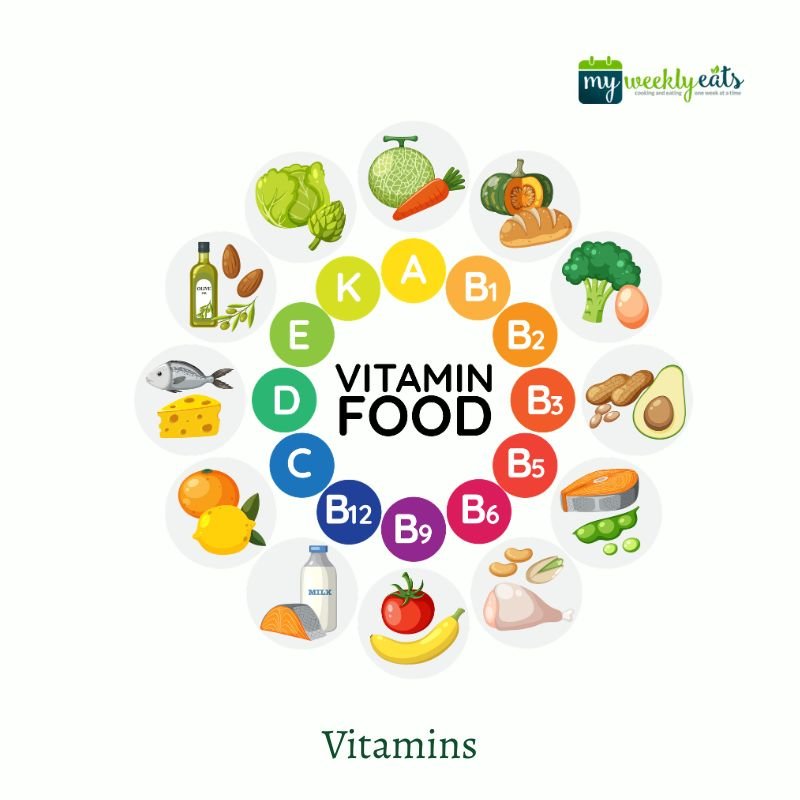
The small intestine’s three sections handle different nutrients. The duodenum (first section) absorbs iron, calcium, and fat-soluble vitamins. The jejunum (middle section) absorbs most carbohydrates, amino acids from protein digestion, and water-soluble B vitamins. The ileum (final section) absorbs vitamin B12 — which requires a specific protein called intrinsic factor produced in the stomach — along with bile salts and remaining fat-soluble vitamins.
Fat-soluble vitamins (A, D, E, K) require dietary fat to absorb. The liver produces bile, which emulsifies fat into droplets. Those droplets combine with fat-soluble vitamins and enter the lymphatic system before reaching the bloodstream. A meal with almost no fat will significantly reduce the absorption of any fat-soluble vitamins consumed alongside it.
Water absorbs throughout the entire GI tract — roughly nine litres circulate daily through secretion and reabsorption, with the large intestine recovering the final portion before waste is excreted.
The two ‘which nutritional class’ questions answered directly
Which nutritional class absorbs vitamins and sustains the immune system: Fat. Dietary fat carries fat-soluble vitamins through the lymphatic system into the bloodstream, and the same fat molecules provide the structural material for immune cell membranes. Without adequate dietary fat, vitamins A, D, E, and K do not absorb regardless of how many vitamin-rich foods you eat.
Which nutritional class builds and maintains cells and tissues: Protein. After digestion breaks protein chains into individual amino acids, those amino acids absorb through the intestinal wall into the bloodstream and travel to cells, where they are reassembled into structural proteins — muscle fibres, collagen, enzymes, hormones, and immune antibodies. Protein is the body’s primary construction material.
Here is how all six nutritional classes absorb — and what happens without enough of each:
| Nutritional Class | Primary Role | Where Absorption Happens | Key Weekly Sources | Deficiency Signal |
| Carbohydrates | Primary cellular energy source; dietary fiber supports gut microbiome and blood sugar regulation | Simple sugars: absorbed rapidly in the small intestine. Complex carbs: broken down by amylase starting in the mouth. Fiber: fermented by bacteria in the large intestine | Whole grains, legumes, sweet potatoes, vegetables, fruit, oats | Fatigue, brain fog, poor exercise performance; low fiber → constipation, poor gut diversity |
| Protein | Builds and repairs tissue; produces enzymes, hormones, and immune factors; the nutritional class that builds and maintains cells | Stomach: HCl denatures protein and activates pepsin. Small intestine (jejunum): enzymes break chains into amino acids, absorbed through intestinal wall into bloodstream | Meat, fish, eggs, dairy, legumes, tofu, tempeh, nutritional yeast | Muscle loss, slow wound healing, weakened immunity, hair thinning, oedema in severe cases |
| Fat | Absorbs fat-soluble vitamins (A, D, E, K); produces hormones; insulates organs; provides essential fatty acids the body cannot make | Small intestine: bile from the liver emulsifies fat into droplets; absorbed as fatty acids and monoglycerides into the lymphatic system before entering the bloodstream | Avocado, olive oil, nuts, seeds, fatty fish, coconut, eggs | Poor vitamin A/D/E/K absorption, hormonal disruption, dry skin, neurological issues |
| Vitamins | The nutritional class that absorbs fat-soluble vitamins and sustains immune system function; also regulate energy metabolism, vision, DNA synthesis, and collagen production | Fat-soluble (A, D, E, K): absorbed with dietary fat via lymph in small intestine; stored in liver and adipose tissue. Water-soluble (B complex, C): absorbed in small intestine; excreted in urine — must be replenished regularly | Leafy greens (K, folate), citrus (C), eggs (D, B12), dairy (A), nutritional yeast (full B complex), salmon (D) | Night blindness (A), scurvy (C), rickets (D), megaloblastic anemia (B12, folate), beriberi (B1) |
| Minerals | Structural roles (calcium in bones, iron in blood), electrolyte balance, nerve signaling, enzyme cofactors, oxygen transport | Primarily the small intestine — rates vary by mineral and compete with each other (calcium vs. iron). Vitamin D required for calcium absorption. Vitamin C enhances non-heme iron absorption | Spinach (iron), dairy/fortified plant milks (calcium), sweet potatoes (potassium), seeds (magnesium, zinc), shellfish (zinc) | Anemia (iron), osteoporosis (calcium), muscle cramps (magnesium), goiter (iodine), poor immunity (zinc) |
| Water | Transports all nutrients to cells; regulates body temperature; enables every metabolic reaction; flushes waste through kidneys | Absorbed throughout the entire GI tract — approximately 9 litres circulate daily through secretion and reabsorption. The large intestine reabsorbs remaining water before waste is excreted | Drinking water, fruits and vegetables (high water content), soups, herbal teas, milk | Dehydration: fatigue, impaired cognition, headache, reduced kidney function, elevated heart rate |
Data compiled from USDA FoodData Central and National Academies Dietary Reference Intakes. All absorption descriptions reference standard physiology texts.
What is the difference between nutrition and nutrients?
| Quick Answer: Nutrition is the overall process — how the body ingests, digests, absorbs, and uses food. Nutrients are the specific chemical compounds within food that the body extracts through that process. Nutrition describes the system; nutrients are the components. You can only have good nutrition if you consistently consume adequate nutrients from a varied diet. |
The factory and the raw materials
Think of nutrition as the factory and nutrients as the raw materials. The factory — your digestive system, liver, cells, and metabolic pathways — cannot produce anything without raw materials. And raw materials sitting in a warehouse produce nothing without the factory running. Both must be present and functional for nutrition to deliver results.
A person can eat nutrient-rich food and still have poor nutritional status if their digestive system is compromised. Conversely, a person with an excellent digestive system extracts more value from ordinary food than someone with inflammation-damaged intestinal lining extracting less from expensive supplements.
How many nutrient categories are there?
There are six essential nutrient categories: carbohydrates, protein, fat, vitamins, minerals, and water. ‘Essential’ has a precise scientific meaning — it means the body either cannot synthesize the nutrient at all, or cannot synthesize enough to meet its needs, so dietary intake is required. Remove any essential nutrient category from the diet long enough, and a specific deficiency condition results.
Some frameworks count dietary fiber as a seventh category, though fiber is technically a carbohydrate. Phytonutrients — plant compounds including antioxidants, polyphenols, and glucosinolates — are biologically active and evidence links adequate intake to reduced chronic disease risk, but no specific deficiency disease results from their absence alone, so they are not yet classified as essential nutrients.
Why this distinction matters when reading a nutrition label
A Nutrition Facts label shows the nutrient content of a food — a static snapshot of what is inside per serving. It does not measure your nutrition. How well your body extracts and uses those nutrients depends on digestion efficiency, the presence of other nutrients in the same meal (nutrient interactions), the food preparation method, and individual gut health.
Iron from a can of lentils and iron from a beef steak are both on their respective labels. But non-heme iron (plant-source) typically absorbs at 2–20% of the amount present, while heme iron (animal-source) absorbs at 15–35%. Eating the lentils alongside a vitamin C source — bell pepper, tomatoes, citrus — can raise non-heme iron absorption significantly. The label shows nutrients. What matters is nutrition.
What are minerals in nutrition — and what does the body need them for?
| Quick AnswerMinerals in nutrition are inorganic elements — including calcium, iron, potassium, magnesium, zinc, and sodium — that the body cannot synthesise and must obtain from food. They serve structural roles (bones and teeth), regulatory roles (nerve signals, fluid balance, enzyme activation), and transport roles (iron carries oxygen in haemoglobin). |
Macrominerals vs. trace minerals
Minerals divide into two groups based on how much the body requires — not how important they are. Macrominerals are needed in amounts greater than 100 mg per day: calcium, phosphorus, magnesium, sodium, potassium, chloride, and sulphur. Trace minerals are needed in milligram or microgram amounts: iron, zinc, iodine, selenium, copper, manganese, fluoride, and chromium. The word ‘trace’ describes quantity, not significance.
Iodine, for example, is needed in just 150 micrograms per day — a trace amount. But iodine deficiency is the leading preventable cause of intellectual disability worldwide, because the thyroid gland requires iodine to produce hormones that regulate brain development and metabolism.
What iron does in nutrition — specifically
Iron sits at the centre of haemoglobin, the protein in red blood cells that binds oxygen in the lungs and releases it to every tissue in the body. Without sufficient iron, haemoglobin production falls, red blood cells become smaller and less effective, and oxygen delivery to muscles, organs, and the brain decreases — producing the fatigue, pallor, and impaired concentration characteristic of iron-deficiency anaemia.
Iron also supports myoglobin (oxygen storage in muscle tissue), several energy-metabolism enzymes, and immune cell production. Iron-deficiency anaemia affects approximately one billion people globally, making it the most prevalent nutritional deficiency in the world. Plant-source (non-heme) iron is particularly important for vegetarians and plant-based eaters to monitor.
Why minerals compete — and what to do about it
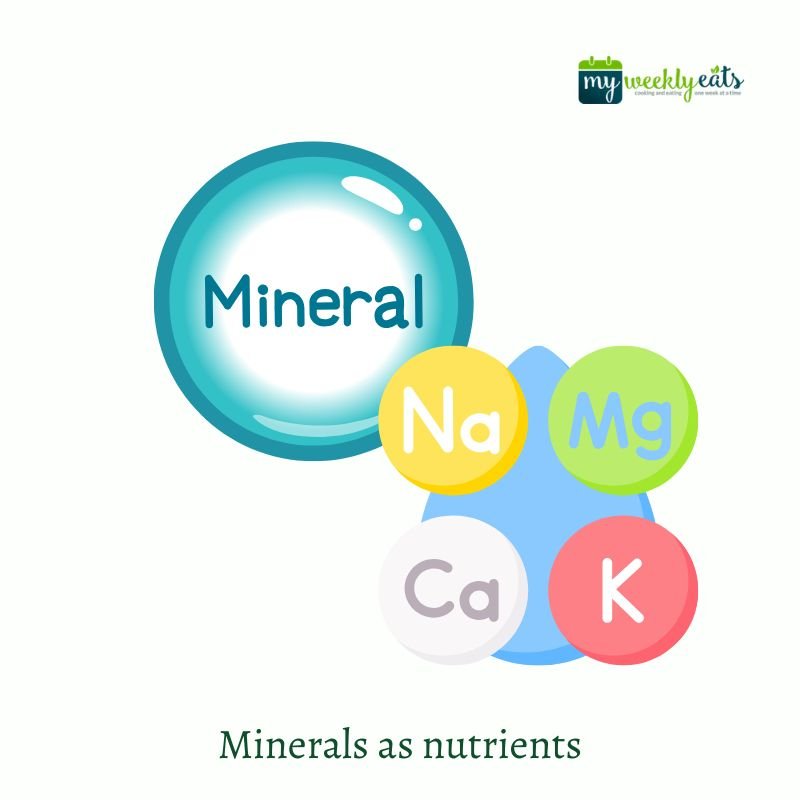
Minerals do not absorb in isolation. Calcium and iron share the same intestinal transport proteins, so eating large amounts of both at the same meal reduces the absorption of each. Zinc and copper compete similarly. This is why a single food high in every mineral simultaneously is a nutritional fantasy — the body’s absorption mechanisms require balance, not concentration.
The practical response is variety across the week rather than mega-dosing any single mineral food. Eat iron-rich plant foods with a vitamin C source — tomatoes with lentils, citrus dressing on spinach salad. Save calcium-rich foods for separate meals when iron absorption is the priority. These patterns are why a varied weekly meal plan outperforms any supplement strategy for mineral coverage.
| 1 billionpeople affected by iron deficiency globally | 150 mcgiodine needed daily — a ‘trace’ that prevents brain damage | 9 Lwater circulated daily through your GI tract |
Why is nutrition important — and what actually happens without it?
| Quick AnswerNutrition is important because the body has no alternative raw material source. Every cell, enzyme, hormone, and immune factor the body builds comes from nutrients. Without adequate nutrition, the body cannot maintain tissue, regulate metabolism, defend against illness, or sustain cognitive function — regardless of how otherwise healthy a person’s lifestyle appears. |
What adequate nutrition enables
Evidence indicates that consistent, adequate nutrition supports immune function, healthy body composition, cognitive performance, reproductive health, bone density, and reduced risk of chronic conditions including cardiovascular disease, type 2 diabetes, and certain cancers. These are associations from population-level research — not guaranteed individual outcomes. But the direction of evidence across decades of study is consistent and robust.
Beyond long-term disease prevention, nutrition has immediate daily effects. Adequate protein intake supports muscle maintenance during aging. Sufficient B vitamins support cellular energy production that determines afternoon energy levels. Adequate iron determines how much oxygen reaches the brain during cognitive work. These are not distant outcomes — they are today’s function.
What happens with chronic nutritional inadequacy
Nutritional deficiencies produce specific, measurable consequences that map directly to the missing nutrient’s biological function. This is not vague. Iron deficiency produces anaemia. Vitamin D deficiency impairs bone mineralisation and immune regulation. Iodine deficiency disrupts thyroid hormone production. Scurvy — vitamin C deficiency — causes the breakdown of connective tissue because vitamin C is required for collagen synthesis.
These deficiency conditions are well-documented in clinical medicine precisely because the deficiency-disease relationship is clear and reproducible. Remove the nutrient; the corresponding biological function fails. Restore the nutrient; function recovers — to the extent that damage is reversible.
Why the gaps that matter most are not obvious
Most adults in developed countries meet their macronutrient needs comfortably. The nutritional gaps that concentrate in the US population are micronutrient gaps — particularly vitamin D, potassium, calcium, and dietary fiber. These do not produce dramatic deficiency symptoms quickly. Vitamin D insufficiency develops over months or years before bone or immune effects become clinically visible. Dietary fiber consistently below the 28 g Daily Value reshapes the gut microbiome composition over time without any acute symptom.
This is why weekly nutritional consistency matters more than daily perfection. Missing one serving of vegetables today is trivial. Eating the same limited range of foods every single week for a year creates structural micronutrient gaps that no amount of good intention fixes without deliberate food variety.
| The practical implication: Nutritional adequacy is a pattern, not an event. One excellent meal does not rescue a poor weekly pattern. One poor meal does not derail a strong weekly pattern. What matters is the average across seven days — which is exactly why weekly meal planning is a more effective nutrition strategy than daily calorie counting. |
What do RDA, DRI, AI, UL, and EAR mean in nutrition?
| Quick AnswerRDA, DRI, AI, UL, and EAR are all part of the Dietary Reference Intake framework — the US and Canadian system for establishing how much of each nutrient different population groups need daily. DRI is the umbrella system. RDA is the most widely used individual target. UL is the safety ceiling. DV on the Nutrition Facts label is the FDA’s simplified consumer version of the same system. |
These terms appear on supplement labels, in research papers, on government dietary guidance, and in clinical nutrition practice. Understanding which term does what job takes under five minutes — and saves a lifetime of confusion when reading nutrition information.
Why the system exists
The Dietary Reference Intake framework was established by the National Academies of Sciences, Engineering, and Medicine, replacing the older standalone Recommended Daily Allowances in the late 1990s. The older system set one reference value per nutrient. The DRI system recognised that a single number could not serve every purpose simultaneously — a daily intake goal, a safety limit, and a population adequacy measure are different questions that need different answers.
DRI values are updated periodically as nutrition science evolves. The vitamin D DRI was revised upward in 2010 and is under review again as deficiency research accumulates. The sodium DRI was revised downward from 2,400 mg to 2,300 mg when the FDA updated the Nutrition Facts label in 2020. These are not bureaucratic changes — they reflect updated evidence on what human health actually requires.
The one you use every day without realising it
The % Daily Value on every Nutrition Facts label in the US is the FDA’s consumer-facing translation of the DRI system. It converts milligrams and micrograms into a percentage of a standardised daily target, based on a 2,000-calorie reference diet. The 5%/20% rule — 5% DV or less is low, 20% DV or more is high — is the most practically useful shortcut in all of nutrition label reading. It works for every nutrient on every label without memorising a single raw gram or milligram value.
Every reference term defined in one table:
| Term | Full Name | What It Means | The Practical Rule |
| DRI | Dietary Reference Intake | The umbrella framework covering all nutrient intake standards in the US and Canada, established by the National Academies of Sciences. DRI is the system; RDA, AI, UL, and EAR are its specific values. | When someone says ‘DRI,’ they mean the whole system. The specific number you need depends on which DRI value applies to your nutrient (RDA vs. AI vs. UL). |
| RDA | Recommended Dietary Allowance | The daily intake sufficient to meet the nutrient requirements of 97–98% of healthy individuals in a given life stage and sex group. The most widely used individual daily target. | Use the RDA as your daily target for nutrients like calcium, vitamin C, and iron. If your average intake meets the RDA, deficiency is highly unlikely. |
| AI | Adequate Intake | Used when scientific evidence is insufficient to calculate a full RDA. It is the estimated intake that appears to sustain adequate nutritional status in a healthy population. Less precise than an RDA. | Apply AI the same way you use RDA — as a daily intake goal. It appears for vitamin D and potassium, where RDA data remain limited. |
| UL | Tolerable Upper Intake Level | The highest daily intake unlikely to cause adverse health effects in almost all individuals. Exceeding the UL increases the risk of toxicity — especially for fat-soluble vitamins (A, D, E, K) and minerals like iron and zinc. | Check the UL before taking high-dose supplements. Reaching the UL from whole foods alone is extremely rare — the risk is almost always from concentrated supplement forms. |
| EAR | Estimated Average Requirement | The intake estimated to meet the needs of 50% of healthy people in a group. Used in population-level dietary research, not for individual dietary planning. | Most readers do not need EAR values in daily life. Public health researchers use EAR to assess whether a population’s collective intake is adequate. |
| DV | Daily Value (% DV on labels) | The reference amount set by the FDA for use on Nutrition Facts labels in the US, based on a 2,000-calorie diet. Expressed as a percentage on every packaged food label. | Use the 5%/20% rule every time you read a label: 5% DV or less = low in that nutrient per serving. 20% DV or more = high. The most practical daily tool for every grocery trip. |
Source: National Academies of Sciences, Engineering, and Medicine — Dietary Reference Intakes series (2011–2019 updates). FDA Daily Value references from 21 CFR 101.9.
How accurate is nutritional information — on labels, online, and in restaurants?
| Quick AnswerFDA regulations allow up to a 20% margin of error on Nutrition Facts label values, meaning a food declaring 100 calories per serving can legally contain between 80 and 120 calories. Restaurant nutrition data is typically accurate for standardised items but varies with portion size. For whole foods, USDA FoodData Central is the most verified data source available. |
The FDA’s ±20% tolerance rule — what it actually means
Under 21 CFR 101.9, the FDA applies different tolerance standards depending on nutrient direction. For nutrients with a Daily Value ceiling — sodium, saturated fat, cholesterol, added sugars — the declared label value must not exceed the actual value by more than 20%. You cannot label 500 mg sodium per serving if the product actually contains 700 mg. For nutrients with a Daily Value floor — protein, vitamins, minerals — the declared value must not be less than 80% of what is actually present. If a label claims 100% DV of vitamin C, at least 80% of that must genuinely be there.
In practice, most major manufacturers test their products carefully and stay well within FDA tolerances — staying over-declared for nutrients-to-minimize and under-declared for nutrients-to-maximize would both draw regulatory attention. But the tolerance exists, which is why nutrition label values are best understood as reliable estimates, not precise measurements.
Restaurant nutritional information — what the law requires
Under the FDA menu labelling rule that took full effect in 2018, restaurants and similar food retail establishments with 20 or more US locations must display calorie counts on menus. Full nutritional information — covering all major nutrients, not just calories — must be available in writing upon customer request. This rule applies to chain restaurants, bakery chains, coffee shops, and grocery store prepared food sections with the scale threshold.
Smaller independent restaurants are not required to provide nutritional information. Even for large chains, accuracy can vary meaningfully with portion size, ingredient substitutions, and preparation method. A grilled chicken dish that is nominally 380 calories can vary by 100+ calories depending on how much oil is used in preparation at a specific location on a specific day. Chain data represents an average of standardised preparation, not a guaranteed precise figure.
The most reliable sources for nutrition information
USDA FoodData Central (available at fdc.nal.usda.gov) is the most comprehensive scientifically verified database for whole and minimally processed foods. It is the data source behind the Nutrition Facts label system, most nutrition tracking apps, and the research cited in this guide. For packaged foods you are actually consuming, the Nutrition Facts label on that specific product is the most accurate source available.
For recipes, tools that calculate nutrition from ingredient-level USDA data produce more accurate results than generic databases that average across recipes of the same name. ‘Homemade lentil soup’ nutrition varies enormously by recipe — a calculation from specific ingredient quantities is far more reliable than a generic database entry.
Nutrition information on social media requires independent verification before application. Posts making specific quantitative nutrition claims should be checked against USDA data or peer-reviewed sources. The signal-to-noise ratio in social media nutrition content is low, and the consequences of acting on inaccurate nutrition information — especially around medications, supplements, or specific health conditions — can be meaningful.
What does a nutritionally balanced diet look like in weekly practice?
| Quick AnswerA nutritionally balanced diet covers all six essential nutrient categories — carbohydrates, protein, fat, vitamins, minerals, and water — across varied food sources over the course of a full week. No single meal needs to be perfectly balanced. What matters is that the pattern across seven days covers each category with enough variety to prevent micronutrient gaps. |
The statement that best describes a nutritionally balanced diet is not a list of specific foods. It is a description of coverage and variety over time. A balanced diet is one that provides adequate amounts of all six essential nutrient categories — consistently, across a week — without long-running excesses or gaps in any category.
The five food category weekly framework
Building a nutritionally balanced week does not require tracking every gram. It requires deliberate coverage across five food categories that together cover the full micronutrient spectrum:
- Dark leafy greens 3–4 times per week: spinach, kale, arugula, Swiss chard. These deliver iron, folate, vitamins K and C, calcium, and antioxidants in higher concentrations per calorie than almost any other food category.
- Cruciferous vegetables 3+ times per week: broccoli, cauliflower, Brussels sprouts, cabbage. These supply glucosinolates, vitamin C, dietary fiber, and vitamin K — a combination no other food group replicates.
- Legumes 3–4 times per week: chickpeas, lentils, black beans, edamame. These are the plant-based protein and fiber anchor of any balanced weekly plan — also providing iron, folate, zinc, and resistant starch.
- Whole grains daily: oats, brown rice, quinoa, whole wheat, farro. B vitamins, dietary fiber, magnesium, and sustained energy without the glucose spike of refined grains.
- Quality fat sources daily: avocado, olive oil, nuts, seeds, and fatty fish twice weekly. These deliver fat-soluble vitamin absorption, omega-3 fatty acids, and the cell membrane integrity every organ depends on.
What ‘ideal nutrition food’ actually means
No single food provides complete nutrition for humans. The closest candidates — eggs, liver, wild salmon, spinach — each cover a wide nutritional range but none provides all six essential nutrient categories in adequate amounts alone. The concept of an ideal nutrition food misses the point of how nutrition works biologically. The body requires distribution of nutrients across multiple sources, multiple meals, and multiple days — not a single perfect food repeated indefinitely.
The closest thing to ideal nutrition is a varied weekly eating pattern built around the five categories above. That pattern covers protein, carbohydrates, fat, most vitamins, most minerals, and adequate fiber without supplementation for the majority of healthy adults.
Which nutrition tool is easiest to use for planning menus
The most effective tools for weekly menu planning operate across multiple days rather than evaluating single meals. A tool that shows your running weekly totals for fiber, protein, vitamin D, and sodium — not just today’s numbers — reflects how nutritional status actually accumulates in the body. Single-meal calorie trackers optimise the wrong thing. Weekly pattern planners optimise the right thing.
A weekly meal plan that automatically rotates across the five food categories above — built around real plant foods, with variety across the seven days — removes the daily decision burden entirely. Consistent structure, not perfect individual meals, is what produces nutritional balance over time.
We recommend building your weekly plate around the five categories in this guide. Not obsessively. Not with a calculator at every meal. With enough structural intention that no nutritional class goes missing for days at a time — and with the variety to cover the full micronutrient spectrum that no single food can deliver alone.
The Bottom Line on General Nutrition Questions
Nutrition is a process, not a property. The six essential nutrient categories — carbohydrates, protein, fat, vitamins, minerals, and water — each absorb by different mechanisms at different sites in the body, which is why what you eat alongside a nutrient matters as much as whether you consume it. Iron without vitamin C. Fat-soluble vitamins without dietary fat. Neither combination delivers what the label promises.
The reference value system — DRI, RDA, AI, UL, EAR, and the % DV on every packaged food label — translates nutrition science into daily targets you can actually use. The 5%/20% Daily Value rule is the single most practical shortcut available for every grocery decision you make. Learn it once and it works on every label, for every nutrient, for life.
A nutritionally balanced diet is not a perfect meal three times a day. It is a pattern across seven days that covers all six essential nutrient categories with enough variety to prevent the micronutrient gaps that develop silently over weeks and months. Dark leafy greens, cruciferous vegetables, legumes, whole grains, and quality fats — rotated consistently across the week — cover the majority of what the body needs without supplementation for most healthy adults.
Knowing the answers to these foundational questions does not change what you eat tonight. Building a weekly meal plan that embeds these principles does.
| Turn What You Know Into What You Eat.Build Your Weekly Plant-Food Meal Plan on MyWeeklyEats.comEvery nutritional class. Every week. Already planned. |
All nutritional data referenced from USDA FoodData Central and National Academies Dietary Reference Intakes (2011–2019). FDA regulatory figures from 21 CFR 101.9. This content is for educational purposes only and is not intended as medical or dietary advice.