
7 Best Good Low Carb Meal Plans for Effective Weight Loss
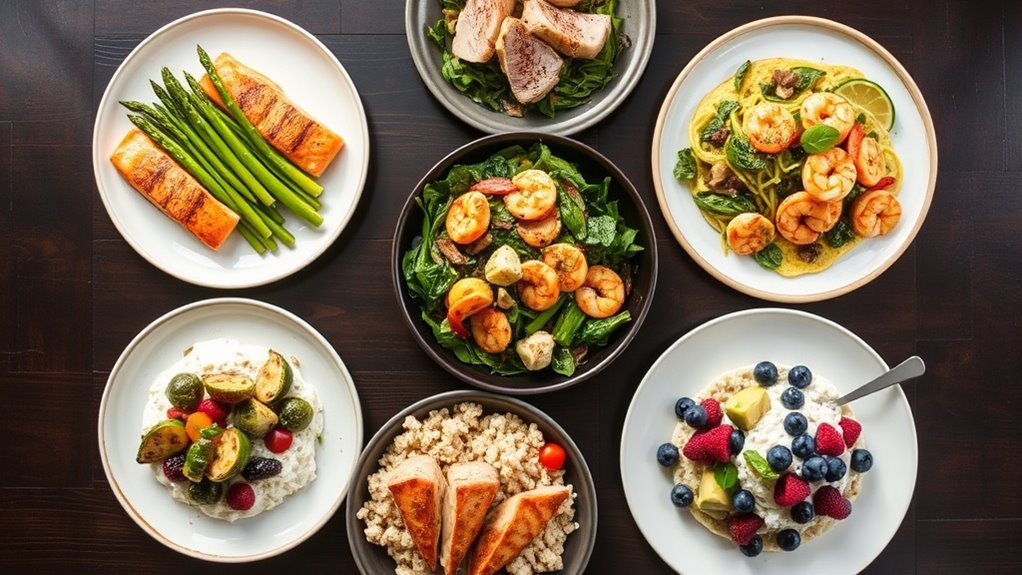
You can boost your weight loss by choosing from the 7 best low-carb meal plans designed to keep your carbs under 130g or even 50g for ketosis. These plans focus on protein, healthy fats, and plenty of non-starchy veggies to keep you satisfied and energized.
They offer flexibility, variety, and easy swaps to fit your lifestyle. Stick with these strategies, and you’ll find effective ways to track progress, customize meals, and overcome common challenges along the way.
How to Choose the Right Low-Carb Meal Plan for Weight Loss
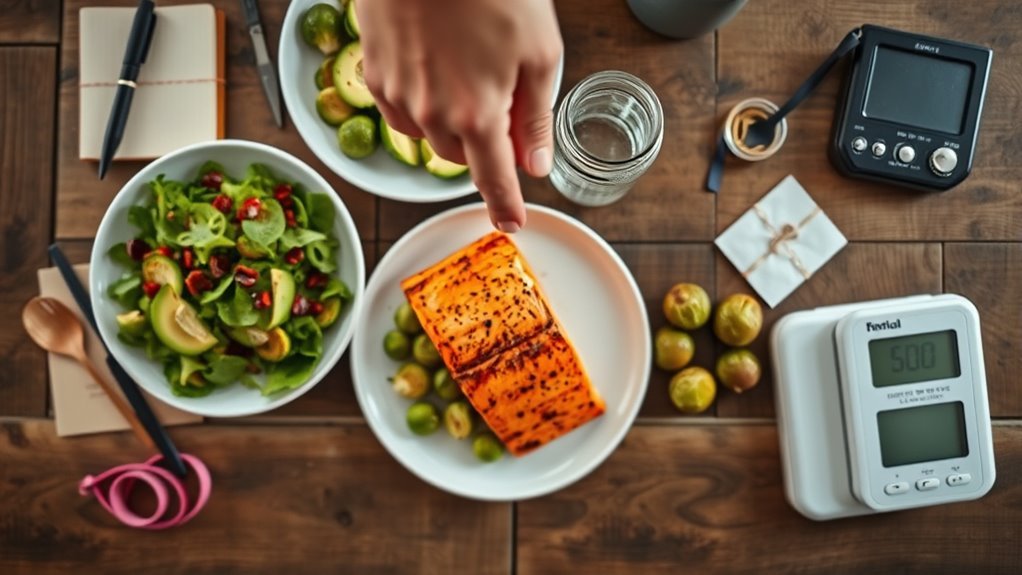
Choosing the right low-carb meal plan starts with understanding your daily carbohydrate limit and how it fits your weight loss goals. Low carb diets typically range from under 20-50 grams of carbs daily for ketosis to up to 130 grams for general low-carb approaches.
You’ll want to pick meal plans that match this limit while fitting your lifestyle and preferences, like vegetarian or paleo options, ensuring you stick with it long-term. Managing carbohydrate intake effectively helps control blood sugar levels and supports steady weight loss.
Look for plans offering balanced nutrition, including adequate fiber, protein, and healthy fats, so your body stays energized and healthy throughout. Flexibility matters too. Choose meal plans that allow variety and let you enjoy your favorite foods without feeling restricted.
Finally, it’s wise to consult a healthcare professional, especially if you have specific health issues or medications, to tailor your low-carb diet for the best weight loss results and overall well-being.
Key Features That Make Low-Carb Meal Plans Effective
When you follow a low-carb meal plan, its effectiveness largely depends on how well it manages your carbohydrate intake, typically keeping it under 130 grams daily and often below 50 grams for those aiming to enter ketosis. Effective plans focus on balanced macronutrients by emphasizing high-protein and healthy fat sources. These help you feel full and protect lean muscle during weight loss.
Including a variety of non-starchy vegetables boosts fiber and nutrient density without raising carbs. Portion control and meal diversity prevent boredom, making it easier to stick with your plan long-term. These key features support sustainability, ensuring you can maintain healthy habits beyond initial results.
Scientific evidence backs these approaches, showing improvements in weight loss, blood sugar control, and cholesterol levels. By choosing low-carb meal plans with these characteristics, you set yourself up for effective and lasting weight loss success.
Top 7 Low-Carb Meal Plans to Try for Sustainable Weight Loss
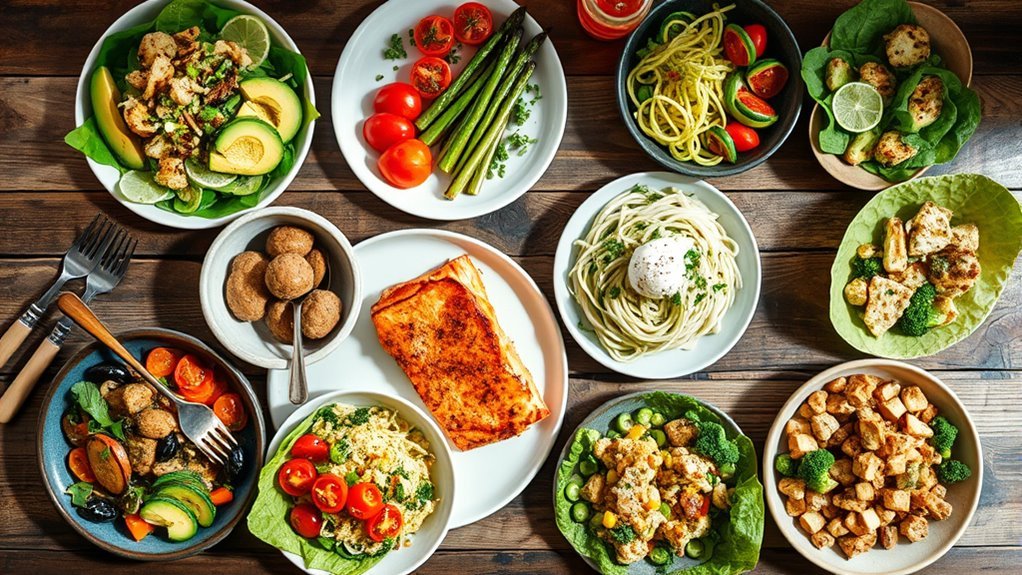
You’ll find that the top low-carb meal plans balance your macros carefully to keep your energy steady and cravings low. They offer plenty of meal variety and flexibility, so you won’t get bored or feel restricted. Plus, with smart portion control strategies, you can stay on track without stressing about every bite.
Balanced Macronutrient Distribution
Seven popular low-carb meal plans share a common goal: balancing macronutrients to support effective, sustainable weight loss. You’ll find they focus on balanced macronutrients by limiting carbohydrate intake to 20-50 grams daily. At the same time, they emphasize healthy fats, high-quality proteins, and non-starchy vegetables.
This approach guarantees you get nutrient-dense foods that promote satiety and metabolic health.
| Meal Plan | Carb Intake (g) | Macronutrient Focus |
|---|---|---|
| Keto | <50 | High fats, moderate protein |
| Mediterranean | <50 | 30-40% fats, 20-25% protein |
| South Beach | 20-50 | Emphasis on lean protein, healthy fats |
Meal Variety And Flexibility
Although low-carb diets might seem restrictive at first, the top 7 meal plans actually offer impressive variety and flexibility to fit your tastes and lifestyle. These plans, including keto, paleo, and Mediterranean, focus on meal variety by incorporating proteins, non-starchy veggies, healthy fats, and occasional fruits. They’re customizable to your dietary needs, making it easier to stick with a low carb approach long-term.
Here’s how these meal plans provide flexibility and variety:
- Swap meals easily to keep things interesting
- Adjust portion sizes based on your carb tolerance
- Choose from different protein and veggie options
- Follow structured guidelines with sample meal ideas
- Tailor plans to fit vegetarian or balanced diet preferences
This flexibility helps you enjoy diverse, nutrient-dense meals without feeling restricted.
Portion Control Strategies
Effective portion control plays a crucial role in the success of low-carb meal plans for sustainable weight loss. You can use meal prep containers and visual cues to measure your food easily, preventing overeating.
Many plans recommend calorie tracking and monitoring carbs, usually between 20-50 grams daily, to stay on target. Incorporating protein-rich foods and healthy fats boosts satiety, helping you feel full longer and avoid unnecessary snacking.
Balancing your meals with non-starchy vegetables and moderate protein ensures steady energy levels throughout the day. Don’t overlook meal timing; eating consistently supports portion awareness and better digestion.
Sample Menus and Recipes From Popular Low-Carb Meal Plans

When you explore popular low-carb meal plans, you’ll find sample menus packed with high-protein foods like eggs, poultry, and seafood, combined with plenty of non-starchy vegetables. These recipes often swap traditional grains for cauliflower rice and replace bread with leafy greens, making meal prep simple and effective for weight loss. You’ll enjoy flavorful dishes enhanced by herbs and spices without adding extra carbs.
Here are some examples from these low carbohydrate meal plans:
- Veggie omelet with bacon for breakfast
- Grilled chicken salad with mixed greens and vinaigrette
- Cauliflower rice stir-fry with shrimp and broccoli
- Zucchini noodles tossed in pesto with grilled salmon
- Steak served with roasted Brussels sprouts
These sample menus balance nutrient-dense ingredients to support your weight loss goals while keeping carb counts in check. Following these recipes makes sticking to a low carb meal plan easier and more enjoyable.
How to Track Your Carb Intake and Measure Progress
Tracking your carb intake helps you stay on course with the meal plans and recipes you’ve chosen. Start by keeping a detailed food journal or using tracking apps to log everything you eat.
Use nutrition labels to calculate net carbs by subtracting dietary fiber and sugar alcohols from total carbs. Accurately measure portion sizes with a kitchen scale or measuring cups to avoid accidentally exceeding your carb limits.
Regularly review your daily carb intake against your progress goals to see if adjustments are needed. Incorporate blood glucose or ketone testing for objective progress measurement. This helps you understand how your body responds to different carb amounts.
How to Customize Low-Carb Meal Plans to Fit Your Lifestyle
To customize your low-carb meal plan, start by thinking about your personal carb needs based on how active you are and what your goals look like. Next, pick flexible meal options that include your favorite low-carb foods—this way, you’ll actually enjoy what you’re eating. And finally, tweak your portion sizes so they fit your hunger and lifestyle without making you feel restricted. It’s all about finding what works best for you!
Assess Personal Carb Needs
Finding the right balance of carbohydrates starts with understanding your unique daily tolerance. This can range from under 20 grams for keto diets to around 130 grams for more moderate low-carb approaches.
To assess your personal carb needs, you should track your current carbohydrate consumption for a week to spot patterns. Also, consider your activity level, age, and health goals when setting limits.
Adjust your meal plan gradually to see how your body reacts. Focus on nutrient-dense foods that fit your preferences and lifestyle.
Finally, build a personalized low-carb diet that supports sustainable weight loss.
Incorporate Flexible Meal Options
One of the best ways to stick with a low-carb meal plan is by incorporating flexible meal options that fit your lifestyle and preferences. By customizing your low carb diet plan, you can include a variety of protein sources, healthy fats, and non-starchy vegetables to maintain nutritional balance.
Try meal prep strategies like batch cooking or swapping ingredients in salads, lettuce wraps, and stir-fries to keep meals interesting and adaptable. This flexibility lets you adjust easily to changing schedules or tastes without compromising your goals.
While portion sizes play a role, focusing on versatile meal options ensures you enjoy what you eat and stay consistent. Embracing variety and customization makes it easier to maintain your low-carb regimen for effective, sustainable weight loss.
Adjust Portion Sizes Strategically
Customizing your low-carb meal plan goes beyond choosing flexible ingredients. It also means adjusting portion sizes to match your lifestyle and goals. Strategic portion adjustment helps you maintain calorie control while enhancing satiety, making meal planning more effective.
Focus on balancing your plates with nutrient-dense foods and mindful portions. Here’s how to do it:
- Control portion sizes of calorie-dense foods like nuts and cheeses to keep carbs low.
- Use smaller plates to naturally reduce portions without feeling hungry.
- Increase or decrease portions based on your activity level for ideal energy.
- Add plenty of non-starchy vegetables to boost volume and fullness without extra carbs.
- Listen to your hunger cues to fine-tune portions and avoid overeating.
This approach makes your low-carb meal plan sustainable and tailored to your needs.
Common Challenges on Low-Carb Meal Plans and How to Overcome Them
Although low-carb meal plans offer effective weight loss benefits, you may face several common challenges along the way. Cravings for sugary and processed foods often strike early but can be managed by choosing satisfying low-carb snacks like nuts and cheese.
Nutritional deficiencies, especially in fiber and micronutrients, might occur if your meals lack variety. Including plenty of non-starchy vegetables and low-carb fruits helps prevent this.
Weight loss plateaus frequently happen, often due to hidden carbs or overeating. Paying close attention to portion control and reading labels carefully is essential.
Meal planning plays an essential role in overcoming these obstacles, especially when dining out or facing social situations. Planning ahead by checking menus and opting for meat or seafood with vegetables keeps you on track.
Staying hydrated and replenishing electrolytes can also ease fatigue during the shift. With mindful strategies, you can overcome these challenges and enjoy lasting success on your low-carb journey.
Frequently Asked Questions
Are Low-Carb Diets Safe for People With Diabetes?
Low-carb diets can be safe for you if you have diabetes, but you need to manage them carefully. Since you’re likely on diabetes medication, you must monitor your blood sugar and glucose levels regularly to avoid hypoglycemia.
Carbohydrate counting helps maintain insulin sensitivity and prevent spikes. Be cautious of diabetic ketoacidosis risks, especially on very low-carb plans. Always consult your healthcare team before making changes to guarantee your safety and effectiveness.
Can Low-Carb Meal Plans Improve Mental Clarity?
Low-carb meal plans can clear the stormy skies of your mind, lifting brain fog and enhancing mental focus. When you cut carbs, your cognitive function sharpens like a finely honed blade, offering clarity improvement and boosting concentration.
How Do Low-Carb Diets Affect Cholesterol Levels?
Low-carb diets cause cholesterol fluctuations by affecting your HDL and LDL balance. You’ll often see HDL increase, which benefits your heart, but LDL might rise too, depending on your dietary fat impact and genetics.
These lipid profile changes vary, so you should monitor them closely. Over time, these shifts can influence your long-term health effects, making it essential to focus on healthy fats and consider genetic influences when managing your cholesterol on a low-carb diet.
What Are the Best Low-Carb Snacks for Hunger Between Meals?
You might find it funny how often healthy nuts and savory cheese pop up as go-to snacks when hunger strikes between meals. Toss in fresh vegetables like celery or bell peppers, and you’ve got a crunchy, satisfying combo.
Protein bars come in handy when you’re on the move, while hard boiled eggs and beef jerky provide that protein punch to keep you full longer. These choices keep cravings at bay and energy steady.
Can Low-Carb Meal Plans Be Followed on a Vegetarian Diet?
Yes, you can follow low-carb meal plans on a vegetarian diet by focusing on vegetarian protein sources like eggs, dairy options, and vegan substitutes such as tofu. Incorporate plant-based fats from nuts and seeds to keep you full.
Use egg incorporation for added protein and variety. Planning ahead with vegetarian meal prep helps maintain balance and guarantees you meet your nutritional needs while sticking to low carbs.
Conclusion
Choosing the right low-carb meal plan can gently guide you toward your weight loss goals without feeling like a drastic change. Remember, it’s about making thoughtful swaps and embracing nourishing choices that suit your lifestyle.
You might face a few “learning moments” along the way, but with patience and flexibility, you’ll find a rhythm that works. Keep focusing on progress, not perfection, and enjoy the positive changes that come with smarter eating habits.