What Is a Plant-Based Diet Overview?
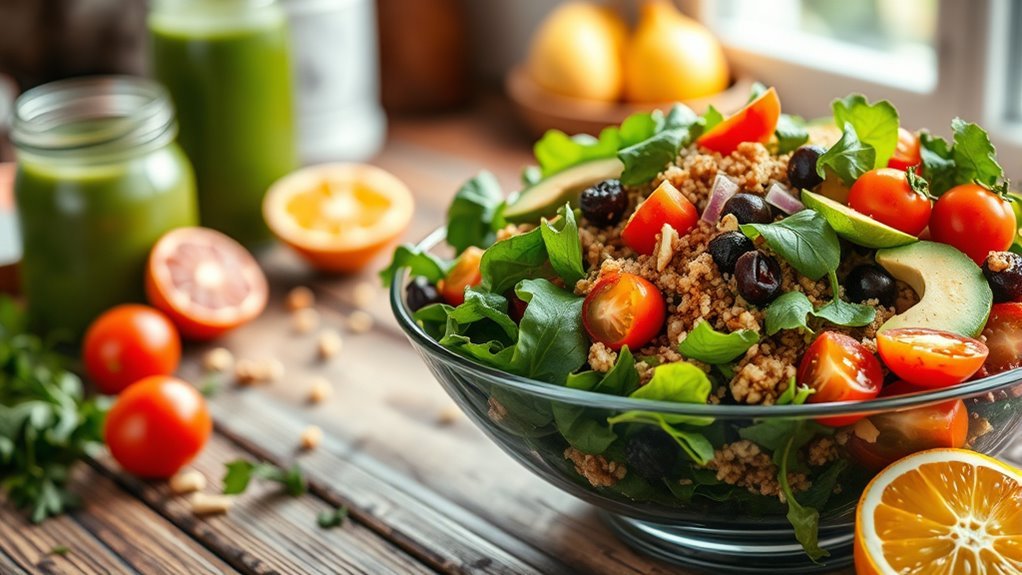
A plant-based diet focuses on whole, minimally processed foods like vegetables, fruits, grains, nuts, seeds, and legumes, with most of your meals coming from plants.
You can include small amounts of animal products if you like, making it flexible and personalized.
This approach supports health and sustainability by emphasizing nutrient-rich foods while limiting processed options.
If you want to explore how it differs from other diets, its benefits, and practical tips, there’s plenty more to discover.
What Is a Plant-Based Diet?
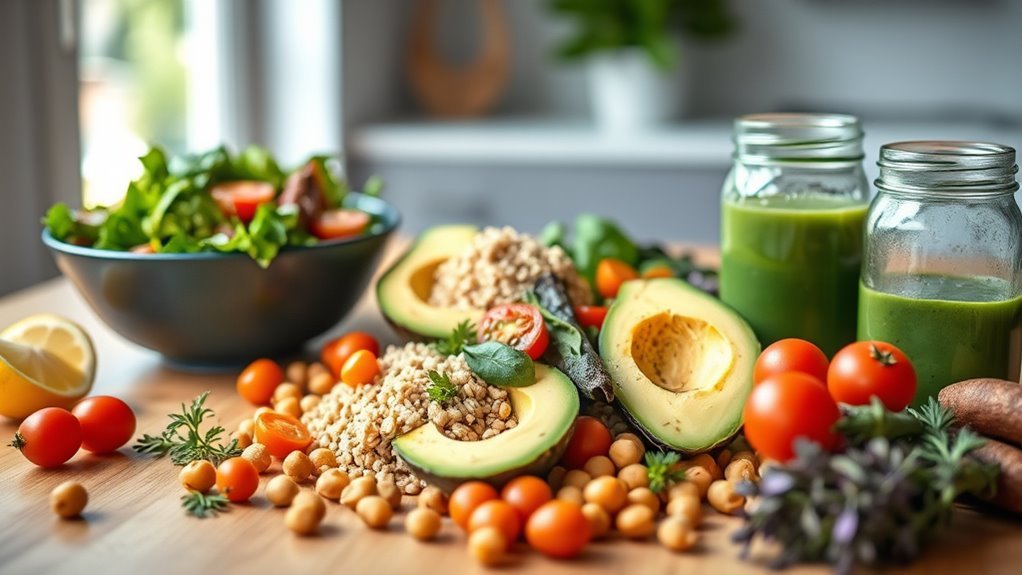
What exactly makes a diet plant-based? It’s centered around whole foods like vegetables, fruits, whole grains, nuts, seeds, and legumes. When you follow a plant-based diet, most of your dietary intake comes from plant sources, which means you prioritize minimally processed foods.
You don’t have to eliminate animal products completely, but they shouldn’t be the main focus of your meals. In fact, you can include small amounts of eggs, dairy, poultry, or fish if you want. The goal is to have at least two-thirds of each meal made up of plants, which helps boost your overall health.
This approach is flexible and lifestyle-oriented, allowing you to adapt it based on your preferences and needs. By focusing on these nutrient-rich plant foods, you’ll be nourishing your body with a variety of essential vitamins, minerals, and fiber. It’s a sustainable and balanced way to eat.
How Does a Plant-Based Diet Differ From Vegan and Vegetarian Diets?
Understanding how a plant-based diet differs from vegan and vegetarian diets can help you choose the approach that fits your lifestyle best. A plant-based dietary pattern emphasizes eating mostly whole, minimally processed plant foods but allows some flexibility with animal products.
Unlike vegan diets, which exclude all animal products, including dairy, eggs, and even honey, plant-based diets don’t require complete elimination. Vegetarian diets avoid meat but often include dairy and eggs, while plant-based focuses on the predominance of plants regardless of small animal product inclusion.
The key difference lies in emphasis. Vegan and vegetarian diets have specific animal product restrictions, often driven by ethical or environmental reasons. In contrast, a plant-based diet prioritizes health benefits by focusing on plants but doesn’t demand full exclusion of animal-derived foods.
This flexibility makes a plant-based dietary pattern more adaptable if you want to improve your diet without fully committing to vegan or vegetarian labels.
What Foods Are Included in a Plant-Based Diet?
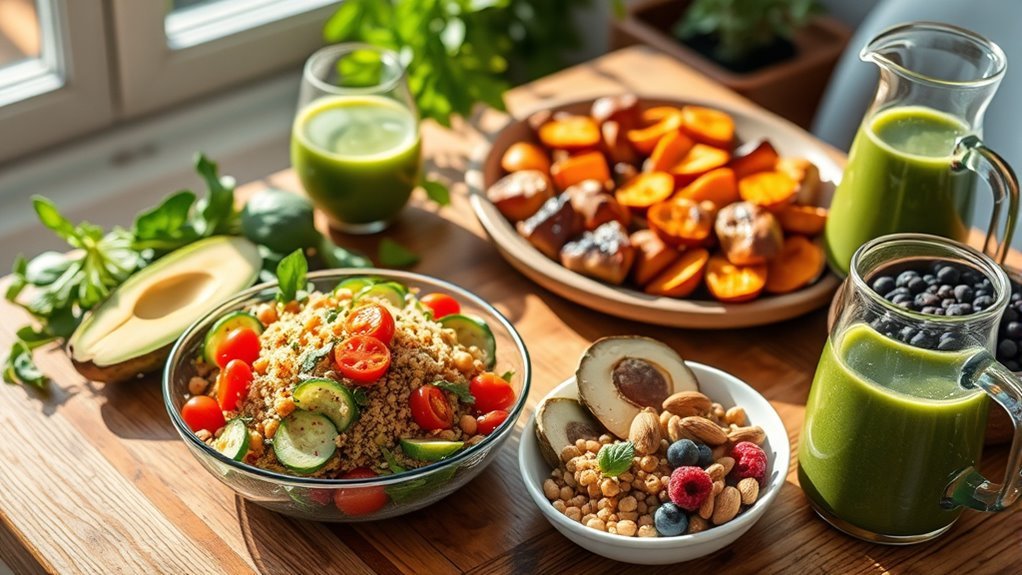
When you adopt a plant-based diet, you focus on filling your plate mostly with fruits, vegetables, whole grains, legumes, nuts, and seeds. These plant-based foods form the foundation of your meals, providing essential nutrients and fiber.
You’ll want to choose minimally processed options to maximize health benefits, avoiding refined grains, added sugars, and artificial ingredients. Whole grains like brown rice, quinoa, and oats supply lasting energy, while legumes such as beans, lentils, and chickpeas offer plant-based protein.
Nuts and seeds add healthy fats and texture to your dishes. Fruits and vegetables come in a colorful variety, delivering vitamins, minerals, and antioxidants crucial for overall wellness.
Can You Eat Animal Products on a Plant-Based Diet?
Focusing your meals on fruits, vegetables, whole grains, and legumes doesn’t mean you have to cut out animal products completely. A plant-based diet emphasizes plants as the main part of your meals but allows for dietary flexibility. You can include small amounts of meat and dairy in moderation, depending on your preferences.
Many people adopt a flexitarian approach, which means they mainly eat plant foods but occasionally enjoy eggs, poultry, fish, or dairy without feeling restricted. This flexibility makes it easier to shift to or maintain a plant-based diet without feeling deprived.
Rather than eliminating animal products entirely, you prioritize plants while still enjoying some animal foods when you choose. This balance supports a sustainable, personalized eating style that fits your lifestyle and goals.
What Are the Health Benefits of a Plant-Based Diet?
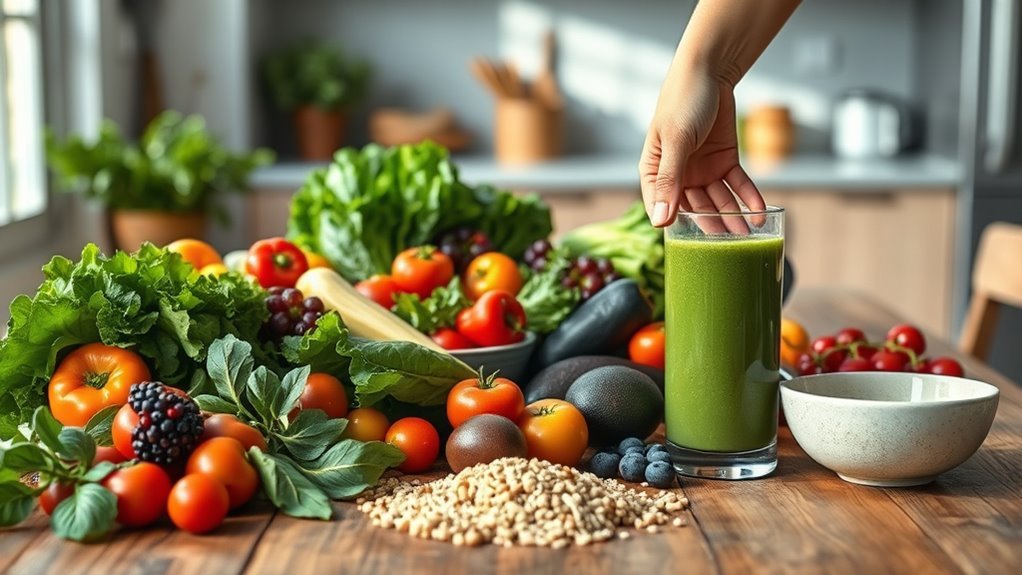
You’ll find that a plant-based diet can lower your risk of chronic diseases like heart disease and diabetes. Plus, it helps with healthy weight management by reducing inflammation and boosting your metabolism. So, let’s dive into how these benefits can really make a difference in your overall health.
Chronic Disease Prevention
Because a plant-based diet is rich in fiber, antioxidants, and phytochemicals, it actively lowers inflammation and oxidative stress that contribute to chronic diseases. By embracing healthy eating centered on plant foods, you can markedly reduce your risk of heart disease, diabetes, and certain cancers.
Studies show that following a plant-based diet helps lower blood pressure, cholesterol, and blood sugar, key factors linked to chronic conditions. Not only does this diet reduce your risk, but it can also help manage or even reverse existing heart disease and type 2 diabetes.
Choosing plant-based meals supports your long-term health by decreasing the likelihood of developing neurodegenerative diseases and promoting overall wellness. This risk reduction makes a plant-based diet a powerful tool in preventing chronic diseases.
Weight Management Benefits
Alongside reducing the risk of chronic diseases, a plant-based diet offers powerful benefits for managing your weight. By increasing fiber intake, plant-based diets help you feel fuller longer, which naturally lowers your calorie consumption.
Research shows people following these diets often have a lower BMI compared to those on omnivorous diets. Cutting out processed foods and high-fat animal products further supports effective weight management.
Plus, you can achieve sustained weight loss without strict calorie counting. A diet rich in fruits, vegetables, and whole grains also stabilizes blood sugar and reduces fat buildup, making long-term weight control easier.
| Benefit | Impact |
|---|---|
| Increased fiber intake | Enhances satiety |
| Reduced calorie consumption | Supports weight loss |
| Lower BMI | Indicates healthier body weight |
| Whole plant foods | Improve weight management |
| Blood sugar regulation | Decreases fat accumulation |
How Can a Plant-Based Diet Help Prevent Chronic Diseases?
When you choose a plant-based diet, you actively reduce your risk of chronic diseases like heart disease, stroke, and high blood pressure by fueling your body with fiber, healthy fats, and antioxidants. These nutrients help lower inflammation, a root cause of many chronic illnesses.
By eating a variety of fruits, vegetables, and whole grains, you improve insulin sensitivity, which helps prevent diabetes and maintain balanced blood sugar levels. The antioxidants in plant foods combat oxidative stress, protecting your cells and reducing the risk of cancers and cognitive decline.
Furthermore, the fiber you consume supports healthy digestion and weight management, which lowers inflammation even more. This combined effect of nutrient-rich, plant-based foods creates a powerful defense against chronic diseases, allowing you to maintain better overall health and vitality.
How Do You Get Enough Protein on a Plant-Based Diet?
You can totally get plenty of protein from plant-based foods like beans, lentils, tofu, nuts, and quinoa. Just try mixing them into your meals throughout the day. And if you’re okay with including dairy, eggs, or fish, those can help give your protein intake a nice boost without relying too much on animal products. The key is to focus on a variety of protein sources so you make sure you’re getting all the essential amino acids your body needs.
Plant-Based Protein Sources
Several plant-based foods pack enough protein to meet your daily needs without any animal products. Plant-based proteins like lentils, beans, nuts, seeds, tofu, and quinoa provide all essential amino acids your body requires.
For example, one cup of cooked lentils or beans offers about 18 grams of protein, which matches a small meat portion. Seeds such as chia, flax, and hemp not only deliver protein but also healthy fats to support your overall nutrition.
Balancing Animal And Plants
Plant-based foods like beans, lentils, and quinoa offer plenty of protein. But some people prefer to include animal products for variety or additional nutrients.
You can easily meet your protein needs by combining diverse plant proteins throughout the day. Or you can add moderate amounts of meat and other animal foods. This balanced diet approach guarantees you get all essential amino acids and crucial nutrients without over-relying on animal foods.
| Plant Proteins | Animal Foods |
|---|---|
| Beans and lentils | Eggs and dairy |
| Nuts and seeds | Fish |
| Quinoa | Meat |
Protein Variety Importance
How can you guarantee you get enough protein on a diet centered around plants? The key lies in focusing on protein variety and nutritional diversity. Plant proteins vary in their amino acid profile, so mixing different protein-rich foods ensures you receive all essential nutrients.
- Include plant-based sources like beans, lentils, tofu, nuts, and seeds for high-quality protein.
- Incorporate complete plant proteins such as quinoa and soy, which contain all nine essential amino acids.
- Combine grains and legumes to optimize your amino acid profile and boost protein intake.
- Regularly consume diverse protein-rich foods to meet daily requirements without animal products.
Common Challenges and How to Overcome Them
Although adopting a new diet can feel overwhelming, you can overcome common challenges by planning carefully and seeking support. Nutrient gaps, especially in vitamin B12, iron, and omega-3s, require thoughtful meal planning or supplements to keep your diet balanced.
You might face social pressures or cravings, but communicating your health goals and connecting with supportive communities can make a big difference. Adjusting to unfamiliar ingredients and new cooking methods takes time, so experiment gradually to build confidence.
Meal preparation worries, like increased time or cost, can be eased by batch cooking and choosing affordable staples such as beans, grains, and seasonal produce. By addressing these obstacles head on, you’ll find your adaptation smoother and more sustainable, turning challenges into opportunities for growth and enjoyment on your plant-based journey.
How to Add More Plant Foods to Your Meals
When you add at least two servings of fruits or vegetables to every meal, you naturally boost your intake of essential nutrients and fiber. To easily increase plant-based foods in your meals, try these steps:
- Swap refined grains for whole grains like quinoa, brown rice, or oats to increase fiber and nutrients.
- Use plant-based protein sources such as beans, lentils, or tofu as the main ingredient in your dishes.
- Add healthy fats like avocado, nuts, or seeds to meals to enhance satiety and nutrient density.
- Experiment with plant-based recipes to gradually introduce more fruits and vegetables, making the shift enjoyable and sustainable.
Which Foods to Limit on a Plant-Based Diet
You’ll want to cut back on highly processed plant-based foods, like vegan snacks and imitation meats, because they often have unhealthy additives. It’s also a good idea to limit refined grains and added sugars to keep your diet nutritious and balanced. Plus, reducing animal products helps support your plant-based goals and overall health.
Processed Foods To Avoid
Why should you be cautious about processed foods on a plant-based diet? Processed foods can sneak in added sugar, sodium, and artificial ingredients that reduce your diet’s health benefits. To stay on track, limit these:
- Refined grains like white bread and pasta. They lack fiber and nutrients compared to whole grains.
- Packaged vegan snacks and fast foods often contain high sodium and artificial additives.
- Foods with added sugar, such as sweets and sugary drinks, add empty calories and increase chronic disease risk.
- Frozen dinners and cereal bars usually include unhealthy fats, preservatives, and refined oils.
Avoiding these processed foods helps you get the most from your plant-based lifestyle. Focus on whole, nutrient-dense options instead.
Minimizing Animal Product Intake
How much animal product should you include on a plant-based diet? It’s best to limit or avoid animal products like red meat, poultry, fish, dairy products, and eggs. Focus instead on whole, unprocessed plant foods.
Minimizing animal-based foods helps reduce your intake of saturated fat, which is linked to heart disease and inflammation. While some plant-based diets allow small amounts of animal products, prioritizing plants ensures better health benefits.
Also, watch out for processed vegan foods such as imitation meats and cheeses. They often contain additives and fewer nutrients. High-fat animal products like bacon, sausages, and full-fat cheeses should be consumed sparingly.
Sample Meal Ideas for a Balanced Plant-Based Diet
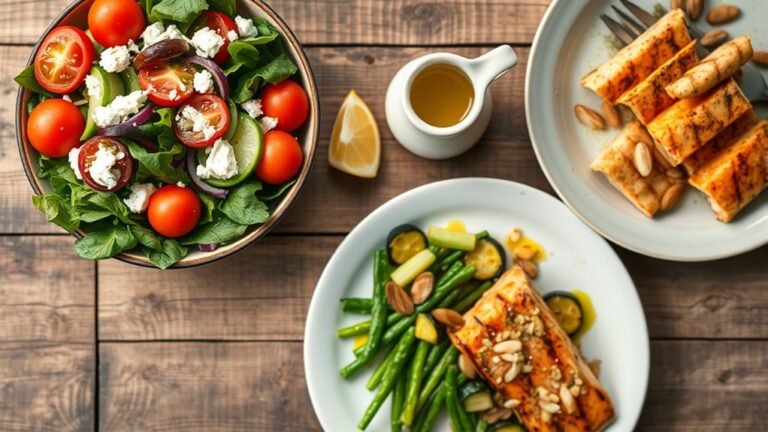
Wondering what a balanced plant-based meal looks like? You’ll want meals that combine healthy vegetables, protein, and essential nutrients to keep you energized and satisfied. Here are some sample ideas to get you started:
Looking for balanced plant-based meals? Combine veggies, protein, and nutrients to stay energized and satisfied.
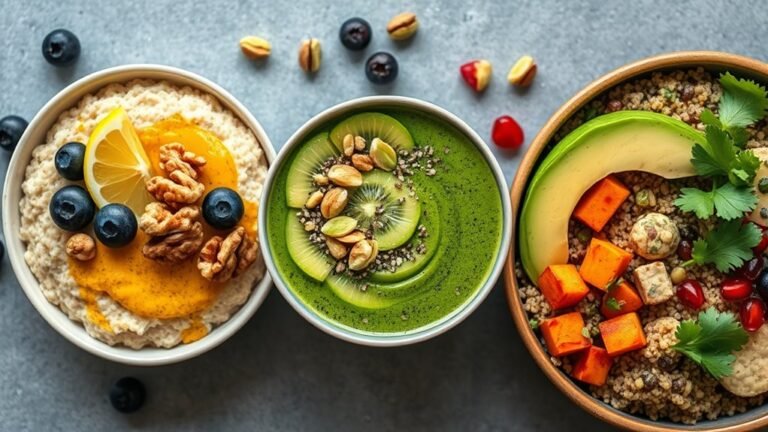
- Oatmeal topped with berries and nuts offers fiber, antioxidants, and healthy fats, making it a nutrient-dense breakfast.
- A colorful salad with mixed vegetables, chickpeas, and olive oil provides a balanced mix of vitamins and plant-based proteins.
- Quinoa bowls loaded with roasted vegetables and tahini sauce give you complete plant proteins and hearty nutrients.
- Stir-fries featuring tofu, broccoli, peppers, and brown rice serve as quick, versatile meals rich in fiber and protein.
Each of these meals supports a healthy plant-based lifestyle by delivering the nutrients your body needs while keeping your dishes flavorful and satisfying.
Frequently Asked Questions
How Does a Plant-Based Diet Impact Athletic Performance?
A plant-based diet can boost your athletic performance by providing ample plant protein for muscle building and improving nutrient absorption. You’ll likely notice better energy levels, helping you train harder and longer.
Plus, plant-based foods support athletic recovery by reducing inflammation. When combined with proper hydration strategies, this diet helps keep you energized and resilient, making your workouts more effective and your recovery quicker.
What Are the Environmental Benefits of a Plant-Based Diet?
You’ll help reduce greenhouse gas emissions by choosing a plant-based diet because it relies on sustainable agriculture and eco-friendly farming practices. This means you’re conserving water and preserving biodiversity, as plant farming typically uses fewer resources than animal agriculture.
Plus, plant-based diets support soil health by promoting crop rotation and reducing chemical inputs. Overall, your choices contribute to a healthier planet and a more sustainable food system.
Can Children Follow a Plant-Based Diet Safely?
Yes, children can follow a plant-based diet safely if you focus on balanced child nutrition. You’ll want to include diverse protein sources like beans, lentils, and tofu, and consider dietary supplements such as vitamin B12.
Thoughtful meal planning helps meet all their needs while respecting taste preferences and allergy considerations. By paying attention to these factors, you’ll guarantee they get proper nutrients and enjoy their meals without compromise.
How Do You Eat Plant-Based While Dining Out?
Think of dining out as steering through a vibrant garden where you choose the freshest blooms. Use restaurant tips by reviewing menus online, spotting plant-based options, and asking about ingredient substitutions.
Communicate your dietary restrictions clearly and practice polite dining etiquette. Opt for restaurants known for diverse menu planning that cater to plant-based eaters.
With a little preparation, you’ll enjoy delicious meals while staying true to your plant-based path.
What Are Common Misconceptions About Plant-Based Diets?
You might encounter popular misconceptions about plant-based diets, like thinking they lack enough protein or essential nutrients. These nutrient concerns are common myth busting targets.
Some believe eating plant-based is expensive, but cost myths don’t always hold true. Cultural barriers and dietary confusion also play a role, making people hesitant.
Understanding these myths helps you see plant-based eating as accessible, nutritious, and varied, breaking down those common misunderstandings.
Conclusion
Choosing a plant-based diet might seem like giving up your favorite animal foods, but it’s actually gaining vibrant health and energy. While you might worry about missing out, you’re opening the door to delicious, nutrient-packed meals that fuel your body and protect the planet.
It’s not about restriction; it’s about embracing abundance. By focusing on plants, you’re not losing flavor—you’re gaining a healthier, more sustainable lifestyle that benefits you inside and out.