How to Balance Meals for Effective Weight Loss
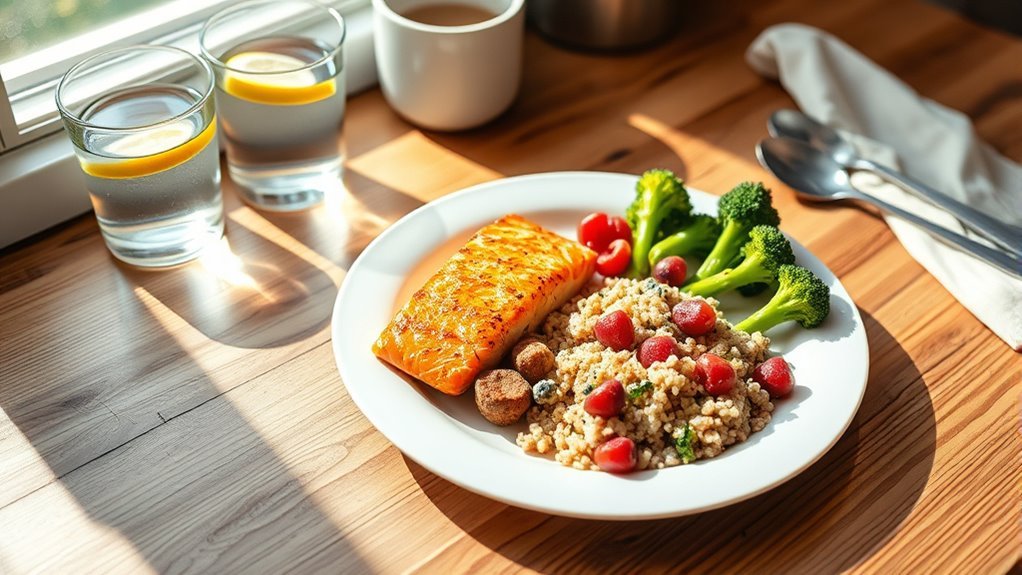
To balance meals for effective weight loss, focus on combining lean proteins, whole grains, veggies, and healthy fats in portions that keep your calories in check.
Use smaller plates, fill half your plate with colorful vegetables, and eat mindfully to avoid overeating.
Stay hydrated to boost metabolism and align your meal timing with your activity levels for steady energy.
Keep these basics in mind, and you’ll uncover even more ways to optimize your weight loss journey.
What Balanced Meals Mean for Weight Loss
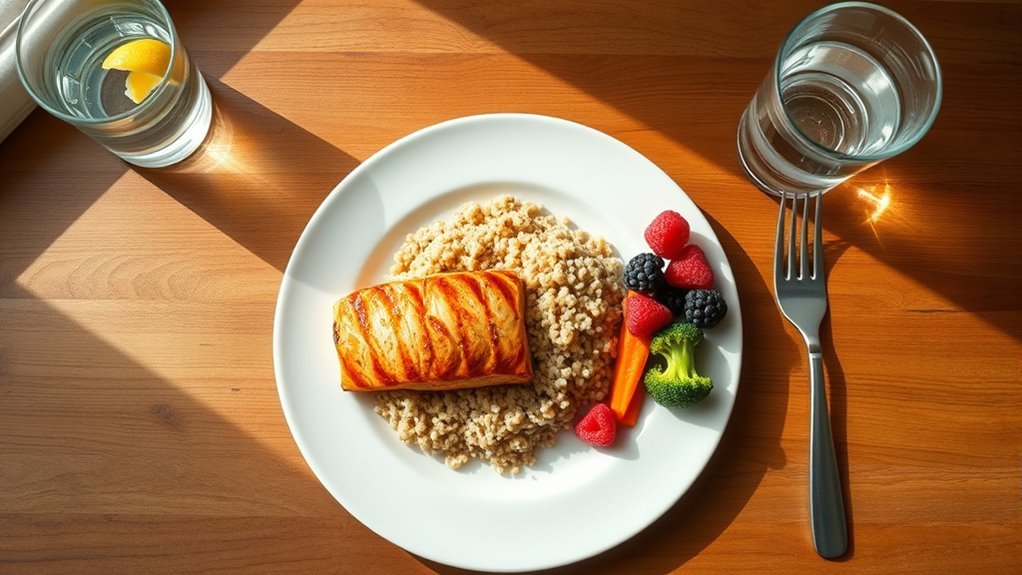
Although many focus on cutting calories alone, balancing your meals with lean proteins, whole grains, healthy fats, and plenty of vegetables plays a crucial role in effective weight loss. Balanced meals ensure you get the right nutrient intake, keeping your body fueled and satisfied.
When you combine different food groups, you regulate blood sugar levels, which helps prevent overeating caused by sudden hunger. By including fiber-rich foods like fruits, vegetables, and whole grains, you enhance feelings of fullness, making calorie control much easier.
A well-balanced meal typically ranges between 300-500 calories, supporting steady weight loss of about 1-2 pounds per week. This approach maintains your energy throughout the day and reduces cravings, so you’re more likely to stick with your calorie deficit.
Focusing on balanced meals rather than just cutting calories helps you achieve lasting results and improves overall health by providing essential nutrients your body needs.
Choose Lean Proteins for Balanced Meals
When you choose lean proteins like chicken breast, turkey, fish, or legumes, you provide your body with high-quality amino acids while keeping saturated fat low, which supports weight loss. Lean proteins not only help preserve muscle during weight loss but also boost satiety, making it easier to control your appetite and reduce calorie intake.
By swapping higher-fat protein sources for lean proteins, you can cut calories without feeling deprived. This approach helps maintain your metabolic rate since muscle mass stays intact. Including a variety of lean proteins in your meals ensures you get essential vitamins and minerals, supporting overall health while you lose weight.
Prioritizing lean proteins will keep you full longer, so you’re less likely to reach for unhealthy snacks. Focus on incorporating these nutrient-rich options into your meals consistently, and you’ll find balancing your diet for effective weight loss becomes more manageable and sustainable.
Add Whole Grains for Lasting Energy
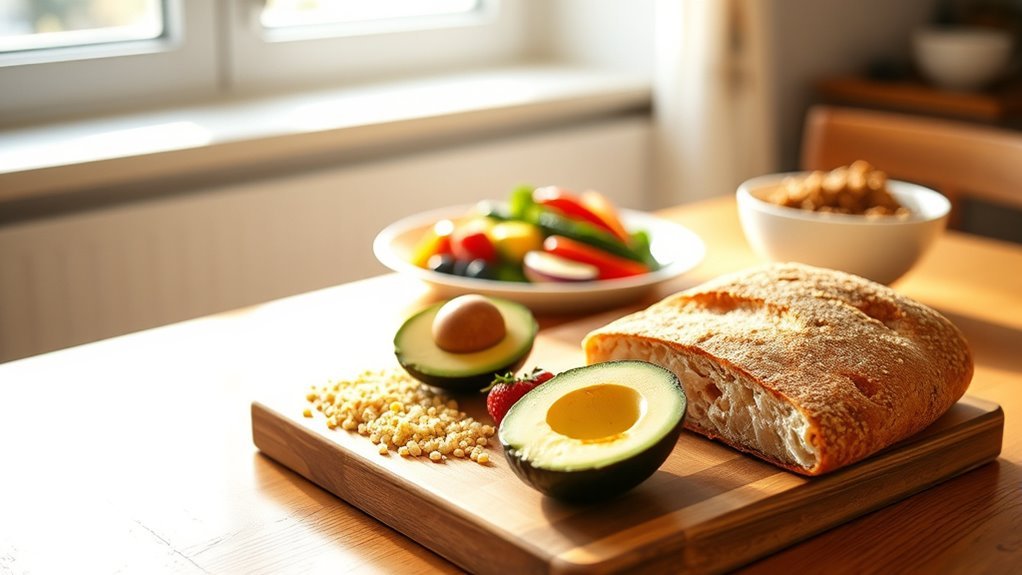
Pairing lean proteins with whole grains creates a meal that keeps your energy steady and hunger at bay. Whole grains like oats, brown rice, and quinoa provide complex carbohydrates that release energy slowly. This helps you avoid blood sugar spikes and crashes.
Combining lean proteins with whole grains delivers steady energy and curbs hunger by preventing blood sugar spikes.
This slow release supports effective weight management by prolonging feelings of fullness. Plus, whole grains are packed with fiber, which aids digestion and reduces calorie absorption. That makes it easier to control your intake.
Incorporate whole grains into your meals to:
- Boost fiber intake for better digestion
- Increase meal volume, reducing overeating
- Maintain steady energy levels throughout the day
- Support metabolic health and reduce obesity risks
- Enhance weight management by prolonging satiety
Load Up on Vegetables for Nutrient Power
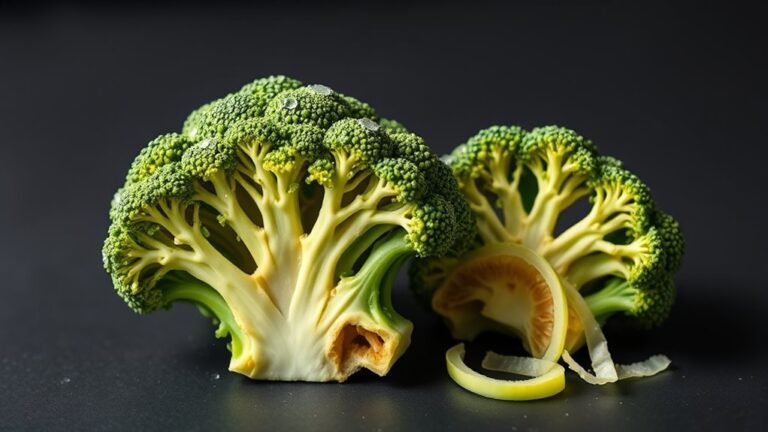
Since vegetables are low in calories but high in fiber, loading your plate with a variety of colorful options like peppers, broccoli, and spinach can help you feel full longer while reducing your overall calorie intake. Vegetables like leafy greens and cruciferous types are especially dense in fiber, which supports digestion and keeps your metabolism running smoothly.
Adding a mix of fresh, frozen, or canned vegetables without added salt guarantees you get consistent nutrients to aid weight loss. To keep meals flavorful without extra calories, try steaming or lightly sautéing vegetables using olive oil spray and fresh herbs. This way, you enjoy nutrient power without sacrificing taste or adding unnecessary calories.
Include Healthy Fats in Moderate Amounts
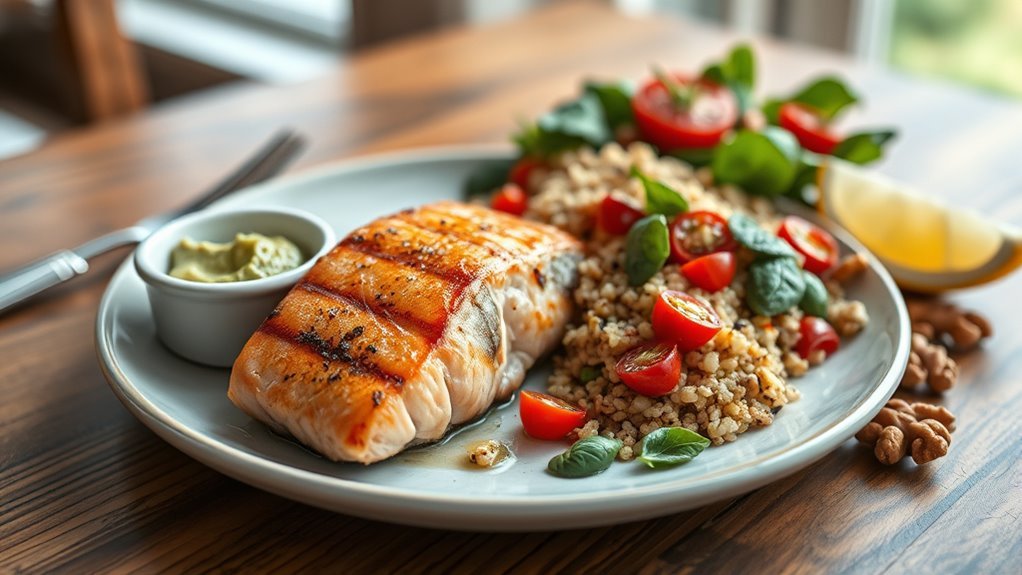
You can boost your meal’s satisfaction and nutrition by adding healthy fats like avocados, nuts, and olive oil in moderate amounts. These fats provide essential nutrients and help you feel fuller longer, which supports weight loss. Just keep in mind to control portions because healthy fats are calorie-dense. Ideally, they should make up about 20-35% of your daily intake.
Benefits of Healthy Fats
Three key benefits make including healthy fats like avocados, nuts, and olive oil essential for effective weight loss. Healthy fats promote satiety, help control appetite, and support metabolic health. This makes your weight loss journey more sustainable. They also aid in absorbing fat-soluble vitamins, ensuring your body gets the nutrients it needs.
Here’s why you should include healthy fats:
- Help you feel full longer, reducing calorie intake
- Improve absorption of vitamins A, D, E, and K
- Lower bad LDL cholesterol and raise good HDL cholesterol
- Support heart and metabolic health
- Replace harmful fats, enhancing overall wellness
Including healthy fats smartly boosts your weight loss efforts while nourishing your body efficiently.
Sources and Portion Control
Although healthy fats are essential for your weight loss journey, controlling their portions is important because they pack a high calorie punch, about 9 calories per gram. To keep your balanced meals effective, include sources like avocados, nuts, and olive oil but measure them carefully.
Use tools or visual cues, such as a small handful of nuts or a teaspoon of oil, to practice portion control and avoid overeating. Aim for fats to make up 20-35% of your daily calories, focusing on unsaturated fats while limiting saturated and trans fats.
Including moderate amounts of healthy fats promotes satiety, helping curb hunger and reduce overall calorie intake. Pair these fats with lean proteins and fiber-rich vegetables to enhance fullness and support sustainable weight loss.
Cut Added Sugars and Processed Foods
Cutting added sugars and processed foods plays an essential role in effective weight loss. When you reduce added sugar intake, you naturally lower your overall calorie consumption, which supports shedding pounds.
Processed foods often hide sugars and unhealthy fats that not only add calories but also increase your risk of abdominal fat and obesity. By swapping sugary snacks and drinks for whole foods like fruits and water, you can markedly cut back on those hidden sugars.
Plus, avoiding processed foods helps improve blood sugar control and curbs cravings for unhealthy choices.
To make this easier, focus on:
- Reading labels to spot added sugar
- Choosing whole fruits over sugary snacks
- Drinking water instead of sweetened beverages
- Cooking meals from scratch to avoid processed ingredients
- Replacing processed snacks with nuts or veggies
These simple steps help you reduce added sugar and processed foods, paving the way for successful weight loss.
Control Portions Without Hunger
You can control portions without feeling hungry by using simple strategies, like using smaller plates and choosing foods that keep you full longer. It’s all about making smart choices that satisfy you.
Also, paying attention to your hunger signals really helps. That way, you eat just enough without going overboard. Let’s explore how to manage portions smartly while staying satisfied.
Smart Portion Strategies
When you use smaller plates and bowls, you naturally reduce portion sizes without feeling deprived. Research shows this can cut food intake by up to 20%. To master portion control, focus on filling half your plate with vegetables and fruits. They add volume and nutrients while lowering calorie density.
Measuring servings with cups or a food scale helps you stay accurate and avoid overeating, especially with calorie-dense foods.
Try these smart portion strategies:
- Use smaller dishes to trick your mind.
- Fill half your plate with vegetables and fruits.
- Measure servings, especially nuts, oils, and grains.
- Eat slowly to enjoy each bite.
- Include high-protein foods to feel fuller longer.
These tactics help you control portions efficiently without feeling hungry.
Managing Hunger Signals
How can you control portions without feeling hungry? Start by tuning into your hunger signals through mindful eating. Eat slowly and pay attention to when you start feeling full. This helps prevent overeating.
Incorporate high-fiber foods like vegetables, legumes, and whole grains into your meals to boost fullness and reduce calorie intake naturally. Adding protein-rich foods such as eggs, lean meats, or Greek yogurt further promotes satiety. That makes it easier to stick to portion control.
Drinking water before or during meals also helps fill your stomach and curb hunger. Using smaller plates can trick your brain into feeling satisfied with less food. By combining these strategies, you’ll manage hunger effectively and control portions without the discomfort of constant hunger.
Practice Mindful Eating to Avoid Overeating
Since your brain takes about 20 minutes to register fullness, practicing mindful eating helps you slow down and truly savor each bite. This approach lets you tune into the taste, texture, and aroma of your food, reducing the risk of overeating.
When you focus on your meal without distractions, you become more aware of hunger and fullness signals, making portion control easier.
Try these mindful eating tips to avoid overeating:
- Eat slowly, chewing thoroughly to enjoy flavors fully.
- Use smaller plates and utensils to naturally reduce portion sizes.
- Eliminate distractions like TV or phones during meals.
- Pay attention to how hungry or full you feel before and while eating.
- Choose nourishing foods that satisfy both taste and nutrition.
Drink Enough Water to Boost Metabolism
You can actually give your metabolism a little boost just by drinking enough water throughout the day. Staying hydrated helps your body burn calories more efficiently and keeps your digestion running smoothly.
Plus, if you try drinking a glass of water before meals, it can help you feel fuller and might even reduce how much you eat. It’s a simple habit but can make a noticeable difference!
Hydration and Metabolism
When you drink enough water, you can boost your metabolism by 10-30% for up to an hour. This helps your body burn more calories efficiently. Proper hydration supports your body’s calorie-burning processes, making weight loss easier.
Water intake also aids digestion and nutrient absorption, which are essential for a healthy metabolism. You can enhance these benefits by replacing sugary drinks with water. This cuts extra calories and reduces water retention caused by sodium. Drinking cold water may further increase calorie burn as your body warms it.
- Boosts metabolism temporarily after drinking
- Supports calorie-burning efficiency
- Enhances digestion and nutrient absorption
- Replaces high-calorie sugary drinks
- Cold water slightly increases calorie expenditure
Staying hydrated is key to optimizing your metabolism and weight loss efforts.
Water Intake Benefits
How much water you drink can directly impact your metabolism and weight loss journey. Drinking enough water can temporarily boost your metabolism by 10-30%, helping you burn more calories throughout the day.
Staying well-hydrated also controls your appetite by signaling fullness, which reduces the chance of overeating. Drinking water before meals can further decrease calorie intake by promoting satiety, making it easier to stick to your weight loss goals.
Water plays an essential role in breaking down fats and carbohydrates, supporting ideal metabolic function. Plus, choosing water instead of sugary drinks cuts down your overall calorie consumption considerably.
Plan Regular Meal Times to Manage Hunger
Although managing hunger can be challenging, planning regular meal times makes it easier to keep your blood sugar stable and prevent overeating. Sticking to consistent meal timing, like eating every 4-5 hours, supports hunger management by avoiding large spikes in appetite.
Regular eating also helps maintain your energy levels throughout the day and aligns with your body’s circadian rhythm, which can boost metabolism and assist in weight loss. When you plan your meals ahead, you’re less likely to grab high-calorie or processed snacks impulsively.
To optimize hunger management through meal timing, remember to:
- Eat meals at consistent intervals daily
- Avoid skipping meals to prevent intense hunger later
- Plan balanced portions to control calorie intake
- Align meal times with your natural body clock
- Prepare meals in advance to stay on track
Adjust Balanced Meals to Your Activity Level
Since your energy needs fluctuate with your activity level, adjusting your meals accordingly helps you fuel your body properly without overeating. On active days, increase your carbohydrate intake slightly to replenish glycogen stores and support sustained energy.
Adjust meals to match activity levels, boosting carbs on active days to sustain energy and replenish glycogen.
Focus on meal composition by timing larger meals around workouts, optimizing both performance and recovery. On rest days, reduce portion sizes or cut back on carbohydrates to avoid excess calorie consumption.
Instead, emphasize protein and healthy fats to promote fullness and preserve muscle mass. By monitoring your activity levels, you can tailor your meal composition weekly, ensuring you meet your body’s demands without overeating.
Adjusting portion sizes based on how active you are prevents unnecessary calorie intake while keeping you satisfied. This balance helps you lose weight effectively while maintaining energy and muscle health.
Track Your Progress and Adjust Meals as Needed
When you track your progress regularly, you can quickly spot trends and make smarter adjustments to your meals. To monitor progress effectively, use tools like food diaries, mobile apps, or photos to keep an eye on portion sizes, calorie intake, and meal timing.
Check your weight and measurements every 1-2 weeks to see if your current meal plan supports your weight loss goals. If you hit a plateau, consider making meal adjustments such as adding more fiber-rich foods or cutting back on calorie-dense items. Also, listen to your body’s hunger and energy levels to maintain healthy habits that are sustainable.
To summarize how to track and adjust meals:
- Use tracking tools consistently
- Review progress biweekly
- Adjust meals based on data and body feedback
- Increase fiber for satiety
- Reduce calories if weight loss stalls
Frequently Asked Questions
How Do Meal Timing and Sleep Affect Weight Loss Results?
You’ll see better weight loss results when you focus on meal consistency and avoid evening eating. Eating most of your calories earlier helps regulate your metabolism.
Plus, sleep quality plays a huge role. Poor sleep messes with hunger hormones, making you crave high-calorie foods and store fat more easily.
Getting 7-9 hours of good sleep supports hormonal balance and boosts your metabolic rate, helping you stay on track with your weight goals.
Can Certain Spices or Herbs Enhance Metabolism?
Yes, certain spices and herbs can enhance your metabolism. When you add spice metabolism boosters like chili peppers, you increase thermogenesis, which burns calories faster.
Herbs such as ginger and turmeric improve herb digestion, helping your body process food more efficiently. Plus, flavor metabolism enhancers like cinnamon and black pepper support insulin sensitivity, aiding your metabolic health.
What Role Does Gut Health Play in Weight Management?
Oh sure, just ignore your gut microbiota; they totally love being neglected! But if you want to manage weight smartly, you’ve got to feed those microscopic roommates. They help produce digestive enzymes that break down food efficiently and influence hunger hormones.
Eating probiotic foods keeps your gut diverse and happy, preventing inflammation and insulin resistance. So, don’t just diet, nurture your gut health, or your weight struggles will keep coming back for more!
How Important Is Meal Variety for Long-Term Success?
Meal variety is essential for your long-term success because meal diversity guarantees you get nutritional completeness, covering all vital vitamins and minerals. When you include flavor variety, your meals stay interesting and satisfying, making it easier to stick to your plan without feeling bored.
This approach not only prevents deficiencies but also supports consistent healthy choices, helping you maintain weight loss and enjoy your meals every day.
Are Supplements Necessary When Following Balanced Meals?
You might think supplements are necessary, but if you focus on protein intake, calorie counting, and smart snack choices, they usually aren’t. When you balance meals well, your body gets what it needs naturally.
Supplements can’t replace the benefits of whole foods, like fiber and vitamins. Still, if you have specific deficiencies, a healthcare pro can guide you.
Conclusion
Balancing your meals can boost weight loss by up to 25%, helping you shed pounds more effectively. By choosing lean proteins, whole grains, and plenty of veggies, you fuel your body right and keep hunger in check.
Don’t forget healthy fats and staying hydrated. They’re key to revving up your metabolism. Stick to regular meal times and adjust based on your activity.
Keep tracking your progress, and you’ll see how small changes lead to big results!