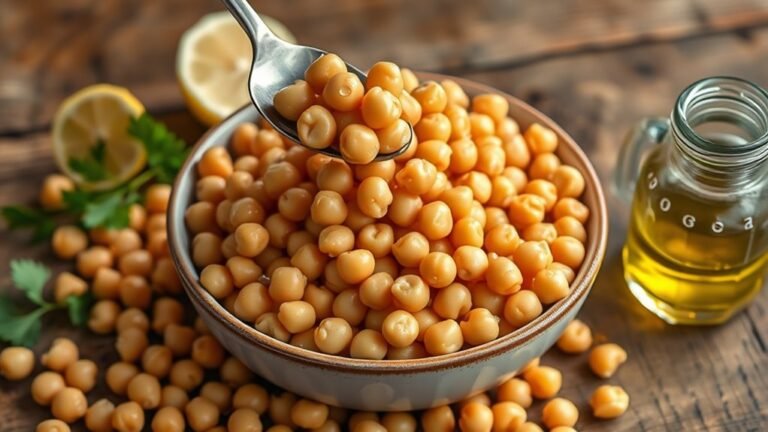
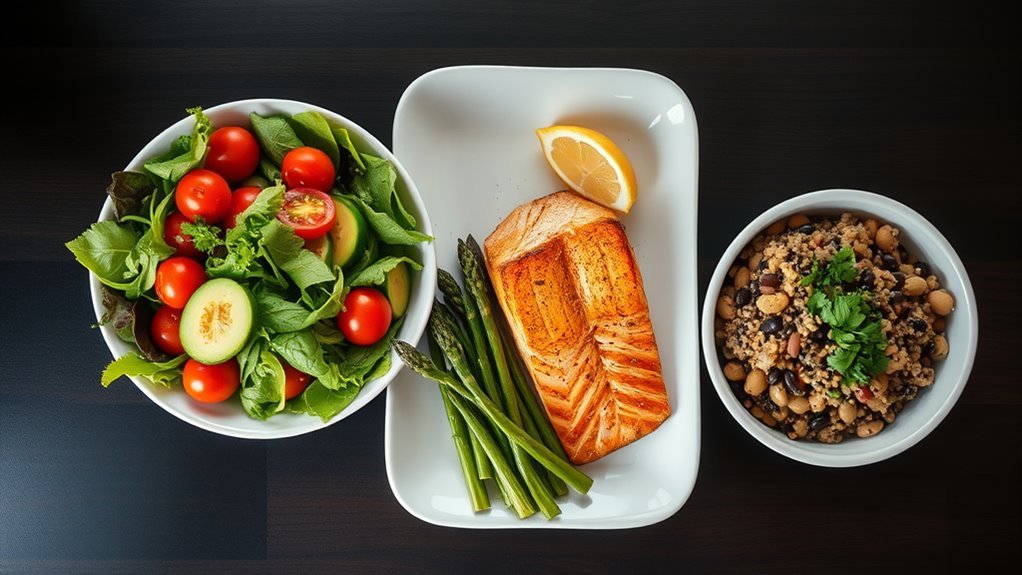
3 Key Pillars for a Low Cholesterol Meal Plan
You can lower your cholesterol by focusing on three key pillars: eating more soluble fiber, cutting saturated fats, and adding omega-3 fatty acids.
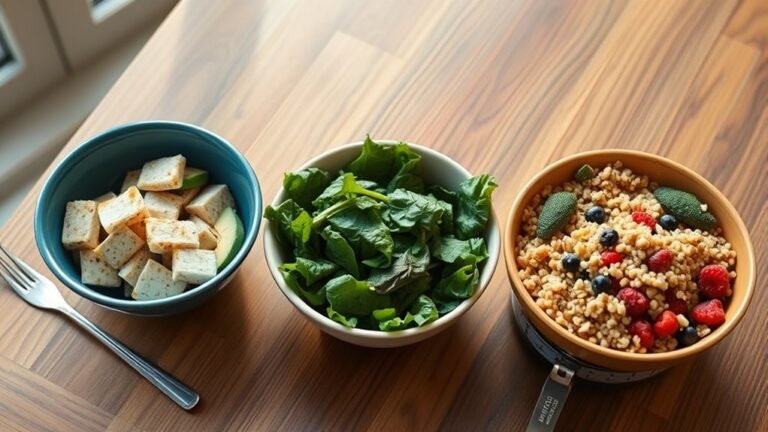
Soluble fiber from oats, beans, and fruits helps block cholesterol absorption.
Limiting saturated fats and choosing healthy oils like olive or canola supports better cholesterol levels.
Adding omega-3s from fatty fish or plant sources improves heart health.
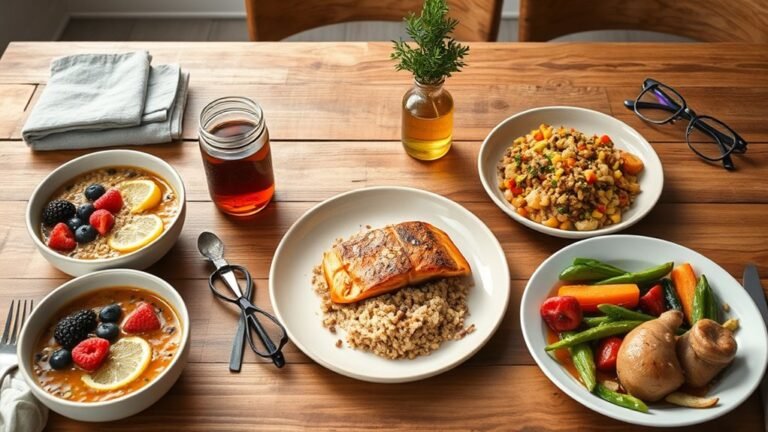
Keep these strategies in mind to build a heart-smart meal plan that really works.
Eat More Soluble Fiber to Lower Cholesterol
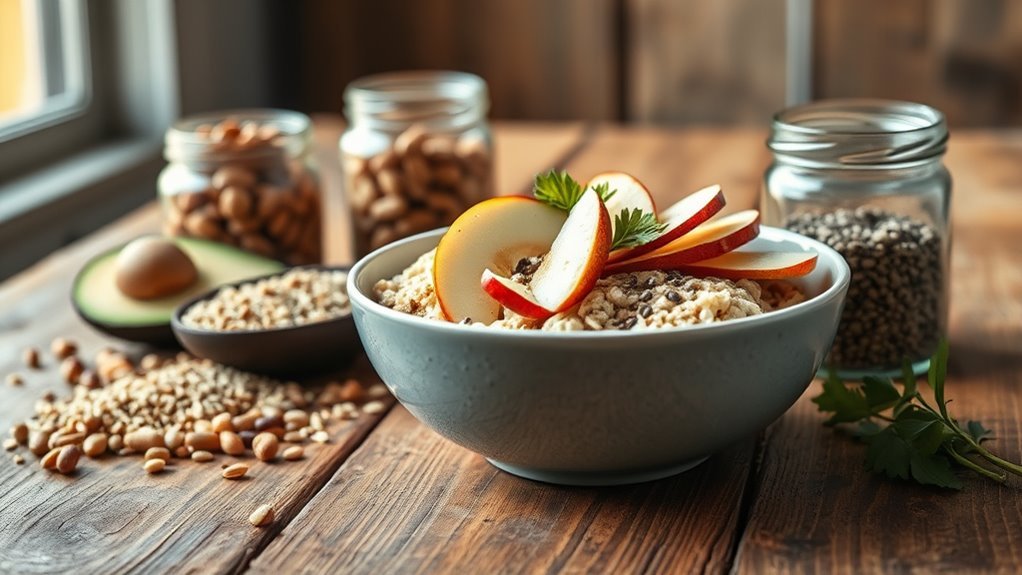
If you want to lower your LDL cholesterol, eating more soluble fiber is a smart move. Soluble fiber binds to cholesterol in your digestive system, preventing it from entering your bloodstream and helping reduce cholesterol levels.
Just 5 to 10 grams of dietary fiber daily can make a noticeable difference in managing LDL cholesterol. Including fiber-rich foods like oats, beans, and citrus fruits in your meals supports better heart health.
For example, a serving of oatmeal or oat bran offers 3 to 4 grams of soluble fiber, contributing considerably to your daily intake. You can also add lentils, apples, and pears to diversify your fiber sources.
Adopting a heart-healthy diet rich in soluble fiber not only helps lower LDL cholesterol but also promotes overall cardiovascular wellness. By focusing on these fiber-packed foods, you actively support your heart and maintain healthier cholesterol levels naturally.
Cut Saturated Fat and Choose Healthy Fats
When you cut saturated fats from your diet and choose healthy fats instead, you can lower your LDL cholesterol by up to 10%. Saturated fats, found in fatty meats, full-fat dairy, and processed foods, raise LDL cholesterol, increasing heart disease risk. Limiting these to less than 7% of your daily calories makes a big difference.
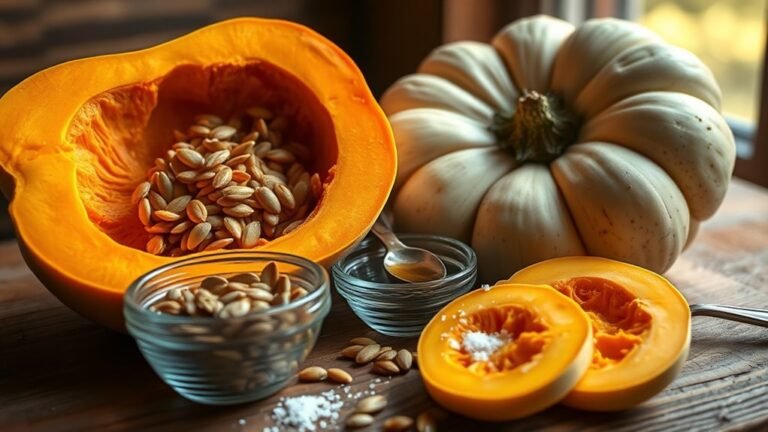
Swap saturated fats for unsaturated fats by using olive oil and vegetable oils like canola or sunflower oil in cooking. These healthy fats improve your lipid profile and support heart health. Incorporate nuts and seeds, which provide unsaturated fats and contribute to better cholesterol levels.
Including omega-3-rich fish also helps raise HDL cholesterol, promoting a healthier balance. By focusing on these healthy fats and reducing saturated fat intake, you actively manage your cholesterol and protect your heart.
Add Omega-3s for Better Heart Health
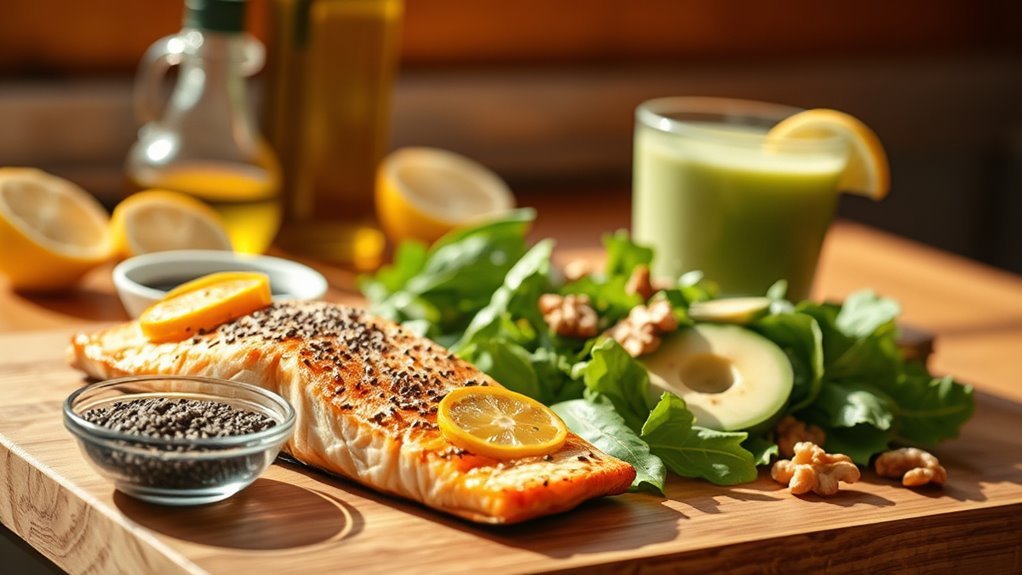
Adding omega-3 fatty acids to your diet strengthens your heart by lowering triglycerides and boosting HDL cholesterol. These heart-healthy fats play an essential role in improving your overall heart health and reducing inflammation.
To include omega-3 sources in your meal plan, consider these cholesterol-lowering foods:
- Fatty fish like salmon, mackerel, and sardines, eaten twice a week, deliver high levels of omega-3s.
- Plant-based proteins such as flaxseed, chia seeds, and walnuts provide omega-3s for vegetarians and vegans.
- Fortified foods like omega-3 eggs, yogurt, and milk offer convenient ways to increase intake.
- Incorporate plant sterols alongside omega-3s to further support healthy cholesterol levels.
Frequently Asked Questions
How Does Portion Control Impact Cholesterol Levels?
Portion control directly impacts your cholesterol levels by managing portion sizes and food quantity, which helps keep your calorie intake in check. Adjusting serving frequency and meal timing supports steady blood lipid levels.
Practicing snack moderation and meal spacing prevents overeating. Following serving suggestions and maintaining plate balance guarantees you don’t consume excess saturated fats or trans fats.
Making portion adjustments lets you enjoy meals while reducing cholesterol risks effectively.
Can Plant-Based Diets Alone Effectively Lower Cholesterol?
Yes, plant-based diets alone can effectively lower cholesterol thanks to plant-based benefits like high dietary fiber and plant sterols that reduce absorption. You’ll find vegan alternatives and meat substitutes rich in fat reduction, supporting heart health.
Embracing whole foods and vegan recipes helps maintain nutritional completeness despite dietary restrictions. Stick to these choices, and you’ll naturally lower LDL cholesterol while enjoying diverse, satisfying meals without needing animal products.
What Role Do Legumes Play in Cholesterol Management?
Legume varieties play a vital role in cholesterol management by providing diverse nutrient profiles rich in dietary fiber and plant compounds. You’ll benefit from their protein sources that replace higher-fat options, improving heart health.
Their soluble fiber helps lower LDL cholesterol, while antioxidant content supports overall wellness. Plus, legumes aid blood sugar control and increase satiety effects, helping you feel full longer.
Using various cooking techniques, you can enjoy these heart-friendly foods regularly.
How Often Should Low Cholesterol Meals Be Eaten Daily?
Think of your day as a garden where meal timing waters each plant. You should eat low cholesterol meals 3 to 4 times daily, spacing them evenly to nurture steady energy.
Your breakfast choices and dinner routines set the tone, while smart snacking habits and snack timing prevent hunger weeds. Avoid late night eating to keep your garden healthy.
Hydration effects and meal prep are your tools, and meal frequency helps you harvest heart health benefits without fasting extremes.
Are There Specific Cooking Methods That Help Reduce Cholesterol?
Yes, you can reduce cholesterol by grilling meats, baking fish, or broiling poultry to cut down on added fats. Steaming vegetables and poaching eggs keep your meals light, while sautéing spices with a little olive oil adds flavor without excess fat.
Roasting nuts and stir frying tofu are tasty, heart-healthy options too. Simmering soups with low-sodium broth also supports a low-cholesterol diet effectively.
Conclusion
You might think eating low cholesterol means giving up tasty foods, but it doesn’t have to be that way. By focusing on soluble fiber, healthy fats, and omega-3s, you can enjoy delicious meals that support your heart.
These simple swaps make a big difference without sacrificing flavor. Stick with these three pillars, and you’ll not only lower your cholesterol but also feel more energized and confident about your heart health.