Does Microwave Destroy Food Nutrition?
Microwaving doesn’t destroy your food’s nutrition; in fact, it often preserves more vitamins and minerals than boiling or frying. Since microwaving uses shorter cooking times and little to no water, you avoid nutrient loss from heat and leaching. Covering food traps steam for even cooking and better nutrient retention. While some vitamins like C and B are heat-sensitive, microwaving minimizes their breakdown. Keep going to uncover more about how microwaves affect different nutrients and cooking methods.
Does Microwaving Destroy Nutrients?
Although microwaving uses heat to cook food, it doesn’t necessarily destroy nutrients. When you microwave, the cooking time is usually shorter compared to other methods like boiling or frying.
This quicker process often helps preserve more vitamins and minerals. You’ll find that microwaving actually minimizes nutrient loss because it exposes food to heat for less time.
Plus, it doesn’t require you to add extra water, which can leach nutrients out. If you use a microwave-safe cover, you trap steam, which helps cook food evenly while retaining moisture and nutrients.
Which Nutrients Are Sensitive to Heat and Water?
When you cook food, certain nutrients react differently to heat and water, which can affect their levels in your meals. Vitamins like vitamin C and many B vitamins are particularly sensitive—they break down when exposed to high heat or dissolve in cooking water.
Minerals, on the other hand, are more stable but can leach into water during boiling or steaming.
Fat-soluble vitamins such as A, D, E, and K tend to hold up better against heat but may degrade with prolonged exposure.
Proteins can denature and lose some functionality but generally remain nutritious.
Knowing which nutrients are heat- and water-sensitive helps you choose cooking methods that preserve more nutrition, such as steaming or microwaving with minimal water.
How Do Microwaves Heat Food and Affect Nutrients?
Because microwaves heat food by causing water molecules to vibrate rapidly, they cook food quickly and often with less added water.
When you microwave food, the energy penetrates the food, agitating water molecules and generating heat from within. This fast heating preserves nutrients that are sensitive to prolonged cooking or excessive water, like vitamin C and B vitamins.
Since microwaving uses less heat and time than conventional methods, you often retain more nutrients. However, uneven heating can create hot spots, potentially degrading some nutrients if overcooked.
To minimize nutrient loss, stir or rotate food during microwaving for even heat distribution.
How Does Microwaving Affect Antioxidants?
Since antioxidants play a crucial role in protecting your cells from damage, understanding how microwaving impacts them matters.
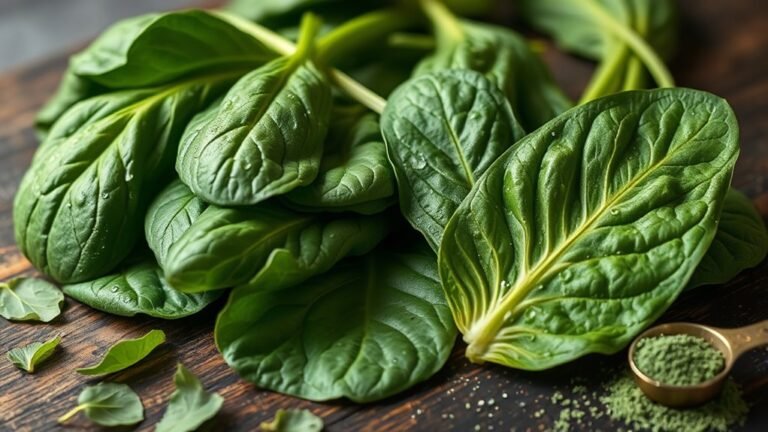
Microwaving often preserves antioxidants better than some traditional cooking methods because it cooks food quickly and uses less water, reducing nutrient loss. For example, microwaving vegetables like spinach and broccoli can retain more vitamin C and polyphenols compared to boiling.
However, if you overcook food in the microwave, antioxidants may degrade, just as they’d with any heat. To keep antioxidant levels high, use moderate cooking times and avoid overheating.
In short, microwaving can be a nutrient-friendly option for preserving antioxidants when done correctly, helping you get the most health benefits from your meals.
Microwave vs. Other Cooking Methods: Nutrient Loss Comparison
Although all cooking methods cause some nutrient loss, microwaving often preserves more nutrients compared to boiling, frying, or baking. When you microwave food, it cooks quickly and uses less water, which helps retain vitamins and minerals better than other methods.
For example, boiling can leach valuable nutrients into the water, which you often discard.
Here’s why microwaving can be kinder to your food’s nutrition:
- It shortens cooking time, reducing nutrient degradation
- Uses minimal water, preventing vitamin loss
- Avoids high temperatures that destroy heat-sensitive nutrients
- Keeps antioxidants more intact compared to frying or baking
Practical Tips to Preserve Nutrients When Microwaving
Microwaving can help you keep more nutrients in your food, but how you use your microwave matters a lot. To preserve nutrients, avoid overcooking by using shorter cooking times and checking food frequently.
Cover your dishes with a microwave-safe lid or wrap to trap steam, which helps cook food evenly and retain vitamins. Stir or rotate food halfway through to prevent cold spots and ensure uniform heating.
Use minimal water since excess water can leach out water-soluble vitamins like vitamin C and folate. Whenever possible, cut food into uniform pieces to promote even cooking.
Busting Common Microwave Nutrition Myths
While many people worry that microwaving destroys food’s nutrients, much of this concern is based on myths rather than facts. You don’t need to fear that your microwave is zapping all the good stuff from your meals.
In reality, microwaving can preserve nutrients just as well as other cooking methods, sometimes even better. Here are some common myths busted:
- Microwaves don’t make food radioactive or toxic.
- Nutrient loss isn’t higher in microwaving; it’s about cooking time and temperature.
- Microwaving doesn’t destroy all vitamins; some, like vitamin C, remain well-preserved.
- Using microwave-safe containers won’t harm your food’s nutrition.
Understanding this helps you use your microwave confidently without guilt or worry.
Best Foods to Microwave
Now that you know microwaving doesn’t drain your food of nutrients, you might wonder which foods work best in this quick cooking method. Vegetables like broccoli, spinach, and carrots retain their vitamins well when microwaved because the short cooking time preserves nutrients.
You can also reheat leftovers, soups, and stews without worrying about nutritional loss.
Microwaving works great for cooking fish and chicken, as it locks in moisture and flavor. Even potatoes come out fluffy and nutritious after a few minutes in the microwave.
Just be sure to add a bit of water when microwaving veggies to keep them from drying out. Using microwave-safe containers also helps cook your food evenly and safely.
When to Avoid Microwaving for Nutrition Reasons
Although microwaving preserves nutrients in many foods, there are times when you should avoid it to maintain their nutritional value. Microwaving can sometimes break down delicate vitamins and antioxidants, especially in certain foods or when overcooked.
You should steer clear of microwaving:
- Leafy greens like spinach or kale, which lose vitamin C quickly
- Foods rich in probiotics, like yogurt, since heat kills beneficial bacteria
- Whole eggs in their shells, which can explode and cause nutrient loss
- Large cuts of meat, where uneven heating may degrade proteins and minerals
Frequently Asked Questions
Is Microwaving Food Safe Regarding Radiation Exposure?
Yes, microwaving food is safe regarding radiation exposure. You won’t be exposed to harmful radiation because microwaves use non-ionizing waves that only heat food, not your body or surroundings, keeping you safe.
Can Microwaving Cause Uneven Cooking or Hot Spots?
Yes, microwaving can cause uneven cooking or hot spots because microwaves heat food unevenly. You should stir or rotate your food during cooking to guarantee even heat distribution and avoid cold or overly hot spots that affect texture and safety.
Does Microwaving Affect the Texture or Taste of Food?
Microwaving can affect your food’s texture and taste, sometimes making it soggy or unevenly cooked. However, you can avoid this by stirring, covering your food, and adjusting cooking times to get better results.
Are Microwave-Safe Containers Free of Harmful Chemicals?
Microwave-safe containers are generally free of harmful chemicals, but you should always check labels. Avoid plastics not labeled microwave-safe, as they might release toxins when heated, so stick with glass or BPA-free containers for safety.
How Long Is It Safe to Store Microwaved Leftovers?
You should store microwaved leftovers safely for 3 to 4 days in the fridge. Make sure to cool them quickly, keep them in airtight containers, and reheat thoroughly before eating to avoid any foodborne illness.
Conclusion
Microwaving doesn’t destroy food nutrition as much as you might think. While some heat-sensitive nutrients can be affected, microwaving often preserves more nutrients than boiling or frying because it cooks quickly with less water. To get the most out of your food, use shorter cooking times and minimal water. So, don’t hesitate to microwave your meals—it’s a convenient, nutrient-friendly way to cook when done right.