How to Unlock Spinach Nutrition in a Deep Dive
You can unleash spinach’s full nutritional potential by mastering cooking methods like sautéing with olive oil and garlic, steaming briefly, or microwaving carefully to preserve nutrients.
Pair spinach with vitamin C-rich foods such as lemon juice to boost iron absorption, and avoid overcooking to retain water-soluble vitamins.
Balancing intake, about 1 to 2 cups daily, supports overall health while minimizing oxalate risks.
Explore how these strategies enhance spinach’s benefits and fit it into your diet seamlessly.
Spinach: A Nutritional Powerhouse
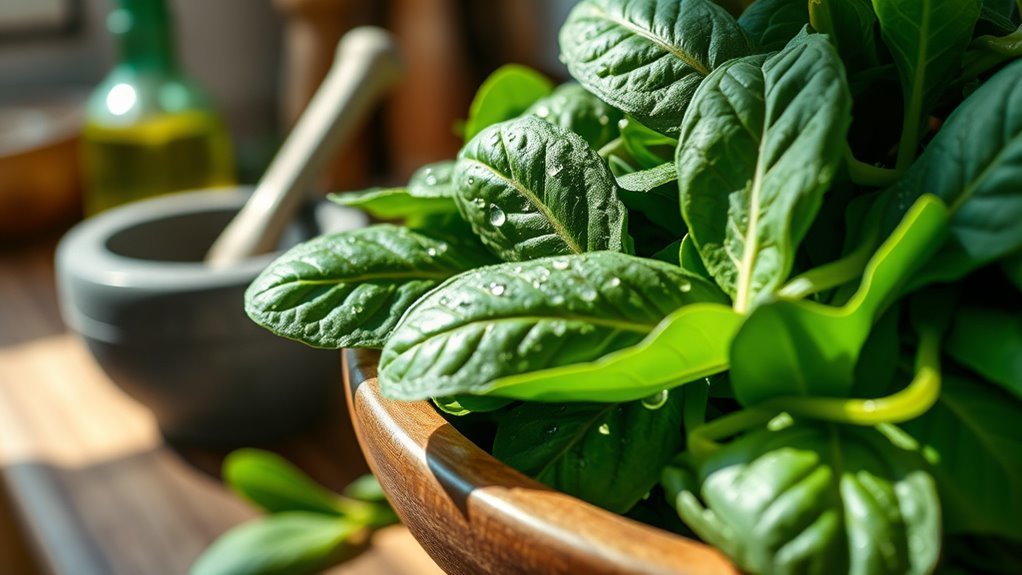
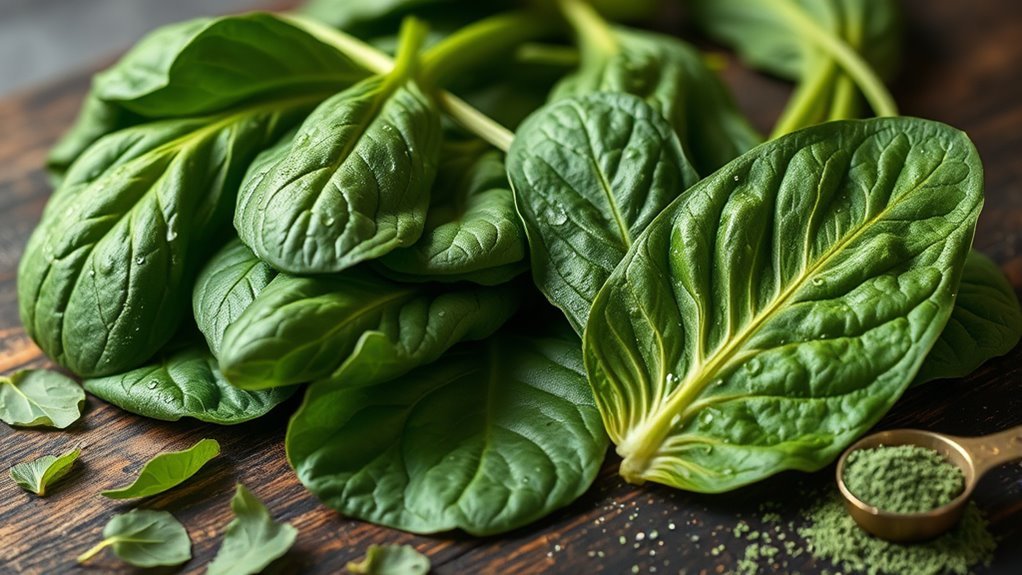
Although spinach may seem like a simple leafy green, it packs a powerful nutritional punch that can boost your health in many ways. When you eat spinach, you’re fueling your body with a variety of essential nutrients, including vitamins A, C, K, and folate, plus minerals like iron and magnesium.
Spinach also offers antioxidants and phytochemicals that support your immune function and reduce inflammation. Its carotenoids, such as lutein and zeaxanthin, promote eye health, while its polyphenols and phytosterols enhance overall wellness.
Despite its modest protein content, spinach fits well in vegetarian and vegan diets. Keep in mind, the bioavailability of these nutrients, especially iron, depends on how you prepare your spinach. While cooking methods can influence absorption, choosing the right approach can maximize the health benefits spinach offers.
How Cooking Changes Spinach Nutrition
When you cook spinach, some nutrients, like vitamin C, might fade away a bit. But on the bright side, others—like beta-carotene—actually become easier for your body to absorb. It really depends on how you cook it. For example, sautéing spinach with olive oil can help boost the absorption of vitamins, which is pretty great. On the other hand, boiling spinach might cause some nutrients to leach out into the water, unless you make sure to use that cooking water in your dish. So, let’s take a closer look at the best ways to prepare spinach to make sure you get the most nutrition from every bite.
Nutrient Changes When Cooking
Since cooking alters spinach’s nutrient profile, understanding these changes helps you maximize its health benefits. Cooking spinach increases the bioavailability of nutrients like beta-carotene, lutein, and zeaxanthin, improving nutrient absorption.
However, water-soluble vitamins, especially vitamin C, suffer nutrient loss when boiled, as they leach into the cooking water. The volume of spinach shrinks during cooking, allowing you to consume more nutrients per serving.
Sautéing spinach with healthy fats enhances the absorption of fat-soluble vitamins A and E, aiding nutrient preservation. Choosing proper cooking methods minimizes nutrient loss while maximizing nutrient absorption.
Being aware of these nutrient changes empowers you to adjust your preparation techniques and get the most out of your spinach meals.
Best Cooking Techniques
To get the most from your spinach, you’ll want to choose cooking methods that preserve key nutrients while enhancing absorption. Boiling can cause nutrient loss, especially reducing water-soluble vitamins like vitamin C by up to 70%. However, it improves the bioavailability of carotenoids such as beta-carotene.
Quick cooking techniques like sautéing at medium heat with olive oil boost nutrient absorption, particularly fat-soluble vitamins A and E. Sautéing also retains more nutrients compared to prolonged boiling, minimizing nutrient loss.
Since spinach shrinks by about 85% when cooked, you get more nutrients per serving. To maximize nutrient retention, consider using the cooking water from boiling spinach to reclaim water-soluble vitamins. By choosing the right cooking methods, you can access spinach’s full nutritional potential effectively.
Best Cooking Methods to Maximize Spinach Nutrients
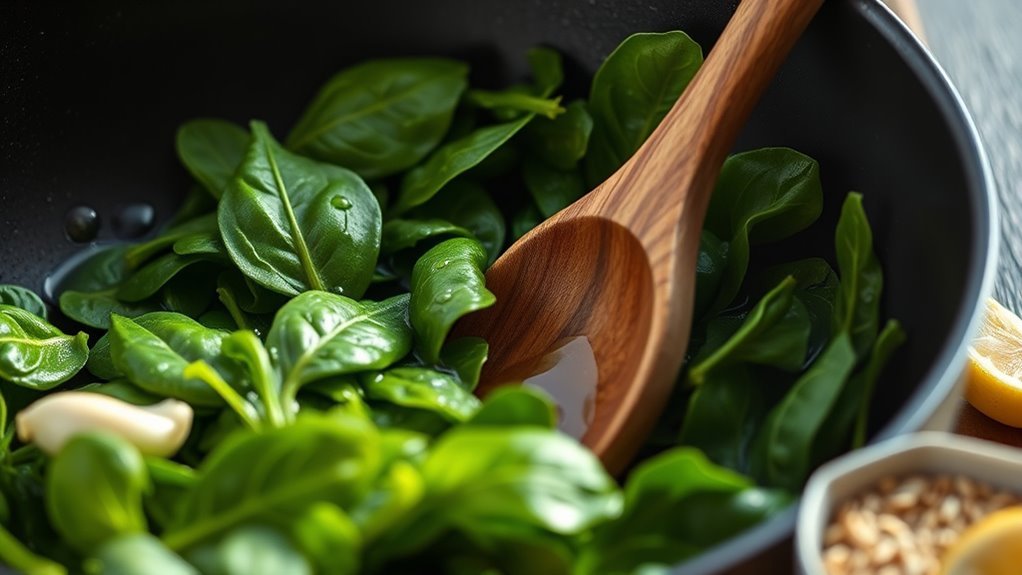
Although spinach is packed with nutrients, you’ll get the most benefit by cooking it correctly. Sautéing spinach with garlic and olive oil on medium heat preserves fat-soluble vitamins like A and E and boosts nutrient absorption.
Resting chopped garlic for 10 minutes before cooking enhances its health properties, aiding nutrient uptake. Avoid boiling spinach too long, as water-soluble vitamins, especially vitamin C, can drop by up to 70%. Instead, use minimal water and quick methods like steaming or sautéing to improve nutrient retention.
These methods also break down oxalic acid, increasing mineral bioavailability. If you boil spinach, keep the cooking water to retain leached nutrients.
| Cooking Method | Nutrient Impact | Tips |
|---|---|---|
| Sautéing | Preserves fat-soluble vitamins | Use olive oil & garlic |
| Steaming | Retains water-soluble vitamins | Cook briefly to reduce loss |
| Boiling | High vitamin C loss | Use cooking water in recipes |
| Raw | Highest oxalic acid | Limits mineral absorption |
| Microwaving | Moderate nutrient retention | Avoid overcooking |
How to Boost Iron Absorption From Spinach
When you pair spinach with vitamin C-rich foods like lemon juice or bell peppers, your body can absorb its non-heme iron up to three times better. Vitamin C profoundly boosts iron absorption by converting non-heme iron into a more bioavailable form. To maximize this nutrient synergy, try adding lemon juice to spinach dishes right after cooking.
Cooking methods also affect iron uptake; lightly sautéing spinach with healthy fats such as olive oil enhances the bioavailability of fat-soluble nutrients and supports iron absorption. Don’t forget garlic—rest chopped garlic for 10 minutes before cooking to activate allicin, which can further improve mineral absorption, including iron.
Combining these strategies, cooking spinach in olive oil with garlic and finishing with a splash of lemon juice, unlocks spinach’s nutritional potential and helps your body absorb iron more efficiently. By focusing on these simple, effective techniques, you can considerably boost iron absorption from spinach and enhance overall nutrient intake.
How Much Spinach Should You Eat Daily for Health Benefits

Pairing spinach with vitamin C and healthy fats can reveal its nutrients, but knowing how much to eat daily is just as important to reap its full health benefits. Aim for 1 to 2 cups of spinach daily, either raw or cooked, to access its nutrient density effectively.
For example, 2 cups of raw spinach or ½ cup of cooked spinach counts as one serving, supplying vitamins A, K, folate, and antioxidants that support eye, bone, and immune health. Cooked spinach boosts the bioavailability of certain nutrients, enhancing vitamin absorption and maximizing health benefits.
Regular daily intake in this range helps reduce risks of chronic diseases like heart disease and diabetes by providing a steady supply of phytonutrients and antioxidants. Incorporate spinach into your meals through salads, smoothies, or cooked dishes to easily meet these servings, ensuring you tap into its full range of nutrients and promote overall wellness.
Risks of Excessive Spinach Intake
While spinach offers many health benefits, consuming it in excessive amounts can pose certain risks. If you overdo it, the oxalate content may lead to complications, especially if you have underlying sensitivities or kidney issues. Here are four key risks to contemplate:
Spinach is nutritious, but excessive intake can cause oxalate-related complications, especially with kidney concerns.
- Kidney Stones: Excessive intake raises oxalate levels, increasing your risk of kidney stones, particularly if you’re prone to them.
- Mineral Interference: High oxalate can hinder mineral absorption, causing nutrient imbalance by limiting calcium and iron uptake.
- Hyperoxalemia: Very large amounts of spinach may elevate oxalate in your blood, potentially leading to hyperoxalemia, which stresses your kidneys.
- Kidney Disease & Oxalate Sensitivity: If you have kidney disease or oxalate sensitivity, too much spinach can worsen your condition.
To avoid these risks, maintain diet balance by varying your nutrient sources and moderating spinach consumption.
Easy Ways to Add Spinach to Your Meals
To enjoy spinach’s benefits without overdoing it, you can easily add it to your meals in tasty, simple ways. Toss raw spinach with citrus fruits like oranges or lemon juice in salads to boost iron absorption while enjoying a fresh, nutrient-dense dish.
For a quick snack, blend a handful of spinach into smoothies with bananas and berries, making it easy to increase your vegetable intake. Try sautéing spinach with garlic and olive oil; this quick cooking method preserves its nutrients and adds delicious flavor.
You can also mix cooked spinach into pasta, lasagna, or casseroles to sneak in extra greens without altering your meal’s texture. Another easy meal idea is to use spinach as a topping on pizza or toast, giving your dishes a nutritious boost.
These simple strategies help you add to meals effortlessly and unseal spinach’s full nutritional potential every day.
Incorporating Spinach Into a Balanced Diet
You can easily boost your daily nutrition by adding 1-2 cups of spinach to your meals in creative ways. For example, try tossing it in salads, blending it into smoothies, or mixing it with your favorite dishes like pasta and soups. When you incorporate spinach regularly, you’ll enjoy a balanced diet packed with essential nutrients. It’s a simple change that can make a big difference!
Creative Spinach Recipes
Five simple ways to add spinach to your meals can boost your nutrition without much effort. Spinach’s nutrients become more bioavailable when paired with certain ingredients and cooking methods.
- Toss raw spinach with citrus fruits like oranges or lemon juice in salads. This enhances iron absorption and adds a revitalizing twist.
- Sauté spinach with garlic and olive oil. It creates a flavorful side that improves absorption of fat-soluble vitamins A and E.
- Blend cooked spinach into smoothies with bananas and berries. You get a nutrient-rich, antioxidant-packed drink this way.
- Stir chopped spinach into pasta dishes or vegetable soups to increase your vegetable intake effortlessly.
Try these recipes to access spinach’s full nutritional potential and enjoy its versatile flavor in your balanced diet.
Daily Serving Suggestions
How can you effortlessly boost your daily nutrition with spinach? Incorporate 1-2 cups of fresh spinach into your daily servings by adding it to salads paired with vitamin C-rich citrus or bell peppers. This pairing enhances iron absorption, improving your body’s nutrient uptake.
Cooking methods matter. Sautéed spinach with garlic and olive oil increases nutrient bioavailability, especially for fat-soluble vitamins. To preserve water-soluble vitamins, add spinach toward the end of soups or stews.
Blending spinach into smoothies with bananas, berries, and a splash of citrus juice creates a nutrient-dense, easily digestible snack. You can also mix spinach into omelets or pasta dishes.
These simple strategies help you maximize nutrient absorption and enjoy spinach’s full nutritional benefits every day.
Track Spinach’s Impact With Nutrition DeepDive
Tracking your spinach intake over a 7-day period with the Nutrition DeepDive reveals exactly how this leafy green contributes to your nutrient profile. By logging your spinach consumption alongside other foods, you get insights into its bioavailability and how different cooking methods impact nutrient absorption.
Tracking spinach intake with Nutrition DeepDive uncovers its nutrient impact and cooking effects on absorption.
This nutrient-dense vegetable delivers bioavailable nutrients that support digestion and overall health outcomes. Here’s how the DeepDive helps you understand spinach’s role:
- Quantifies spinach’s contribution to your daily nutrition and key biomarkers.
- Highlights how cooking methods affect the bioavailability of vitamins and antioxidants.
- Tracks long-term health outcomes like immune support and eye health improvements.
- Enables precise food tracking to optimize your nutrient intake based on your goals.
Using the Nutrition DeepDive consistently empowers you to access spinach’s full nutritional potential and tailor your diet for maximum benefit.
Frequently Asked Questions
Can Spinach Help Improve Skin Health and Appearance?
Yes, spinach can help improve your skin health and appearance. It offers a collagen boost that enhances skin elasticity and supports moisture retention, promoting skin hydration.
Its powerful antioxidant properties protect against UV damage and aid toxin elimination, which delays aging and reduces inflammation. By incorporating spinach into your diet, you’ll notice glow enhancement and a reduction in wrinkles, helping your skin look youthful and radiant over time.
Does Spinach Affect Blood Sugar Levels or Diabetes Management?
You’ll improve blood sugar regulation, enhance insulin sensitivity, and reduce blood sugar spikes by adding spinach to your diabetic diet. Its low glycemic index and fiber-rich carbohydrate content slow sugar absorption, supporting better blood glucose control.
Spinach’s metabolic effects promote a balanced insulin response, helping to stabilize your levels throughout the day. Incorporating spinach regularly can make a real difference in managing diabetes and maintaining steady blood sugar levels.
What Are the Environmental Benefits of Growing Spinach Sustainably?
You’ll boost soil health and water conservation by growing spinach sustainably. Using crop rotation and eco-friendly farming methods supports pest control and biodiversity, making your farm more climate resilient.
These practices enhance carbon sequestration and reduce pollution, improving resource efficiency overall. By choosing sustainable spinach farming, you help protect ecosystems and lower your environmental footprint, creating a healthier planet while enjoying fresh, nutritious greens.
How Does Spinach Consumption Impact Athletic Performance or Recovery?
Eating spinach gives you antioxidant benefits that reduce oxidative stress and speed up muscle recovery. Its anti-inflammatory properties help ease soreness, while hydration support keeps you refreshed during workouts.
Spinach boosts your energy and enhances nutrient absorption, fueling stamina enhancement and performance optimization. By accelerating recovery, you’ll bounce back faster and train harder, making spinach a powerful ally for athletic performance and overall fitness progress.
Are There Any Drug Interactions to Be Aware of With Spinach Intake?
Yes, you need to watch for drug interactions with spinach. Its high vitamin K can cause anticoagulant interaction, reducing blood thinning medication efficacy like warfarin.
Oxalates may lead to mineral competition, interfering with nutrient absorption and supplement effects. Spinach might also impact diuretics and other prescriptions affecting minerals.
Always prioritize prescription safety by consulting your healthcare provider to manage vitamin synergy and avoid medication interference when consuming spinach regularly.
Conclusion
Think of unlocking spinach’s nutrition like opening a treasure chest. Each cooking method and pairing reveals hidden gems of vitamins and minerals.
Just like a gardener tends to their plants for the best bloom, you can maximize spinach’s benefits by cooking it right and combining it with vitamin C-rich foods.
Enjoy a handful daily, but don’t overdo it. With these simple steps, you’re not just eating spinach—you’re releasing its full nutritional power.