How to Explore Broccoli Nutrition With a Deep Dive
To explore broccoli nutrition deeply, focus on its rich vitamins like C and K, plus essential minerals and fiber that support immunity, bone health, and digestion.
Don’t miss its unique compounds like sulforaphane and flavonoids, which offer powerful antioxidant and anti-inflammatory benefits.
Remember, how you cook and store broccoli impacts nutrient retention, so use quick methods like steaming.
Keep an eye on portion size to avoid risks like thyroid interference.
There’s much more to uncover about making broccoli work best for your health.
Broccoli Nutrition Facts at a Glance
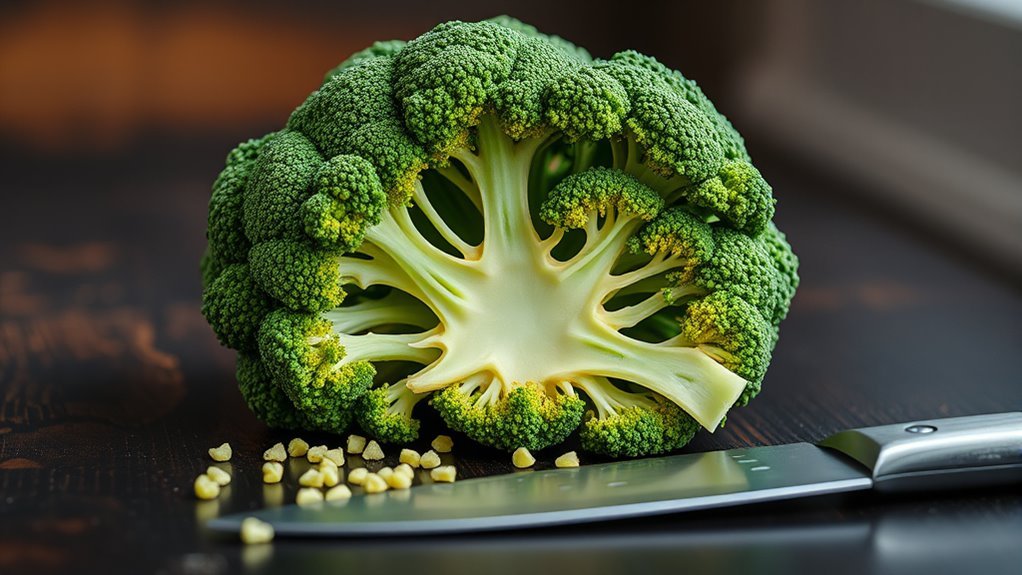
Although it’s low in calories, broccoli packs a powerful nutritional punch. When you look at broccoli nutrition, one cup of raw broccoli (about 90 grams) contains just 35.1 calories, making it a great option if you’re watching your intake.
But don’t let the low calorie count fool you. It’s rich in key vitamins and minerals. You’ll get over 82 mg of vitamin C per cup, which exceeds your daily recommended intake, and about 92 mcg of vitamin K, covering more than 75% of what you need.
Broccoli also provides small amounts of potassium, magnesium, iron, and calcium, all essential for your body’s functions. Its nutrient profile includes antioxidants, carotenoids, and phytonutrients, which work together to support your overall health benefits.
Broccoli’s Unique Nutrition Profile
You’ll find that broccoli packs a powerful punch with key nutrients like vitamin C, vitamin K, and essential minerals in every cup. But that’s not all—it also contains unique compounds like sulforaphane and flavonoids. These special compounds help protect your body from inflammation and oxidative stress.
Key Nutrient Highlights
What makes broccoli stand out nutritionally? One cup of raw broccoli packs a powerful punch with over 80 mg of vitamin C, covering 91% of the daily value for adult males. It also delivers more than 90 micrograms of vitamin K, exceeding the daily requirement for women.
Beyond these vitamins, broccoli contains sulforaphane, a potent antioxidant linked to numerous health benefits. Along with carotenoids like lutein and beta carotene, these antioxidants help protect your cells from damage.
You’ll also get essential minerals like potassium, magnesium, iron, and calcium in smaller amounts. This unique combination of vitamin C, vitamin K, sulforaphane, and other antioxidants makes broccoli a standout choice for supporting your immune system, bone strength, and overall well-being.
Health-Boosting Compounds
Because broccoli contains a variety of powerful compounds, it offers unique health benefits beyond basic nutrition. You can tap into its full potential by understanding these key health-boosting compounds:
- Sulforaphane activates protective enzymes that help fight cancer, making broccoli a potent cancer-preventive food.
- Carotenoids like lutein, zeaxanthin, and beta-carotene support your eye health and lower the risk of age-related macular degeneration.
- Flavonoids such as quercetin and kaempferol reduce inflammation and help manage blood pressure effectively.
- Phytochemicals, including indole-3-carbinol, aid liver detoxification and contribute to overall cancer prevention.
Including broccoli in your diet means harnessing these compounds to boost your health in diverse and impactful ways.
The Role of Fiber and Carbohydrates in Broccoli
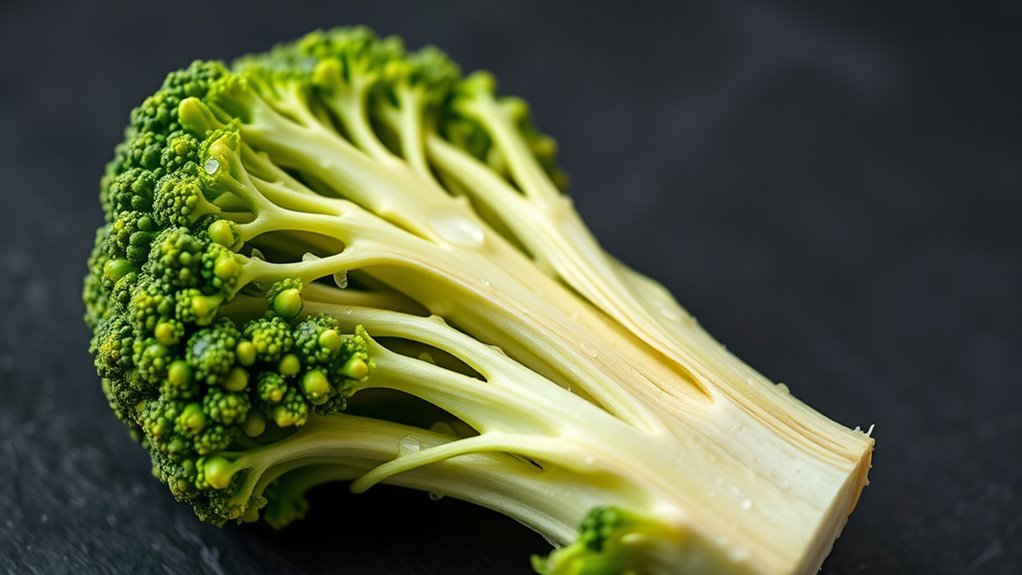
How do fiber and carbohydrates in broccoli benefit your health? Broccoli contains about 5.64 grams of total carbohydrates per cup, with 2.16 grams being fiber. This fiber plays an essential role in supporting your gut health by promoting regular bowel movements and feeding beneficial gut bacteria.
The carbs are mostly fiber and natural sugars, which help maintain steady blood sugar levels. By including fiber-rich broccoli in your diet, you can increase satiety, helping you manage your weight more effectively. Plus, the low digestible carbohydrate content (around 3.4 grams per cup) prevents blood sugar spikes, making broccoli a smart choice for balanced energy.
| Component | Amount per Cup | Health Benefit |
|---|---|---|
| Total Carbohydrates | 5.64 grams | Provides energy |
| Fiber | 2.16 grams | Supports gut health, weight control |
| Digestible Carbs | 3.4 grams | Helps regulate blood sugar |
Broccoli’s Key Vitamins and Minerals
While many vegetables offer vitamins and minerals, broccoli stands out by packing a powerful nutritional punch. When you add broccoli to your meals, you gain access to a variety of essential nutrients that support your health in multiple ways.
Broccoli delivers a potent mix of essential nutrients that enhance your health in numerous ways.
Here are four key vitamins and minerals you’ll find in broccoli:
- Vitamin K A single cup provides about 91.8 micrograms, essential for blood clotting and maintaining strong bones.
- Vitamin C Over 80 mg per cup, fulfilling more than 100% of your daily requirement and boosting immunity.
- Folate (Vitamin B9) Indispensable for DNA synthesis and tissue growth, especially important during pregnancy.
- Minerals Potassium, magnesium, iron, calcium, and zinc in broccoli contribute to muscle function, oxygen transport, and overall metabolic health.
Broccoli’s Plant Compounds and Their Benefits
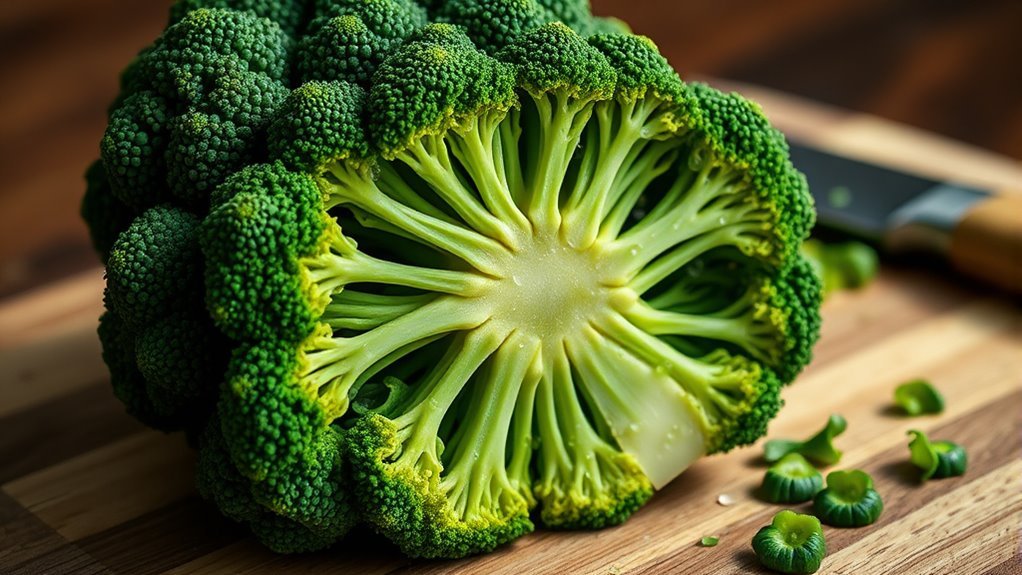
You’ll find that broccoli is packed with powerful antioxidants like sulforaphane. This compound may help reduce cancer risk, which is pretty amazing. Plus, broccoli’s plant compounds don’t just stop there—they also offer anti-inflammatory benefits and support healthy blood pressure. Let’s dive in and explore how these phytochemicals protect your body and boost your overall health.
Key Antioxidant Compounds
Because broccoli is packed with a variety of potent antioxidants, it offers significant health benefits beyond basic nutrition. You’ll find several key compounds working together to protect your body from oxidative damage:
- Sulforaphane activates enzymes that may help prevent cancer cell growth.
- Flavonoids, including kaempferol and quercetin, reduce inflammation and help lower blood pressure.
- Carotenoids like lutein, zeaxanthin, and beta-carotene support eye health and protect against age-related macular degeneration.
- Polyphenols boost broccoli’s antioxidant power by neutralizing harmful free radicals.
Cancer-Preventive Phytochemicals
Although many vegetables offer health benefits, broccoli stands out for its unique cancer-preventive phytochemicals. It contains glucosinolates, which your body converts into sulforaphane, a compound known to activate detox enzymes and inhibit cancer cell growth.
Alongside sulforaphane, indole-3-carbinol helps regulate estrogen metabolism, reducing hormone-related cancer risks. These phytochemicals contribute markedly to cancer prevention, lowering risks of prostate, breast, and colorectal cancers.
| Phytochemical | Benefit |
|---|---|
| Sulforaphane | Activates detox enzymes |
| Glucosinolates | Precursors to cancer-fighting compounds |
| Indole-3-carbinol | Modulates estrogen metabolism |
Including broccoli regularly taps into these powerful plant compounds, enhancing your body’s natural cancer-fighting mechanisms.
Anti-Inflammatory Effects
When you eat broccoli regularly, its powerful plant compounds work to reduce inflammation in your body. The anti-inflammatory effects come mainly from sulforaphane and plant flavonoids like kaempferol and quercetin. These compounds target inflammation in several ways:
- Sulforaphane activates antioxidant pathways that lower inflammatory responses.
- Plant flavonoids inhibit enzymes responsible for producing inflammatory molecules such as prostaglandins.
- Regular broccoli consumption is linked to reduced levels of C-reactive protein (CRP), a key marker of inflammation.
- Broccoli’s phytochemicals help manage chronic inflammation, which is linked to conditions like arthritis and heart disease.
Health Precautions and Risks of Eating Broccoli
How much broccoli is too much? While it’s packed with nutrients, eating large amounts can pose health precautions. Raw broccoli contains goitrogens, which may interfere with iodine uptake and potentially affect your thyroid function.
If you’re on blood thinners, keeping an eye on your vitamin K intake is vital since broccoli can impact medication efficacy and blood clotting. Also, broccoli has oxalates that could increase the risk of kidney stones if you consume it excessively, especially if you’re already prone to them.
Here’s a quick look at some risks:
| Risk Factor | Effect |
|---|---|
| Goitrogens | May disrupt thyroid function |
| Vitamin K | Affects blood clotting and medication |
| Oxalates | Could contribute to kidney stones |
Moderation is key to enjoying broccoli’s benefits without unwanted side effects.
How Cooking Affects Broccoli’s Nutrients
Since cooking can both enhance and diminish broccoli’s nutrients, choosing the right method is essential to get the most health benefits. How you cook broccoli directly impacts nutrient retention, so understanding these effects helps you make better choices.
Steaming broccoli for 3-4 minutes preserves most vitamin C and maintains key antioxidants better than boiling.
Boiling can cause up to 50% loss of water-soluble nutrients like vitamin C and flavonoids, reducing broccoli’s health value.
Cooking destroys some enzymes that activate beneficial compounds, but it also makes nutrients like beta carotene more bioavailable.
Excessive cooking or high heat can degrade heat-sensitive antioxidants, so avoid long cooking times or very high temperatures.
Choosing, Storing, and Preparing Broccoli for Best Nutrition
To get the most nutrition from broccoli, you’ll want to start by choosing fresh, vibrant heads with deep green color and tight buds, steering clear of any yellowing or wilted spots. When storing broccoli, place it in a perforated plastic bag inside your refrigerator’s crisper drawer to keep it fresh for 3-5 days. Avoid washing it before storing to prevent moisture buildup.
When preparing broccoli, wash it thoroughly under cold water just before cooking to remove dirt and insects. Don’t forget to peel and cut the stems into smaller pieces; this helps ensure even cooking and better nutrient retention. To maximize nutrition, use quick cooking methods like steaming or microwaving for 3-4 minutes. These techniques help preserve broccoli’s vitamins and antioxidants better than boiling or frying. By carefully choosing, storing, and preparing broccoli, you make sure you’re getting the most nutritional benefit from every bite.
Incorporating Broccoli Into Your Meals for Maximum Benefit
Although broccoli shines when cooked, incorporating it raw into your meals lets you retain the most vitamin C and antioxidants. To get the maximum benefit from broccoli, try these simple ways to incorporate it into your daily recipes:
- Add raw broccoli florets to salads or enjoy them as a crunchy snack with hummus to preserve key nutrients.
- Roast broccoli at 425°F for 20-25 minutes with olive oil and spices to enhance flavor while keeping sulforaphane intact.
- Steam broccoli for 3-4 minutes to maintain high vitamin K and carotenoid levels, making it an excellent side dish.
- Use chopped stems and leaves in stir-fries or soups to add fiber, calcium, and phytonutrients.
Frequently Asked Questions
Can Broccoli Help Improve Skin Health?
Yes, broccoli can help improve your skin health. Its antioxidants fight oxidative stress, promoting skin rejuvenation benefits like reduced redness and better elasticity.
The dietary fiber in broccoli supports gut health, which enhances nutrient absorption, ensuring your skin gets essential vitamins. By including broccoli in your diet, you’re giving your skin a powerful boost from within, helping it stay vibrant, hydrated, and protected from damage.
What Are the Environmental Benefits of Growing Broccoli?
You’ll find broccoli supports sustainable farming by improving soil health and reducing pest cycles through crop rotation. Growing broccoli uses less water, lowering its carbon footprint compared to many crops.
Plus, it absorbs carbon dioxide and releases oxygen, which positively impacts air quality and reduces ecological impact. Choosing organic broccoli farming further minimizes chemical runoff, helping maintain healthier ecosystems.
How Does Broccoli Consumption Affect Mental Health?
Think of broccoli as a green key opening mental clarity. When you eat it, broccoli antioxidants work like shields, protecting your brain from damage and boosting cognitive function.
You’ll notice improved focus and mood thanks to its nutritional benefits, including sulforaphane and vitamin K. By regularly adding broccoli to your diet, you actively support your brain’s health and resilience, helping you stay sharp and balanced every day.
Are There Any Cultural Dishes That Highlight Broccoli Uniquely?
Yes, you’ll find broccoli uniquely highlighted in various cultural cuisine through traditional recipes. In Chinese culinary traditions, it’s featured in stir-fries like Gong Bao broccoli, emphasizing crunch and nutrition.
Italian regional dishes use broccoli rabe in pasta, showcasing its bitter flavor. Korean kimchi variations include broccoli, while Indian recipes spice it up with turmeric and cumin. Middle Eastern salads and roasted platters also celebrate broccoli’s healthful role in their culinary traditions.
Can Broccoli Be Used in Natural Skincare Remedies?
Yes, you can use broccoli in natural skincare remedies because of its powerful broccoli antioxidant properties. These antioxidants help reduce inflammation and protect your skin from damage.
You’ll notice broccoli skin benefits like improved elasticity and a more even tone. Plus, its broccoli anti aging effects support collagen production, making your skin look youthful.
Many people use broccoli natural remedies, such as masks or oils, to soothe irritation and combat acne naturally.
Conclusion
Now that you know broccoli packs over 100% of your daily vitamin C in just one cup, you can see why it’s a nutritional powerhouse. By understanding its fiber, vitamins, and plant compounds, you’re better equipped to enjoy its benefits.
Just remember, how you cook and store it really matters. So get creative in the kitchen and make broccoli a regular part of your meals to boost your health deliciously!