5 Key Nutrients in Potato Skins: Nutritional Value Explained
You get a powerful mix of fiber, vitamins, minerals, antioxidants, and overall nutrition from potato skins. They offer about 5 grams of fiber, which supports digestion and gut health.
Skins pack vitamin C and B6 to boost your immune system and energy. You also receive essential potassium, iron, magnesium, and copper for muscle and nerve support.
Antioxidants like flavonoids help reduce inflammation and protect cells. Keep exploring to see how these nutrients benefit your health even more.
Why Do Potato Skins Matter for Your Health?
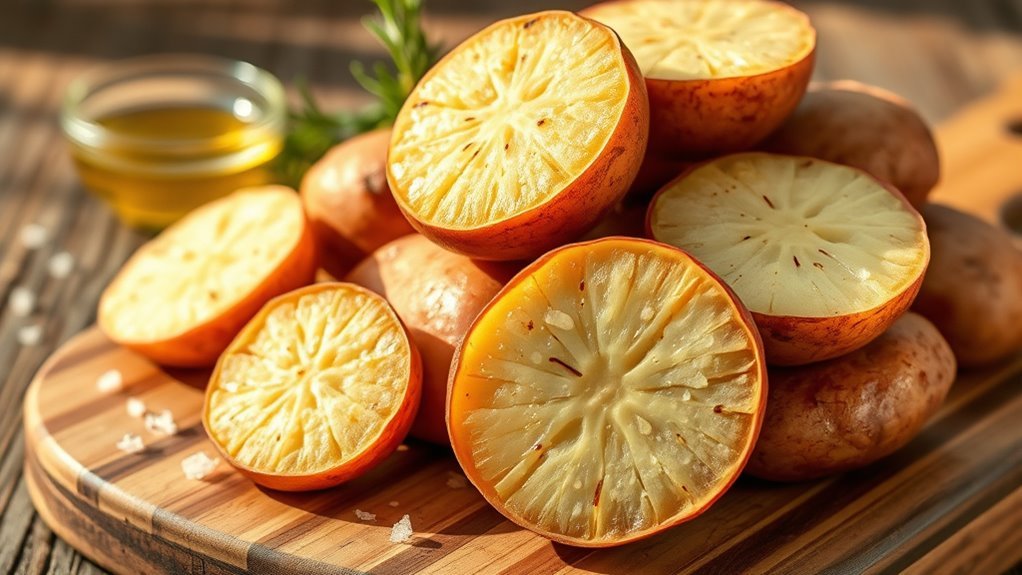
Although many people peel their potatoes without a second thought, keeping the skins can considerably boost your health. Potato skins are packed with fiber, about 5 grams per medium potato, which supports your digestive health and helps keep your system regular.
When you eat the skins, you also get a good dose of potassium, an essential mineral that plays a key role in regulating your blood pressure and maintaining proper muscle and nerve function. Furthermore, potato skins contain significant amounts of vitamin C, which are important for your immune system and skin health.
By discarding the skins, you lose nearly half of the potato’s iron and a substantial portion of these crucial nutrients. Including the skins in your meals enhances your overall nutrient intake, making your diet richer and more balanced.
What Vitamins Are Found in Potato Skins and Why Do They Matter?
Keeping the skins on your potatoes doesn’t just add fiber and minerals. It also preserves a wealth of vitamins that support your overall health. Potato skins are particularly rich in vitamin C, providing about 47% of your daily value in a medium-sized potato.
This vitamin acts as a powerful antioxidant, helping protect your cells and boost your immune system. You’ll also find B vitamins, including vitamin B6, which plays a vital role in energy metabolism and brain function. Folate, another B vitamin present in smaller amounts, supports DNA synthesis and cell growth.
Here’s a quick look at key vitamins in potato skins:
| Vitamin | Role | Benefit |
|---|---|---|
| Vitamin C | Antioxidant, immune support | Protects cells, boosts immunity |
| Vitamin B6 | Energy metabolism, brain health | Enhances energy, cognitive function |
| Folate | DNA synthesis, cell growth | Supports development and repair |
Keeping the skins means you get the full vitamin boost they offer.
How Do Potato Skins Provide Essential Minerals for Your Body?
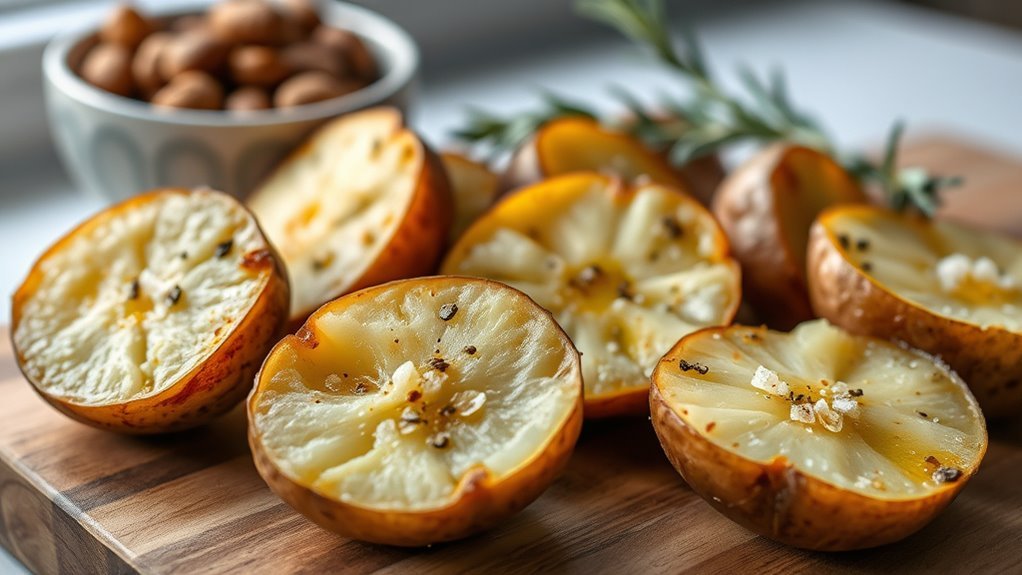
When you eat potato skins, you tap into a rich source of essential minerals your body needs to function properly. Potato skins provide a significant amount of potassium, about 905 mg per medium potato. This helps regulate fluid balance, muscle contractions, and nerve signals. This single serving covers nearly 19% of your daily potassium needs.
You also get a hefty dose of iron, with roughly 88% of the total iron in a baked potato concentrated in the skin. Iron is indispensable for transporting oxygen in your blood and boosting your energy levels.
Besides potassium and iron, potato skins contain magnesium and copper. Magnesium supports normal muscle and nerve function, while copper aids immune health and plays a role in energy metabolism. Including potato skins in your diet guarantees you benefit from these essential minerals, supporting overall health without extra effort.
How Does the Fiber in Potato Skins Help Your Digestion?
Because potato skins contain about 4.5 grams of fiber per medium potato, they play an essential role in supporting your digestion. The fiber adds bulk to your stool, promoting regular bowel movements and helping to prevent constipation. The soluble fiber in potato skins dissolves in water, softening stool and making it easier to pass through your digestive tract. This helps reduce the risk of digestive issues like diverticulitis.
Beyond easing digestion, the fiber in potato skins feeds beneficial gut bacteria, which boosts your gut health and improves nutrient absorption. Including potato skins in your diet also helps you feel full longer, which can prevent overeating. By regularly consuming fiber-rich potato skins, you’re supporting a healthy digestive system and fostering a balanced gut environment. This makes potato skins a simple yet powerful way to enhance your overall digestion and gut health.
Which Antioxidants Are in Potato Skins and How Do They Benefit You?
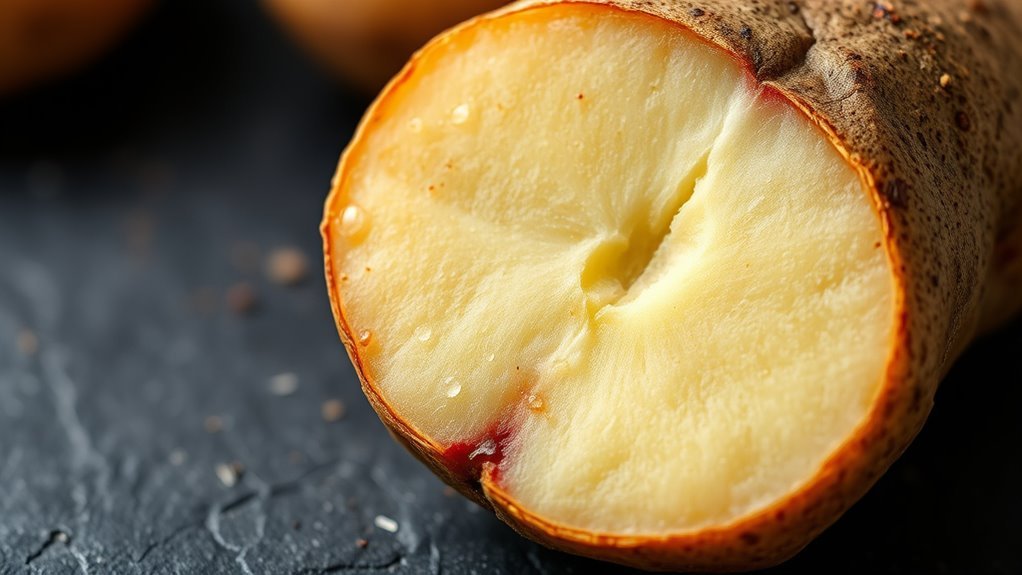
Although you might overlook them, potato skins pack a powerful punch of antioxidants like flavonoids, phenolic acids, carotenoids, and anthocyanins, especially in red and purple varieties. These antioxidants help protect your cells by neutralizing harmful free radicals, reducing oxidative stress, and supporting your immune health.
For instance, chlorogenic acid, a key phenolic acid in potato skins, plays a crucial role in lowering inflammation and guarding against chronic diseases. Anthocyanins in purple potato skins offer added anti-inflammatory and anticancer benefits.
Here’s a quick look at the main antioxidants and their benefits:
| Antioxidant | Benefit |
|---|---|
| Flavonoids | Protect cells, reduce inflammation |
| Phenolic Acids | Neutralize free radicals |
| Anthocyanins | Anti-inflammatory, anticancer |
Eating potato skins regularly boosts your intake of these antioxidants, helping you stay healthier and more resilient.
Frequently Asked Questions
Are Potato Skins Safe to Eat if Not Organic?
Yes, you can eat non-organic potato skins safely if you prioritize skin cleanliness. Even though organic farming avoids synthetic pesticides, non-organic skins might have pesticide residue.
Washing potatoes thoroughly with a vegetable brush under cold water helps remove most residues and dirt. If you’re still concerned, peeling is an option.
Just remember to trim away any green spots or sprouts, as they can contain harmful toxins regardless of farming methods.
How Should Potato Skins Be Prepared for Best Nutrition?
You should wash potato skins thoroughly with a vegetable brush to remove dirt and pesticides before cooking. Choose cooking methods like baking, boiling, or steaming to maximize nutrient preservation and avoid nutrient loss.
These methods also enhance the natural flavor without adding unhealthy fats. Avoid peeling to keep valuable fiber intact and skip high-temperature frying, which degrades nutrients and forms harmful compounds.
This way, you get the best nutrition and taste from potato skins.
Can Eating Potato Skins Help With Weight Loss?
Think of potato skins as tiny shields guarding your weight loss journey. Yes, eating potato skins can help because their low calorie content means you’re not piling on extra calories.
Plus, the fiber benefits slow digestion and boost satiety effects, so you feel full longer and snack less. By including them in your meals, you’re giving your body a nutrient-packed ally that supports weight management without sacrificing taste or satisfaction.
Do Potato Skins Contain Any Allergens?
Yes, potato skins can contain allergens, so you need to practice allergen awareness if you’re sensitive. The protein patatin in skins may trigger skin sensitivity or allergic reactions, especially if you have latex allergies due to cross contact concerns.
Green or sprouted skins heighten this risk. If you have any allergy history, it’s best to avoid potato skins or consult your allergist before eating them to stay safe.
How Do Potato Skins Compare Nutritionally to Other Vegetable Skins?
You’ll find potato skins pack about 5 grams of fiber per medium potato, which is higher than many other vegetable skins. Their nutrient density stands out, especially with minerals like potassium and iron.
Plus, their antioxidant content rivals or exceeds that of carrot and sweet potato skins. So, if you want to boost your fiber benefits while enjoying rich antioxidants, potato skins are a smart, nutrient-dense choice compared to most vegetable skins.
Conclusion
You might overlook potato skins as just a scrap, but they’re actually packed with nutrients that fuel your body. While you often peel them away, you’re also peeling away essential vitamins, minerals, fiber, and antioxidants that support your health.
Embracing the whole potato means embracing better digestion, stronger immunity, and more energy. So next time, don’t toss those skins. Choose nourishment over waste, and watch how small choices lead to big health gains.