
Best Meal Plans for Seniors to Boost Health
You can boost your health by choosing balanced meal plans rich in protein, fiber, vitamins, and minerals essential for aging well. Focus on nutrient-dense foods like leafy greens, berries, lean proteins, and whole grains to support your heart, brain, and bones.
Tailor meals to your specific needs, including texture adjustments and managing conditions like diabetes or hypertension.
Safe meal prep and hydration matter too.
Keep exploring to discover easy recipes and expert tips that make meal planning simple and effective.
Why Balanced Meals Make a Big Difference for Seniors

Because balanced meals deliver essential nutrients like protein, fiber, vitamins, and minerals, they play a critical role in supporting your overall health and immune system as you age. As a senior, focusing on balanced meals helps you maintain a healthy weight and prevents malnutrition. This is essential for reducing the risk of chronic conditions like heart disease and diabetes.
Healthy eating that includes a variety of food groups not only boosts your energy levels but also supports cognitive function, helping to slow down age-related decline. Adequate protein intake from balanced meals preserves your muscle mass and strength, lowering your risk of frailty and falls.
Nutrition tailored to seniors ensures you get the right mix of nutrients to enhance your quality of life. By prioritizing balanced meals, you actively protect your health, manage chronic conditions better, and enjoy a more vibrant, independent lifestyle.
Key Nutrients Seniors Need for Healthy Aging
To stay healthy as you age, it’s important to focus on getting essential vitamins and minerals like calcium, vitamin D, and B12. These nutrients support your bones and brain, keeping them strong and functioning well.
And don’t forget about protein! It plays a big role in maintaining your muscle strength, which is super important as you get older.
Also, make sure to keep an eye on your hydration. Your fluid needs can change with age, so staying well-hydrated is key for overall health.
Essential Vitamins And Minerals
While your body changes with age, you’ll need to focus on getting enough essential vitamins and minerals to support healthy aging. Calcium and vitamin D are vital for maintaining bone density and reducing osteoporosis risk. So include nutrient-dense foods like dairy, leafy greens, and fortified products in your diet.
Your ability to absorb vitamin B12 decreases, making fortified foods or supplements important for brain health. Minerals such as magnesium and potassium help regulate blood pressure and support your heart. Aim for a variety of fruits, vegetables, nuts, and whole grains.
Although iron needs may drop, maintaining adequate intake aids energy and immunity. Prioritizing these vitamins and minerals through nutrient-dense foods ensures you stay strong and healthy as you age.
Protein Importance For Seniors
How much protein do you really need as you age? For seniors, protein is vital to maintain muscle mass, strength, and overall physical function. Meeting your dietary needs helps reduce frailty and the risk of falls.
The National Academy of Medicine recommends about 1.0 to 1.2 grams of protein per kilogram of body weight daily to meet your nutritional requirements.
Here’s why protein matters for you as a senior:
- Preserves muscle mass and prevents sarcopenia
- Supports immune function and wound healing
- Enhances recovery from illness or injury
- Promotes metabolic health
- Helps maintain physical strength and independence
Including protein-rich foods in your diet guarantees you meet these important nutritional requirements for healthy aging.
Hydration And Fluid Needs
Why does staying hydrated become more important as you age? As you get older, your thirst sensation decreases, so you might not feel thirsty even when your body needs fluids.
Proper hydration is essential to support your overall health and prevent dehydration. Dehydration can lead to serious issues like urinary tract infections, kidney problems, and dizziness that increase fall risk.
To maintain adequate fluid intake, aim to drink at least 8-10 cups of water or other non-caffeinated, non-alcoholic beverages daily. Including water-rich foods such as watermelon, cucumbers, and oranges in your meals also helps meet your hydration needs.
Prioritizing hydration and dehydration prevention is a smart approach for older adults to stay healthy and active.
Best Diets for Senior Meal Plans
You’ll want to focus on nutrient-dense diets that provide essential vitamins and minerals to support healthy aging. It’s really important to tailor meal plans to meet specialized dietary needs, like managing blood pressure or kidney health. By choosing the right diet, you can help yourself stay strong, energized, and balanced as you age.
Nutrient-Dense Diets
Because your body’s nutrient needs change as you age, choosing nutrient-dense foods becomes essential for maintaining health and importance. A nutrient-dense diet helps seniors meet their micronutrient requirements without excess calories, supporting a balanced diet and healthy eating habits. Focus on foods that provide high nutrition value to boost muscle mass, cognitive function, and immune health.
Include these nutrient-dense options in your meals:
- Leafy greens and colorful vegetables for vitamins and antioxidants
- Lean proteins like fish and poultry to maintain muscle
- Whole grains to provide fiber and sustained energy
- Legumes and berries to reduce inflammation
- Fortified foods or supplements for calcium and vitamin B12
This approach guarantees you get essential micronutrients while enjoying a well-rounded, healthy diet.
Specialized Dietary Needs
How can you tailor your meals to meet the unique health challenges that come with aging? Start by addressing your specific medical needs and chronic conditions like diabetes or hypertension.
Specialized dietary needs often require nutritional modifications such as reducing sodium, sugar, and certain minerals to manage these conditions effectively. You might follow diets like Mediterranean or DASH, which support heart and cognitive health while respecting your dietary restrictions.
If chewing or swallowing is difficult, incorporating soft foods or purees ensures you still get the nutrients you need. Collaborate with healthcare providers to create a meal plan that balances increased calcium, vitamin D, and protein intake for bone and muscle health with your personalized health requirements.
This approach guarantees your meals are both safe and nourishing.
Customizing Meal Plans for Your Dietary Needs
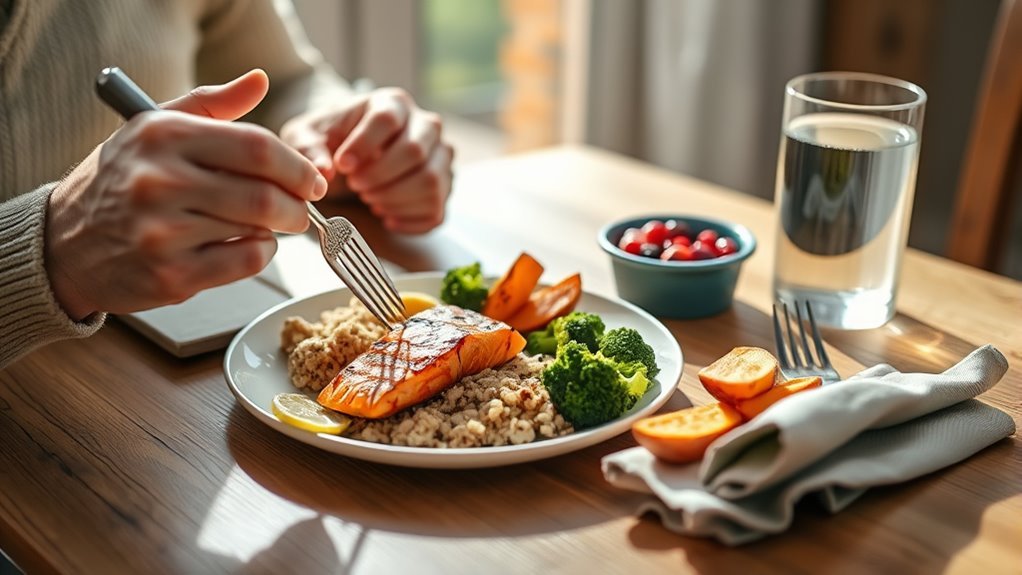
When tailoring meal plans to your unique dietary needs, you guarantee your body gets the right balance of protein, vitamins, and minerals essential for healthy aging. Personalized meal plans provide the nutritional support seniors need by focusing on your individual health conditions and preferences. Meal customization helps you stick to your diet and enjoy your food more. Collaborating with healthcare providers ensures your dietary needs are met safely and effectively.
To customize your meal plan, consider these key steps:
- Identify specific dietary restrictions like low sodium or gluten-free options
- Include special diets such as diabetic-friendly or kidney-friendly meals
- Choose textures that suit you, like soft foods for easier eating
- Balance macronutrients tailored to your health goals
- Adjust portions and ingredients to match your taste and nutritional requirements
Easy and Nutritious Meal Ideas for Seniors
After customizing your meal plans to fit your dietary needs, choosing easy and nutritious meal ideas can make daily eating both enjoyable and manageable. Focus on healthy options like lean proteins, whole grains, fruits, and vegetables to deliver essential nutrition that supports your overall health.
Simple meals such as oatmeal topped with fresh fruit, scrambled eggs, or vegetable stir-fries provide balanced nutrients without complicated prep.
Since many seniors face dental or swallowing challenges, include soft, easy-to-chew foods like yogurt and cooked vegetables. These options guarantee you get crucial nutrients comfortably.
Using pre-cut or frozen produce can save time, making it easier to prepare healthy meals regularly. Aim for balanced portions with fiber, protein, and healthy fats to maintain your energy and muscle mass.
Planning Senior Meal Plans to Boost Cognitive Health
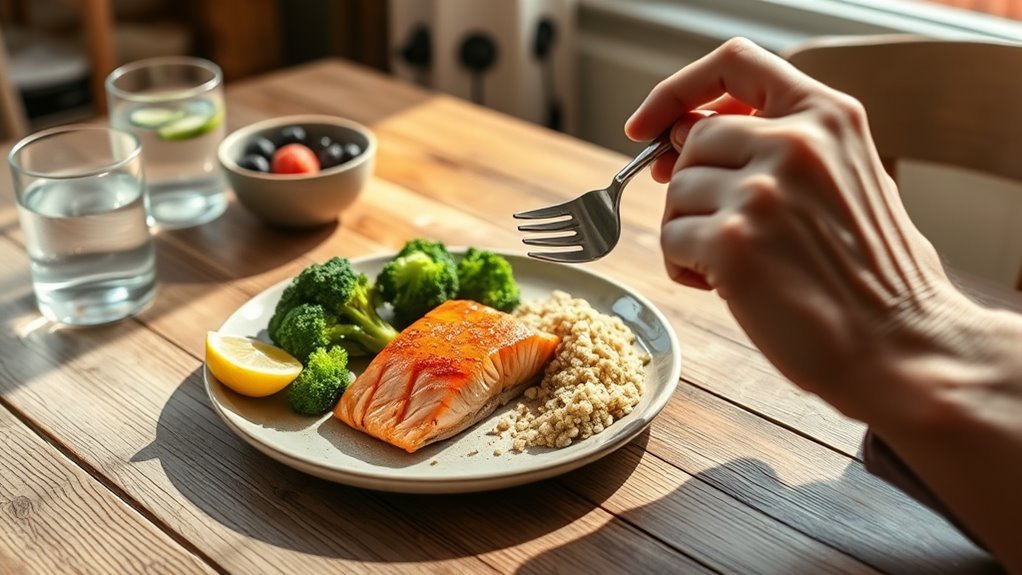
Since brain health plays a crucial role in aging well, planning meals that boost cognitive function can make a significant difference. When creating senior meal plans, focus on nutrient-rich foods and balanced meals to support your cognitive health. Include these key elements:
Omega-3 fatty acids found in fatty fish like salmon and mackerel help improve brain function. A Mediterranean-style diet rich in fruits, vegetables, whole grains, and healthy fats reduces the risk of cognitive decline.
Berries, especially blueberries, provide antioxidants that protect brain cells from damage. B vitamins, particularly B12 and folate, promote mental clarity and lower cognitive impairment.
Balanced meals with complex carbohydrates stabilize blood sugar levels, which helps prevent cognitive fluctuations.
Preparing and Storing Meals Safely for Seniors
How can you guarantee meals stay safe and nutritious for seniors? Proper meal prep and food storage are key. Always refrigerate cooked meals within two hours to prevent bacterial growth, especially since seniors have weaker immune systems.
Use airtight containers for leftovers to maintain freshness and avoid contamination. Label each container with the date to make sure you consume food before it spoils. When reheating leftovers, heat them to at least 165°F (74°C) to kill harmful bacteria.
Also, store raw meats separately from other foods to prevent cross-contamination.
Here’s a quick guide to food safety for seniors:
| Task | Best Practice |
|---|---|
| Refrigeration | Refrigerate cooked meals within 2 hours |
| Leftovers | Use airtight containers and label with dates |
| Food Safety | Reheat leftovers to 165°F, separate raw meats |
Resources to Help Seniors and Caregivers With Meal Planning
When you’re managing meal planning for seniors, tapping into reliable resources can make the process much easier and more effective. You can find nutrition resources and caregiver support tailored to seniors’ unique needs, ensuring their diets meet appropriate dietary guidelines. Here are some valuable tools to guide you:
USDA’s MyPlate and the National Institute on Aging offer customizable meal planning templates designed for seniors. Oldways and DASH meal plans provide sample menus focused on heart health and cognitive function.
In-home services like Ohioans Home Health & Hospice support personalized nutrition management. Online platforms and cookbooks feature senior-friendly recipes emphasizing nutrient density and ease of preparation.
Registered dietitians help caregivers create individualized meal plans addressing specific health conditions and restrictions. Using these resources, you’ll improve meal planning efficiency and help maintain seniors’ health with balanced, nutritious meals.
Frequently Asked Questions
How Can Seniors Manage Food Allergies in Meal Planning?
You can manage food allergies in meal planning by choosing gluten free options and dairy free alternatives that suit your needs. Always prioritize nut allergy safety by avoiding cross-contamination and reading labels carefully.
Incorporate soy free meal ideas to diversify your diet, and practice seafood allergen management by selecting safe protein sources. Consulting a dietitian helps customize your plan, and cooking at home guarantees control over ingredients to keep you safe and healthy.
What Are Some Budget-Friendly Tips for Senior Meal Preparation?
You can keep your kitchen budget-friendly by embracing affordable ingredients like rice, beans, and seasonal veggies. Use easy cooking techniques such as batch cooking and freezing meals to save time and money.
Snack smart with nutrient-dense options like nuts or yogurt. Don’t forget budget shopping tips, like checking flyers and using coupons.
Ultimately, meal prepping strategies like cooking large portions help reduce waste and stretch your groceries further, making every bite count.
How Often Should Seniors Eat Smaller Meals Throughout the Day?
You should eat smaller meals 4 to 6 times a day to maintain portion control and stabilize blood sugar. Focus on meal timing by spacing meals evenly, which supports digestion and nutrient absorption.
Incorporate healthy snack options like fruits or nuts to keep energy steady. Don’t forget hydration strategies; drink water regularly throughout the day.
Maintaining dietary consistency helps you avoid overeating and supports overall health as you age.
Can Meal Plans Help With Seniors’ Medication Side Effects?
Can meal plans really ease your medication side effects? Absolutely. By managing meal timing and choosing foods that support nutrient absorption, you can reduce medication interactions and improve how your body handles supplements.
Tailoring your diet to fit any dietary restrictions guarantees you get the right nutrients without interfering with your meds. With a smart meal plan, you’ll feel better and make the most of your treatments every day.
What Kitchen Tools Are Best for Seniors With Limited Mobility?
You’ll find adaptive utensils and electric can openers especially helpful if you have limited mobility. Non-slip mats keep your workspace stable, preventing slips while you cook.
Easy open jars reduce frustration when accessing ingredients, and lightweight cookware lets you move pots and pans without straining your hands or arms. These tools make cooking safer and more comfortable, so you can enjoy preparing meals without unnecessary effort or risk.
Conclusion
Just like the timeless wisdom of a well-tended garden, your meal choices can nurture vibrant health as you age. By focusing on balanced, nutrient-rich foods tailored to your needs, you’re not just eating—you’re investing in your future well-being.
Remember, every bite is a step toward stronger days and sharper minds. Embrace these meal plans, and watch your health bloom with the promise of each new season ahead.