
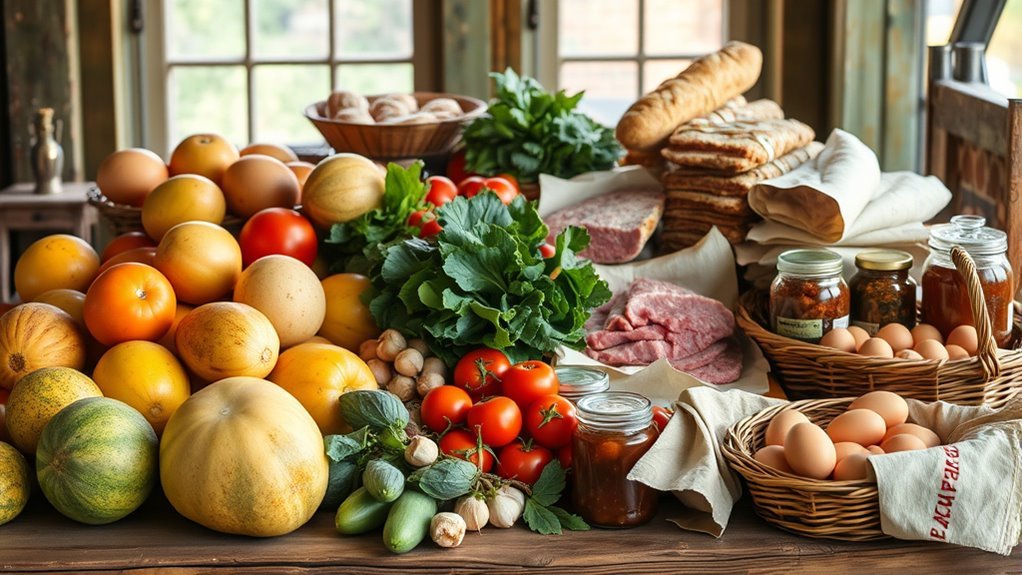
Which Foods Are Not Required to Have a Nutrition Label
You don’t need a nutrition label on raw, single-ingredient foods like whole fruits, vegetables, or fish sold unprocessed without added claims. Small packages under 12 square inches and foods made for immediate consumption at the sale location often qualify, too.
Also, items with negligible nutritional value, like plain spices or coffee beans, typically don’t require labels. However, making nutrient or health claims changes this.
Keep exploring to understand all the exceptions and details for your products.
Which Foods Must Have Nutrition Labels?
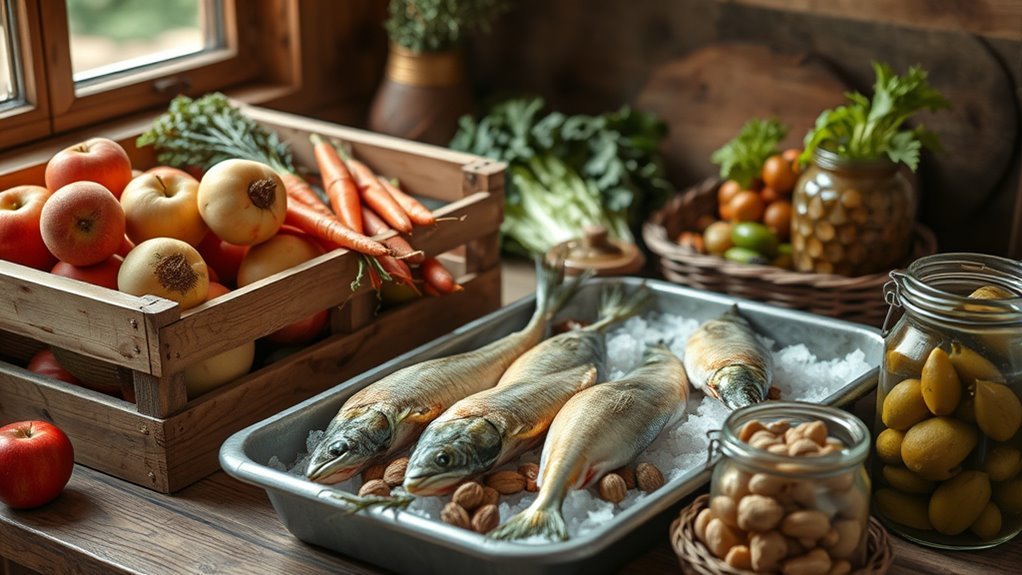
Raw foods like fresh fruits, vegetables, and fish usually don’t need nutrition labels because they’re unprocessed and single-ingredient. Foods sold for immediate consumption, such as meals from restaurants or deli sandwiches, also don’t require labels since you’re expected to eat them right away.
Small packages with less than 12 square inches of label surface, like condiment packets or spice samples, are often exempt as well. Moreover, bulk foods packaged directly at the retail location, like cheese or spices, don’t need nutrition labels if sold only there.
Why Raw Fruits, Vegetables, and Fish Are Exempt
You don’t need nutrition labels on raw fruits, vegetables, and fish as long as they’re sold whole and unprocessed. That’s because these foods come straight from the farm or boat without any added ingredients or claims. But once they’re combined or processed, then the labeling rules apply.
Exemption Criteria
Although nutrition labels provide valuable information, raw fruits, vegetables, and fish sold without added claims don’t require them. The exemption criteria focus on raw foods that are unaltered, whole foods, meaning they’re sold exactly as they come from the farm or boat.
If these items are minimally processed or remain unprocessed, you won’t see nutrition labels on them. However, once these foods become packaged foods or undergo processing, the exemption no longer applies, and nutrition labeling is required.
This approach helps avoid unnecessary labeling on natural, single-ingredient products, keeping things simple for you when choosing fresh produce and seafood. So, when you pick up unprocessed, whole fruits, vegetables, or fish, you’re buying items exempt from nutrition labels by design.
Labeling Requirements
Because raw fruits, vegetables, and fish are sold in their natural, single-ingredient form without added claims, regulators exempt them from mandatory nutrition labeling. This exemption applies only when these raw foods remain unprocessed and aren’t combined with other ingredients.
Once they’re processed or packaged with additional components, nutrition labeling becomes necessary to inform you about their contents. The exemption aims to reduce the regulatory burden on producers and sellers of fresh produce and unprocessed seafood.
If you choose to voluntarily add nutrition information on these foods, you must follow a standardized format, even though it’s not required. So, when you buy fresh fruits, vegetables, or fish in their natural state, you won’t see nutrition facts panels on food packages due to this thoughtful exemption.
When Foods With Insignificant Nutritional Value Don’t Need Nutrition Labels
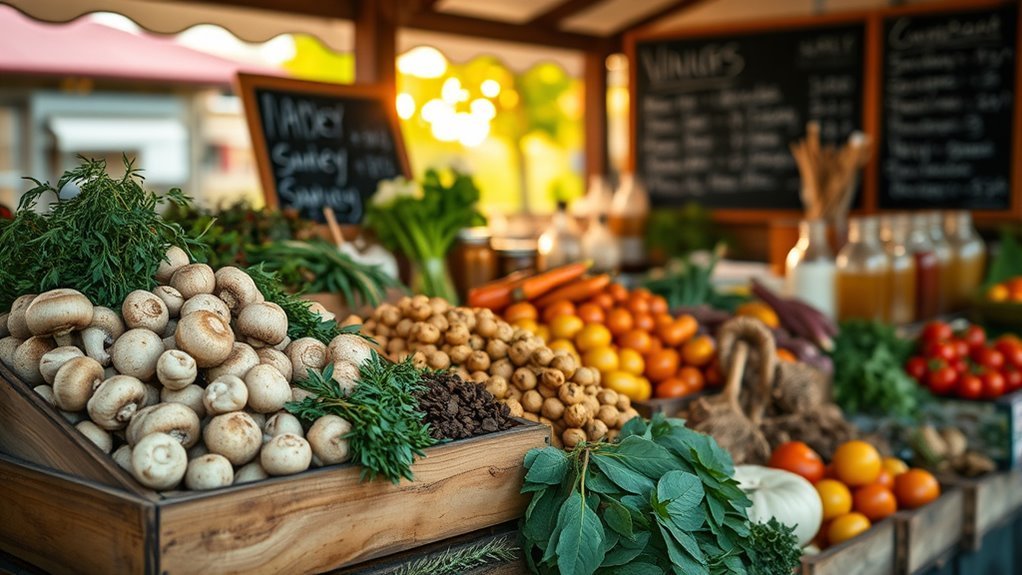
You don’t need nutrition labels on foods that have insignificant nutrients, like plain spices, coffee beans, or bottled water. These products usually have barely any calories, fat, or sugar. So, labeling isn’t required unless something extra, like ingredients, is added. Knowing which items qualify can help you understand when nutrition facts are actually necessary.
Defining Insignificant Nutrients
When a food contains negligible calories, fat, sugar, or measurable nutrients, it doesn’t need a nutrition label. These foods, often containing insignificant nutrients, are exempt from nutrition labeling because they offer minimal nutritional content.
For example, plain spices or whole coffee beans usually fall into this category. However, the exemption applies only if the food is intended for immediate consumption and hasn’t been altered with added ingredients that boost its nutritional value.
Once a product includes added nutrients or makes health claims, it loses this exemption and must have a Nutrition Facts panel. Understanding these guidelines helps you recognize why some foods don’t carry nutrition labels—they simply don’t contribute enough nutrition to require one.
Common Exempted Products
Although nutrition labels provide valuable information, certain products don’t require them due to their minimal nutritional content or specific usage. Foods exempt from labeling include raw produce, unprocessed foods, and items intended for immediate consumption.
Small packages under 12 square inches and ingredients meant for further processing are also exempt. Here’s a quick look:
| Exempt Products | Reason for Exemption |
|---|---|
| Raw produce & seafood | Single-ingredient, no added claims |
| Small packages | Label surface under 12 sq. inches |
| Immediate consumption | Restaurant meals, bakery items |
When you buy plain spices or fresh fruits, you won’t see nutrition labels because their insignificant nutrients or usage don’t require them. Ingredients shipped for processing are also exempt, making labeling practical and relevant only where needed.
Impact Of Added Ingredients
Several types of foods with minimal nutritional value, like plain coffee beans, tea leaves, and spices, don’t need nutrition labels. These exempt foods maintain their exemption as long as they don’t contain added ingredients that affect their nutrient content.
Once you add vitamins, minerals, or other declared nutrients, the exemption is lost. That means you must include a nutrition label to disclose the changes. Even products like honey and maple syrup stay exempt until added ingredients boost their nutrient content or they make nutrient or health claims.
How Immediate Consumption Foods Qualify for Label Exemptions

Because foods prepared and sold for immediate consumption are meant to be eaten quickly at the same location, they often don’t require nutrition labels. This exemption applies mainly when packaged foods are sold for consumption only at the retail location where they’re made, without extended shelf life or storage.
Foods made and sold for immediate on-site consumption often don’t require nutrition labels.
Here’s how you can tell if a food qualifies for this exemption:
- The food is prepared and packaged for immediate consumption at the same retail location where it’s sold.
- It doesn’t contain preservatives or packaging designed to extend shelf life beyond immediate sale.
- The packaging doesn’t include nutrition or health claims that reference nutrients or benefits.
If any of these conditions aren’t met, the exemption may no longer apply. For example, a sandwich packaged to last several days or one with nutrition claims would need a label.
Understanding this helps you recognize when immediate consumption foods qualify for label exemptions and when they don’t.
Which Small Packages Can Skip Nutrition Labels?
When a package’s label area is under 12 square inches, it can often skip nutrition labeling requirements. This exemption applies to many small packages, like condiment packets, single tea bags, or tiny candy wrappers.
You can’t make any nutrient or health claims such as “low sodium” on these small packages if you want to qualify for the exemption. Claiming so would require including a full Nutrition Facts label.
Even without the Nutrition Facts label, these small packages must still feature mandatory labeling elements like product identity and ingredients.
Here’s a quick summary:
| Aspect | Requirement |
|---|---|
| Label size | Under 12 square inches for exemption |
| Allowed claims | None on exempt small packages |
| Mandatory labeling elements | Product identity, ingredients |
Bulk Foods Exemptions: When Ingredients Don’t Need Labels
How do bulk foods avoid nutrition labeling requirements? Bulk foods can qualify for exemptions when certain conditions are met, especially regarding how ingredients are handled and packaged. Here’s what you need to know about these exemptions:
- Ingredients shipped for further processing or not intended for retail sale, like flour or sugar, don’t require nutrition labeling.
- Bulk foods packaged on-site from larger quantities, such as soup mixes or candy, are exempt if they meet specific size and claim restrictions.
- If bulk foods are repackaged retail products, like cheese or spices, they generally need labels unless packaged on-site under strict conditions.
Keep in mind, exemptions don’t apply if the packaging or marketing makes nutrient or health claims. So, if you’re dealing with bulk foods, understanding these exemptions can help you comply without unnecessary labeling, especially when ingredients are packaged on-site and intended for direct sale without claims.
Small Business and Low Volume Exemptions: Who Qualifies?
Understanding exemptions for bulk foods sets a foundation for exploring another important area: small business and low volume exemptions. If you run a small business with fewer than 100 employees and sell fewer than 100,000 units of packaged foods annually, you might qualify for an exemption from nutrition labeling.
However, this exemption isn’t automatic. You must file annually through the FDA’s system to maintain it.
Keep in mind, if you make any nutrient or health claims on your labels or marketing materials, you’ll lose the low volume exemption. Also, packaged foods with label surface areas smaller than 12 square inches can qualify for exemption. This often applies to small batch products like cheese or spices packaged at retail.
When Nutrient and Health Claims Void Label Exemptions
If you add vitamins, minerals, or make any health-related claims on your product label, you’ll lose the exemption from nutrition labeling. So, even if you just mention nutrient content or use terms like “nutrition facts,” you have to include a Nutrition Facts table. Knowing these rules can help you avoid accidentally voiding your label exemption.
Impact Of Claims
Whenever a food product features nutrient or health claims like “low sodium” or “high fiber,” it loses its exemption from nutrition labeling requirements. You must understand that making these nutrition claims on food packaging triggers mandatory labeling requirements.
Here’s what happens:
- If a product references energy, nutrients, or health benefits, it must display a Nutrition Facts panel.
- Claims suggesting health benefits or specific nutrient content void any previous exemptions.
- Accurate nutrient disclosures become essential for consumer protection and regulatory compliance.
Exemption Void Conditions
Making nutrient or health claims on packaging doesn’t just inform consumers. It also removes any exemption from nutrition labeling requirements. If you add nutrients or minerals beyond what’s naturally occurring, your product must display a nutrition label.
Declaring vitamins or minerals as added ingredients voids the exemption, even if these nutrients aren’t naturally present. Moreover, mentioning energy value or specific nutrient content on the label disqualifies your product from exemption.
Using health claims, function claims, or health-related symbols also forces you to follow standard labeling requirements. Simply put, any nutrient addition or health claim on your product’s packaging means you can’t skip providing a nutrition label. This ensures you comply with regulations and offer consumers transparent, accurate information about your food.
What Label Elements Are Still Required on Exempt Foods
Although exempt foods don’t require a Nutrition Facts panel, they still must include key label elements like the product name, net quantity, manufacturer or distributor details, ingredient list, and allergen declarations. These label elements are essential to provide you with basic product identification and safety information, even if the full nutrition label is absent.
Here are the main label elements you’ll find on exempt foods:
- Product name and net quantity so you know exactly what you’re buying and how much.
- Ingredient list to inform you about what’s inside the product.
- Allergen declarations and manufacturer details to keep you safe by highlighting potential allergens and identifying the source.
How to Confirm If Your Product Needs a Nutrition Label
To determine if your product needs a nutrition label, you should first consider its type and packaging. If your product is raw, single-ingredient produce or seafood sold without added claims, it’s generally exempt from nutrition label requirements. Similarly, small packages under 12 square inches, like spice samples or condiment packets, don’t usually need labels if they make no claims.
Also, products prepared and sold only at the retail location, such as deli sandwiches or bakery items, typically don’t require a nutrition label unless they’re prepackaged for retail sale. Check if your product has insignificant nutritional value, like plain coffee beans or flavor extracts, as these are exempt too.
If you run a small business selling fewer than 100,000 units annually with under 100 employees, you might qualify for exemptions. But you must file annually to confirm your status. Reviewing these factors helps you confidently determine your product’s labeling requirements.
Common Misconceptions About Nutrition Label Exemptions
Understanding whether your product requires a nutrition label can be tricky, especially with so many rules and exceptions. You might assume all packaged foods need food labels, but many are exempt, like raw produce, fish, and single-ingredient foods.
Here are three common misconceptions about nutrition label exemptions to clear things up:
- Size exemptions: Not all small packages require a Nutrition Facts panel. Packages under 12 square inches can be exempt if they meet specific criteria, so don’t automatically assume size means a label is required.
- Prepared foods: Foods prepared and sold at the same retail location for immediate consumption often don’t need labels, even if you think all ready-to-eat items do.
- Added nutrients: Products with added vitamins or minerals may lose exemption status, but not all foods with added nutrients must have labels.
Knowing these points helps you confidently determine if your product is truly exempt from nutrition labeling.
Frequently Asked Questions
Are Frozen Fruits and Vegetables Required to Have Nutrition Labels?
Frozen fruits and vegetables aren’t always required to have nutrition labels due to label exemptions, especially if they’re raw and single-ingredient. You should stay updated on regulatory updates to guarantee market compliance and label accuracy.
Food safety remains a priority, so consumer awareness is key when choosing products without labels. If ingredients or nutrients are added, labels usually become mandatory, helping you make informed choices.
Do Homemade Foods Sold at Farmers’ Markets Need Nutrition Labels?
When it comes to homemade foods sold at farmers’ markets, you usually don’t have to worry about nutrition labeling if you meet exemption criteria. If you prepare and sell your goods directly at the market without making health claims or adding nutrients, you’re often off the hook.
Food regulation updates still encourage voluntary labeling for transparency, but you can typically skip mandatory labels, letting you focus on quality instead of paperwork.
How Often Do Nutrition Label Regulations Change for Exempt Foods?
You’ll see label regulation updates for food product exemptions every few years, often tied to labeling policy revisions or shifts in scientific evidence. Exemption criteria changes happen periodically, sometimes more frequently if regulatory authority updates clarify rules.
Industry compliance shifts also influence timing, especially during major reforms. Before big changes, agencies usually open public comment periods, letting you and others weigh in, which can affect how often these exemptions get revised.
Can Nutrition Labels Be Voluntarily Added to Exempt Products?
You can think of voluntary labeling as a bright lighthouse guiding your choices through the fog of exemption criteria. Even if a product falls outside industry standards requiring nutrition labels, manufacturers often add them to boost consumer awareness.
These labels offer clear benefits, helping you make informed decisions. Regulatory updates don’t stop this practice; instead, they encourage transparency. So yes, exempt foods can sport nutrition labels, shining a helpful light on their content.
Are Beverages Like Fresh Juices Exempt From Nutrition Labeling?
Yes, beverages like fresh juices are often exempt from nutrition labeling, especially when sold directly by producers or at cafes. This is similar to how dietary supplements, herbal products, restaurant foods, private label items, bulk food sales, and homemade baked goods may also have exemptions.
But if the juice has added ingredients or nutrients, you’ll need a label. So, always check if your fresh juice or other products require nutrition facts before selling.
Conclusion
So, you think you can dodge nutrition labels by sticking to raw apples or tiny candy bars? Sure, go ahead, because who needs to know what’s actually inside your food, right? Forget transparency; mystery is the spice of life!
But remember, if you ever want a clue about calories or ingredients, those sneaky labels are your best friends. In the end, knowing what you eat beats playing hide-and-seek with your health every time.
One Comment