Which Foods Are Not Required to Have Nutrition Labels?
You won’t find nutrition labels on small packages like tiny candy bars or gum because the space is too limited. Fresh fruits and vegetables don’t need labels since they’re natural and unprocessed. Bakery and deli items sold directly at the store without pre-packaging usually skip labels, as do raw meat and seafood sold where they’re processed. These exemptions help simplify things, but there’s more to know if you want to shop smart and understand the rules behind these choices.
Packaged Foods Exempt From Nutrition Labels
Although most packaged foods must display nutrition labels, some are exempt due to their size, packaging, or nature. For example, if you buy a small candy bar or a single-serving packet, these often don’t have nutrition facts because their packaging is too tiny to fit all the information.
Similarly, foods sold in bulk at deli counters or wrapped in-store might skip the label since they’re not pre-packaged. You’ll also find exemptions for spices, coffee beans, and some alcoholic beverages, as their labeling rules differ.
When you’re shopping, knowing these exceptions helps you understand why some items lack detailed nutrition info, so you can make informed choices even when labels aren’t present.
Why Fresh Fruits and Vegetables Don’t Need Nutrition Facts
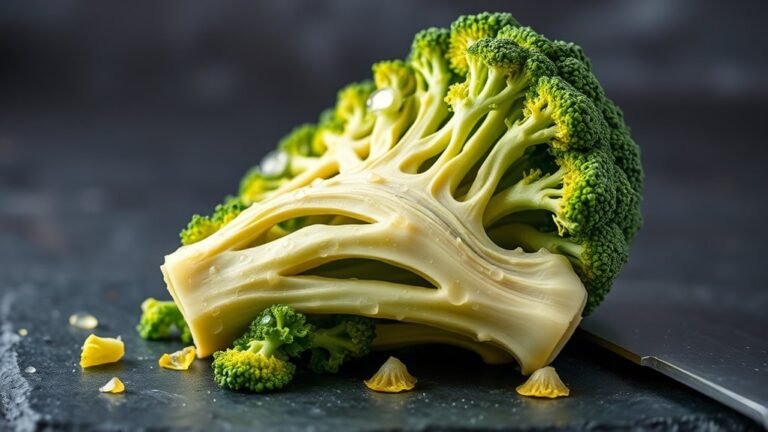
Fresh fruits and vegetables don’t need nutrition facts because they’re whole, natural foods that haven’t been processed or altered. When you pick up an apple or a bunch of carrots, you’re getting pure nutrients without additives or preservatives.
Since their nutritional content is consistent and widely known, regulators don’t require detailed labeling. You can trust that these foods provide essential vitamins, minerals, fiber, and antioxidants in their natural form.
This exemption also reduces unnecessary packaging and labeling costs for farmers and retailers. Keep in mind, though, once fruits or vegetables are peeled, sliced, or mixed with other ingredients, they may require nutrition labels.
But for fresh, unprocessed produce, skipping the label keeps things simple, letting you focus on enjoying the wholesome benefits nature offers.
How Small Package Size Affects Label Requirements
You might notice that some small packaged foods don’t have nutrition labels, even when they contain processed ingredients. That’s because the FDA exempts products packaged in containers so small that including a nutrition label is impractical.
Specifically, if the package is too tiny to fit a label without making the text unreadable, manufacturers don’t have to provide one. This rule applies mainly to items like small candy bars, gum packs, or single-serve snacks.
However, if a small package contains multiple servings, it generally must include nutrition information. So, when you pick up a tiny item without a label, it’s usually because the package size makes labeling difficult, not because the product is unregulated or exempt for other reasons.
Bakery and Deli Items Exempt From Nutrition Labels
Why don’t many bakery and deli items come with nutrition labels? It’s because these foods are often sold in small quantities or prepared on-site, exempting them from standard labeling rules.
When you buy freshly baked bread or deli meats sliced at the counter, the law usually doesn’t require nutrition facts on the packaging. This exemption applies especially if the items are sold directly to you without pre-packaging.
However, if a bakery or deli packages items off-site or sells them pre-packaged, they must include nutrition labels. So, when you grab a muffin or a sandwich from the deli, you mightn’t see detailed nutrition information simply because the rules recognize the practical challenges of labeling freshly made or small-batch foods sold immediately to customers.
When Raw Meat and Seafood Can Be Sold Without Labels
Although nutrition labels are standard on many food products, raw meat and seafood often come without them when sold directly to consumers. This exemption typically applies when these items are sold in specific ways that make labeling impractical or unnecessary.
You’ll find that raw meat and seafood can be sold without nutrition labels if:
- They’re sold at the same establishment where they were processed.
- They’re packaged without a nutrition facts panel.
- They’re sold in bulk or by weight, like at a butcher or fish market.
- They’re intended for immediate cooking or freezing.
- They’re not combined with other ingredients that would change their nutritional profile.
Understanding these conditions helps you know when to expect nutrition information and when it’s legally exempt.
Do Ready-to-Eat Foods Need Nutrition Labels?
Raw meat and seafood have specific rules that allow them to be sold without nutrition labels under certain conditions.
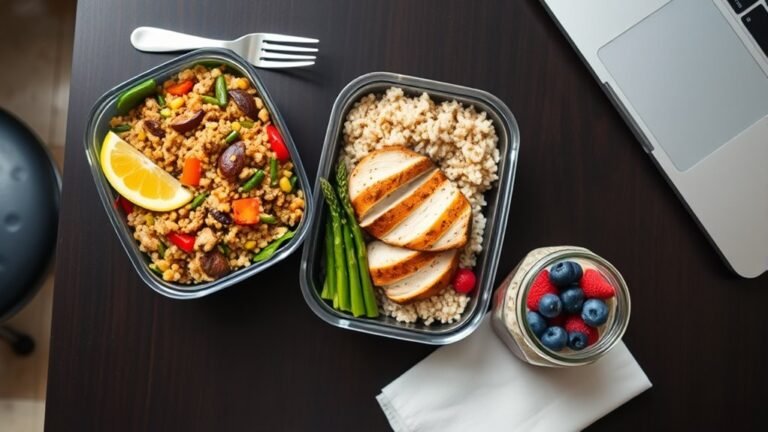
When it comes to ready-to-eat foods, the rules differ. If you’re buying packaged ready-to-eat meals, like pre-made sandwiches or salads, they almost always need nutrition labels. This helps you quickly understand calorie counts, fat content, and other nutrients.
However, if you grab a ready-to-eat item from a deli counter or bakery—like a slice of pizza or a fresh pastry—these often don’t require nutrition labels because they’re sold directly to consumers and prepared on-site.
Government Regulations Behind Nutrition Label Exemptions
Because the government sets specific guidelines, some foods don’t have to carry nutrition labels. These regulations help streamline labeling requirements while ensuring consumer safety.
When you pick up certain products, you might notice they’re exempt due to factors like packaging or product type. Here are key government rules behind these exemptions:
- Foods sold in very small packages (under 12 square inches)
- Fresh fruits and vegetables sold raw and unprocessed
- Foods prepared and sold in the same establishment, like bakery items
- Products containing negligible nutrients, such as coffee or spices
- Foods not packaged for retail sale, such as bulk items
Understanding these regulations helps you recognize why some foods don’t include nutrition facts despite being available for purchase.
How to Make Smart Choices Without Nutrition Labels
How can you make informed food choices when nutrition labels aren’t available? Start by focusing on whole, minimally processed foods like fresh fruits, vegetables, and lean proteins. These options naturally provide essential nutrients without hidden additives.
Pay attention to ingredient lists when available, and choose items with familiar, simple ingredients. You can also rely on trusted sources or apps that offer nutrition information for many unlabeled foods.
When eating out, ask for nutrition details or opt for dishes with clearly identifiable components.
Finally, listen to your body’s hunger and fullness cues to avoid overeating. By staying mindful and choosing nutrient-dense foods, you can maintain a balanced diet even without nutrition labels guiding your decisions.
Frequently Asked Questions
Are Beverages Like Water Required to Have Nutrition Labels?
No, plain water usually doesn’t need nutrition labels because it has no calories or nutrients to list. However, flavored or enhanced waters often require labels since they contain added ingredients you should know about.
Do Homemade Foods Need Nutrition Labels?
You don’t need nutrition labels on homemade foods since they’re not sold commercially. But if you plan to sell them, labeling requirements might apply depending on local regulations. Always check your area’s specific rules first.
How Do Nutrition Labels Differ Internationally?
You’ll notice nutrition labels vary internationally by format, nutrients highlighted, and measurement units. Some countries use color codes or front-of-pack symbols, while others focus on detailed ingredient lists or daily value percentages to guide your choices.
Are Dietary Supplements Required to Have Nutrition Labels?
No, dietary supplements aren’t required to have nutrition labels like packaged foods. Instead, they use Supplement Facts labels, which show ingredient amounts and serving sizes, helping you understand what you’re taking without traditional nutrition facts.
Can Restaurants Provide Nutrition Information Voluntarily?
Yes, restaurants can provide nutrition information voluntarily. You’ll often find this info on menus or websites, helping you make healthier choices. They’re not always required to, but many do it to be transparent and customer-friendly.
Conclusion
You don’t always need nutrition labels to make healthy choices. Fresh fruits, vegetables, small packages, bakery, deli items, and some raw meats often don’t require them. Knowing these exemptions helps you understand why labels might be missing. Instead, focus on ingredient quality, portion size, and freshness. By staying informed about regulations and trusting your instincts, you can confidently pick nutritious foods, even when nutrition facts aren’t right there on the package.