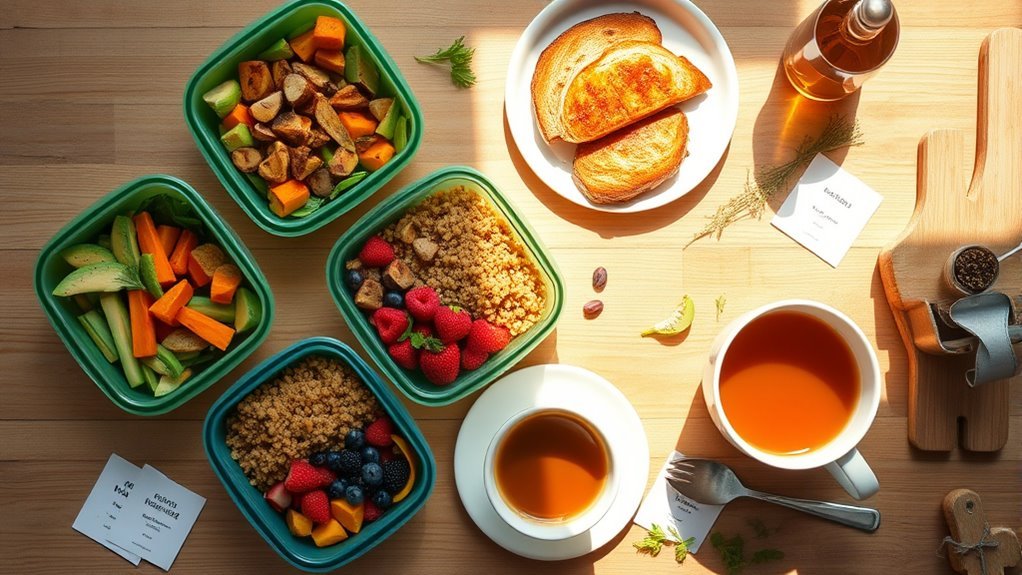
7 Day Meal Plan for Seniors With Nutritious Recipes
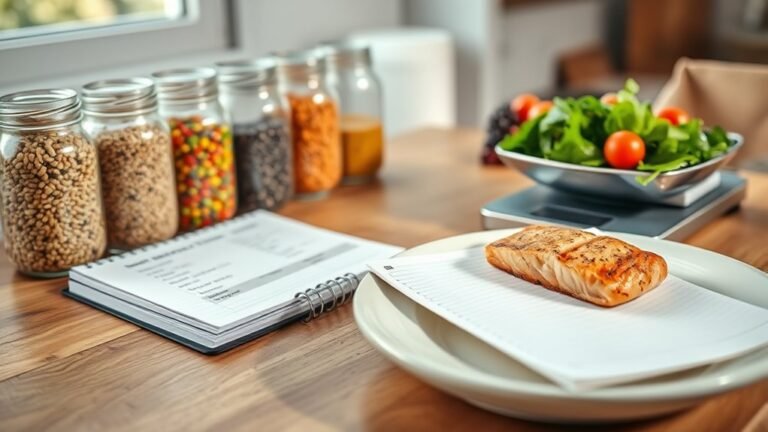
You can create a balanced 7-day meal plan for seniors by including at least three essential food groups daily: grains, fruits, vegetables, protein, and dairy.
Focus on nutrient-dense options like omega-3s, calcium, and fiber.
Plan easy, heart-healthy meals with lean proteins, whole grains, and plenty of vegetables.
Keep portions moderate and meals flavorful.
Don’t forget hydration and smart snacks to support energy and manage health conditions.
Exploring this approach will help you build variety and nourishment with ease.
How to Plan Balanced Meals That Meet Seniors’ Nutritional Needs
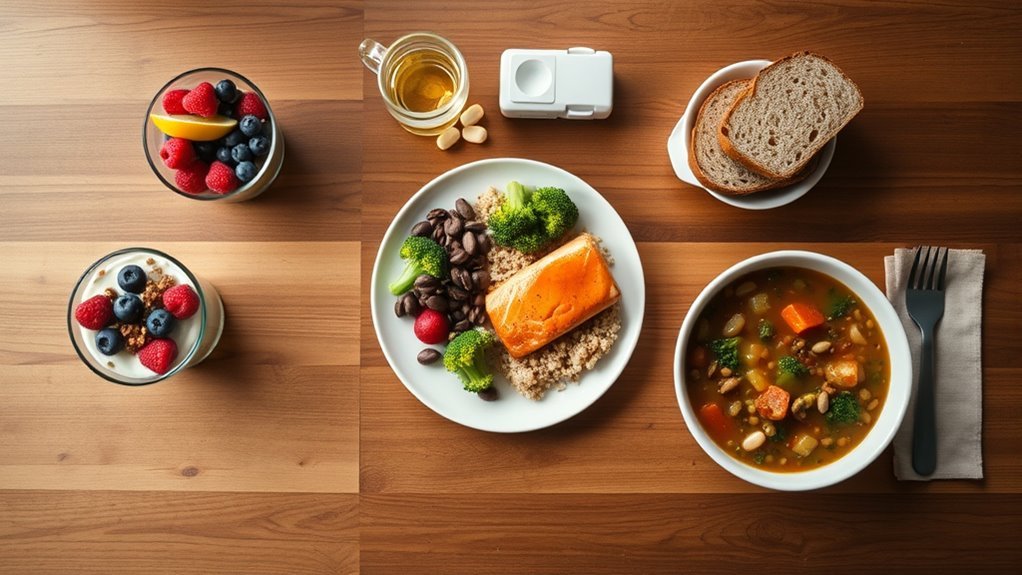
When planning balanced meals for seniors, you need to include at least three of the five essential food groups: grains, fruits, vegetables, protein, and dairy. This helps cover all nutritional bases.
Meeting seniors’ nutritional needs means focusing on nutrient-dense foods rich in vitamins D, calcium, omega-3 fatty acids, and fiber. These nutrients support bone health, cognitive function, and digestion.
Effective meal planning includes portion control and meal timing to prevent overeating and manage chronic conditions like hypertension and diabetes. You can use simple cooking methods such as steaming, baking, or sautéing to preserve nutrients and make meals easier to digest.
Including a variety of colorful foods ensures seniors receive a broad spectrum of antioxidants, vitamins, and minerals vital for overall health. By combining these strategies, you create balanced meals that not only nourish but also cater to seniors’ specific dietary requirements, making meal planning both practical and health-focused.
Tips for Building a Weekly Meal Schedule With Variety
You’ll want to mix different food groups each week to keep your meals balanced and interesting. It’s a good idea to schedule varied portions so you get all the nutrients you need without falling into the trap of repeating the same dishes over and over.
Using a meal planner can really help with this. It makes organizing your meals easier and lets you enjoy a diverse menu every single day. Plus, it takes away some of the stress when you know exactly what’s on the plan!
Meal Variety Importance
Although planning meals for a week might seem repetitive, mixing up food groups and colors guarantees you get a wide range of nutrients and keeps meals exciting. Embracing meal variety guarantees healthy eating by including different protein sources, fruits, vegetables, and cooking methods.
This approach not only supports nutrition but also enhances flavor diversity, preventing boredom. Using nutritious recipes that alternate textures and spices encourages consistent enjoyment and digestion.
Here’s a quick guide to meal variety:
| Food Groups | Flavor Diversity |
|---|---|
| Fish, poultry, beans | Spices, herbs |
| Fresh, frozen veggies | Crunchy, creamy |
| Seasonal fruits | Roasting, steaming |
Scheduling Balanced Portions
To build a balanced weekly meal schedule, focus on incorporating a variety of food groups and appropriate portion sizes that meet seniors’ nutritional needs. Effective meal scheduling ensures consistent nutrient intake and prevents overeating through portion control.
Keep these tips in mind:
Include fruits, vegetables, lean proteins, and whole grains in every meal. Plan serving sizes based on dietary guidelines, aiming for five daily servings of fruits and vegetables.
Alternate between hearty, moderate, and lighter balanced meals to maintain energy and avoid meal fatigue. Use visual aids like plate diagrams or portion control containers to manage serving sizes accurately.
Schedule meals at regular times daily to support digestion and metabolic health.
Incorporate Heart-Healthy, High-Fiber Foods for Seniors
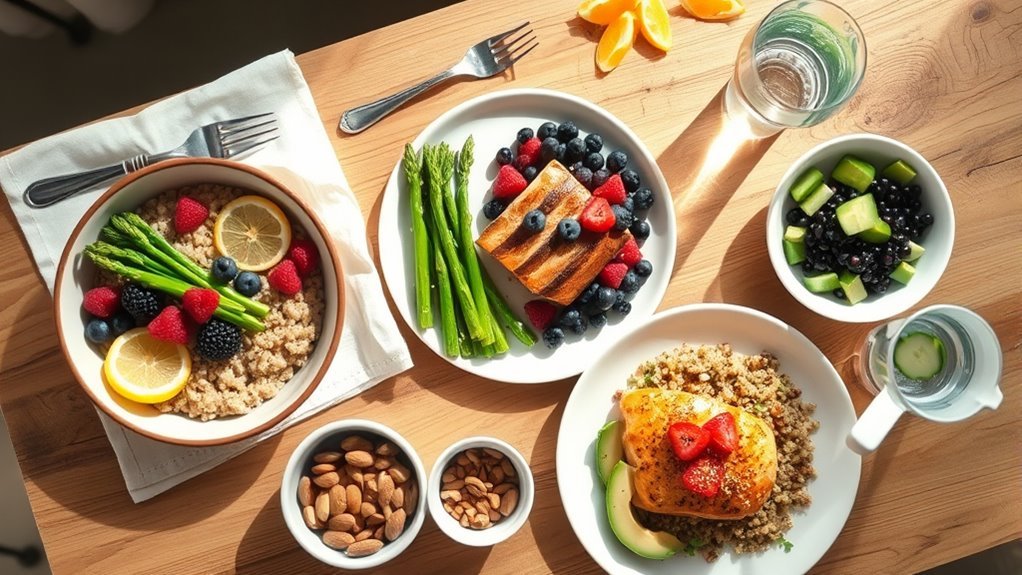
When you include heart-healthy, high-fiber foods like oats, beans, and whole grains in your meals, you actively lower your LDL cholesterol and support better cardiovascular health.
As a senior, aiming for 25-30 grams of fiber daily from fruits, vegetables, and whole foods helps regulate blood pressure and maintain healthy blood sugar levels.
Soluble fiber-rich options such as oats and apples improve arterial function, directly benefiting your heart. Pairing these fiber sources with omega-3-rich fatty fish further enhances your heart protection.
By focusing on nutrient-dense, high-fiber foods in your nutritious recipes, you also support weight management and reduce inflammation, both essential for lasting heart health.
Incorporating these choices into your meal plan empowers you to take control of your cardiovascular well-being and enjoy meals that nourish your body effectively.
Prepare Easy Breakfasts for Seniors That Boost Energy
You can start your day strong by choosing breakfasts rich in protein, like eggs or yogurt. These keep your energy steady and your muscles healthy.
Quick meals, such as oatmeal topped with fruits or whole-grain toast with nut butter, make it easy to get the nutrients you need without much effort.
These simple options help you stay energized and ready for whatever the day brings.
Energy-Boosting Breakfast Foods
Although mornings can feel rushed, choosing energy-boosting breakfasts can keep you energized throughout the day. For seniors, a nutritious breakfast balances complex carbs, protein, and healthy fats to maintain steady energy. Whole grains and fiber-rich foods stabilize blood sugar, while antioxidants support overall well-being.
Try including these in your energy-boosting breakfast:
- Oatmeal topped with fresh berries and nuts
- Whole grain toast with almond or peanut butter
- Greek yogurt mixed with seeds and sliced banana
- Smoothies with kefir, spinach, and fruit
- Chia pudding made with milk and a drizzle of honey
These quick, nutrient-dense recipes provide lasting energy and support digestion, making your mornings both healthy and manageable.
Quick Nutritious Meal Ideas
Since mornings often demand quick decisions, having easy, nutritious breakfast options ready can help you start your day energized without stress. You can whip up healthy meals that are quick to prepare, like a fruit salad paired with whole grain toast topped with nut butter. This combo offers essential nutrition from complex carbs, healthy fats, and vitamins.
Preparing overnight oats with milk and fresh fruit the night before is another excellent choice. It’s fiber-rich and supports digestion. Smoothies blending bananas, spinach, and kefir deliver essential vitamins and probiotics in minutes.
For a simple, protein-packed option, hard-boiled eggs with a side of fruit provide muscle support and sustained energy. These quick nutritious meal ideas fit perfectly into your morning routine, fueling you efficiently for the day ahead.
Protein-Rich Morning Options
When mornings call for a quick yet nourishing start, protein-rich breakfasts like scrambled eggs, Greek yogurt, or nut butter toast can boost your energy and help maintain muscle mass. For seniors, these nutritious options not only support muscle health but also keep you full longer, reducing unhealthy snacking.
Plus, they help stabilize blood sugar, which is essential if you manage diabetes. Try these simple ideas to power your day:
- Egg muffins packed with veggies
- Greek yogurt parfait with fresh fruit and nuts
- Nut butter toast topped with chia seeds
- Smoked salmon on whole-grain bread
- Smoothies with protein powder and omega-3 rich flaxseeds
Choosing protein-rich breakfast options ensures you start each day energized and nourished.
Choose Hearty and Nutritious Lunch Options for Seniors
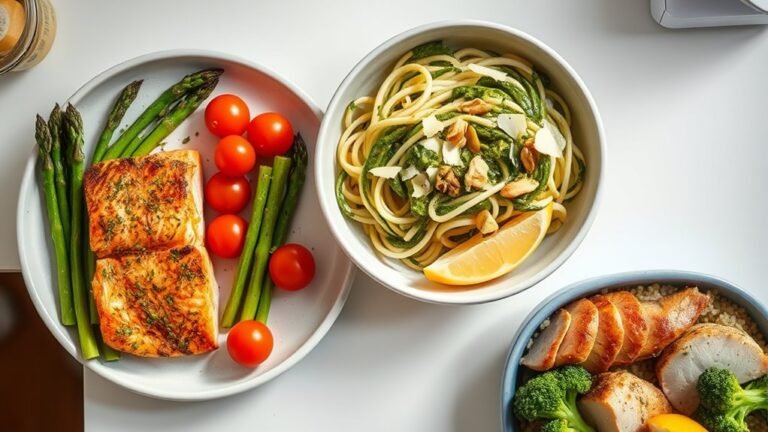
To keep your lunch both hearty and nutritious, focus on combining lean proteins, whole grains, and plenty of fruits and vegetables. These healthy lunch options help you maintain a balanced diet that supports overall health.
Choose easy-to-digest meals like soups, salads, or wraps, especially if chewing or digestion is a concern. Including heart-healthy ingredients such as fish, beans, and leafy greens in your nutritious recipes can help manage blood pressure and cholesterol levels.
Don’t forget calcium-rich foods like yogurt or cheese to keep your bones strong. Aim to prepare meals with minimal salt and added sugars to support conditions like hypertension and diabetes.
Select Light and Satisfying Dinner Recipes for Seniors

Although dinner is often the day’s final meal, you don’t have to sacrifice nutrition or satisfaction to keep it light. Focusing on light dinner recipes with digestible ingredients supports better sleep and comfort, which is essential for senior nutrition.
A healthy meal plan should emphasize lean proteins, vegetables, and whole grains, prepared simply to preserve nutrients and ease digestion. Portion control is key to avoid discomfort and maintain cardiovascular health.
Consider these tips for selecting satisfying dinners:
- Choose steamed fish or baked chicken for lean protein
- Incorporate vegetable stir-fries or quinoa salads for fiber and vitamins
- Opt for clear soups to keep calories low yet nourishing
- Use minimal added fats and sodium to support heart health
- Prepare meals with steaming, baking, or sautéing for nutrient retention
Add Smart Snacks and Stay Hydrated: Essential Tips for Seniors
Since maintaining energy and hydration is essential for your health, incorporating smart snacks and mindful fluid intake throughout the day can make a big difference. Aim to drink at least 8 cups of water daily to support proper hydration and prevent dehydration.
Besides water, include hydrating foods like cucumbers, watermelon, and oranges to naturally boost your fluid intake. Choose low-sugar, electrolyte-enhanced beverages to help replenish minerals lost through activity or illness.
Healthy snacks such as nuts, yogurt, and fresh fruit provide essential nutrients while supporting your energy levels and hydration. Pay attention to hydration tips like monitoring signs of dehydration, like dry mouth or dizziness, and adjust your fluid intake accordingly.
Frequently Asked Questions
How Can Seniors Manage Dietary Restrictions When Following This Meal Plan?
You can manage dietary restrictions by incorporating dietary supplements tailored to your needs and following hydration strategies to stay well-hydrated.
Pay close attention to food allergy management by avoiding triggers and reading labels carefully. Adjust meal timing to suit your digestion and energy levels, and use texture modifications if you have chewing or swallowing difficulties.
These steps help guarantee you enjoy nutritious meals safely and comfortably every day.
What Are the Best Kitchen Tools for Seniors to Prepare These Recipes Safely?
When Joan, 72, switched to ergonomic utensils and adaptive gadgets, her kitchen safety improved dramatically. You should use ergonomic utensils to reduce strain, non-slip mats to prevent falls, and easy-clean appliances to simplify cleanup.
Adaptive gadgets like jar openers or automatic can openers can help you maintain independence. These tools make cooking safer and more enjoyable, letting you focus on preparing nutritious meals without worry.
How Should Meal Portions Be Adjusted for Seniors With Reduced Appetites?
You should reduce portion sizes to match your decreased appetite, focusing on nutrient-dense foods that stimulate appetite. Eating smaller, more frequent meals can help you consume enough calories without feeling overwhelmed.
Incorporate healthy snack options like nuts or yogurt between meals. Don’t forget hydration tips. Drink water or herbal teas regularly to stay hydrated.
This approach balances your needs, making eating manageable and enjoyable while ensuring proper nutrition throughout the day.
Can These Recipes Be Adapted for Seniors With Swallowing Difficulties?
Can you imagine turning a hearty stew into a smooth, safe meal? Yes, you can adapt these recipes for seniors with swallowing difficulties by focusing on texture modification and swallowing safety.
Use puree options and thickening agents to create soft foods that are easier to swallow without compromising nutrition. You’ll want to adjust textures thoughtfully, ensuring every bite feels comfortable and nourishing for them while maintaining flavor and appeal.
What Are Recommended Storage Tips for Meal Prepping in Advance?
When meal prepping, focus on food storage by using airtight containers to maintain ingredient freshness. Choose BPA-free, stackable containers for easy organization.
Follow refrigeration guidelines by storing meals within two hours of cooking and consuming them within 3-4 days. Label containers with dates to track freshness.
Meal prep tips include cooling food before refrigerating and freezing portions you won’t eat soon. These steps help keep your meals safe and tasty throughout the week.
Conclusion
You’ve got the tools to make every meal count, so don’t let it be a hard nut to crack. By planning balanced, heart-healthy meals with plenty of variety, you’ll keep your energy up and feel your best.
Remember to include smart snacks and stay hydrated throughout the day. With these simple steps, you’ll be well on your way to enjoying nutritious meals that support your health and happiness every single day.