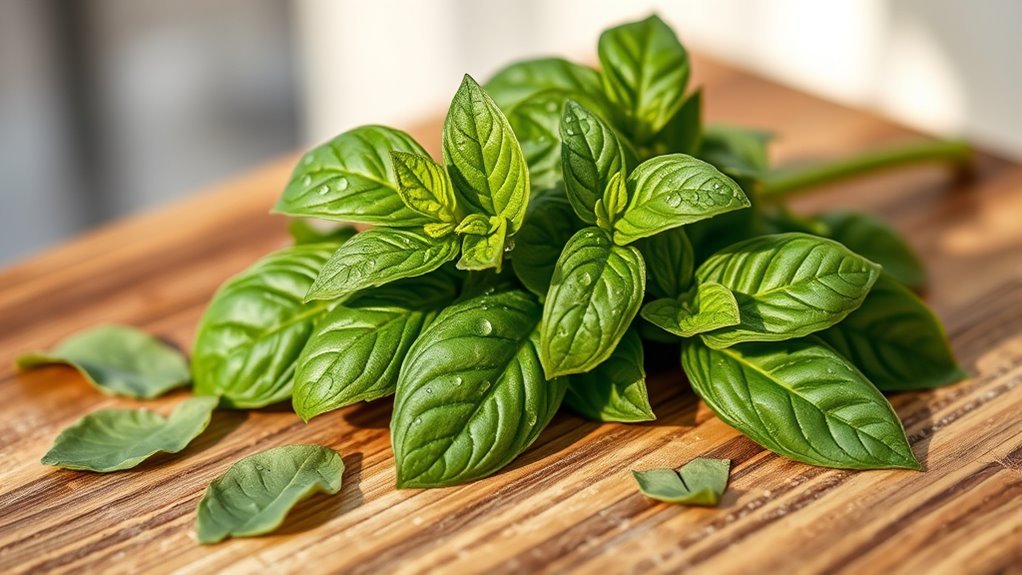
7 Key Nutritional Values of Basil You Should Know
You get powerful vitamin K from basil, key for blood clotting and bone health.
It also contains essential minerals like calcium, magnesium, and iron that support your heart, nerves, and energy.
Basil’s antioxidants and anti-inflammatory compounds protect your cells and help regulate blood sugar.
Plus, eugenol in basil promotes healthy blood pressure and circulation.
Fresh basil offers more nutrients than dried, making it your best choice for boosting overall wellness.
Keep exploring to uncover all its benefits.
Why Basil Is a Nutrient-Rich Herb
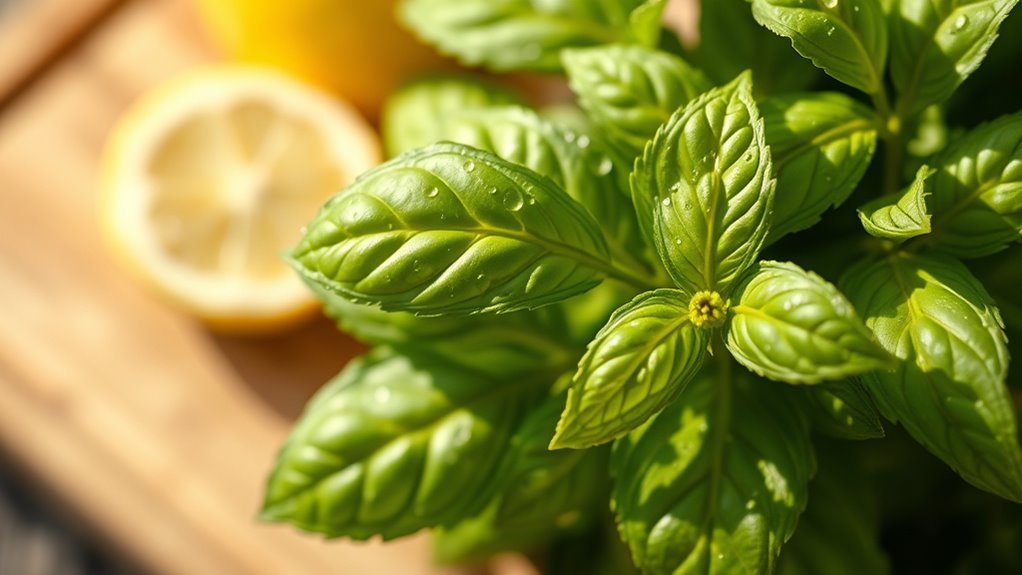
Although often used as a simple garnish, basil packs a powerful nutritional punch. When you add just two tablespoons of fresh basil to your meal, you’re getting nearly 100% of your daily vitamin K needs, which is essential for blood clotting and bone health.
Just two tablespoons of fresh basil provide nearly all your daily vitamin K for healthy bones and blood.
Beyond vitamin K, basil is loaded with antioxidants like lutein, zeaxanthin, and beta-carotene that help protect your cells from oxidative stress and inflammation. These antioxidants support your body’s natural defenses, keeping you healthier over time.
Plus, basil supplies essential minerals such as iron, calcium, and magnesium in small but valuable amounts. These minerals contribute to overall well-being by supporting functions like oxygen transport, bone strength, and muscle function.
Despite all these benefits, basil remains incredibly low in calories, so you can enjoy its rich nutrition without worrying about your calorie intake. Adding basil to your diet is a smart way to boost nutrition effortlessly.
The Power of Vitamin K in Basil
You get about 22% of your daily vitamin K from just two tablespoons of basil. This vitamin is great because it supports healthy blood clotting and keeps your bones strong. Plus, it helps protect your blood vessels, which is good news for your heart and overall cardiovascular health.
Just a quick heads-up: if you’re taking blood thinners, you’ll want to be careful. The vitamin K in basil can interfere with how those medications work. So, it’s a good idea to chat with your doctor about it.
Vitamin K Health Benefits
Since basil contains a significant amount of vitamin K, about 22 micrograms per two tablespoons, covering roughly 22% of your daily needs, it plays an essential role in maintaining your health. Vitamin K is crucial for blood clotting, helping your body prevent excessive bleeding when you get injured.
Including basil in your diet regularly supports bone health by assisting calcium regulation and promoting bone mineralization, which strengthens your bones over time. By consuming basil, you’re not only enhancing these critical bodily functions but also taking advantage of a natural source of this important nutrient.
Just remember, if you’re on blood-thinning medications, check with your healthcare provider before increasing basil to avoid interactions with vitamin K’s effects on clotting.
Basil’s Role In Blood
Vitamin K in basil does more than support bone health. It plays a vital role in your blood’s ability to clot properly. Just a 2-tablespoon serving of fresh basil gives you about 22 micrograms of vitamin K, covering roughly 22% of your daily needs.
This vitamin activates proteins essential for blood clotting, helping prevent excessive bleeding and supporting overall blood health. Including basil regularly in your meals can boost your body’s natural clotting process and contribute to cardiovascular wellness.
However, if you’re on blood-thinning medications, you’ll want to keep an eye on your basil intake since high vitamin K levels can interfere with these drugs. Adding basil is a simple, tasty way to promote healthy blood function through its powerful vitamin K content.
Daily Intake Recommendations
Although basil may seem like a simple herb, incorporating just a 2-tablespoon serving into your meals can provide about 22% of your daily vitamin K needs. This makes basil a powerful ally in supporting healthy blood clotting and bone health.
To maximize the benefits of vitamin K, pair basil with healthy fats like olive oil, which enhances its absorption. Consistent consumption of basil helps you maintain steady vitamin K levels, which is essential if you’re managing blood clotting disorders or osteoporosis.
However, if you’re on blood-thinning medications, monitor your basil intake carefully to avoid interfering with your treatment. By understanding daily intake recommendations, you can use basil effectively to boost your vitamin K consumption and promote overall wellness.
Key Minerals You Get From Basil
Basil is packed with essential minerals like calcium, magnesium, and iron that support your bones, muscles, and blood health. Just a small serving can give you a good boost of iron to keep your energy up and magnesium to help regulate blood pressure and nerve function.
On top of that, minerals like zinc and manganese play a big role in strengthening your immune system and fighting off oxidative stress. So, adding basil to your meals isn’t just tasty—it’s a smart way to give your body some extra support.
Essential Mineral Content
While often celebrated for its flavor, basil also delivers key minerals like calcium, magnesium, and iron that support your bone health, muscle function, and oxygen transport. These essential minerals work together to keep your teeth strong and maintain healthy bones.
The magnesium in basil plays a crucial role in regulating your blood pressure and supporting nerve function. Whether you use fresh or dried basil, you tap into a valuable source of minerals, with dried basil offering higher concentrations per weight.
Moreover, basil provides small amounts of potassium and manganese, further enhancing its mineral profile. Including basil in your diet is an easy way to benefit from these important minerals without adding extra calories or bulk to your meals.
Health Benefits Of Minerals
Building on basil’s rich mineral content, these nutrients offer a range of health benefits that support your body’s essential functions. Magnesium in basil helps relax your blood vessels, promoting healthy blood pressure levels.
Calcium contributes to strong bones and ensures your nerves function properly, keeping your body resilient. Potassium plays a key role in regulating fluid balance, which helps reduce hypertension and supports heart health.
Furthermore, basil’s iron content aids in oxygen transport, preventing anemia and boosting your energy levels. Together, these minerals make basil a powerful herb that not only adds flavor but also strengthens your cardiovascular system, bones, and overall well-being.
Including basil in your diet can be a simple way to benefit from these essential minerals every day.
Antioxidants in Basil That Protect Your Cells
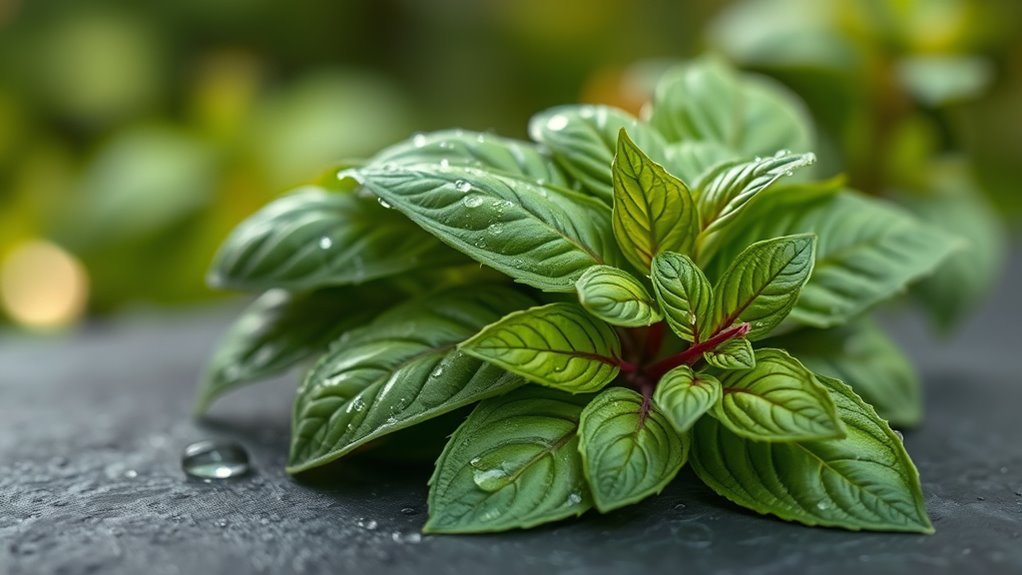
Because basil contains powerful antioxidants like lutein, zeaxanthin, beta-carotene, and beta-cryptoxanthin, it plays a crucial role in neutralizing harmful free radicals in your body. These free radicals can cause oxidative stress, damaging your cells and increasing the risk of chronic diseases. Basil’s antioxidants work tirelessly to protect your DNA and cellular structures, promoting healthier aging.
Here’s how basil’s antioxidants support your health:
- Rosmarinic acid in basil reduces oxidative stress, shielding your cells from damage.
- Essential oils such as eugenol and limonene add extra antioxidant power to combat free radicals.
- Regular basil intake may lower your risk of illnesses linked to oxidative damage, like cancer and cardiovascular disease.
How Basil Supports Blood Sugar and Reduces Inflammation
Beyond its antioxidant benefits, basil also plays a significant role in supporting your blood sugar levels and reducing inflammation. Basil contains compounds like eugenol and flavonoids with strong anti-inflammatory properties that help lower inflammation throughout your body.
Studies show basil extract can reduce blood sugar levels, which is vital for managing inflammation linked to diabetes. The antioxidants in basil, including rosmarinic acid, fight oxidative stress, a major contributor to chronic inflammation.
Holy basil, or Tulsi, further improves insulin sensitivity, reducing inflammation tied to metabolic disorders. By regularly consuming basil, you may also decrease the production of inflammatory markers such as cytokines and prostaglandins.
This combination of blood sugar regulation and anti-inflammatory effects makes basil a powerful natural aid in maintaining your overall health and managing conditions related to inflammation.
Basil’s Heart Health Benefits Explained
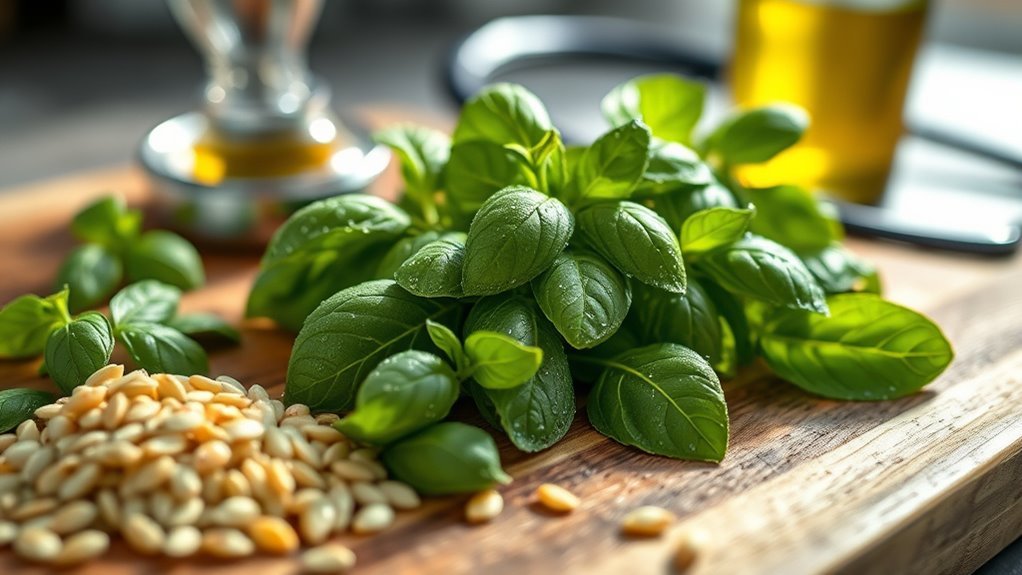
When you include basil in your diet, you tap into its natural ability to support heart health by relaxing blood vessels and lowering blood pressure, thanks to the compound eugenol. This effect helps reduce the strain on your cardiovascular system, promoting overall heart health.
Basil also supplies antioxidants like lutein and zeaxanthin, which fight oxidative stress, a key factor in heart disease development.
Here’s how basil supports your heart health:
- It helps lower blood pressure by relaxing blood vessels through eugenol’s action.
- Its antioxidants reduce oxidative damage to your arteries, keeping them healthy.
- Basil’s anti-inflammatory compounds improve blood flow and reduce risks of atherosclerosis.
Including fresh basil regularly in your meals can contribute to better circulation, lower cholesterol, and a healthier heart, making it an easy and tasty way to care for your cardiovascular system.
Fresh vs. Dried Basil: Which Has More Nutrients?
Although both fresh and dried basil add delightful flavor to your dishes, fresh basil packs more nutrients and active compounds. Fresh basil retains its essential oils better, preserving a richer profile of antioxidants and aromatic compounds that contribute to its health benefits.
Fresh basil offers more nutrients and essential oils, enhancing flavor and health benefits in your dishes.
You’ll notice that fresh basil has a higher vitamin K content compared to dried basil, which loses some nutrients during dehydration. While dried basil offers a more concentrated flavor, some nutrients and volatile oils degrade in the drying process.
When substituting dried basil for fresh, remember that you only need about one-third the amount because of its stronger taste. For maximum nutritional value, choosing fresh basil is your best bet.
It delivers more active compounds and crucial nutrients, enhancing both the flavor and health benefits of your meals. So, if you want the most from your basil, fresh basil definitely takes the lead over dried basil.
Frequently Asked Questions
Can Basil Be Safely Consumed During Pregnancy?
You can safely consume small amounts of basil during pregnancy, as culinary use generally poses no risk. However, pregnancy safety calls for nutritional precautions since some basil varieties have herbal complexities that might affect blood sugar or stimulate the uterus.
It’s best you avoid large doses or supplements without consulting your healthcare provider. Always prioritize professional advice to navigate these herbal intricacies and guarantee both your health and your baby’s well-being.
Does Basil Interact With Common Medications?
Yes, basil can interact with common medications due to its herb drug interactions and blood thinning potential. If you’re taking blood thinners like warfarin, basil’s high vitamin K content could affect your medication absorption effects and reduce its effectiveness.
Basil may also lower blood pressure and blood sugar, amplifying effects of related drugs. Always talk with your healthcare provider before increasing basil intake to avoid adverse reactions and guarantee safe medication management.
How Should Basil Be Stored for Maximum Freshness?
Imagine vibrant green basil leaves, crisp and full of life. To keep them that way, use smart storage techniques: trim the stems and place them in a glass of water like flowers.
Wrap the leaves loosely in a damp paper towel inside a plastic bag or airtight container. For freshness preservation, avoid direct sunlight and extreme temperatures. These ideal conditions will keep your basil flavorful and fresh much longer, ready for your next delicious dish.
Can Basil Essential Oil Be Used for Medicinal Purposes?
Yes, you can use basil essential oil for medicinal purposes, especially for its aromatherapy benefits like reducing stress and promoting relaxation. It has strong anti-inflammatory properties that may help ease discomfort.
Plus, basil oil offers skin health applications, but you should always dilute it properly to avoid irritation. While it shows promise for respiratory and antimicrobial support, make sure to consult a healthcare professional before relying on it for serious medical conditions.
Is There a Difference in Nutrient Content Between Basil Varieties?
You might think all basil plant varieties have the same nutrients, but basil cultivation influences subtle differences. When you do a basil nutritional comparison, you’ll find that most varieties share similar nutrient profiles.
However, holy basil packs more medicinal phytochemicals, and purple basil contains extra antioxidants like anthocyanins. So, yes, nutrient content varies slightly across basil varieties, but these differences are minor compared to their unique flavors and aromas.
Conclusion
Just like a tiny green guardian, basil packs a powerful punch of nutrients that shield your body daily. By adding it to your meals, you’re inviting a natural protector rich in vitamin K, minerals, and antioxidants to your plate.
Whether fresh or dried, basil’s benefits symbolize the harmony between flavor and health. It helps you nurture your heart, balance blood sugar, and fight inflammation.
Embrace this humble herb. Your body will thank you.