What Is the Purpose of Nutritional Yeast?
You use nutritional yeast to boost your meals’ flavor and nutrition effortlessly. It adds a savory, cheesy taste without dairy while supplying plant-based protein, essential B vitamins (including fortified B12), and important minerals. It’s low in fat and sodium, supports digestion, and helps fill nutritional gaps. Plus, it’s safe for most diets, including vegan and gluten-free. If you want to discover how it enhances both your health and cooking, keep exploring its benefits and uses.
What Is Nutritional Yeast and How Is It Made?
Although you might’ve heard of it as a trendy health food, nutritional yeast is actually a deactivated yeast that’s grown specifically to be a nutrient-rich supplement. It’s made from a strain of Saccharomyces cerevisiae, cultivated on a sugar-rich medium like molasses.
After fermentation, the yeast is harvested, washed, and heated to deactivate it, meaning it won’t cause any rising like baking yeast does. This process preserves its nutrients while making it safe to consume.
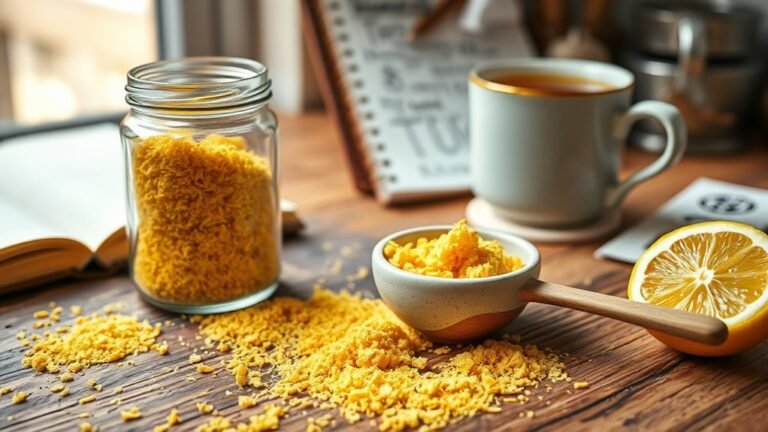
Once dried, it’s flaked or powdered for easy use in cooking. You’ll find it packed with protein, B vitamins, and minerals.
Because it’s inactive, you can store it without worrying about spoilage, making it a convenient and versatile addition to your pantry.
Why Does Nutritional Yeast Taste Cheesy?
Because nutritional yeast undergoes fermentation, it develops compounds that give it a naturally cheesy flavor. During this process, amino acids like glutamic acid form, which create that savory, umami taste you often associate with cheese.
You’ll also notice nutty and slightly tangy notes, thanks to the B vitamins and other nutrients produced. When you sprinkle nutritional yeast on your food, you’re fundamentally adding a burst of flavor that mimics cheese without any dairy.
This makes it a popular choice for vegans or anyone avoiding lactose. So, whenever you taste that rich, cheesy flavor, you’re experiencing the natural byproducts of fermentation combined with the yeast’s unique nutrient profile.
It’s a clever, plant-based way to enjoy cheesy goodness.
Key Benefits of Nutritional Yeast for Your Health
When you add nutritional yeast to your meals, you’re not just boosting flavor—you’re also enhancing your health. Nutritional yeast is packed with antioxidants that help protect your cells from damage and support your immune system.
It contains beneficial compounds that promote healthy digestion and may improve gut health. You’ll also find it’s a great source of protein, which supports muscle maintenance and repair.
Plus, nutritional yeast is naturally low in fat and sodium, making it a heart-friendly addition to your diet. It’s a versatile ingredient that can help you feel more energetic and support overall wellness.
Incorporating nutritional yeast regularly can be a simple yet powerful way to nourish your body.
Vitamins and Minerals in Nutritional Yeast
If you want to boost your nutrient intake, nutritional yeast offers an impressive array of vitamins and minerals that support your overall health. It’s especially rich in B vitamins, including B12, which is essential if you follow a plant-based diet. These vitamins help convert food into energy and maintain healthy skin, hair, and nails.
Nutritional yeast also supplies minerals like zinc, selenium, and magnesium, which play key roles in immune function, antioxidant defense, and muscle health. Plus, it contains chromium, which supports blood sugar regulation.
Adding nutritional yeast to your meals can fill nutrient gaps without extra calories or fat, making it a smart choice for maintaining balanced nutrition every day.
How Nutritional Yeast Boosts Protein Intake
How exactly does nutritional yeast help you increase your protein intake? Nutritional yeast is packed with complete protein, meaning it contains all nine essential amino acids your body needs.
By adding just a few tablespoons to your meals, you can considerably boost your protein consumption without relying on animal products. This makes it an excellent choice for vegetarians, vegans, or anyone looking to diversify their protein sources.
Plus, it’s low in fat and calories, so you get quality protein without extra bulk. Whether you sprinkle it on popcorn, stir it into soups, or blend it into sauces, nutritional yeast helps you meet your daily protein goals easily and deliciously.
It’s a simple, versatile way to enhance your diet’s protein content.
Does Nutritional Yeast Support Your Immune System?
Beyond boosting your protein intake, nutritional yeast also offers benefits that can strengthen your immune system. It contains beta-glucans, a type of fiber known to enhance immune response by activating white blood cells that fight infections. When you add nutritional yeast to your diet, you’re giving your body tools to better defend itself against pathogens.
Plus, it’s rich in antioxidants like glutathione, which help reduce oxidative stress and inflammation, both key factors in maintaining a healthy immune system. Regularly consuming nutritional yeast can support your body’s natural defenses, especially during cold and flu season.
Is Nutritional Yeast a Reliable B12 Source for Vegans?
Since vitamin B12 is essential for nerve function and red blood cell production, many vegans wonder if nutritional yeast can reliably meet their B12 needs.
While some brands of nutritional yeast are fortified with B12, not all contain this vitamin naturally. You’ll need to check the label to confirm the product has added B12.
Relying solely on unfortified nutritional yeast might leave you deficient, as natural sources of B12 are limited in plant-based foods.
Fortified nutritional yeast can be a convenient supplement, but it’s wise to combine it with other dependable sources like fortified plant milks or supplements.
Regularly monitoring your B12 status through blood tests helps you avoid deficiencies and maintain ideal health on a vegan diet.
How Nutritional Yeast Enhances Flavor in Your Meals
While ensuring you get enough B12 is important, nutritional yeast offers more than just nutritional benefits. It’s a powerful flavor enhancer that can transform your meals with a savory, cheesy note.
When you sprinkle nutritional yeast, you’ll notice how it:
- Adds a rich umami depth, making dishes taste heartier and more satisfying.
- Brings a subtle nuttiness that complements roasted veggies or popcorn perfectly.
- Imparts a mild cheesiness, great for those who want dairy-free alternatives with bold flavor.
How to Use Nutritional Yeast in Cooking and Recipes
If you want to boost flavor and nutrition effortlessly, nutritional yeast is incredibly versatile in the kitchen. Sprinkle it over popcorn or roasted vegetables for a cheesy kick.
You can stir it into soups, sauces, or mashed potatoes to add depth and creaminess without dairy. Incorporate it into salad dressings or pasta dishes for a savory edge.
Nutritional yeast also works well as a topping for avocado toast or mixed into scrambled eggs and tofu for extra umami.
When baking, you can blend it into dough or batter for a subtle, savory flavor. Since it dissolves easily, you can even blend it into smoothies or dips.
Just start with a small amount; its strong taste means a little goes a long way.
Debunking Common Myths About Nutritional Yeast
Although nutritional yeast has gained popularity for its flavor and health benefits, many misconceptions still surround it. You might hear that it’s just a fad or that it contains unhealthy additives, but these myths don’t hold up. Let’s clear things up:
- It’s not artificial or processed – Nutritional yeast is a natural, deactivated yeast grown specifically for food use, without preservatives or additives.
- It’s safe for everyone – Unless you have a specific allergy or yeast intolerance, it’s generally safe and helpful, even for vegans and those with gluten sensitivities.
- It doesn’t cause yeast infections – Since it’s deactivated, it won’t cause or worsen yeast infections in your body.
Understanding these facts helps you confidently include nutritional yeast in your diet.
Frequently Asked Questions
Can Nutritional Yeast Cause Allergic Reactions?
Yes, nutritional yeast can cause allergic reactions, especially if you’re sensitive to yeast or mold. You might experience itching, swelling, or digestive issues, so it’s best to start with small amounts and watch for any symptoms.
How Should Nutritional Yeast Be Stored for Freshness?
You should store nutritional yeast in an airtight container, kept in a cool, dry place away from heat and sunlight. Refrigerating it helps maintain freshness and prevents clumping, ensuring it stays flavorful and nutritious longer.
Is Nutritional Yeast Safe for People With Gluten Intolerance?
Yes, nutritional yeast is safe for people with gluten intolerance since it’s naturally gluten-free. Just make sure to check the packaging for any cross-contamination warnings to avoid hidden gluten, especially if you’re highly sensitive.
Can Children Consume Nutritional Yeast Regularly?
Yes, children can consume nutritional yeast regularly in moderation. It’s packed with vitamins and protein that support growth, but you should introduce it gradually and watch for any allergies or sensitivities before making it a daily staple.
Does Nutritional Yeast Have Any Side Effects With Medications?
Yes, nutritional yeast can interact with certain medications like MAO inhibitors and blood thinners. You should check with your doctor before adding it to your diet if you’re on medication to avoid any side effects or interactions.
Conclusion
Nutritional yeast is a versatile, nutrient-packed ingredient that can easily boost your meals with a cheesy flavor and essential vitamins, especially B12 if you’re vegan. It’s a great way to add protein and important minerals to your diet while enhancing taste without extra calories. Whether you sprinkle it on popcorn or blend it into sauces, nutritional yeast offers both health benefits and delicious flavor, making it a smart, tasty addition to your kitchen.