5 Key Nutritional Facts About Canned Peas
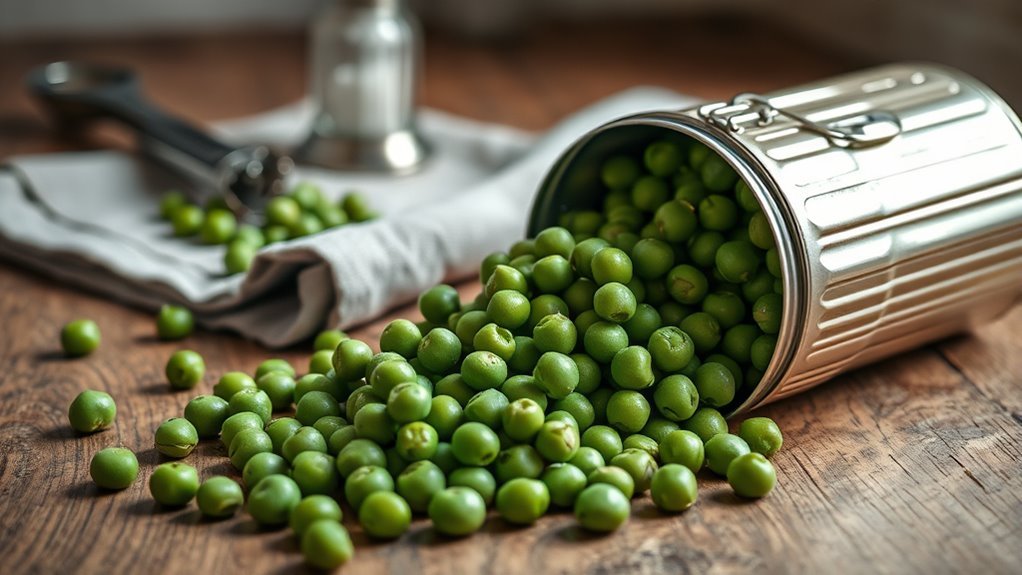
You get about 4 grams of plant-based protein and fiber per half-cup serving of canned peas, helping support muscle and digestion.
Their low glycemic index helps keep your blood sugar steady, while potassium and fiber work together to promote heart health and lower blood pressure.
Packed with antioxidants and phytochemicals, canned peas also fight inflammation and reduce cancer risk.
Keep exploring to uncover how these benefits fit into your daily nutrition.
Why Canned Peas Are a Great Plant-Based Protein Source
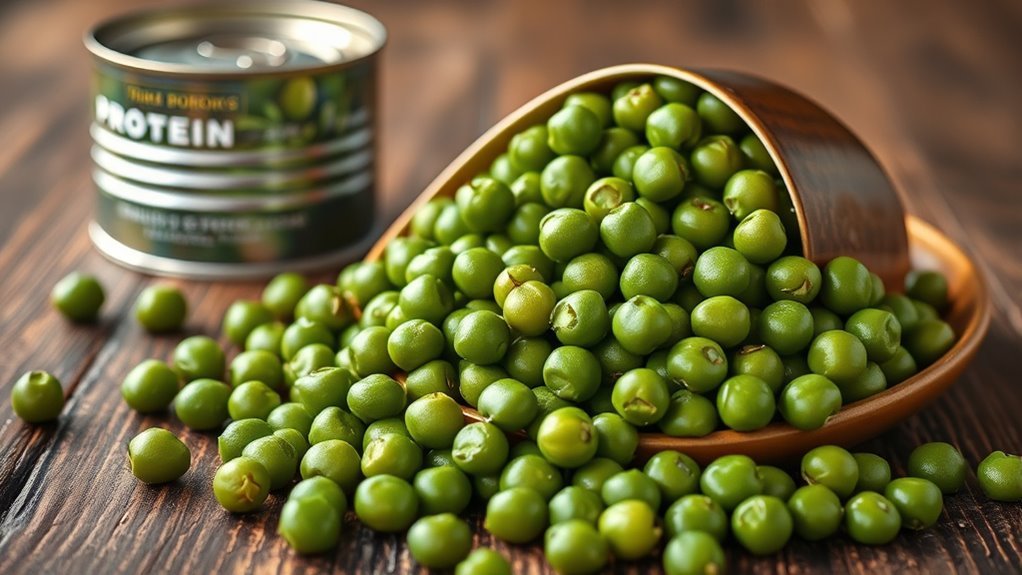
Although you might not immediately think of canned peas as a protein powerhouse, they actually deliver about 4 grams of plant-based protein per half-cup serving. This makes them a solid dietary source for anyone following a vegetarian or vegan lifestyle.
Canned peas provide a surprising 4 grams of plant-based protein per half-cup, perfect for vegetarians and vegans.
Beyond protein, canned peas offer a well-rounded nutritional profile, including nonheme iron, which supports oxygen transport and helps meet iron needs common in plant-based diets. Their protein is complemented by a balanced amino acid profile, allowing you to use canned peas as a complementary protein source in meals.
Plus, their fiber and essential nutrients enhance their value as a nutritious alternative to animal proteins. Convenient and shelf-stable, canned peas are easy to add to your meals, helping you boost your plant-based protein intake without hassle.
If you’re looking to diversify your protein sources while maintaining a wholesome diet, canned peas fit the bill perfectly.
How Fiber in Canned Peas Supports Digestion and Gut Health
Beyond protein, canned peas pack a solid amount of dietary fiber, about 4 grams per half-cup serving, that plays an essential role in keeping your digestive system running smoothly. The insoluble fiber in canned peas adds bulk to your stool, promoting regular bowel movements and preventing constipation by supporting gut motility.
Meanwhile, the soluble fiber nourishes beneficial gut microbiota, enhancing your gut health and boosting your immune function. This balance of fibers helps reduce the risk of digestive disorders like diverticulitis and inflammatory bowel disease.
By including canned peas in your diet, you’re feeding the good bacteria in your gut, which supports efficient digestion and overall well-being. These fibers work together to maintain a healthy digestive tract, ensuring you feel comfortable and energized.
How Canned Peas Help Stabilize Blood Sugar Levels
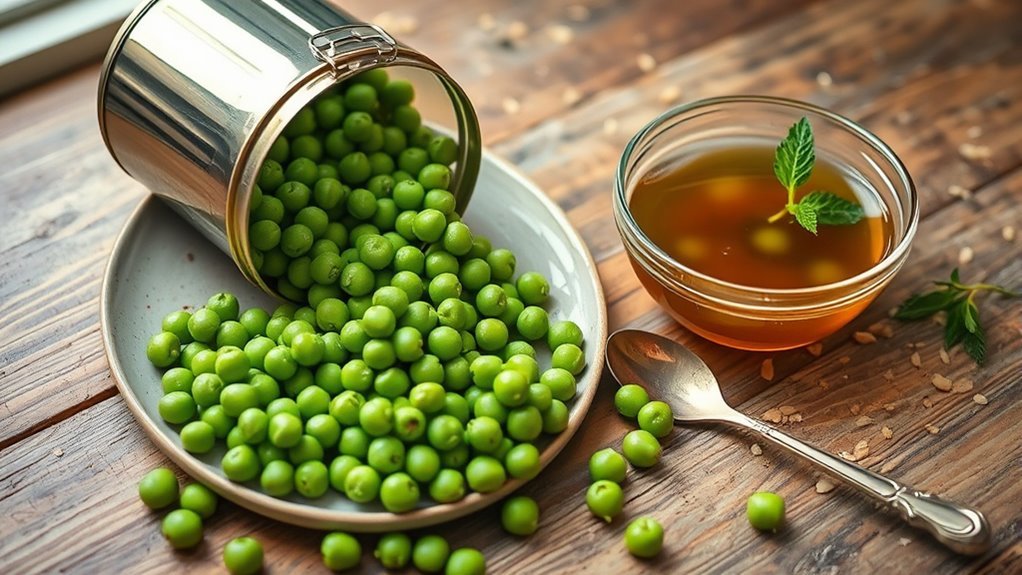
When you include canned peas in your meals, you help keep your blood sugar levels steady thanks to their low glycemic index and high fiber content. Their low glycemic index means canned peas cause a gradual rise in blood glucose rather than a sharp spike.
The fiber in canned peas slows carbohydrate absorption, which further stabilizes your blood sugar after eating. Plus, the protein content supports metabolic regulation and helps you feel full, reducing the risk of blood sugar spikes.
Eating canned peas regularly can also improve your insulin sensitivity, making it easier for your body to manage blood sugar effectively. With about 16 grams of balanced carbohydrates per serving, canned peas prevent rapid increases in blood glucose, offering you sustained energy.
Incorporating canned peas into your diet is a smart way to support blood sugar control naturally and promote overall metabolic health.
How Canned Peas Promote Heart Health and Lower Blood Pressure
Since maintaining heart health is essential, adding canned peas to your diet can make a real difference. These little legumes are packed with nutrients that support cardiovascular wellness and help regulate blood pressure. Here’s how canned peas promote heart health and lower blood pressure:
Adding canned peas boosts heart health and helps regulate blood pressure with essential nutrients.
- Potassium Power: Each serving provides 130mg of potassium, which helps balance sodium levels and keeps your blood pressure in check.
- Dietary Fiber Boost: With 4g of fiber per serving, canned peas reduce cholesterol, easing strain on your heart and improving overall cardiovascular function.
- Antioxidant and Protein Support: The antioxidants and plant-based protein in peas reduce inflammation and protect heart tissues from damage.
Low in saturated fat and cholesterol, canned peas fit perfectly into a heart-friendly diet. By regularly including them in your meals, you’re actively supporting healthy blood pressure and strengthening your cardiovascular system naturally.
Cancer-Fighting Antioxidants Found in Canned Peas
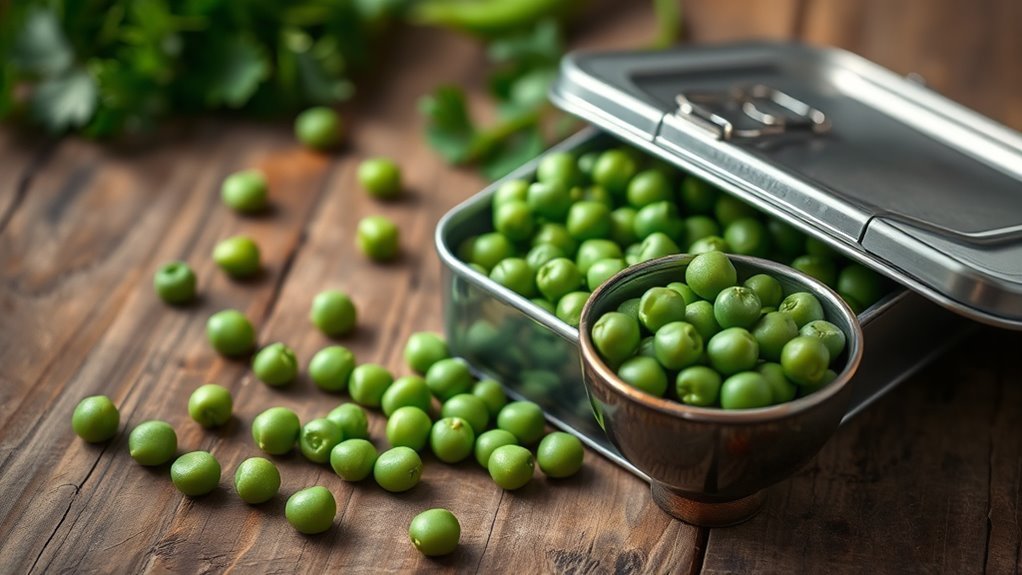
Along with supporting heart health, canned peas offer powerful antioxidants that help protect your body from cancer. These antioxidants include polyphenol compounds such as flavonols and carotenoids, which work to reduce oxidative damage in your cells. By lowering inflammation, they contribute to a decreased risk of chronic diseases, including cancer.
The phenolic compounds in canned peas play an essential role in neutralizing free radicals that can otherwise harm your DNA.
You’ll also benefit from vitamin C, a potent antioxidant that boosts your immune system and further aids in cancer prevention. Furthermore, phytochemicals like saponins and lectins found in canned peas help inhibit tumor growth and protect cells from carcinogenic damage.
Frequently Asked Questions
Are Canned Peas as Nutritious as Fresh or Frozen Peas?
Yes, canned peas are nearly as nutritious as fresh or frozen ones. When you compare their nutritional profile, you’ll find similar fiber content, mineral levels, protein quality, and antioxidant presence.
Vitamin retention, especially vitamin C, may drop a bit during canning, and there are minor carbohydrate differences. If you rinse canned peas well, you’ll reduce sodium and enjoy a healthy, convenient option that closely matches the benefits of fresh or frozen peas.
How Long Do Canned Peas Last After Opening?
Think of your opened canned peas as a delicate treasure chest. Once unsealed, its value fades with time. You’ve got about 3 to 4 days of refrigerator lifespan before spoilage signs like off smells or slimy textures appear.
Always check the expiration date and transfer peas to airtight containers to maintain packaging integrity. Use preservation methods like freezing for longer life. Quality indicators guide you—if anything seems off, it’s time to let them go.
Do Canned Peas Contain Added Sugars or Preservatives?
Yes, canned peas contain added sugars to enhance flavor, so you’ll notice a small sugar content beyond natural sugars. They don’t include artificial sweeteners or preservatives, making them a preservative-free variety.
If you want to avoid added flavors from sugar, look for sugar-free options or brands that only use natural sugars. Understanding preservative types helps you choose cleaner, more natural products without unnecessary additives.
Can Canned Peas Be Used in Low-Sodium Diets?
Like a detective sifting clues, you can manage canned peas in low-sodium diets by checking nutritional labels for sodium content. With dietary restrictions in mind, rinse them thoroughly to reduce salt and use flavor enhancement techniques like herbs and spices instead of salt.
Cooking methods that avoid added salt help maintain health benefits. By following dietary guidelines and selecting low-sodium options, you’ll enjoy canned peas without compromising your diet.
What Is the Best Way to Store Opened Canned Peas?
The best way to store opened canned peas is to transfer them into clean, airtight storage containers. Use glass or BPA-free plastic to maintain shelf stability. Refrigerate them promptly to guarantee maximum freshness.
Control moisture by keeping peas submerged in their liquid or fresh water. Watch for spoilage signs like off smells. Organize your pantry and fridge to prevent temperature fluctuations.
Consume peas within 3 to 4 days for the best quality.
Conclusion
Just like a sturdy green vine supports a flourishing garden, canned peas can support your health every day. They offer more than just convenience; they’re a symbol of nourishment and balance, packed with protein, fiber, and antioxidants that keep your body thriving.
By adding canned peas to your meals, you’re planting seeds of wellness that grow stronger with each bite, helping you cultivate a healthier, happier you.