

What Are Non-Nutritive Sweeteners and How to Use Them
Non-nutritive sweeteners give you intense sweetness without added calories, helping you cut sugar and manage blood sugar levels. They work by activating your tongue’s sweet receptors but won’t spike your blood sugar like regular sugar.
You can choose from natural options like stevia or synthetic ones like sucralose, some of which are great for cooking.
Using them wisely can support weight and dental health.
Keep exploring to understand their benefits and best uses.
What Are Non-Nutritive Sweeteners and How They Work
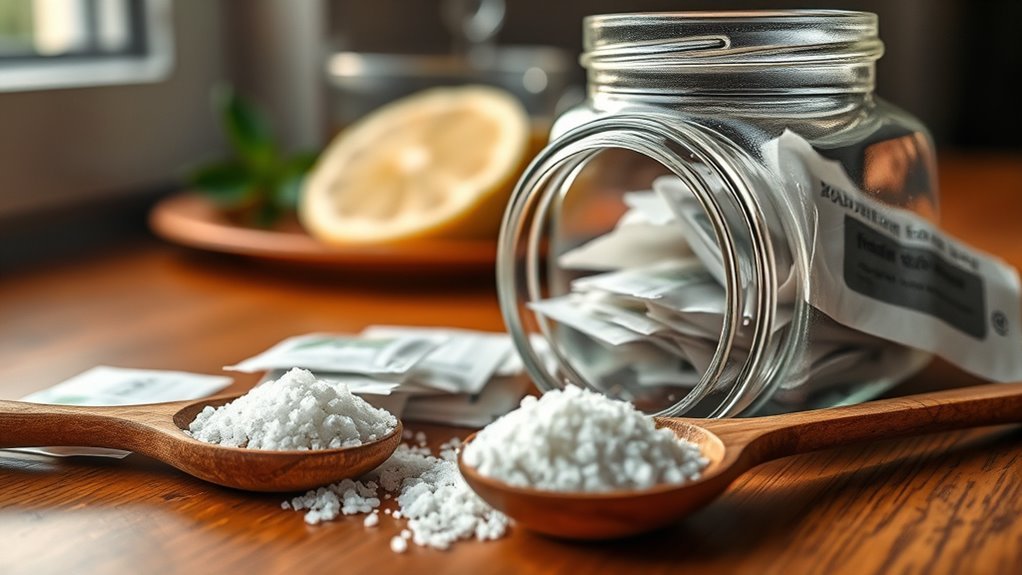
What makes non-nutritive sweeteners special is their ability to deliver sweetness without adding calories. When you use them, they activate the sweet taste receptors on your tongue, tricking your brain into sensing sweetness just like sugar does.
These sweeteners are often many times sweeter than regular sugar, so you only need a tiny amount to get the same sweet flavor. This means you can enjoy sweetness without the extra energy or calories.
Non-nutritive sweeteners come in various forms, from synthetic compounds to natural extracts, but they all share the ability to mimic sugar’s taste effectively.
Remarkably, some of these sweeteners don’t just stimulate sweet taste receptors. They might also influence hormonal responses like insulin release, which can affect how your body processes sugar.
Types of Non-Nutritive Sweeteners You Should Know
You’ll find both FDA-approved artificial sweeteners, like aspartame, and natural options, such as stevia, on the list of non-nutritive sweeteners. Each type has its own unique chemical structure, which means your body processes them differently. Knowing these differences can really help you pick the right sweetener that fits your needs.
Approved Sweetener Varieties
Which non-nutritive sweeteners have gained FDA approval, and how do they differ? The six main approved sweetener varieties include acesulfame K, advantame, aspartame, saccharin, sucralose, and neotame. Each artificial sweetener varies in sweetness intensity and application.
For example, aspartame, approved in 1981, is one of the earliest artificial sweeteners. Meanwhile, advantame, approved in 2014, is about 20,000 times sweeter than sugar. Saccharin was the first FDA-approved non-nutritive sweetener and, despite early safety concerns, it’s now considered safe within approved limits.
Besides these artificial sweeteners, naturally derived options like stevia and monkfruit extracts are also recognized as safe. Knowing these approved sweetener varieties helps you choose the right non-nutritive sweetener for your dietary needs and preferences.
Natural Versus Artificial
After exploring the main FDA-approved non-nutritive sweeteners, it’s helpful to understand how they fall into two broad categories: natural and artificial. Natural sweeteners like stevia and monkfruit come from plants and are often seen as healthier choices.
They’re incredibly sweet. Stevia can be up to 300 times sweeter than sugar, so you only need a tiny amount. Artificial sweeteners, such as aspartame, saccharin, sucralose, and advantame, are synthetically made and commonly found in processed foods.
Both natural and artificial options undergo thorough safety evaluations. So, your choice depends on your taste preferences, dietary needs, and how you view health benefits. Knowing the difference helps you select the right sweetener that fits your lifestyle and taste buds.
Chemical Structures Differences
How do non-nutritive sweeteners differ at the molecular level? Their chemical structures vary widely, influencing their taste and stability.
For example, aspartame is a dipeptide made of phenylalanine, aspartic acid, and a methyl ester, giving it a low-calorie profile. Sucralose, on the other hand, is a chlorinated sucrose derivative where three hydroxyl groups are replaced by chlorine atoms, making it exceptionally stable and sweet.
Saccharin features an aromatic heterocyclic ring with a sulfonamide group, contributing to its intense sweetness. Natural sweeteners like stevia contain steviol glycosides, which are complex diterpene molecules with carbohydrate attachments that affect their sweetness.
Understanding these chemical structures helps you choose the right sweeteners based on their properties and how they interact in your recipes or products.
Health Benefits of Non-Nutritive Sweeteners
You can use non-nutritive sweeteners to help keep your blood sugar stable and support your weight management efforts. They don’t raise blood glucose levels, which makes them a smart choice if you have diabetes. Plus, they lower your risk of tooth decay compared to regular sugar. So, if you’re looking for a sweetener that’s easier on your body, these could be a great option!
Blood Sugar Regulation
Why should you consider non-nutritive sweeteners (NNS) for blood sugar regulation? NNS typically don’t cause significant post-meal spikes in blood glucose, making them a smart choice if you’re managing diabetes.
By replacing sugar with NNS, you can reduce your overall carbohydrate intake, which may improve your glycemic control. While most NNS don’t directly affect insulin secretion, some, like saccharin, might trigger insulin release through cephalic phase responses.
Keep in mind, the impact of NNS on your blood glucose can vary depending on your gut microbiome. Incorporating NNS into your diet, alongside a balanced diet and healthy lifestyle, can support better blood sugar management without the typical glucose and insulin fluctuations caused by sugar.
Weight Management Support
Wondering if non-nutritive sweeteners can support your weight management efforts? They can help reduce your overall calorie intake by replacing sugar in foods and drinks. This substitution often leads to modest short-term weight loss, especially when combined with a calorie-controlled diet.
Non-nutritive sweeteners lower energy density without compromising taste, making it easier for you to stick to weight management goals. While research on long-term effects is ongoing, using these sweeteners as part of a balanced diet can support your efforts to manage weight effectively.
| Benefit | How It Helps You |
|---|---|
| Calorie reduction | Cuts calories from sugary foods |
| Taste satisfaction | Maintains sweetness with fewer calories |
| Weight loss support | Aids modest short-term weight loss |
| Energy density reduction | Lowers food energy without taste loss |
| Balanced diet integration | Fits well with overall healthy eating |
Dental Health Benefits
Although sugar fuels the bacteria that cause tooth decay, non-nutritive sweeteners don’t promote this process because oral bacteria can’t ferment them. When you replace sugar with non-nutritive sweeteners in your foods and drinks, you reduce the risk of cavities and dental caries.
Some non-nutritive sweeteners, like xylitol, even inhibit the growth of decay-causing bacteria, giving your mouth an extra layer of protection. By using these sweeteners instead of sugar, you lower acid production that erodes tooth enamel, helping you maintain better dental health.
Regularly choosing products with non-nutritive sweeteners can contribute to improved oral health and reduce the need for dental treatments, making them a smart choice for your smile and overall wellbeing.
Effects of Non-Nutritive Sweeteners on Blood Sugar
While non-nutritive sweeteners (NNS) generally have little to no effect on your post-meal blood sugar levels, their impact can vary depending on individual factors. Most people experience minimal changes in blood sugar when substituting sugar with NNS.
Non-nutritive sweeteners usually cause minimal post-meal blood sugar changes, though individual responses can vary.
However, some individuals, especially those who are obese or insulin-sensitive, may see increases in plasma glucose and insulin after consuming certain NNS like sucralose. Though studies in rodents suggest NNS might stimulate GLP-1 release, this effect hasn’t been clearly proven in humans.
Short-term research indicates that replacing sugar with NNS doesn’t considerably alter blood glucose overall, but responses can differ. Because the evidence remains inconclusive, it’s important to monitor how your body reacts to different non-nutritive sweeteners, especially if you have concerns about blood sugar regulation.
Using NNS thoughtfully can help you manage sweetness without substantially affecting your blood sugar levels, but individual responses may vary.
How Non-Nutritive Sweeteners Affect Your Gut Health

Beyond their effects on blood sugar, non-nutritive sweeteners can also influence your gut health in significant ways. Studies show that certain sweeteners like saccharin and sucralose may alter your gut microbiome by reducing beneficial bacteria such as *Akkermansia muciniphila*.
These changes can disrupt microbial balance, known as dysbiosis, which is linked to inflammation and metabolic issues. How your gut microbiome reacts to non-nutritive sweeteners varies, as individual differences shape microbial diversity and function.
Research involving fecal transplants confirms that these shifts can impair glucose tolerance and overall metabolic health. Advances in sequencing technologies are revealing how non-nutritive sweeteners affect the enzymatic activities of your gut microbes and the production of metabolites important for your well-being.
Understanding these effects helps you appreciate that non-nutritive sweeteners do more than just add sweetness. They actively interact with your gut ecosystem, influencing your health in complex ways.
Tips for Choosing the Right Non-Nutritive Sweetener
When you’re picking a non-nutritive sweetener, it’s good to think about how sweet it actually tastes and if it leaves any aftertaste. You probably don’t want something that lingers unpleasantly on your palate.
Also, consider how it might affect your metabolism and gut microbiome. These little details can make a big difference in the long run. Keeping these things in mind will help you find the best option that suits both your health and your taste buds.
Consider Sweetness Intensity
Because non-nutritive sweeteners vary greatly in sweetness intensity, you need to choose one that matches your taste preferences to prevent an overly sweet or bland result. Some, like saccharin, are hundreds of times sweeter than sugar, so measuring carefully is key.
Consider blending different non-nutritive sweeteners to create a more balanced, natural sweetness, especially when cooking or baking. Keep in mind that factors like temperature, pH, and the food’s composition can affect perceived sweetness, so testing small amounts first helps you get it just right.
Understanding the relative sweetness of each non-nutritive sweetener ensures you add the correct amount, preventing under- or over-sweetening your foods and beverages. This way, you’ll enjoy the perfect sweetness every time.
Assess Metabolic Effects
Choosing the right non-nutritive sweetener goes beyond matching sweetness intensity. You also need to consider how it affects your metabolism. Some sweeteners like stevia and sucralose have minimal impact on blood glucose and insulin levels, making them better choices if you’re managing metabolic health.
Keep in mind that individual metabolic effects vary, partly due to differences in your microbiome. Always choose sweeteners within recommended daily intake limits to stay safe.
| Sweetener | Metabolic Impact |
|---|---|
| Stevia | Minimal effect on glucose |
| Sucralose | Low impact on insulin levels |
| Aspartame | May vary by individual response |
Prioritize whole foods and use sweeteners as occasional aids rather than dietary staples for balanced metabolic health.
Evaluate Microbiome Impact
How do non-nutritive sweeteners affect your gut microbiome? Different sweeteners like saccharin, sucralose, and aspartame impact your gut microbiome differently, sometimes reducing beneficial bacteria such as *Akkermansia muciniphila*.
Your unique baseline microbiome influences how you respond to these sweeteners, affecting metabolism and glucose tolerance. To choose the right non-nutritive sweetener, look for options that minimally disrupt microbial diversity and function.
Monitoring key microbes like *Akkermansia* can help gauge gut health during sweetener use. Also, supporting your gut microbiome by eating a diverse diet rich in prebiotics and fiber can offset potential negative effects.
Guidelines for Safe Non-Nutritive Sweetener Use
When you use non-nutritive sweeteners, it’s important to stay within the FDA-approved acceptable daily intake levels to guarantee safety. These guidelines help assure you don’t consume excessive amounts of sweeteners like aspartame, sucralose, or stevia. Check product labels for recommended limits and stick to them.
If you have specific health conditions, such as phenylketonuria, avoid aspartame due to its phenylalanine content. Also, monitor your intake of sugar alcohols if you have digestive sensitivities, as they can cause gastrointestinal discomfort.
Using non-nutritive sweeteners as part of a balanced diet rich in whole foods like fruits and vegetables supports long-term well-being. If you’re pregnant, nursing, or managing metabolic issues, consult a healthcare professional for personalized advice.
Adhering to these guidelines helps you enjoy sweetness without compromising your health.
Debunking Myths: What Science Says About NNS
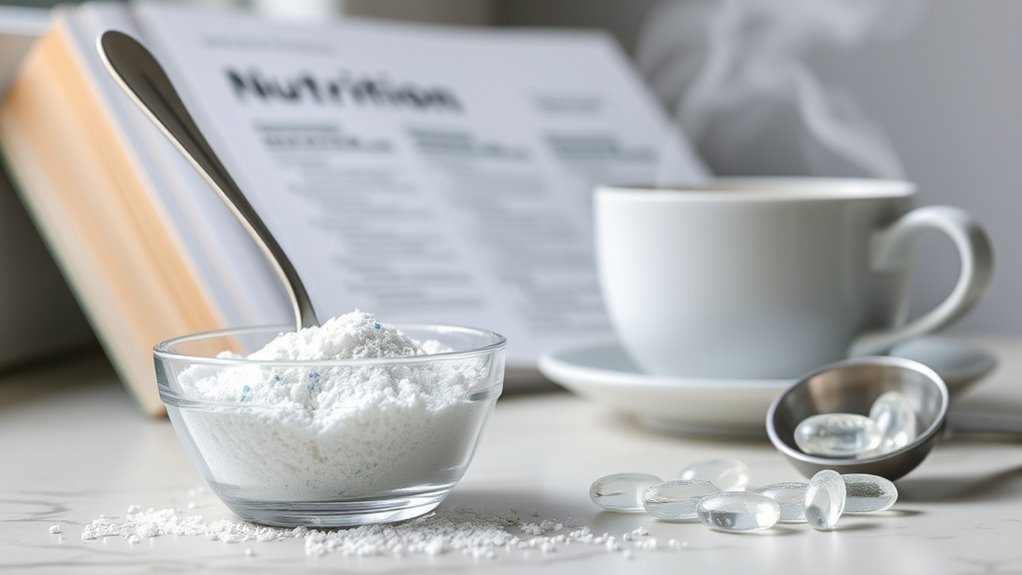
Although non-nutritive sweeteners (NNS) have sparked controversy, extensive scientific research shows they’re generally safe when used within recommended limits. You might have heard worries about NNS causing cancer or harming your metabolism, but these claims don’t hold up under scientific scrutiny. Agencies like the FDA have reviewed the evidence thoroughly and affirm their safety.
Here’s what science tells you about NNS and their health effects:
- Randomized controlled trials often show neutral or even positive effects of NNS on body weight, unlike some observational studies that suggest risks.
- Early cancer concerns linked to NNS have been debunked by human studies.
- NNS can affect metabolic responses and gut microbiota, but these effects are complex and not yet fully understood.
When You Should Limit or Avoid Non-Nutritive Sweeteners
Since non-nutritive sweeteners affect people differently, you should be mindful of specific conditions that call for limiting or avoiding their use. If you have phenylketonuria, avoid aspartame entirely, as it contains phenylalanine, which you can’t safely process.
If you suffer from bowel diseases or gastrointestinal sensitivities, you may need to limit sweeteners like sugar alcohols, which can cause bloating, gas, or diarrhea. Pregnant or breastfeeding? It’s best to limit non-nutritive sweeteners since long-term safety data is limited.
Even if you don’t have these conditions, be cautious with excessive intake of sugar alcohols, stevia, or luo han guo, as they might cause gastrointestinal discomfort. Overusing non-nutritive sweeteners over time could also disrupt your gut microbiota and metabolic responses.
To stay safe and healthy, listen to your body and limit your consumption accordingly.
How to Incorporate Non-Nutritive Sweeteners Into Recipes
If you want to reduce sugar in your recipes, non-nutritive sweeteners offer a versatile alternative that can often replace sugar at a 1:1 ratio. However, you might need to adjust depending on the sweetener’s potency and how it affects texture. When baking, remember some sweeteners don’t provide sugar’s bulk or moisture, so you may need extra ingredients to compensate.
To successfully incorporate non-nutritive sweeteners into recipes, consider these tips:
To successfully incorporate non-nutritive sweeteners into recipes, consider these helpful tips for best results.
- Use heat-stable options like stevia or monk fruit extract for cooking and baking.
- Combine different sweeteners to balance sweetness and create a natural taste.
- Follow manufacturer guidelines to avoid over-sweetening or texture issues.
Frequently Asked Questions
Can Non-Nutritive Sweeteners Affect Dental Health?
Yes, non-nutritive sweeteners can positively affect your dental health. Unlike sugar, they don’t feed oral bacteria that cause tooth decay, so you’re less likely to develop cavities.
Some, like xylitol, even help reduce dental plaque and inhibit harmful bacteria growth. When you choose products with these sweeteners, you actively protect your teeth from acid damage and decay, making them a smart option for maintaining a healthier mouth.
Do Non-Nutritive Sweeteners Have Any Impact on Mood or Cravings?
You might wonder if non-nutritive sweeteners truly sway your mood or cravings. The truth is, they can influence your appetite control and even help with flavor masking, making sweet foods feel satisfying without extra calories.
While some people notice shifts in cravings or slight mood boosts, the evidence isn’t clear-cut. So, you might find they help, but it’s not guaranteed. They work differently for everyone.
Are Non-Nutritive Sweeteners Safe for Pregnant or Breastfeeding Women?
Yes, non-nutritive sweeteners are generally considered safe during pregnancy and breastfeeding when you stick to recommended amounts. For pregnancy safety, it’s important to avoid certain sweeteners if you have specific conditions like phenylketonuria.
When it comes to breastfeeding considerations, moderate use hasn’t shown significant risks. Still, you should check with your healthcare provider before consuming large amounts to guarantee both your and your baby’s health stay protected.
How Do Non-Nutritive Sweeteners Interact With Medications?
Non-nutritive sweeteners can affect medication absorption and drug metabolism, so you need to be careful. Some sweeteners might change how your body digests drugs, altering their effectiveness.
For example, aspartame contains phenylalanine, which can interfere if you have certain metabolic conditions. Since these sweeteners can also impact gut bacteria, they might modify how medications work.
Always check with your healthcare provider before combining them with your meds.
Can Pets Safely Consume Products Containing Non-Nutritive Sweeteners?
When it comes to pet toxicity, you should remember, “Better safe than sorry.” Pets, especially dogs, can’t safely consume products with non-nutritive sweeteners.
Canine ingestion of these substances can lead to severe health problems like hypoglycemia and liver failure. You must keep such products out of reach and never let your pets consume them.
If you suspect they’ve ingested any, get them to a vet immediately to avoid serious consequences.
Conclusion
Now that you know the ins and outs of non-nutritive sweeteners, you can use them wisely to enjoy sweetness without the extra calories. Remember, moderation is key. Too much of anything isn’t good.
Like the saying goes, “Everything in moderation, including moderation.” By choosing the right sweeteners and understanding their effects, you’ll make smarter choices for your health.
So go ahead, sweeten your life thoughtfully and savor every guilt-free bite!