3 Best Weight Loss Meal Plans for Quick Results
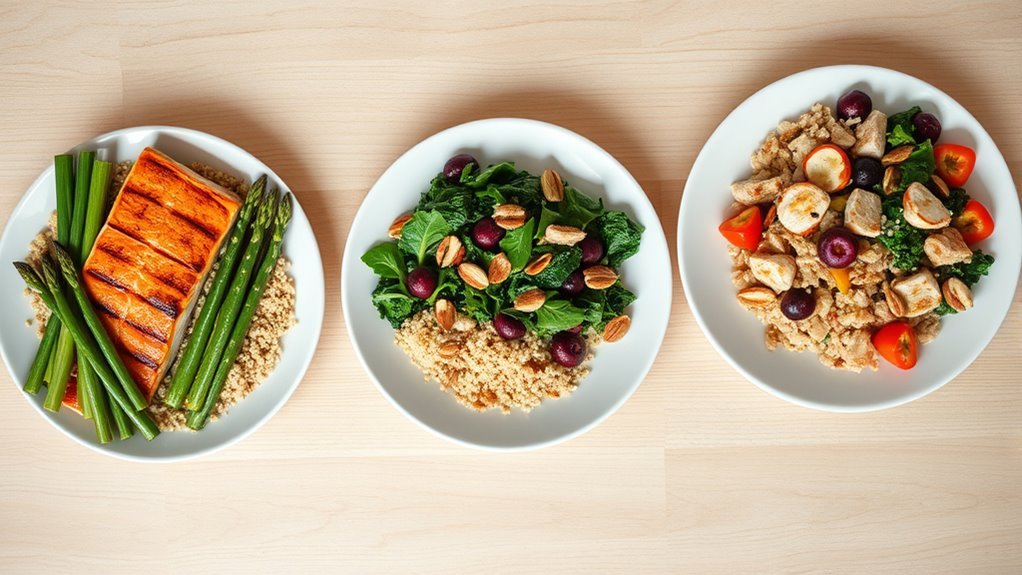
You can achieve quick, lasting weight loss by choosing from three top meal plans: the Mediterranean diet, Keto, and the Mayo Clinic Diet.
The Mediterranean diet offers heart-healthy, nutrient-rich meals without feeling restrictive.
Keto delivers rapid fat loss through high-fat, low-carb eating.
While Mayo Clinic combines calorie control and balanced nutrition for sustainable results.
Matching the plan to your lifestyle and preferences boosts success.
Keep exploring to discover how to personalize and stick with the plan that fits you best.
Top 3 Weight Loss Meal Plans for Fast, Lasting Results
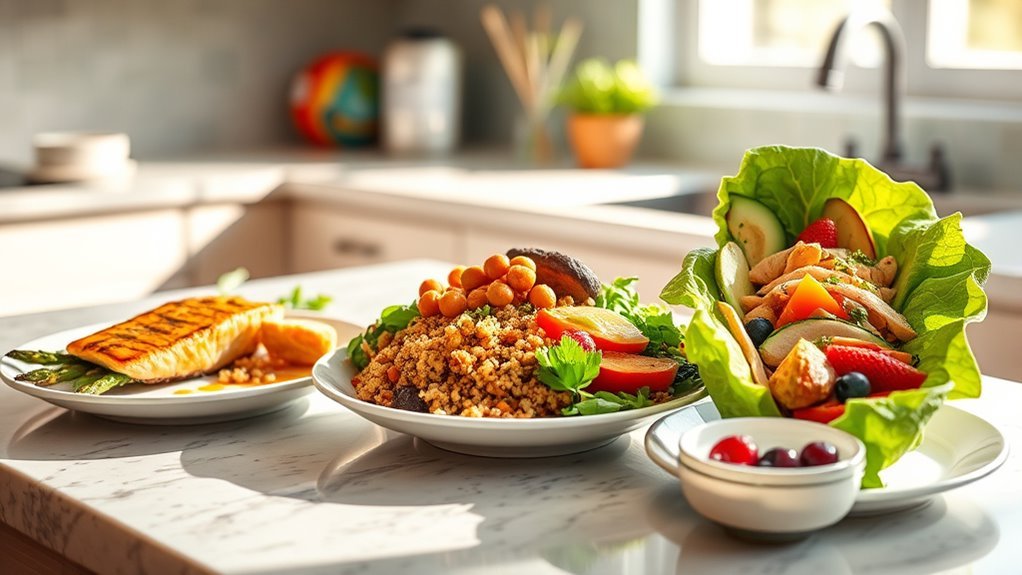
When you want fast and lasting weight loss, choosing the right meal plan is key. Among the top weight loss meal plans, the Mediterranean diet stands out for its focus on healthy eating through fruits, vegetables, whole grains, lean proteins, and healthy fats. This nutrient-dense approach supports rapid weight loss and heart health without feeling restrictive.
The keto plan, emphasizing high-fat and low-carb intake, pushes your body into ketosis, promoting quick fat burning and significant initial results. Another effective option is the Original Mayo Clinic Diet, which combines calorie restriction with portion control and balanced nutrition, helping you achieve sustainable results.
All these plans emphasize high-protein foods and fiber-rich ingredients to keep you feeling full and satisfied. By following these meal plans, you’ll harness calorie restriction and nutrient density to accelerate weight loss while maintaining your energy and well-being, setting yourself up for long-term success.
How to Choose the Best Meal Plan for Your Lifestyle, Budget, and Goals
Choosing the best meal plan goes beyond just picking one with proven results. It needs to fit your lifestyle, budget, and personal goals. To choose wisely, consider these key points:
Selecting the right meal plan means matching it to your lifestyle, budget, and personal goals for lasting success.
- Align your meal plan with your daily routine and food preferences to stay consistent and maintain a healthy habit.
- Factor in your budget by selecting plans focused on affordable whole foods, avoiding costly specialty ingredients.
- Define your weight loss goals, whether rapid or gradual, and choose a plan tailored with the right calorie levels and nutritional balance.
- Opt for flexibility. Pick meal plans that allow meal swaps and adjustments for allergies, dietary restrictions, or changing tastes.
Make sure the plan is backed by scientific evidence and created by registered dietitians. This ensures personalized, safe, and effective weight loss. This approach helps your meal plan support your lifestyle, budget, and health goals without compromising flexibility or nutritional quality.
Easy Ways to Personalize Your Meal Plan and Stay on Track
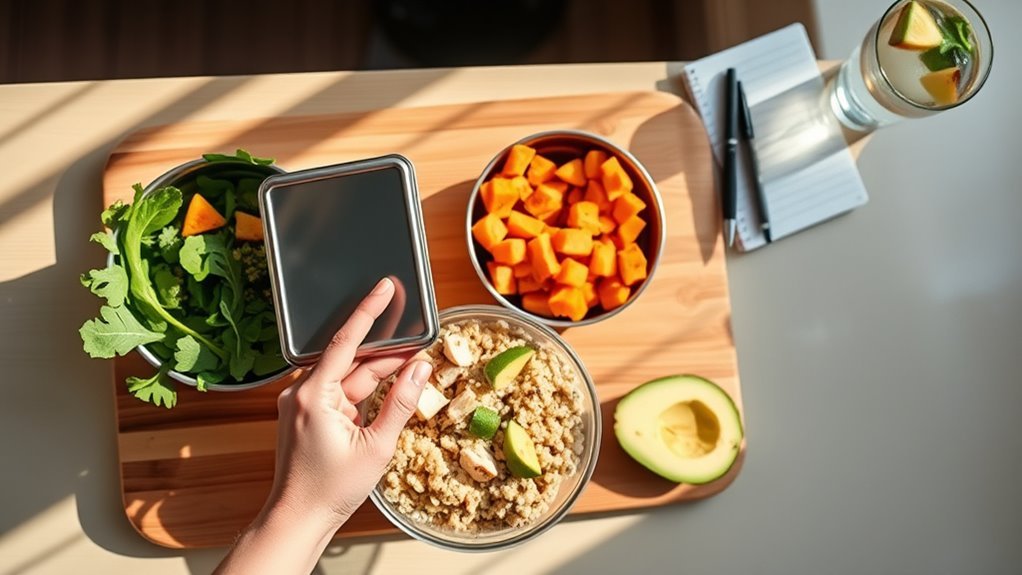
Although sticking to a meal plan can feel challenging, personalizing it with your favorite healthy foods and adjusting portions to fit your calorie needs makes staying on track much easier. Focus on meal customization by swapping meals that don’t excite you for others that fit your dietary preferences, like vegetarian or low-carb options.
Tracking progress helps you notice when adjustments are needed, whether that means tweaking portion sizes or adding more meal variety to prevent boredom. Digital tools can simplify meal swapping and portion control, ensuring your plan matches your calorie needs while keeping your favorites in rotation.
| Strategy | Tip |
|---|---|
| Personalization | Include favorite foods to boost adherence |
| Portion Sizes | Adjust to meet calorie requirements |
| Meal Swapping | Swap meals for variety and preference |
| Dietary Preferences | Incorporate restrictions for sustainability |
| Tracking Progress | Note hunger, energy, and satisfaction |
Frequently Asked Questions
Can Intermittent Fasting Enhance the Effectiveness of Weight Loss Meal Plans?
Yes, intermittent fasting can enhance your weight loss meal plans by improving meal timing and creating fasting windows that promote calorie restriction. This approach helps control hunger, suppress appetite, and regulate meal frequency, which supports hormonal balance and fat burning.
You’ll likely experience a metabolic boost and steadier energy levels throughout the day. By combining fasting with balanced meals, you can optimize fat loss while managing your appetite more effectively.
How Important Is Hydration During a Weight Loss Meal Plan?
Think of water as the fuel that keeps your weight loss engine running smoothly. Hydration benefits are essential. You’ll boost your metabolism and regulate thirst better by maintaining proper water intake.
Drinking water supports electrolyte balance and curbs false hunger signals. This helps you avoid unnecessary snacking. Use smart hydration strategies like sipping fluids throughout the day.
These hydration tips guarantee your digestion and energy stay high. Fluid consumption is a key player in your success.
Are Supplements Necessary When Following a Weight Loss Meal Plan?
You don’t need supplements when following a weight loss meal plan unless you have diagnosed vitamin deficiencies. Many supplement myths, like fat burners or appetite suppressants, don’t deliver real results.
Herbal supplements and detox teas are often just herbal remedies with limited evidence. Focus on nutrient timing and balanced meals instead of relying on meal replacements or protein powders.
Supplements should complement, not replace, your whole-food diet for safe, effective weight loss.
How Does Sleep Quality Affect Weight Loss Progress?
Sleep quality directly impacts your weight loss progress by regulating hormones linked to hunger and fat storage. Prioritize good sleep hygiene and maintain sleep consistency to improve melatonin levels and REM cycles, ensuring restorative sleep.
Avoid nighttime snacks that disrupt your sleep environment. Sleep deprivation and short sleep duration hurt insulin sensitivity and increase cravings.
Use sleep tracking to monitor improvements, helping you create habits that support your metabolism and weight loss goals effectively.
Can Stress Management Improve Results on a Weight Loss Meal Plan?
Yes, stress management can improve your weight loss results by reducing cortisol levels, curbing emotional eating, and boosting mental health. Using mindfulness techniques, meditation practices, and calming activities helps lower stress hormones and supports anxiety management.
When you practice relaxation strategies regularly, you’ll find it easier to stick to your meal plan, avoid cravings, and maintain balance. Prioritizing stress reduction makes your weight loss journey smoother and more sustainable.
Conclusion
Now that you’ve got these top meal plans in your toolbox, you’re ready to fuel your weight loss journey like a well-oiled machine. Remember, choosing the plan that fits your lifestyle and budget is like finding the perfect key to open your goals.
Personalize it to suit your tastes, and you’ll stay on track as smoothly as a river carving its path. Your transformation is just a meal away. Go grab it!