
Do Meal Plans Work for Effective Weight Loss?
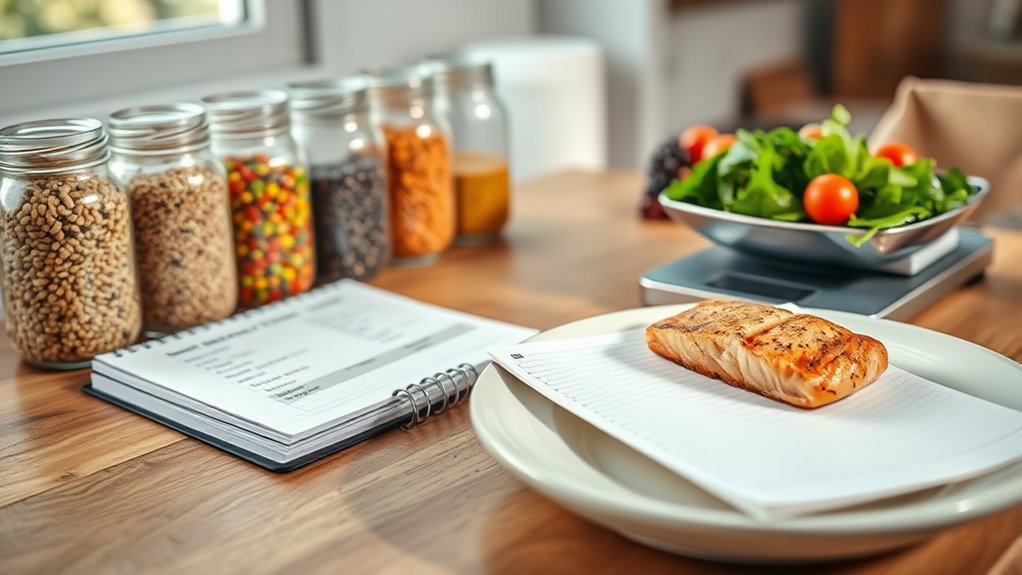
Meal plans work for effective weight loss because they simplify calorie control and promote nutrient-dense, balanced meals that keep you full and energized.
When tailored to your tastes and lifestyle, they help you stay consistent and avoid impulsive eating.
Flexibility within meal plans prevents burnout and supports long-term success.
Plus, using digital tools can make tracking and shopping easier while keeping costs down.
Keep exploring to discover how to personalize and maintain your plan for lasting results.
How Meal Plans Promote Sustainable Fat Loss

Although sticking to a calorie deficit can be challenging, meal plans make it easier by providing clear guidance on portion sizes and food choices. When you follow meal plans focused on balanced meals, you get nutrient-dense foods that keep you full longer, which helps reduce overeating.
Meal plans simplify calorie deficits by guiding portions and food choices, promoting fullness and reducing overeating.
This satiety supports sustainable fat loss by preventing constant hunger and cravings. Meal plans also promote consistent eating habits, which are essential for maintaining a calorie deficit over time. By controlling portions and specifying food options, they minimize impulsive eating, helping you regulate your energy intake effectively.
Plus, when meal plans include variety and flexibility, you’re less likely to feel deprived, making it easier to stick with them long term. Educational elements within these plans boost your understanding of nutrition, empowering you to make smarter food choices on your own.
Ultimately, meal plans serve as a practical tool to support steady, sustainable fat loss.
What Makes a Meal Plan Successful for Fat Loss
When you want a meal plan to truly support fat loss, it needs to create a consistent calorie deficit through controlled portions and nutrient-rich foods. Successful meal plans focus on balanced meals that keep you full and satisfied, helping you avoid overeating.
To make your meal plan successful, consider these three essentials:
- Prioritize protein, fiber, and healthy fats to reduce hunger and maintain energy.
- Allow flexibility so you can enjoy variety and adapt to social events or cravings without feeling restricted.
- Monitor your progress regularly and adjust portions or food choices to stay on track and avoid plateaus.
Meal plans that teach you about nutrition principles help you build sustainable habits, so you don’t rely on a plan forever. By combining a calorie deficit with smart food choices and adaptability, you’ll find it easier to stick with your plan and achieve lasting fat loss.
Comparing Popular Weight Loss Meal Plans
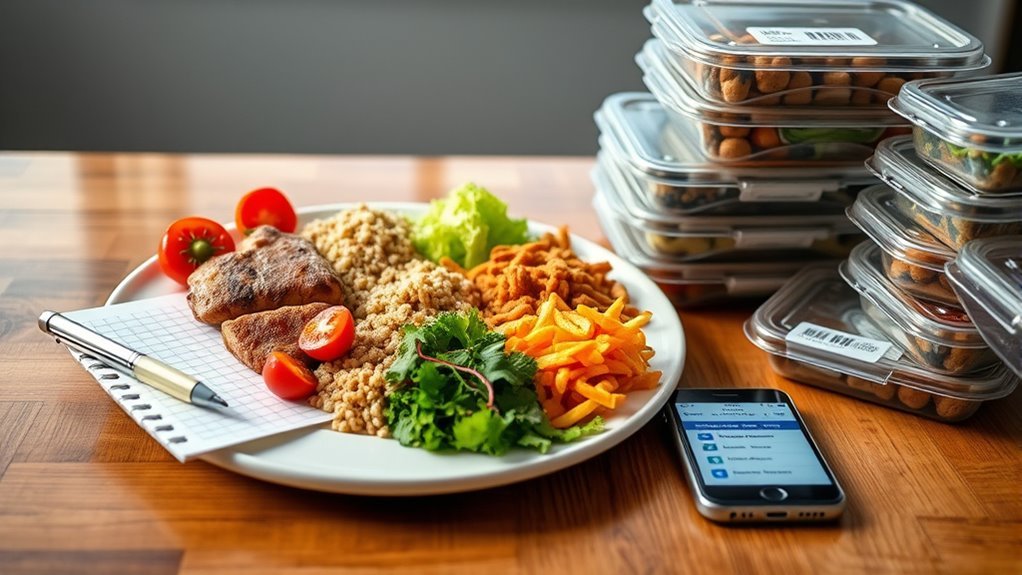
Choosing the right meal plan can make a big difference in how well you stick to your fat loss goals. Popular meal plans for weight loss like Keto, Mediterranean, and Vegetarian each offer unique approaches.
Keto emphasizes high fat and very low carbs, often leading to rapid initial weight loss but can be tough to maintain long-term. The Mediterranean diet focuses on whole foods, healthy fats, and moderate carbs, promoting sustainable weight loss and heart health.
Meanwhile, Vegetarian meal plans are lower in calories and saturated fats, supporting weight loss while encouraging plant-based nutrition. Research shows all these meal plans can help you shed pounds, but your ability to stick with the plan matters most for lasting results.
Why Personalizing Your Meal Plan Helps You Stick With It
When you tailor your meal plan to fit your specific nutrient needs, it’s way easier to support your weight loss goals effectively. Plus, when you adapt meals to match your taste preferences, you stay motivated and are less likely to stray from the plan. This personalized approach really helps you stay consistent and enjoy the journey along the way.
Tailored Nutrient Needs
Because everyone’s body and lifestyle are unique, tailoring your meal plan to fit your specific nutrient needs makes it easier to stick with healthy eating over time. Personalized meal plans that focus on tailored nutrient needs help you enjoy meals that satisfy both your taste and health goals.
When you customize your plan, you can:
- Adjust macronutrient ratios like protein, carbs, and fats to support your weight loss and energy levels.
- Include foods that respect allergies, dislikes, and cultural preferences to avoid diet fatigue.
- Guarantee you meet essential micronutrient needs to maintain overall health and prevent deficiencies.
Adapting To Preferences
Although sticking to a meal plan can be challenging, personalizing it to match your tastes and preferences makes it much easier to maintain. When you tailor your meals to include foods you enjoy and avoid those you dislike, you increase your chances of adherence because eating feels less like a chore.
Personalization also means respecting your dietary restrictions and cultural preferences, which prevents feelings of deprivation that often lead to binge eating or quitting. By choosing familiar, flexible options, you can adapt your plan to fit shifting schedules and cravings, keeping your routine sustainable.
This customization gives you a sense of ownership and empowerment, key ingredients for staying consistent and successfully losing weight over time.
Why Flexibility Matters in Weight Loss Meal Plans

Since sticking to a strict meal plan can quickly drain your motivation, incorporating flexibility into your weight loss strategy makes it easier to stay consistent. A flexible meal plan adapts to your personal preferences and lifestyle changes, boosting your adherence over time.
When you allow room for adjustments, you reduce diet fatigue and keep your motivation high. Here’s why flexibility matters:
- It lets you enjoy occasional treats and social meals without feeling guilty or derailing progress.
- It encourages better decision-making skills around food, helping you build a healthier relationship with eating.
- Studies show people who practice flexible dieting maintain weight loss more successfully than those on rigid plans.
How to Balance Nutrients for Lasting Fat Loss
To achieve lasting fat loss, you need to balance your intake of protein, healthy fats, and complex carbohydrates thoughtfully. Meal plans work best when they guarantee you’re getting enough protein, about 0.8 to 1.2 grams per kilogram of your body weight, to preserve lean muscle and boost metabolism.
Incorporate fiber-rich foods like vegetables, whole grains, and legumes to stabilize blood sugar and keep hunger in check. Including healthy fats from sources such as avocados, nuts, and olive oil supports hormone regulation and helps your body burn fat more efficiently.
Distributing these nutrients evenly across your meals prevents deficiencies and maintains steady energy levels throughout the day. When your meal plan carefully balances macronutrients, you’re more likely to stay satisfied and stick with your diet long-term, making fat loss more sustainable.
The Role of Meal Prep in Sticking to Your Plan
When you prepare your meals ahead of time, you reduce the chances of grabbing unhealthy options when hunger strikes. Meal prep plays a vital role in sticking to your weight loss plan by ensuring consistency and better portion control. By planning and cooking in advance, you set yourself up for success and avoid impulsive, calorie-dense choices.
Here’s how meal prep helps you stay on track:
- Saves time during busy days by having ready-to-eat meals, reducing the need for last-minute decisions.
- Encourages portion control by pre-measuring servings, which keeps your calorie intake in check.
- Promotes the use of nutrient-dense ingredients, keeping you full and satisfied longer.
How Digital Tools Simplify Meal Planning and Tracking
Although meal prep lays a strong foundation, digital tools can make planning and tracking your meals even easier. These tools offer customizable weekly meal plans that fit your dietary preferences and weight loss goals.
With barcode scanning features, you can quickly log foods and track nutrients in real-time, helping you stay on target without guesswork. Digital platforms also generate grocery lists that update automatically when you swap meals, simplifying shopping and cutting down on waste.
Mobile apps let you monitor your progress and tweak your plan anytime, keeping you accountable and flexible. Plus, they provide recipe databases, portion control guides, and meal prep tips to streamline your healthy eating routine.
Managing Budget and Grocery Costs With Meal Plans
Since impulsive purchases often lead to spending more on convenience foods, planning your meals in advance helps you stay on budget and make healthier choices. By creating a grocery list based on your meal plan, you only buy what you need, cutting down on waste and saving money.
Here’s how meal plans help manage your budget and grocery costs:
- Use budget-friendly ingredients like frozen vegetables, canned beans, and whole grains to keep costs low without compromising nutrition.
- Buy staples in bulk during meal prep to reduce per-serving prices and limit frequent store trips.
- Stick to your grocery list to avoid last-minute takeout or impulse buys that can blow your budget.
Using Meal Plans for Weight Loss Without Calorie Counting
By following a structured meal plan that focuses on balanced, portion-controlled meals, you can lose weight without the hassle of counting every calorie. Meal plans designed with whole, nutrient-dense foods help you feel full and satisfied, naturally reducing cravings and preventing overeating.
This approach supports creating a calorie deficit without needing to track each calorie meticulously. When you stick to these pre-planned meals, you’re more likely to maintain healthy eating patterns that promote weight loss.
Over time, meal plans encourage intuitive eating, helping you recognize hunger and fullness cues so you can make smarter choices on your own. This way, you build lasting habits that don’t rely on constant calorie calculations.
Using meal plans as a tool, you can effectively manage your weight through mindful eating and portion control, making the process simpler and more sustainable.
Switching Weight Loss Meal Plans Without Losing Progress
You can switch meal plans without losing progress—as long as you keep your calorie intake and portions consistent. It’s really about staying on track with the numbers that matter most.
Plus, using flexible tools makes it easier to adapt your plan to fit your needs while still tracking your data accurately. That way, you’re not stuck in one rigid routine.
Maintaining Progress When Switching
Although switching meal plans might seem challenging, you can maintain your weight loss progress by keeping portion sizes and calorie intake consistent. When you shift between plans, focus on maintaining progress by tracking your meals closely.
Here are three key steps to help:
- Use apps or journals to monitor calories and macronutrients, ensuring your new meal plan aligns with your previous intake.
- Move gradually by introducing new meals slowly, avoiding abrupt changes that might disrupt your routine.
- Keep a record of your favorite meals and nutritional balance to create satisfying options that prevent hunger or overeating.
Flexible Plan Adaptations
When you switch between weight loss meal plans, keeping your progress intact is easier than you might think. Many programs offer flexible adaptations, allowing you to swap plans without losing your existing diet score or progress data.
This flexibility helps prevent diet fatigue by letting you adjust your meals to fit changing tastes, lifestyles, or seasonal ingredients. To make changes seamless, use platform features that preview upcoming menus and automatically update your grocery lists with each swap.
The key is maintaining consistent calorie intake and nutrient balance during these changes. Regularly rotating or customizing your meal plans not only keeps things fresh but also supports long-term adherence, making it easier for you to sustain weight loss over time.
Tracking Data Consistency
Maintaining consistent progress while switching meal plans relies on tracking your data accurately. Without consistent tracking, you risk losing sight of calorie deficits and balanced macros that fuel weight loss. To keep momentum, focus on these key steps:
- Use food and exercise trackers to log intake and adjust calorie and nutrient targets automatically.
- Monitor your Diet Score and weight trends regularly to ensure your progress stays on track.
- Enter data consistently and make mindful meal swaps to prevent disrupting your calorie deficit.
Frequently Asked Questions
Can Meal Plans Help With Muscle Gain as Well as Fat Loss?
Yes, meal plans can definitely help you gain muscle while losing fat. By focusing on meal customization, you guarantee you get the right balance of protein and calories tailored to your needs.
Nutrient timing matters too. Eating protein-rich meals around your workouts boosts muscle synthesis.
Sticking to a structured plan with nutrient-dense foods at proper intervals supports muscle repair and growth, making your fat loss journey more effective and sustainable.
How Do Meal Plans Address Emotional or Stress-Related Eating?
Oh sure, just eat perfectly timed meals and your emotional triggers will magically vanish if only life were that simple! But seriously, meal plans help you manage stress by giving structure, so you’re less likely to binge out of boredom or anxiety.
They keep your blood sugar steady and boost mood stability, tackling emotional triggers head-on. Plus, some even sneak in stress management tools, making emotional eating less of a drama queen moment.
Are Meal Plans Safe for People With Medical Conditions?
Yes, meal plans can be safe for you if you have medical conditions, but only with proper medical supervision. You’ll need to tailor your plan to respect any dietary restrictions your condition requires, like limiting sodium or carbs.
Avoid overly restrictive plans without guidance, as they might harm your health. Always work with healthcare professionals to create a balanced meal plan that supports your health goals without causing complications.
What Role Do Supplements Play in Meal Plans for Weight Loss?
Supplements can support your meal plan by addressing nutritional gaps, but their supplement efficacy varies widely. You shouldn’t rely on them as your main weight loss strategy because they often lack strong scientific backing.
To maintain nutritional balance, focus on eating well-rounded meals first. If you choose to use supplements, do so with professional guidance to guarantee they complement your diet without causing imbalances or undermining your long-term weight loss goals.
How Often Should Meal Plans Be Updated or Changed?
You should update your meal plan every 4 to 6 weeks to keep things fresh and support your progress. Meal plan flexibility lets you make dietary adjustments based on changes in your weight, preferences, or activity levels.
Avoid changing it too often, like weekly, since that can disrupt consistency. Stay flexible and adjust when life changes, so you build sustainable habits and keep moving toward your goals effectively.
Conclusion
If you want to shed pounds and keep them off, meal plans can be your secret weapon, but only if you tailor them to fit your lifestyle and stay flexible. Remember, Rome wasn’t built in a day, so don’t expect overnight miracles.
By using digital tools and managing your budget wisely, you’ll find it easier to stick with your plan and see lasting results. Keep at it, and success will be within your reach!