
Nuts, Seeds & Healthy Fats:What Every Variety Actually Delivers
Most people know nuts are good for them. What most people don’t know is which nut does what — or whether the differences between almonds, walnuts, and pistachios actually matter for weekly health outcomes. They do. Each nut in this guide delivers a different nutritional emphasis: one leads on omega-3 fatty acids, another on vitamin E, another on protein and B6. The same is true for seeds. This guide maps every major variety by what it specifically delivers — with numbers — so the choice is deliberate rather than incidental.
Which nut is the most nutritional — and what are the best nuts to eat?
No single nut is universally most nutritional — each delivers a distinct micronutrient profile. Walnuts lead for omega-3 ALA fatty acids; almonds for vitamin E and calcium; pistachios for protein and potassium; brazil nuts for selenium (with a strict quantity limit). Eating a variety of nuts weekly provides broader nutritional coverage than optimising for any single variety.
The right answer — supported by the nutritional data — is variety rather than optimisation for a single winner. Here is the practical framework:
Walnuts stand out for omega-3 ALA fatty acids — approximately 2.5g per ounce, more than any other common tree nut. If your diet is low in plant-based omega-3 sources, walnuts are the most direct solution available without adding fish.
Almonds lead all tree nuts in vitamin E — approximately 37% of the daily value per ounce. They also lead on calcium (8% DV) and are tied with pistachios on protein. The most nutritionally complete single nut for general micronutrient coverage.
Pistachios lead on vitamin B6 (approximately 25% DV per ounce) and are among the highest in potassium. They also contain lutein and zeaxanthin — carotenoid antioxidants more commonly associated with leafy greens than nuts.
Cashews are the copper leaders at approximately 69% DV per ounce. Copper is easily overlooked in nutritional planning and required for iron metabolism, collagen synthesis, and antioxidant enzyme function.
Pecans rank among the highest-antioxidant foods ever tested by the USDA’s ORAC method, primarily from ellagic acid and gamma-tocopherol forms of vitamin E.
Brazil nuts stand entirely alone for selenium — one nut provides approximately 175% of the daily value. This is both their defining contribution and their hard limit: more than 1–2 per day risks selenium toxicity. The comparison table below maps every variety side by side.
Nut & Seed Nutritional Comparison — Per 1 oz Serving (USDA FoodData Central)
| Variety | Serving | Cal | Protein | Standout Nutrient | Fat Type | Best Weekly Use |
|---|---|---|---|---|---|---|
| Almonds | 1 oz (23 nuts) | 164 | 6g | Vitamin E (37% DV) | Monounsaturated | Daily snack, salad, oatmeal |
| Walnuts | 1 oz (14 halves) | 185 | 4g | ALA Omega-3 (2.5g) | Polyunsaturated | Oatmeal, salad, snack |
| Pistachios | 1 oz (49 nuts) | 159 | 6g | Vitamin B6 (25% DV) | Monounsaturated | Snack, grain dishes |
| Cashews | 1 oz (18 nuts) | 157 | 5g | Copper (69% DV) | Monounsaturated | Stir-fry, sauces, snack |
| Pecans | 1 oz (19 halves) | 196 | 3g | Manganese (34% DV) | Monounsaturated | Oatmeal, salads, baking |
| Brazil Nuts ★ | 1 oz (6 nuts) | 186 | 4g | Selenium (988% DV!) | Polyunsaturated | 1–2 nuts MAX daily ★ |
| Chia Seeds | 1 oz (2 tbsp) | 138 | 5g | Fibre (10g) + ALA (5g) | Omega-3 ALA | Smoothies, oats, pudding |
| Sesame Seeds | 1 tbsp | 52 | 1.6g | Calcium (9% DV) | Poly + Mono | Tahini, dressings, topping |
| Sunflower Seeds | 1 oz | 166 | 5.5g | Vitamin E (49% DV) | Polyunsaturated | Snack, salad, trail mix |
| Poppy Seeds | 1 tbsp | 46 | 1.5g | Calcium + Manganese | Polyunsaturated | Baking, topping |
★ Brazil nuts: ONE nut provides ~175% of the daily selenium value. Limit to 1–2 nuts daily maximum — see H2 #6 for full selenium toxicity guidance.
What is the nutritional value of pistachios?
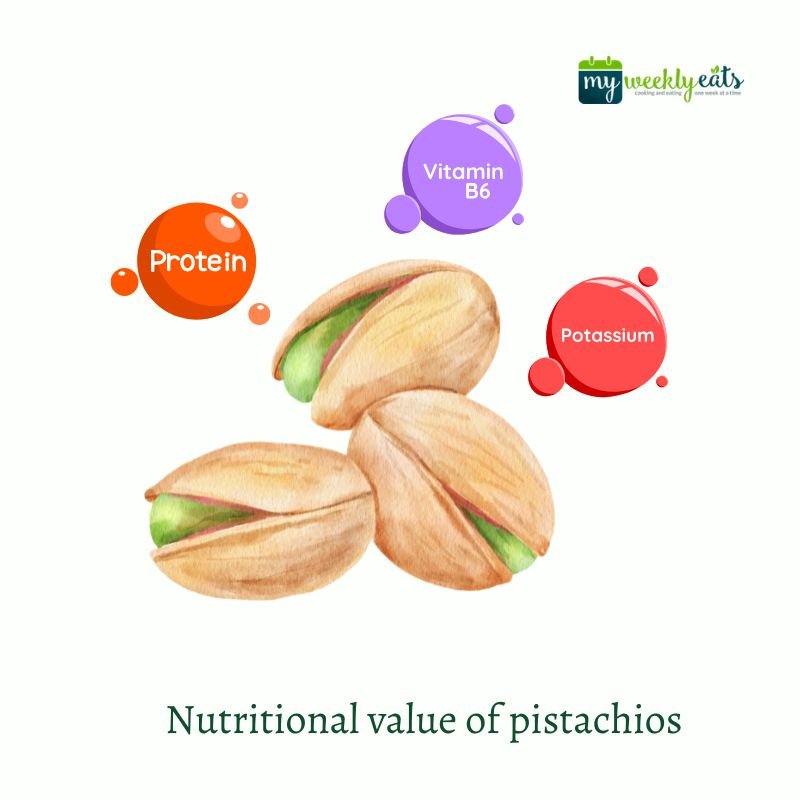
Pistachios are among the highest-protein nuts per serving, delivering approximately 6g protein per ounce alongside healthy monounsaturated fats, potassium (290mg), vitamin B6 (25% DV), and antioxidant carotenoids including lutein and zeaxanthin. They are also one of the few nuts with meaningful prebiotic fibre content, supporting gut microbiome health with regular consumption.
6g
Protein per oz (highest alongside almonds)
25%
DV Vitamin B6 (highest of all tree nuts)
290mg
Potassium per oz
159
Calories per oz (lowest of tree nuts)
Vitamin B6 at approximately 25% DV per ounce is pistachios’ most distinctive contribution. B6 is required for serotonin, dopamine, and GABA synthesis — neurotransmitters directly linked to mood regulation. It also plays a role in homocysteine regulation; studies suggest adequate B6 intake is associated with reduced cardiovascular inflammation markers, though evidence remains associative rather than causal.
The carotenoids — lutein and zeaxanthin — give pistachios their distinctive green-yellow colour. These antioxidants accumulate in the human retina, where they filter damaging blue light. Population studies link lutein and zeaxanthin intake to reduced risk of age-related macular degeneration. Their presence in a nut rather than a green vegetable is unusual.
Prebiotic fibre: evidence from small controlled trials suggests pistachio consumption increases Lactobacillus and Bifidobacterium populations in the gut microbiome more than most nuts — likely from their specific arabinoxylan fibre profile. Studies suggest rather than confirm; the direction of evidence is consistent.
Practical note: in-shell pistachios slow consumption. Research shows people eat fewer calories from in-shell pistachios than pre-shelled equivalents — the act of opening each nut creates natural portion regulation.
What is the nutritional value of walnuts?
Walnuts are the only common tree nut providing a significant amount of ALA omega-3 fatty acids — approximately 2.5g per ounce, the plant-based omega-3 precursor. One serving also delivers 4g protein, manganese (48% DV), copper, and magnesium. Evidence consistently links regular walnut consumption to improved cardiovascular markers, reduced LDL cholesterol, and anti-inflammatory effects.
Walnuts’ defining identity is alpha-linolenic acid (ALA) — the essential plant omega-3 the body cannot synthesise. One ounce provides approximately 2.5g, significantly more than any other tree nut. The body can convert dietary ALA to EPA and DHA — the omega-3s most strongly linked to cardiovascular benefit — but the conversion rate is low: approximately 5–10% for EPA and under 1% for DHA. Walnuts are not equivalent to fatty fish as an omega-3 source. They are, however, the most accessible plant-based ALA source among nuts, with direct evidence of cardiovascular benefit independent of conversion.
The PREDIMED trial — which followed 7,447 people supplementing a Mediterranean diet with mixed nuts including walnuts — found significantly reduced cardiovascular events compared to a low-fat control group. Regular walnut consumption was associated with reduced LDL cholesterol and improved endothelial function in the nut supplementation arm.
Walnuts also contain ellagitannins — polyphenol antioxidants that gut bacteria convert to urolithins, compounds with anti-inflammatory properties under active research. Evidence is promising but preliminary; hedge all health associations.
Storage note: walnuts’ polyunsaturated fats oxidise more readily than the monounsaturated fats in almonds or pistachios. Store in an airtight container in the refrigerator to preserve omega-3 content and prevent the rancid flavour that oxidised PUFAs produce.
What are the nutritional benefits of chia seeds?
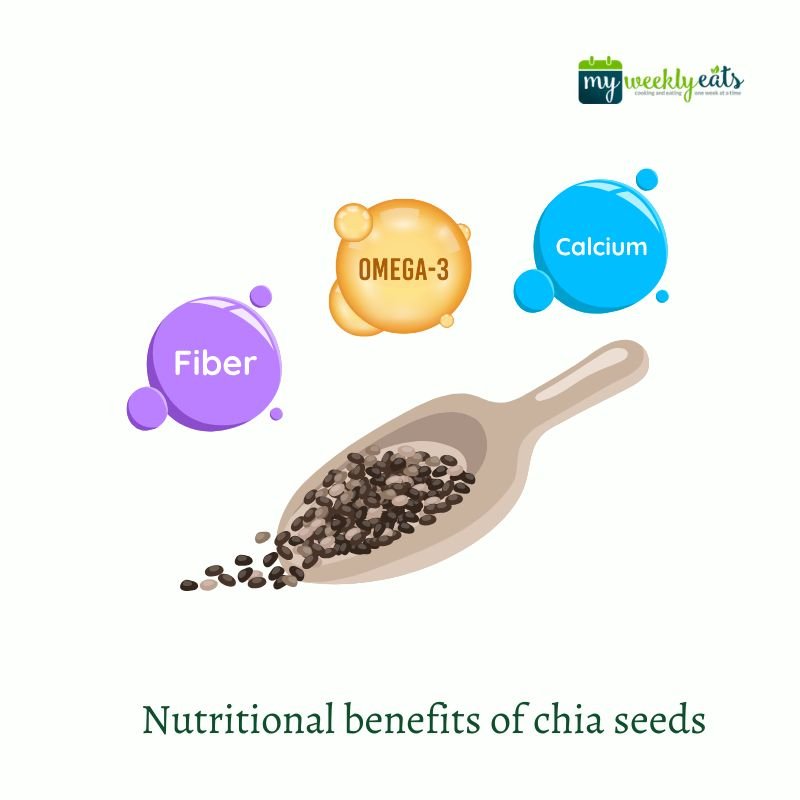
Chia seeds deliver omega-3 ALA fatty acids (approximately 5g per ounce), 10g dietary fibre, 5g protein, calcium (18% DV), and iron per ounce. Despite their small size, they are among the most nutrient-dense foods per gram available. Chia seeds absorb up to 12 times their weight in water, forming a gel that slows digestion and moderates blood sugar response.
Chia seeds’ nutritional profile per ounce (28g) makes them one of the most concentrated nutrient sources available by weight:
ALA Omega-3 (~5g)
Even higher than walnuts by gram-for-gram comparison — the highest ALA content of any common nut or seed. The same ALA-to-EPA/DHA conversion limitation applies as with walnuts; chia is not equivalent to fatty fish as an omega-3 source, but it is the most concentrated plant ALA available.
Dietary Fibre (10g)
Approximately one-third of the daily recommended fibre intake from a single small serving. The soluble fibre fraction forms a viscous gel in water and in the digestive tract, slowing glucose absorption and smoothing blood sugar response. The most fibre-dense common seed available.
Calcium (18% DV)
A meaningful plant-based calcium source — relevant for dairy-free and plant-based diets. Bioavailability is moderate; phytic acid in chia reduces some absorption. Useful as part of a broader calcium strategy rather than a sole source.
Protein (5g)
Chia contains all essential amino acids, though not in ideal proportions for use as a primary protein source. The protein contribution is real and adds to daily intake from a food that is otherwise used primarily for its fibre and omega-3 value.
Iron (12% DV)
Non-heme iron — bioavailability improved by pairing with vitamin C-containing foods. Contributes meaningfully to daily iron intake, particularly valuable for plant-based eaters who don’t consume red meat.
The gel-forming property is practically useful beyond the nutrient profile: chia seeds added to overnight oats, smoothies, or water create a satisfying, satiety-extending texture with no active preparation required. They dissolve into existing foods invisibly — one of the easiest nutritional additions to any weekly routine.
What is the nutritional value of almonds?
Almonds lead all tree nuts in vitamin E content — approximately 37% DV per ounce — alongside 6g protein, monounsaturated fat for cardiovascular health, magnesium (19% DV), and calcium (8% DV). Evidence links regular almond consumption to lower LDL cholesterol and improved blood sugar regulation in controlled dietary trials.
Almonds’ defining contribution is vitamin E — specifically alpha-tocopherol, the most biologically active form. One ounce of almonds provides approximately 37% of the daily value, making them the richest readily available dietary source of vitamin E. Vitamin E is a fat-soluble antioxidant that protects cell membranes from oxidative damage, supports immune function, and has been associated with reduced cardiovascular risk in population studies. All associations should be read as hedged — evidence is consistent but mechanistic causation in humans is not fully established.
Protein at 6g per ounce places almonds among the highest-protein tree nuts, tied with pistachios. The fat profile is predominantly oleic acid — the same monounsaturated fat found in olive oil — associated with cardiovascular health and reduced inflammatory markers in controlled research. Magnesium at 19% DV supports muscle function, blood pressure regulation, and over 300 enzymatic reactions; magnesium deficiency is common in Western diets. Calcium at 8% DV is modest but adds to daily calcium without dairy.
The skin matters: most of almonds’ polyphenol antioxidants — primarily proanthocyanidins — are concentrated in the brown skin. Blanched (skinless) almonds lose a significant portion of this antioxidant content. For maximum nutritional value, choose whole skin-on almonds over blanched versions.
What is the nutritional value of cashews, pecans — and how many brazil nuts should you eat?
Cashews deliver copper (69% DV per ounce), zinc, magnesium, and iron alongside 5g protein and monounsaturated fat. Pecans rank among the highest-antioxidant foods tested and provide manganese (34% DV) and monounsaturated fat. Brazil nuts are exceptional for selenium (175%+ DV per nut) — but must be strictly limited to 1–2 nuts daily to avoid selenium toxicity.
Cashews
1 oz (~18 nuts) · 157 cal
Copper~69% DV
Zinc~14% DV
Magnesium~20% DV
Iron~11% DV
Protein5g
Copper at 69% DV is cashews’ standout. Copper enables iron absorption, collagen synthesis, and superoxide dismutase function — one of the body’s primary antioxidant enzymes. Predominantly monounsaturated fat (oleic acid). Lower total fat and slightly higher net carbohydrate than almonds or walnuts, but the copper contribution makes cashews uniquely valuable in a weekly rotation.
Pecans
1 oz (~19 halves) · 196 cal
Manganese~34% DV
Fat20g (highest of tree nuts)
Antioxidant rankTop 10 (USDA ORAC)
Vitamin E (γ-tocopherol)Significant
Protein3g
Pecans have been ranked among the highest-antioxidant foods ever tested by the USDA’s ORAC method, primarily from ellagic acid and gamma-tocopherol forms of vitamin E. Predominantly monounsaturated fat. Lower protein than most tree nuts, but compensated by exceptional antioxidant density. Ellagic acid is also found in walnuts — these two nuts share a polyphenol profile that other tree nuts lack.
One ounce of brazil nuts (~6 nuts) provides approximately 188 calories and selenium at approximately 988% DV. A single brazil nut delivers roughly 96mcg of selenium — approximately 175% of the 55mcg daily value on its own. Selenium supports thyroid function, antioxidant enzyme activity (glutathione peroxidase), and immune response. However, the upper tolerable intake level for selenium is 400mcg daily. Consuming more than 2–3 brazil nuts daily over extended periods approaches or exceeds this limit when combined with other dietary selenium sources. Selenium toxicity (selenosis) causes hair loss, brittle nails, nausea, fatigue, and neurological effects at sustained excess. The safe strategy: 1–2 brazil nuts daily maximum, or a small handful 2–3 times per week rather than as a daily snack. This is not a reason to avoid brazil nuts — a single brazil nut is one of the most efficient selenium sources available from whole food. It is a reason to be precise about quantity.
Do sesame, sunflower, and poppy seeds have nutritional value?
Yes — all three deliver real nutrition. Sesame seeds provide calcium (9% DV per tablespoon), iron, magnesium, and zinc alongside healthy polyunsaturated and monounsaturated fats. Sunflower seeds are exceptionally rich in vitamin E (49% DV per ounce) and selenium. Poppy seeds deliver calcium, manganese, iron, and healthy fats. All three are high-value nutritional additions at small serving sizes.
Sesame Seeds
One tablespoon (9g) provides approximately 52 calories, 1.6g protein, calcium at 9% DV, iron at 7% DV, magnesium, zinc, and healthy polyunsaturated and monounsaturated fat. The most practical form of sesame nutrition is tahini — sesame seed paste — which concentrates these nutrients and forms the base of hummus. One tablespoon of tahini provides calcium, copper, iron, and manganese in a form most people already consume without recognising it as a nutritional contribution. Sesame seeds also contain sesamin and sesamolin — lignans with antioxidant properties studied in laboratory settings; human clinical evidence at dietary serving sizes is limited but the compounds are genuine.
Sunflower Seeds
One ounce of sunflower seeds provides approximately 166 calories, 5.5g protein, and vitamin E at 49% DV — higher than almonds, making sunflower seeds the vitamin E leader among both seeds and nuts. Selenium in meaningful amounts, B vitamins (particularly thiamine at approximately 10% DV and folate), phosphorus, and magnesium complete the profile. Sunflower seed butter is a nutritionally valid, tree-nut-free alternative for children and adults with nut allergies — it retains most of the vitamin E and protein content of whole sunflower seeds. Sunflower seeds are an underused high-vitamin E source that belongs in weekly rotation for anyone not regularly eating almonds.
Poppy Seeds
One tablespoon of poppy seeds (8.8g) provides approximately 46 calories, calcium at approximately 13% DV — notably high for a small serving — manganese, iron, phosphorus, and polyunsaturated fatty acids (primarily omega-6 linoleic acid). Poppy seeds’ calcium density per tablespoon is their standout characteristic. As a baking ingredient, salad topping, or bread coating, they contribute genuine micronutrients without requiring a large serving or any preparation beyond adding them to existing recipes. A legitimate nutritional addition at quantities most people already use.
How do nuts, seeds, and healthy fats fit into a weekly plate?
Nuts and seeds are the most practical healthy food addition in weekly nutrition: zero preparation, zero cooking, weeks of shelf life. A weekly rotation of walnuts, almonds, chia seeds, and sesame-seed-based foods covers omega-3s, vitamin E, calcium, and plant protein. Adding a small handful of mixed nuts daily costs no preparation time and delivers genuine micronutrient coverage.
The practical case for nuts and seeds is simple and unique among nutrient-dense foods: they require zero preparation. No washing, no cooking, no chopping, no refrigeration risk in the short term. A jar of mixed nuts on a kitchen counter is the fastest nutritional upgrade available to anyone building a weekly plate — it costs seconds, not minutes.
Walnuts
Daily handful
Omega-3 ALA and polyphenols. Add to oatmeal, salads, or eat directly. Store in the refrigerator to preserve the polyunsaturated fat content from oxidation.
Almonds
Daily snack
Vitamin E, protein, magnesium. The most versatile daily nut — eat whole, use as almond butter, or add to smoothies. Choose skin-on for maximum polyphenol content.
Chia Seeds
Daily, no prep
Fibre (10g/oz), omega-3 ALA, calcium. Dissolve into overnight oats, smoothies, or plain water. Requires zero active preparation — the easiest fibre source in weekly nutrition.
Sesame / Tahini
In cooking
Calcium, copper, iron. Already present in hummus and sesame dressings. A tablespoon of tahini in a dressing or sauce contributes meaningful calcium and copper without any extra effort.
Pistachios
Snack option
B6, protein, potassium, carotenoids. Buy in-shell for natural portion regulation. One of the lowest-calorie tree nuts at 159 cal/oz — the highest-count snack per ounce (49 nuts).
Flaxseed: evidence links regular consumption to reduced LDL cholesterol and hormonal balance support via lignans. Critical preparation note — whole flaxseeds pass through the digestive system largely intact, accessing none of the nutrients. Ground flaxseed is required. Add one to two tablespoons of ground flaxseed to oatmeal, smoothies, or baked goods. ALA omega-3 content rivals chia seeds per gram.
Brazil nuts: 1–2 per week provides an efficient selenium source without risk of accumulation from daily snacking. Add to a weekly trail mix rather than treating as a daily snack nut.
Rotating these varieties across a seven-day week covers omega-3 fatty acids, vitamin E, fibre, calcium, copper, manganese, and plant protein — a nutritional map no single nut or seed covers alone. And it costs nothing in preparation time.
Build the Weekly Rotation That Actually Covers Your Nutritional Map
Nuts and seeds in your daily rotation — applied to a structured weekly plate alongside vegetables, grains, and proteins.Start Building Your Weekly Nutrition Plan on MyWeeklyEats.com →
The Bottom Line
Three things are consistently true about nuts, seeds, and healthy fats in weekly nutrition. No single variety wins on all nutrients — walnuts lead on omega-3s, almonds on vitamin E, pistachios on B6, sunflower seeds on vitamin E again but in a different profile. Variety covers the nutritional map more efficiently than any optimised single choice. The combined contribution of a daily handful of walnuts and almonds, chia seeds in oatmeal, and tahini in dressings covers omega-3 ALA, vitamin E, fibre, and plant calcium from four zero-to-minimal-preparation additions to a weekly routine. And unlike almost every other nutrient-dense food category, they require no cooking — making them the weekly nutritional upgrade that costs nothing in time to implement.


One Comment