
Nutritional Value of Vegetables & Plant Foods: A Complete Guide for Weekly Meal Planning
Most people think they know which vegetables are worth eating — and most people are wrong. Corn gets dismissed as empty starch. Celery gets written off as diet filler. Iceberg lettuce barely earns a second glance. Meanwhile, genuinely powerful plant foods like sweet potatoes, mushrooms, and dark leafy greens sit underused in weekly meal plans.
The truth is that the nutritional value of vegetables varies enormously — not just between spinach and iceberg lettuce, but between a sweet potato and a white potato, between canned tomatoes and fresh ones, between UV-exposed mushrooms and mushrooms kept in the dark. Understanding micronutrient density, dietary fiber, vitamins and minerals, and phytonutrients changes how you shop, cook, and eat.
This guide compares vegetables by what actually matters: nutrient density per calorie, fiber content, vitamin and mineral profiles, and practical weekly use. The top picks for micronutrient coverage are spinach, sweet potatoes, broccoli, mushrooms, and carrots — but even the so-called “low-value” vegetables earn their place on your plate.
What vegetables have the highest nutritional value?
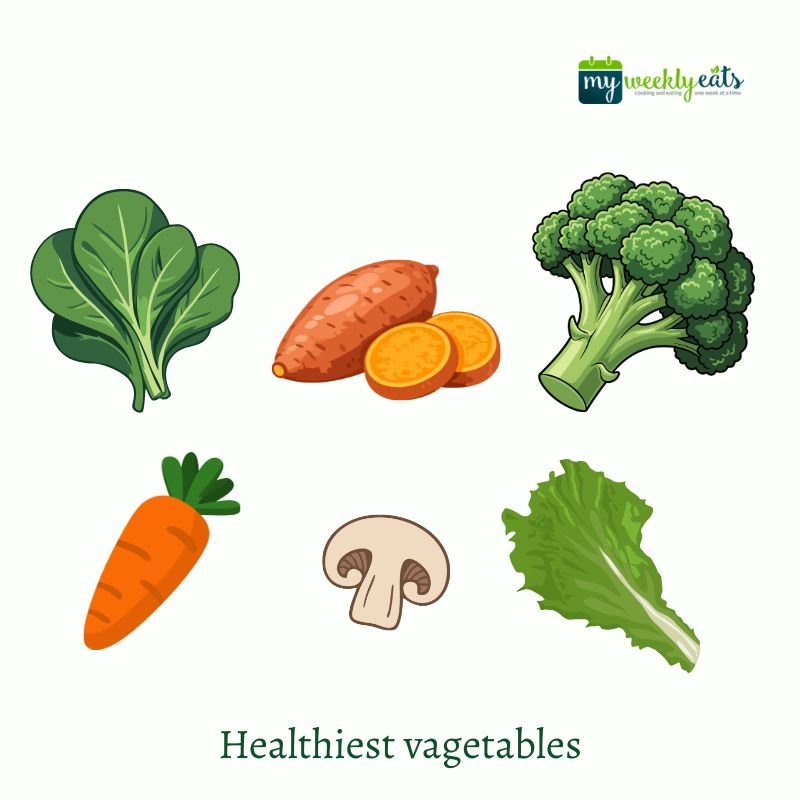
| Quick Answer: Spinach and kale top the charts for micronutrient density, delivering iron, calcium, and vitamins A, C, and K per calorie. Sweet potatoes, broccoli, carrots, and beets follow closely. Dark, deeply colored vegetables consistently outperform pale varieties in vitamin and antioxidant content. |
Nutrient density — the concentration of vitamins and minerals relative to calorie content — is the most useful way to rank vegetables for plant-based nutrition. A cup of raw spinach delivers 987% of your Daily Value (DV) for vitamin K, meaningful iron, and powerful antioxidants in vegetables, all for 7 calories. That ratio is hard to beat.
The top performers by micronutrient density, based on USDA FoodData Central data, are:
- Spinach: vitamins K, A, C; iron, folate, calcium — the clearest nutritional value of vegetables leader.
- Sweet Potato: vitamin A from beta-carotene (561% DV per cup), fiber, manganese, potassium.
- Broccoli: 135% DV vitamin C per cup, glucosinolates, vitamin K, and 5 g dietary fiber.
- Carrots: 428% DV vitamin A, beta-carotene, potassium — strong in both raw and roasted forms.
- Mushrooms: the only produce source of natural vitamin D; also rich in B vitamins and selenium.
- Romaine Lettuce: 64% DV folate per cup, vitamin K, vitamin C — far stronger than iceberg.
Deep color is the most reliable visual shortcut for antioxidants in vegetables. Orange and yellow pigments indicate beta-carotene. Dark green signals chlorophyll and fat-soluble vitamins. Purple and red hues point to anthocyanins, a class of phytonutrients linked to oxidative stress reduction. The table below provides the full comparison:
| Vegetable | Cal / Cup | Standout Nutrient | Fiber | Vit C | Form | Best Weekly Use |
| Spinach | 7 | Vitamin K (987% DV) | 0.7 g | 28% DV | Fresh / Frozen | Salads, smoothies |
| Sweet Potato | 103 | Vitamin A (561% DV) | 3.8 g | 65% DV | Fresh | Roasted, mashed |
| Broccoli | 55 | Vitamin C (135% DV) | 5 g | 135% DV | Fresh / Frozen | Steamed, stir-fry |
| Corn | 132 | Thiamine + Lutein | 3.6 g | 13% DV | Fresh/Canned/Frozen | Grilled, soups, sides |
| Mushrooms | 15 | Vitamin D (unique) | 0.5 g | 4% DV | Fresh | Sautéed, soups |
| Romaine Lettuce | 17 | Folate (64% DV) | 2 g | 40% DV | Fresh | Salads, wraps |
| Carrots | 52 | Vitamin A (428% DV) | 3.6 g | 13% DV | Fresh / Frozen | Raw, roasted |
| Celery | 10 / stalk | Vitamin K + Phthalides | 0.6 g | 5% DV | Fresh | Snacks, soups |
Full breakdowns for corn, lettuce, celery, potatoes, mushrooms, and canned vegetables follow in the sections below.
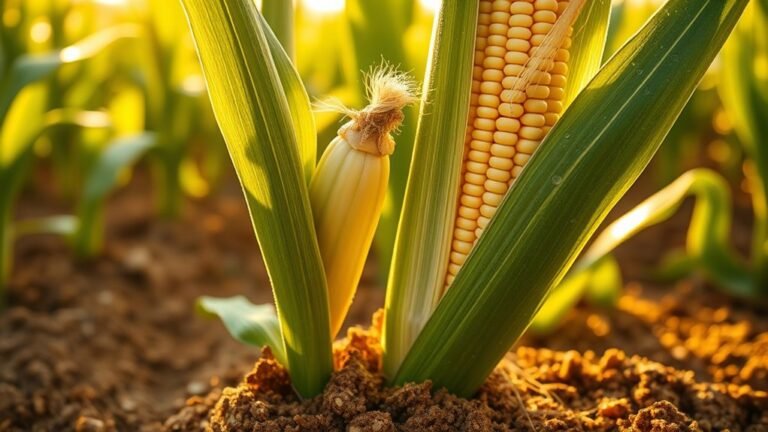
Does corn have nutritional value?
| Quick Answer: Yes. Corn provides fiber, B vitamins, and antioxidants including lutein and zeaxanthin that protect eye health. One ear of sweet corn delivers approximately 3.6 g fiber, 5 g protein, thiamine, and folate. Canned, fresh, and frozen corn all retain meaningful nutrition despite its starchy reputation. |
Corn has an image problem. Its starchy reputation and natural sweetness make people assume it belongs in the junk food category. That assumption misses the plant foods nutritional content that corn genuinely delivers.
Here is what one cup of cooked sweet corn actually provides, per USDA data:
- 3.6 g dietary fiber — 13% DV, meaningful for gut microbiome and satiety
- 5 g plant-based protein — comparable to many other vegetables
- Thiamine (vitamin B1) at 24% DV — essential for energy metabolism
- Folate at 19% DV — important for cell division and fetal development
- Lutein and zeaxanthin — carotenoid antioxidants concentrated in the macula of the eye
Lutein and zeaxanthin are the nutritional argument that most people miss. Evidence indicates these compounds are linked to reduced risk of age-related macular degeneration. Corn is one of the richest dietary sources of both, making it valuable for weekly meal planning beyond just energy content.
What about popcorn? Air-popped popcorn is a whole grain. Three cups deliver roughly 3.5 g dietary fiber and meaningful levels of B vitamins. It qualifies as a legitimate plant food with phytonutrient value — as long as it’s not buried under butter and salt.
Fresh, frozen, and canned corn all retain their fiber and mineral content. The B vitamins are partially reduced in canned corn but remain significant. For weekly meal planning, frozen corn is the most convenient form without meaningful nutritional compromise.
Does lettuce have any nutritional value — and which type is best?
| Quick Answer: All lettuce delivers nutrition, but variety matters significantly. Romaine outperforms iceberg, supplying folate, vitamin K, and vitamin C in meaningful amounts. Iceberg lettuce offers hydration and trace vitamins A and K. Butter lettuce and arugula fall between these extremes in overall micronutrient contribution. |
The claim that iceberg lettuce is ‘nutritionally empty’ is a myth worth correcting. Iceberg does have lower micronutrient density than its darker cousins — but ‘lower’ is not the same as ‘zero.’ A cup of iceberg provides vitamin K, folate, and vitamin A in trace amounts, along with a water content above 95%, making it an effective hydration food.
The four major lettuce types, compared on micronutrient density:
- Romaine: The clear nutritional value of vegetables leader in the lettuce category. Provides ~64% DV folate per cup, 40% DV vitamin C, and significant vitamin K. Best use: salads, grain bowls, lettuce wraps where you want both crunch and nutrition.
- Arugula: Rich in vitamin K, glucosinolates (shared with cruciferous vegetables), and calcium. Peppery flavor makes it useful in small quantities layered over richer dishes.
- Butter Lettuce: Softer leaves with moderate folate and vitamins A and K. Good for wraps; sits between arugula and iceberg in overall micronutrient profile.
- Iceberg: Lowest nutrient density of the four, but provides real hydration value, trace vitamins A and K, and mild flavor that pairs universally. Not nutritionally empty — just not a powerhouse.
For weekly meal planning, the practical answer is to default to romaine or arugula when building salads, and reserve iceberg for dishes where its crunch and neutral flavor serve the meal — tacos, wedge salads, sandwiches. Mixing lettuce types increases the breadth of phytonutrients across the week.
Does celery have any nutritional value?
| Quick Answer: Yes. Celery provides vitamin K, vitamin C, potassium, and folate with approximately 10 calories per stalk. It contains antioxidant flavonoids and phthalides, compounds studied for blood pressure regulation. Its 95% water content also makes celery an effective hydration food in hot weather or active lifestyles. |
Low-calorie does not mean low-nutrition. Celery is a clear example of this rule. At roughly 10 calories per large stalk, celery delivers a nutritional profile that punches above its caloric weight.
The key nutrients in celery, per USDA data:
- Vitamin K: one large stalk provides approximately 29% DV — significant for bone health and blood clotting
- Potassium: supports electrolyte balance; important for athletes and active weekly meal prep
- Folate: contributes to DNA synthesis and is especially important during pregnancy
- Vitamin C: antioxidant support, though modest per stalk
The most interesting compounds in celery are phthalides, a class of phytonutrients found almost exclusively in this vegetable. Studies indicate phthalides may support healthy blood pressure by relaxing arterial muscle tissue and reducing stress hormones. The research is early-stage, and evidence suggests rather than confirms a strong therapeutic effect — but the signal is consistent enough to be worth noting.
In practical weekly meal planning, celery earns its place in multiple roles: raw as a snack with hummus or nut butter, chopped into soups and stews where it adds depth along with micronutrients, or as part of a mirepoix base that forms the flavor foundation of hundreds of plant-based nutrition dishes. Its 95% water content makes it genuinely useful for hydration between meals.
What is the nutritional value of potatoes — white vs. sweet?
| Quick Answer: Both deliver strong nutrition. White potatoes supply potassium, vitamin C, vitamin B6, and resistant starch when cooled after cooking. Sweet potatoes add beta-carotene, the precursor to vitamin A, making them one of the most micronutrient-dense root vegetables available at any grocery store. |
The potato has been unfairly reduced to a starch delivery vehicle. A medium white potato — skin on — is one of the most potassium-rich foods available, delivering 26% DV, more than a banana. It also provides 27% DV vitamin C, 27% DV vitamin B6, and meaningful fiber when the skin is left intact.
The resistant starch benefit is worth understanding. When cooked white potatoes are cooled — in the refrigerator overnight, for example — a portion of the digestible starch converts to resistant starch, which functions more like dietary fiber. It feeds beneficial gut bacteria, slows glucose absorption, and increases satiety. This is why cold potato salad has a different glycemic response than freshly baked potato.
Sweet potatoes bring a different nutritional profile. One medium sweet potato delivers:
- Over 100% DV vitamin A from beta-carotene — among the highest of any single food
- 561% DV vitamin A per cooked cup by some USDA measures
- 65% DV vitamin C, 3.8 g fiber, and manganese
- Higher antioxidant load from beta-carotene and anthocyanins in purple-flesh varieties
Leaving the skin on a sweet potato increases fiber content by roughly 25%. Roasting concentrates the natural sugars but does not meaningfully reduce the vitamin A or antioxidant content.
We recommend building your weekly meal rotation around both root vegetables. White potatoes for potassium, B6, and versatility. Sweet potatoes for vitamin A coverage and beta-carotene. Together, they provide complementary plant foods nutritional content that a single variety cannot match.
Do mushrooms have nutritional value?
| Quick Answer: Yes — and uniquely so. Mushrooms are the only produce source of natural vitamin D when exposed to UV light. They also provide B vitamins, selenium, potassium, and ergothioneine, a rare antioxidant with no plant equivalent. Mushrooms are among the most nutritionally distinctive foods in the produce aisle. |
No other vegetable or plant food in the produce section generates vitamin D from sunlight. Mushrooms do — through a mechanism that mirrors human skin. When mushrooms are exposed to UV light (sunlight or UV lamps), their ergosterol converts to ergocalciferol, also known as vitamin D2. The amount generated depends on exposure time, UV intensity, and whether the gills face upward.
Gills-up sun exposure for 15 to 30 minutes can dramatically increase the vitamin D content of fresh mushrooms — a practical tip with real nutritional impact for plant-based nutrition eaters who don’t consume fortified dairy.
Beyond vitamin D, mushrooms deliver a B vitamin profile that is unusual for produce:
- Riboflavin (B2): supports cellular energy production
- Niacin (B3): involved in DNA repair and metabolism
- Pantothenic acid (B5): essential for synthesizing coenzyme A
Selenium content in mushrooms is also notable. Studies suggest selenium supports immune function and acts as a cofactor for antioxidant enzymes. Portobello and shiitake mushrooms are among the highest selenium sources in the produce category.
The most scientifically intriguing compound in mushrooms is ergothioneine — a rare amino acid antioxidant with no equivalent in plant foods. Evidence indicates ergothioneine accumulates in tissues under oxidative stress, where it appears to act as a protective buffer. Shiitake, oyster, and white button mushrooms are the best dietary sources.
For weekly meal planning, mushrooms deserve a consistent presence. Sautéed portobello as a meat substitute, shiitake in broths and stir-fries, white button in pasta and egg dishes — each variety brings slightly different micronutrients and phytonutrients to the weekly plate.
Do canned vegetables retain their nutritional value?
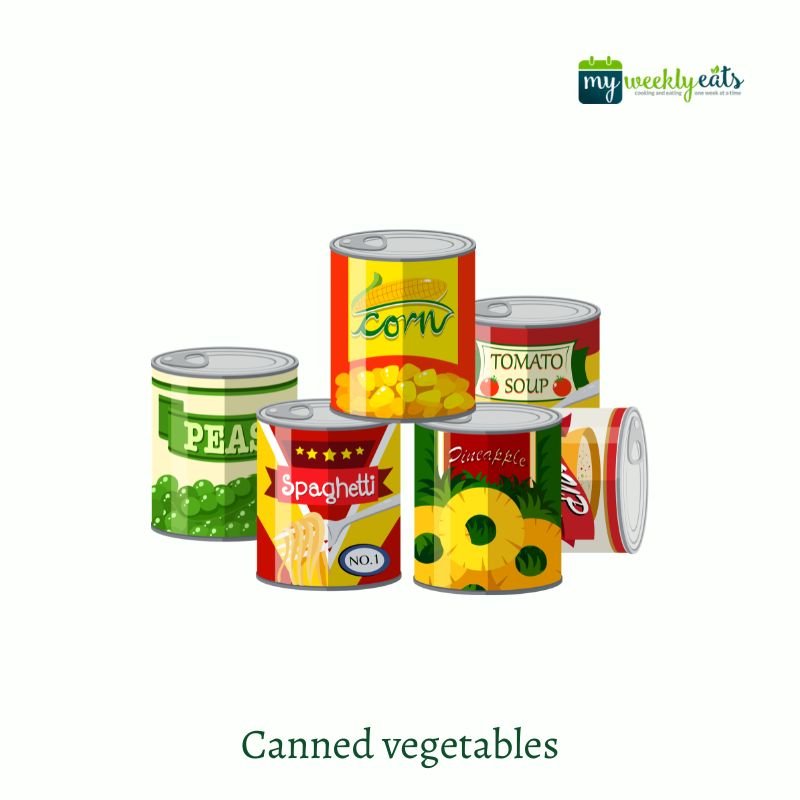
| Quick Answer: Largely yes. Canning preserves most minerals, fiber, and fat-soluble vitamins like A, E, and K. Water-soluble vitamins C and B are reduced during heat processing. Canned tomatoes, black beans, beets, and chickpeas retain substantial nutrition and compare favorably with out-of-season fresh produce. |
The canned vs. fresh debate is more nuanced than most people assume. Heat processing during canning does reduce water-soluble vitamins — specifically vitamin C (ascorbic acid), thiamine (B1), and folate (B9). These leach into the canning liquid during sterilization. The practical fix: use the liquid in soups, stews, and sauces rather than discarding it.
What canning preserves well:
- Minerals — potassium, iron, magnesium, calcium are largely unaffected by heat
- Dietary fiber — fiber is heat-stable and fully retained in canned vegetables and legumes
- Fat-soluble vitamins A, E, and K — stable under heat processing
- Lycopene in tomatoes — actually increases with heat; canned tomatoes deliver more bioavailable lycopene than raw
The canned spinach question comes up often. Yes, canning reduces folate in spinach by a meaningful amount. However, heat actually increases the bioavailability of iron in spinach by breaking down oxalic acid, which inhibits iron absorption when raw. The nutrient retention picture shifts depending on which nutrient you are measuring.
For specific canned vegetables worth prioritizing in weekly meal planning:
- Canned black beans and chickpeas: retain fiber, iron, and plant-based protein almost fully. Rinsing reduces sodium by up to 40% without affecting nutrient content.
- Canned beets: preserve antioxidant betalains, folate, and potassium — comparable to fresh when cooked
- Canned tomatoes: outperform out-of-season fresh tomatoes for lycopene and overall antioxidant value
The practical rule: canned beats out-of-season fresh for most vegetables. Fresh in-season produce outperforms canned for water-soluble vitamins. Frozen falls between the two, with better water-soluble vitamin retention than canned but less convenience than shelf-stable.
Which plant foods should you eat most often for complete nutrition?
| Quick Answer: Dark leafy greens, cruciferous vegetables, legumes, root vegetables, and alliums together form the strongest nutritional foundation. Eating spinach, broccoli, sweet potatoes, mushrooms, onions, and legumes weekly provides broad coverage of vitamins A, C, K, folate, iron, potassium, and plant-based protein. |
No single vegetable covers every micronutrient. Complete plant-based nutrition comes from category diversity across the week. Five plant food categories together cover the overwhelming majority of your daily vitamin and mineral requirements:
1. Dark Leafy Greens
Spinach, kale, arugula, and Swiss chard anchor this category. They deliver iron, folate, calcium, and vitamins A, C, and K in the highest concentrations found in any produce. Adding two or three servings of dark leafy greens per week — in salads, smoothies, sautéed as a side, or wilted into soups — provides a micronutrient foundation that no supplement stack fully replicates.
2. Cruciferous Vegetables
Broccoli, cauliflower, cabbage, Brussels sprouts, and kale (which spans both categories) provide vitamin C, vitamin K, glucosinolates, and significant dietary fiber. Glucosinolates are phytonutrients studied extensively for their role in supporting detoxification pathways. Evidence indicates regular cruciferous vegetable consumption is associated with favorable inflammatory markers.
3. Root Vegetables
Sweet potatoes, beets, carrots, and parsnips deliver beta-carotene, vitamin A, and antioxidants. Their natural sweetness makes them among the easiest plant foods to include consistently. Beets specifically contain betalains — a class of phytonutrients linked to oxidative stress reduction and supported circulation. Roasting concentrates their flavor without compromising fat-soluble vitamin content.
4. Alliums
Onions, garlic, leeks, and shallots are the category most commonly underappreciated as nutritional contributors. Alliums contain quercetin, a flavonoid antioxidant with evidence suggesting anti-inflammatory properties, and allicin, the sulfur compound in garlic studied for immune support and cardiovascular health. These aren’t calorie-dense vegetables — they function as flavor and phytonutrient amplifiers used daily in virtually every cuisine worldwide.
5. Legumes
Chickpeas, black beans, lentils, and edamame are the plant-based protein and fiber anchors of the group. A cup of cooked lentils delivers 18 g protein, 16 g fiber, 90% DV folate, and meaningful iron. Legumes also provide resistant starch — the same gut-health-supporting fiber found in cooled potatoes. For anyone building meals around plant foods, legumes are the single highest-leverage addition for nutritional completeness.
We recommend building your weekly plate deliberately around these five categories. You do not need to eat every category every day. Hitting each category two to three times per week — rotating varieties within each — gives your body broad micronutrient coverage without needing supplements for most healthy adults.
The Bottom Line on Vegetable Nutrition
Not all vegetables are equal in micronutrient density. Spinach outperforms iceberg lettuce by a significant margin. Sweet potatoes outperform white potatoes for vitamin A coverage. Ethiopian black seed and UV-exposed mushrooms both illustrate the same principle that applies across plant foods: sourcing, preparation, and variety matter as much as selection.
But here is the more important conclusion: even the so-called ‘low-value’ vegetables — corn, celery, iceberg lettuce — contribute meaningful fiber, phytonutrients, and micronutrients to a weekly diet. The goal is not to curate a perfect list and ignore everything else. The goal is category diversity across dark greens, cruciferous vegetables, root vegetables, alliums, and legumes, consistently, week after week.
For maximum micronutrient coverage, anchor your meals around dark leafy greens, cruciferous vegetables, sweet potatoes, and legumes. For practical weekly planning built around real plant food, MyWeeklyEats makes it simple to build and rotate nutritious meals without starting from scratch each week.
| Ready to Eat Better Every Week? Build Your Weekly Plant-Food Meal Plan on MyWeeklyEats.com Anchor your meals around the nutrient-dense vegetables in this guide — and let MyWeeklyEats do the planning for you. |
Nutritional data referenced from USDA FoodData Central. All health benefit statements use hedged language and reflect current research consensus. This content is for informational purposes only and is not intended as medical or dietary advice.

One Comment