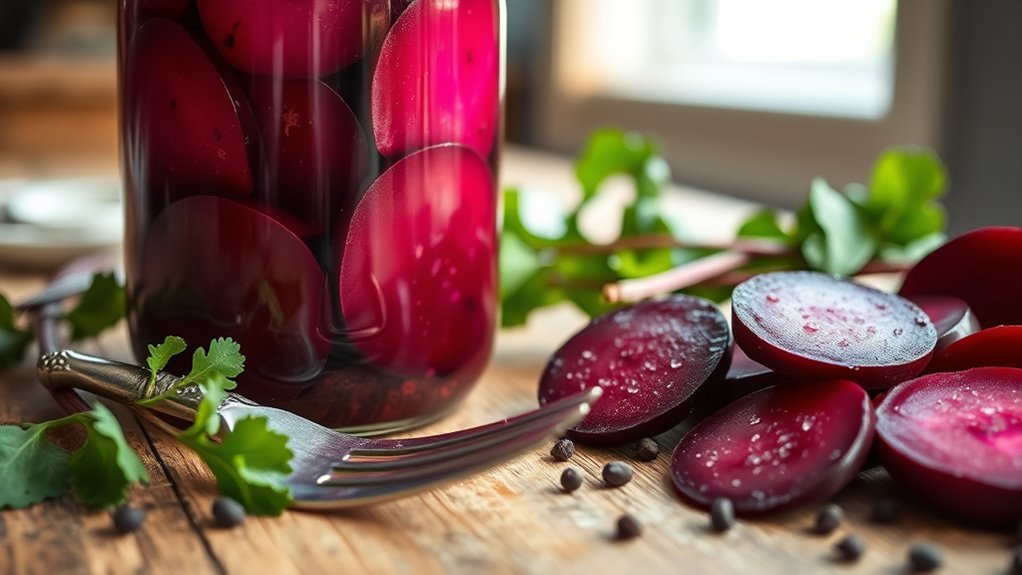
Do Pickled Beets Have Any Nutritional Value?
Yes, pickled beets do have nutritional value. You get minerals like potassium, calcium, and iron, plus antioxidants that reduce inflammation.
Fermented pickled beets add gut-friendly probiotics, helping digestion and immune health.
While pickling can reduce some nutrients and add sodium, the complex carbs and vinegar help manage blood sugar.
They also support heart health by relaxing blood vessels. Keep exploring to discover more about their benefits and how to enjoy them.
What Nutrients Do Pickled Beets Provide?
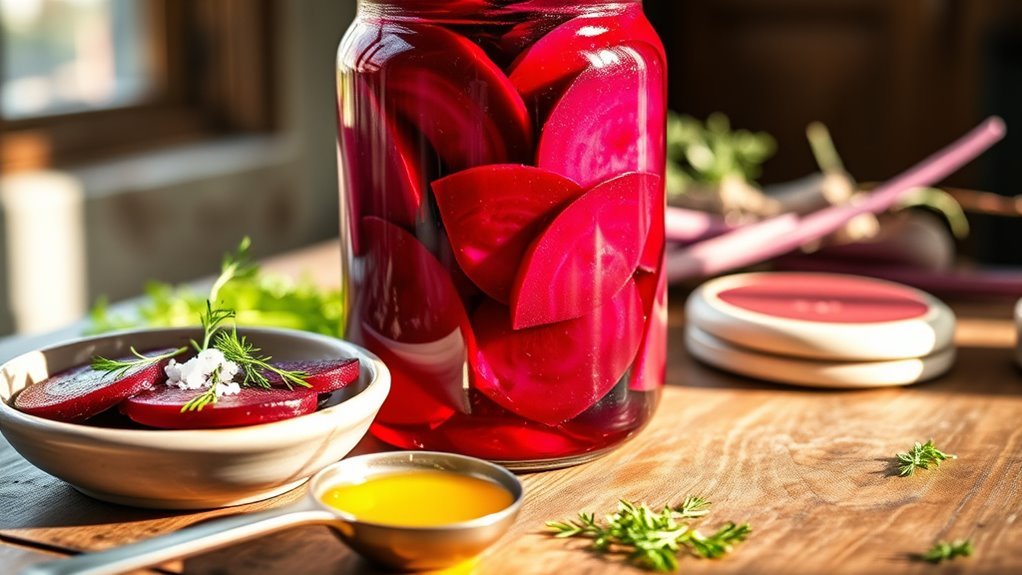
Although the pickling process reduces some nutrient levels, pickled beets still provide valuable minerals like potassium, calcium, and iron. When you eat pickled beets, you’re fueling your body with important nutrients that support overall health.
These vibrant veggies are rich in antioxidants, such as betalains and betanins, which help fight oxidative stress and inflammation. If your pickled beets are fermented, they also contain probiotics that promote gut health and strengthen your immune system.
Pickled beets offer a small amount of complex carbohydrates, which can help you manage blood sugar levels more effectively. These combined benefits make pickled beets a smart addition to your diet, whether you enjoy them as a side dish or a tangy snack.
How Does Pickling Affect Beet Nutrition?
You get many nutrients from pickled beets, but the pickling process changes their nutritional profile in several ways. Pickling generally causes nutritional loss, especially reducing betaine, iron, folate, choline, and calcium levels in beetroot.
However, vitamin C might increase slightly due to added ingredients like tamarind and chili powder. If fermentation is involved, probiotics can develop, supporting gut health, though they don’t preserve all original nutrients.
Moreover, spices used during pickling often contain antinutrients such as tannins, phytates, and oxalates, which reduce nutrient bioavailability further. So, while pickling decreases the overall nutrient density of beets, it can enhance flavor and introduce probiotics depending on the method.
Understanding these changes helps you appreciate how pickling affects beet nutrition without assuming it simply preserves all the original benefits.
Health Benefits of Pickled Beets
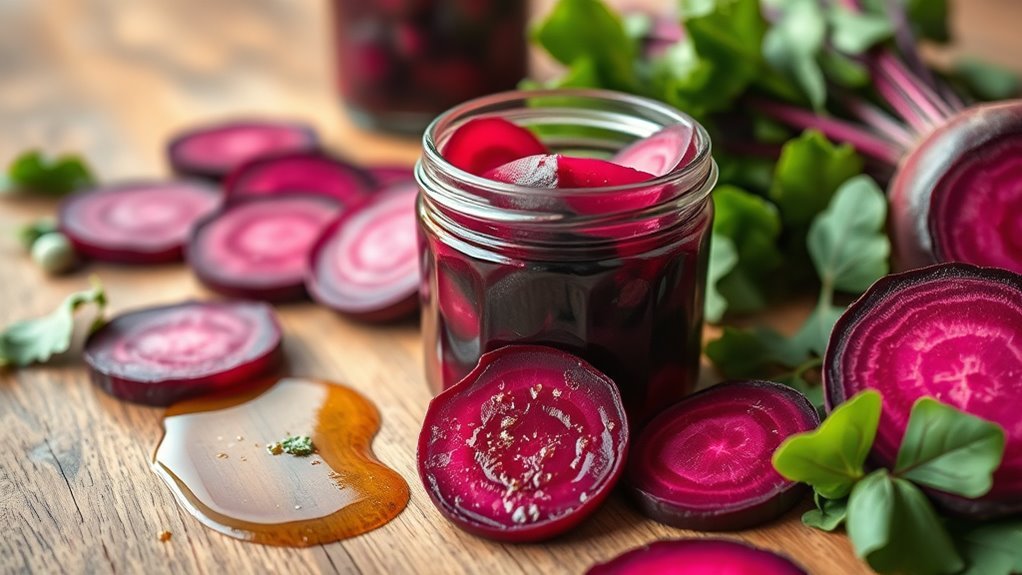
When you include pickled beets in your diet, you tap into several health benefits that go beyond basic nutrition. Pickled beets deliver antioxidants like flavonoids and betalains, which help reduce inflammation and protect your cells from oxidative stress.
Thanks to fermentation, they contain probiotics that promote gut health and strengthen your immune system. These beets also provide essential nutrients such as potassium, calcium, and iron, supporting muscle function and cardiovascular health.
Plus, regular consumption may help regulate blood pressure, contributing to heart health.
| Benefit | Key Components | Impact |
|---|---|---|
| Antioxidants | Flavonoids, Betalains | Reduce inflammation |
| Gut Health | Probiotics | Enhance digestion, immunity |
| Nutrients | Potassium, Calcium, Iron | Support muscles, heart |
| Blood Pressure | Potassium, Vinegar | Aid blood pressure control |
Pickled beets offer a powerful blend of health benefits through their nutrients and antioxidants.
Can Pickled Beets Help Manage Blood Sugar?
You can manage your blood sugar better by enjoying pickled beets because they contain complex carbs that release energy slowly. Also, the vinegar used in pickling helps slow down carbohydrate digestion, which means fewer spikes after meals. On top of that, the probiotics from fermentation support gut health, and that plays a key role in keeping your blood sugar balanced.
Role of Vinegar
How exactly does vinegar in pickled beets influence your blood sugar levels? Vinegar slows carbohydrate digestion, which reduces blood sugar spikes after meals. The acetic acid in vinegar improves insulin sensitivity, helping your body manage glucose more effectively.
Studies show that regularly eating vinegar-rich pickled beets supports better glycemic control and lowers fasting blood sugar levels. Here’s a quick look:
| Factor | Effect on Blood Sugar |
|---|---|
| Vinegar content | Slows carbohydrate digestion |
| Acetic acid | Boosts insulin sensitivity |
| Post-meal response | Reduces blood sugar spikes |
| Fasting glucose levels | Markedly lowered |
| Glycemic control | Improved with regular intake |
Including pickled beets in your diet could be a simple way to support blood sugar management naturally.
Complex Carbohydrates Impact
Vinegar’s role in managing blood sugar sets the stage for understanding how the complex carbohydrates in pickled beets also contribute to this effect. Pickled beets provide about 14 grams of complex carbohydrates per half-cup, which digest slowly and cause a gradual rise in blood sugar levels.
This slow digestion, combined with the fiber content in pickled beets, helps slow carbohydrate absorption, enhancing blood sugar management. Furthermore, the vinegar used in pickling improves insulin sensitivity, reducing post-meal blood sugar spikes.
Probiotic Effects
Although research is ongoing, fermented pickled beets contain probiotics like Lactobacillus plantarum that can improve gut health and may support blood sugar regulation. The vinegar in pickled beets also slows carbohydrate absorption, helping reduce blood sugar spikes after meals.
These probiotic effects may enhance insulin sensitivity, contributing to better blood sugar management.
Here’s how fermented pickled beets can help:
| Benefit | Effect |
|---|---|
| Probiotics (Lactobacillus) | Improve gut health |
| Vinegar | Slows carbohydrate absorption |
| Gut health | Supports insulin sensitivity |
| Blood sugar regulation | Lowers fasting blood glucose |
Including pickled beets in your diet could be a tasty, natural way to aid blood sugar control.
Pickled Beets and Heart Health
When you include pickled beets in your diet, you tap into their natural nitrates, which convert to nitric oxide and help relax your blood vessels, potentially lowering your blood pressure. This process supports healthier vascular function, reducing strain on your heart.
Pickled beets also provide potassium, which plays a vital role in maintaining blood vessel health and managing hypertension. The antioxidants in pickled beets, especially betalains, help reduce inflammation, a major contributor to heart disease.
Regularly enjoying pickled beets may improve endothelial function, which is essential for overall cardiovascular health. By incorporating pickled beets into your meals, you support heart health through multiple pathways: lowering blood pressure, enhancing vascular function, and fighting inflammation.
How Do Probiotics in Pickled Beets Help Your Gut?
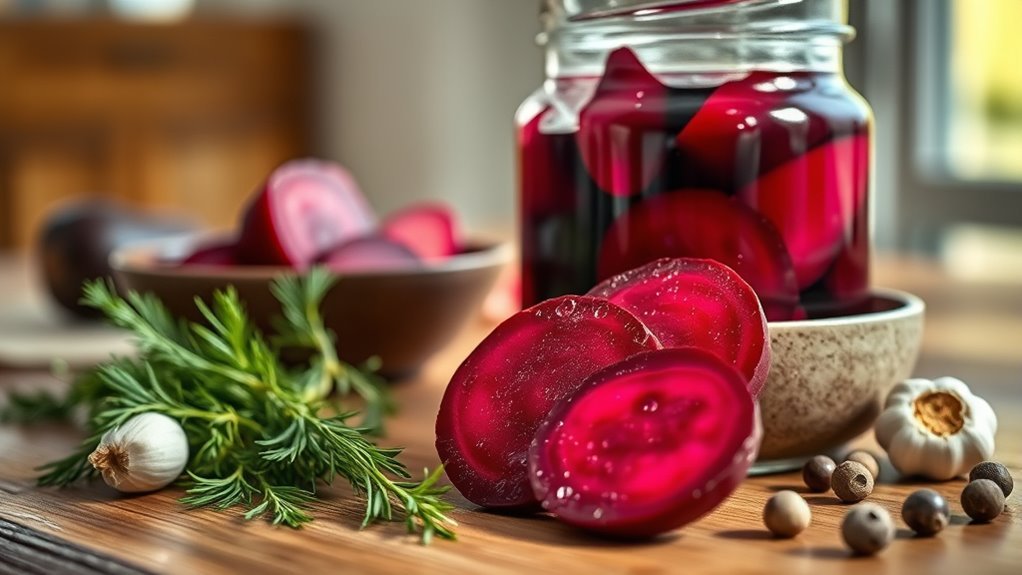
The probiotics in pickled beets, like Lactobacillus plantarum, work to restore and maintain your gut’s healthy bacteria. Through fermentation, these beneficial microbes enhance your gut microbiome, which plays a vital role in digestion and overall gut health.
Probiotics in pickled beets, like Lactobacillus plantarum, support and restore your gut’s healthy bacteria.
When you include pickled beets in your diet, you support nutrient absorption and can reduce issues like bloating, constipation, and diarrhea.
Here’s how probiotics in pickled beets benefit you:
- Improve digestion by balancing gut bacteria and aiding nutrient breakdown
- Boost immune function by stimulating anti-inflammatory cytokines
- Promote a healthy gut microbiome, linked to reduced inflammation and better mental health
Antioxidants in Pickled Beets
You’ll find antioxidants like betalains and betanins in pickled beets. These compounds give them their rich red color and also support your immune health.
Now, pickling can lower the overall antioxidant levels a bit. But interestingly, some antioxidants, like vitamin C, might actually increase depending on what ingredients are added during pickling.
These antioxidants are great because they help reduce inflammation and protect your brain. So, including pickled beets in your diet can be a smart and tasty choice!
Antioxidant Types Present
Because pickled beets undergo fermentation and include added spices, they offer a unique mix of antioxidants you might not find in fresh beets. The fermentation process boosts the bioavailability of antioxidants like betalains, which are responsible for their deep red color and powerful anti-inflammatory effects.
These antioxidants help reduce oxidative stress by neutralizing free radicals. Furthermore, some ingredients used in pickling, such as tamarind and chili powder, can increase the vitamin C content, further enhancing their antioxidant profile. Here are the key antioxidant types present in pickled beets:
- Betalains: potent antioxidants with anti-inflammatory properties
- Vitamin C: boosted by added spices, supports immune health
- Betanins: help combat oxidative stress and protect cells
Together, these antioxidants contribute to the health benefits you can gain from pickled beets.
Impact of Pickling
While pickled beets share many antioxidant benefits with fresh beets, the pickling process changes their nutritional profile in notable ways. Pickling can reduce antioxidant levels by 25-70%, primarily affecting betalains, the key antioxidants in fresh beets.
However, fermentation during pickling helps preserve some antioxidant activity and boosts probiotic content, which supports your body’s antioxidant defenses. Furthermore, certain antioxidants like vitamin C may increase due to added ingredients such as tamarind and chili powder.
Vinegar used in pickling also plays a role, as it may aid blood sugar regulation, indirectly supporting antioxidant effects by lowering oxidative stress. So, while pickling alters the antioxidant content, it still maintains or enhances the nutritional value of beets in unique ways.
Health Implications
Though pickling alters the antioxidant levels in beets, you still benefit from important compounds like betalains and flavonoids in pickled beets. These antioxidants play a key role in reducing inflammation and oxidative stress, which supports your overall health.
Plus, the fermentation process in some pickled beets preserves probiotics that boost immune health.
Here’s how pickled beets can impact your health:
- Help lower blood pressure and reduce the risk of chronic disease
- Support immune health through probiotic compounds
- Provide antioxidants that may protect against cancer and heart disease
While some antioxidant levels drop during pickling, ingredients like tamarind and chili powder can increase vitamin C, enhancing the health benefits you get from pickled beets.
Potential Downsides of Eating Pickled Beets
If you’re enjoying pickled beets regularly, you should be aware of some potential downsides. Pickled beets often contain high levels of sodium due to added salt, which can raise your blood pressure and increase cardiovascular risk if you eat too much.
Many commercial versions also include added sugars, which might contribute to weight gain and insulin resistance over time. The pickling process causes nutrient loss, especially antioxidants like betalains, reducing their overall health benefits.
Beets naturally have high oxalate content, and pickling doesn’t remove these compounds. If you’re prone to kidney stones, eating too many pickled beets could increase your risk.
Moreover, excessive consumption may lead to gastrointestinal discomfort or nutrient imbalances because of the salt and oxalates. So, while pickled beets can be tasty, it’s important to enjoy them in moderation and be mindful of these potential drawbacks.
Using Pickled Beets in Your Diet
Because pickled beets offer probiotics and essential minerals like potassium, calcium, and iron, you can easily boost your gut health and support your cardiovascular and bone systems by adding them to your meals. Their nutritional value extends beyond just vitamins and minerals. The vinegar in pickled beets helps with blood sugar management, making them a smart choice for balanced diets.
While pickling may reduce some nutrients, it can increase vitamin C depending on added ingredients.
Here’s how you can use pickled beets in your diet:
- Add them as a tangy side dish to complement main courses.
- Toss them into salads for extra flavor and a probiotic boost.
- Blend into smoothies or dips to enhance nutrient intake and gut health.
Including pickled beets regularly helps you enjoy their unique benefits while diversifying your meals with rich probiotics and essential nutrients.
Frequently Asked Questions
How Long Do Pickled Beets Last in the Refrigerator?
Pickled beets usually have a shelf life of 2 to 3 weeks in the refrigerator. To maximize freshness, you should use proper storage tips like keeping them in an airtight container and maintaining refrigeration at or below 40°F.
The fermentation process and vinegar help preserve nutrients and inhibit spoilage. Watch for quality indicators like off smells or slimy textures. Following these refrigeration methods guarantees your pickled beets stay safe and tasty longer.
Are Pickled Beets Safe for Pregnant Women to Eat?
You can safely include pickled beets in your pregnancy diet, but moderation is key. About 1 cup daily is advisable. Pickled beets offer beet nutrition like folate, which supports fetal development.
Just watch for health risks like high sodium and nitrates. Different beet varieties may vary in oxalate content. So if you have dietary restrictions or a history of kidney stones, limit your intake.
Always choose pasteurized options for safety and enjoy their nutritional benefits wisely.
Can Pickled Beets Cause Allergic Reactions?
Yes, pickled beets can cause allergic reactions if you have a beet allergy or histamine sensitivity. You might experience allergic symptoms like itching, swelling, or gastrointestinal discomfort.
Cross reactivity issues with related foods such as spinach or chard can worsen these symptoms. If you suspect food intolerance or allergy, you should consider food allergy testing to identify triggers and avoid pickled beets to prevent adverse reactions.
What Is the Best Way to Pickle Beets at Home?
You probably think pickling beets is just tossing them in vinegar and calling it a day, but it’s not that simple. To nail beet fermentation, you need jar sterilization to avoid spoilage.
Boil beets till tender, then add pickling spices for flavor enhancement. Submerge slices in hot brine, leaving headspace for fermentation gases.
Keep an eye on color preservation and texture maintenance by avoiding overcooking. Patience pays off with perfect pickled beets!
Do Pickled Beets Contain Added Sugars or Preservatives?
Yes, many pickled beets contain added sugars and preservatives like sodium benzoate or metabisulfite to extend shelf life. You should check ingredient labels carefully to spot these.
Some brands prioritize natural flavors and avoid preservatives, especially homemade versions. Storage methods also affect freshness and nutritional impact.
If you’re watching your sugar intake or want fewer additives, choose products with minimal added sugars and no preservatives or make your own pickled beets at home.
Conclusion
You’ll be glad to know pickled beets still pack a nutritional punch, offering vitamins like folate and antioxidants even after pickling. Curiously, one cup of pickled beets provides about 4 grams of fiber, which supports digestion and heart health.
While they do contain added sodium, their benefits, like blood sugar regulation and gut-friendly probiotics, make them a smart, tasty addition to your diet. Just enjoy them in moderation for the best results.