
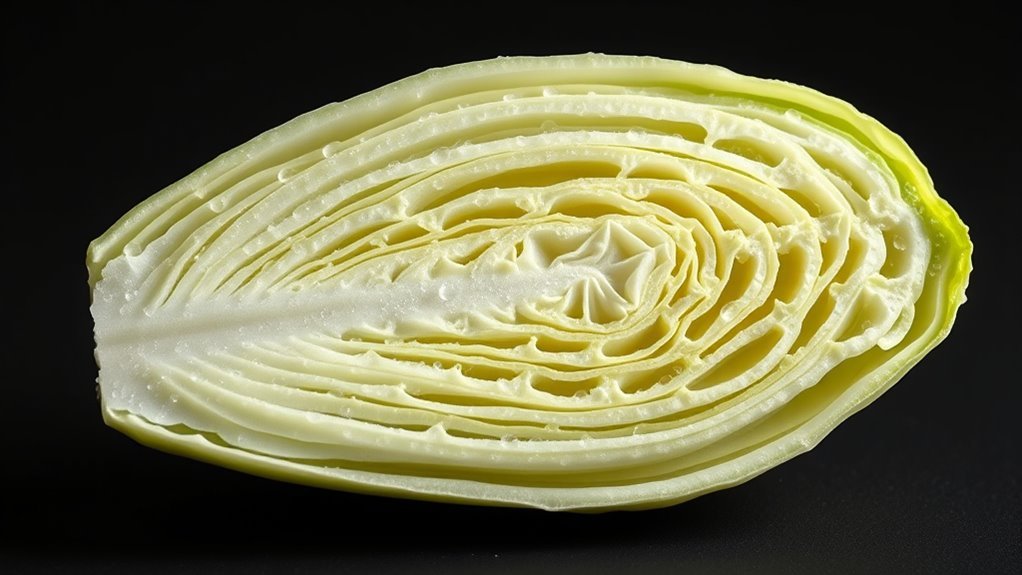
Does Iceberg Lettuce Have Any Nutritional Value?
Yes, iceberg lettuce does have nutritional value, mainly offering hydration thanks to its high water content and small amounts of vitamins like A, C, and K.
It provides a light crunch and some fiber but contains fewer nutrients than darker greens like spinach or kale.
While it’s a revitalizing, low-calorie option, relying on it alone can leave you short on key nutrients.
Keep exploring to discover how it fits into a balanced diet and when to be cautious.
Is Iceberg Lettuce Healthy? A Quick Overview
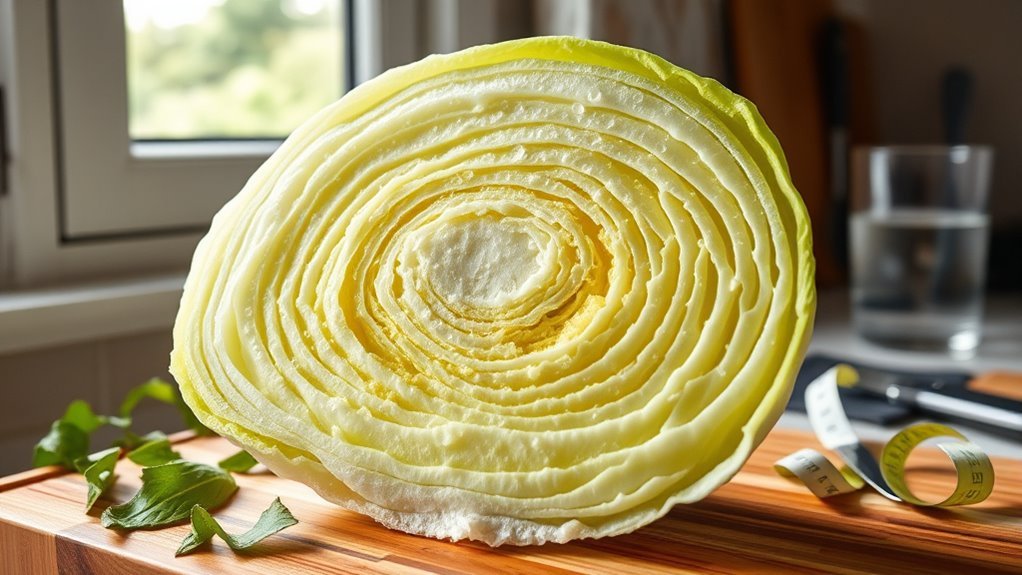
Although iceberg lettuce isn’t as nutrient-packed as other greens, it still offers health benefits you shouldn’t overlook. When you include iceberg lettuce in your meals, you’re adding a low-calorie option that provides about 5 to 10 calories per cup.
Its nutritional value may be limited compared to kale or spinach, but you get essential nutrients like vitamin K, folate, and small amounts of vitamin A. Plus, its high water content helps keep you hydrated.
You’ll also appreciate the satisfying crunch and mild flavor that iceberg lettuce brings to salads and sandwiches, making it easier to enjoy more vegetables. However, to maximize health benefits, you should combine iceberg lettuce with more nutrient-dense greens.
While it shouldn’t be your only leafy green, iceberg lettuce serves as a invigorating, hydrating, and low-calorie base that complements a balanced diet without overwhelming your palate.
What Nutrients Does Iceberg Lettuce Contain?
When you include iceberg lettuce in your meals, you get a revitalizing, low-calorie vegetable that contains small but valuable amounts of vitamins A, K, and folate. This crunchy leafy green is mostly water, which makes it invigorating and hydrating while adding only about 5 to 10 calories per cup.
Along with vitamins and minerals, iceberg lettuce offers a modest amount of fiber, helping your digestion. Though it’s often seen as less nutrient-dense than other leafy greens, it still supports your health with essential nutrients.
Here’s a quick look at what you get per cup of shredded iceberg lettuce:
| Nutrient | Amount per Cup | Benefit |
|---|---|---|
| Vitamin A | 205 micrograms | Supports vision and skin |
| Vitamin K | 56 micrograms | Aids blood clotting |
| Folate | Small amounts | Important for cell growth |
| Fiber | 0.5 to 1 gram | Promotes digestion |
| Calories | 5 to 10 calories | Low-calorie hydration |
How Does Iceberg Lettuce Compare to Other Greens?
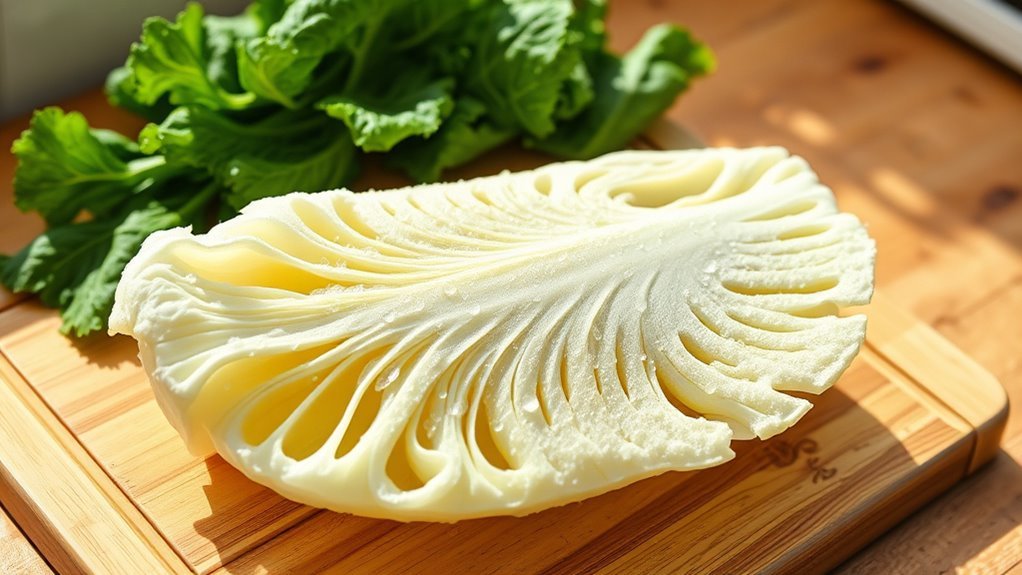
Iceberg lettuce offers an invigorating, low-calorie option packed mostly with water and modest amounts of vitamins like A and K. Its crunchy texture makes it a crisp choice, but when you compare it to other greens, you’ll notice it falls short nutritionally.
Iceberg lettuce is a refreshing, low-calorie green with a crisp texture but fewer nutrients than darker greens.
Darker greens such as spinach and romaine contain considerably higher levels of vitamin K, potassium, and vitamin A, sometimes 6 to 20 times more than iceberg. While iceberg lettuce provides some vitamin K, it’s not as nutrient-dense as these alternatives.
That said, iceberg’s mild flavor and hydrating crispness make it a great base for salads. To boost your salad’s nutritional value, try mixing iceberg lettuce with nutrient-rich greens. This way, you get the best of both worlds: the satisfying crunch of iceberg combined with the abundant vitamins and minerals from darker greens.
It’s an easy way to enjoy variety and improve your overall nutrient intake.
What Are the Key Health Benefits of Iceberg Lettuce?
A crisp addition to your meals, iceberg lettuce offers several key health benefits you might not expect. While it’s often overlooked compared to darker greens, iceberg lettuce provides essential nutrients that support your well-being. Here are three important health benefits to keep in mind:
- Hydration and Fullness: With about 95% water content, iceberg lettuce helps keep you hydrated and can promote a feeling of fullness. This can aid in weight management.
- Vitamin C Support: Although it’s not the richest source, iceberg lettuce contains vitamin C, which boosts your immune system and promotes healthy skin.
- Bone and Vision Health: Packed with vitamin K, it supports blood clotting and bone strength. Plus, its vitamin A content helps maintain healthy vision and may reduce age-related vision loss.
Including iceberg lettuce in your diet adds valuable nutrients and hydration, contributing to overall health benefits without overwhelming your meal.
How to Prepare Iceberg Lettuce for Maximum Nutrition

To get the most nutritional benefit from iceberg lettuce, you’ll want to start by thoroughly washing the leaves with cold water to remove any dirt, pesticides, and bacteria. After your lettuce leaves are washed thoroughly, use a salad spinner to dry them efficiently. This step keeps the leaves crisp and prevents sogginess, which can reduce their appeal and texture.
Next, remove the hard base of the lettuce bulb before chopping. This helps you get even pieces and makes it easier for your body to access the nutrients. For an extra crunch, soak the leaves in ice water for up to 30 minutes before serving. This not only boosts crispness but also refreshes the leaves.
Finally, try to incorporate your prepared iceberg lettuce into salads or meals soon after prepping to retain maximum freshness and nutritional quality. Following these simple steps guarantees you enjoy iceberg lettuce at its healthiest.
How Iceberg Lettuce Fits Into a Balanced Diet and Nutrition Plan
You can easily include iceberg lettuce in your diet as a low-calorie, hydrating base for meals. And when you pair it with nutrient-rich greens, you boost your overall vitamin and mineral intake. This simple combination really helps you build a balanced and nutritious plate.
Dietary Role Of Iceberg
Although iceberg lettuce isn’t as nutrient-dense as some other greens, it offers a low-calorie, hydrating option that fits well into a balanced diet. Its nutritional value includes being a good source of vitamin K and folate, which support blood clotting and fetal development.
You can enjoy iceberg lettuce in your diet by adding it to salads and sandwiches for crunch without extra calories. Using it as a hydrating base helps increase your overall vegetable intake. Pairing it with other nutrient-rich vegetables diversifies the vitamins and minerals you get.
Incorporating iceberg lettuce helps you stay hydrated and adds texture while contributing modestly to your daily vitamin intake. It plays a valuable dietary role when included with other greens in your nutrition plan.
Combining Greens For Nutrition
Iceberg lettuce adds invigorating crunch and hydration to your meals, but pairing it with nutrient-rich greens like spinach or kale boosts the overall vitamin and mineral content considerably. Combining lettuce with darker salad greens balances vitamin A, K, folate, and fiber intake, enhancing your nutrition.
Mixing various greens in salads or wraps ensures you get antioxidants, phytochemicals, and essential nutrients iceberg lettuce alone lacks. This variety supports hydration, digestion, and immune function, fitting perfectly into a balanced diet.
| Salad Greens | Key Nutrients |
|---|---|
| Iceberg Lettuce | Hydration, Fiber |
| Spinach | Vitamin A, Folate |
| Kale | Vitamin K, Antioxidants |
| Watercress | Phytochemicals |
| Mixed Greens Salad | Nutrient Diversity |
When Should You Be Careful Eating Iceberg Lettuce? Health Precautions and Limitations
If you have bleeding disorders or take blood-thinning medications, it’s a good idea to watch your Vitamin K intake. Iceberg lettuce is pretty low in nutrients, so relying on it by itself might leave your diet missing some important vitamins and minerals. To keep things balanced and healthy, try to include a variety of nutrient-rich vegetables in your meals.
Vitamin K Intake Risks
When should you be cautious about your Vitamin K intake from iceberg lettuce? While leaf lettuce like iceberg is generally healthy, its vitamin K content can pose risks if consumed excessively. Here’s when you should be careful:
- If you’re taking blood-thinning medications such as warfarin, too much vitamin K from iceberg lettuce can interfere with their effectiveness.
- If you have liver disease or a bleeding disorder, monitoring your vitamin K intake helps prevent complications.
- If you regularly eat large servings of iceberg lettuce, you might exceed the recommended 90-120 micrograms of vitamin K daily, which affects blood clotting.
Eating iceberg lettuce in moderation is key. Always consult your healthcare provider if you’re unsure about vitamin K and its impact on your health.
Nutritional Limitations Acknowledged
Although iceberg lettuce offers a invigorating crunch, it provides limited nutritional benefits compared to darker leafy greens. You should be aware of its nutritional limitations. Iceberg lettuce mainly contains water and only small amounts of vitamin K, vitamin A, and folate.
It lacks many essential nutrients that your body needs for ideal health, so relying on it alone isn’t a smart choice. If you’re taking blood thinners, you’ll want to monitor your intake carefully because even its modest vitamin K content can impact blood clotting.
To stay healthy, you should eat iceberg lettuce in moderation and combine it with more nutrient-dense vegetables. This way, you avoid nutritional gaps while still enjoying its crisp texture and mild flavor.
Importance Of Dietary Diversity
Because iceberg lettuce offers limited nutrients, relying on it exclusively can leave you vulnerable to deficiencies. To maintain a healthy diet, you should prioritize dietary diversity by including various types of lettuce and other nutrient-dense vegetables. This approach ensures you get a wider range of vitamins and minerals your body needs.
Moreover, there are health precautions to consider when eating iceberg lettuce:
- If you take blood-thinning medications, avoid overconsuming iceberg lettuce due to its Vitamin K content, which can interfere with your treatment.
- People with liver conditions or bleeding disorders should consult a healthcare professional before increasing their intake of iceberg lettuce.
- Mix iceberg lettuce with darker, nutrient-rich greens to balance your nutrient intake and reduce health risks.
Diversify your greens to stay healthy and safe.
Frequently Asked Questions
Can Iceberg Lettuce Be Grown Indoors or Year-Round?
Yes, you can grow iceberg lettuce indoors and enjoy year-round harvesting. By using indoor cultivation techniques like container gardening and grow lights, you control the environment perfectly.
Keep the soil well-drained and moist, maintain temperatures between 60-70°F, and provide enough light. This setup helps you avoid pests and diseases, ensuring a steady supply of fresh iceberg lettuce anytime you want, no matter the season outside.
Does Iceberg Lettuce Have Any Impact on Digestion or Gut Health?
You’ll get over 90% water from iceberg lettuce, which helps boost gut benefits by keeping your digestive system well-hydrated. This hydration softens stool, making digestion smoother.
While it’s low in fiber, iceberg lettuce encourages the production of digestive enzymes, gently supporting your gut health without irritation. So, when you include it in your meals, you’re helping your digestive enzymes work better and promoting easier bowel movements.
How Long Does Iceberg Lettuce Stay Fresh After Purchase?
Iceberg lettuce has a shelf life of about 1 to 2 weeks if you store it properly. To keep it fresh longer, follow storage tips like placing it in a plastic bag or airtight container in the fridge.
Make sure to wash and dry the leaves thoroughly before storing to prevent spoilage from moisture. Consume it within 5 to 7 days for the best crispness and flavor, as outer leaves may wilt sooner.
Are There Any Popular Recipes That Highlight Iceberg Lettuce?
You’ll find plenty of popular recipes that highlight iceberg lettuce, especially because of its crisp texture and mild flavor. Classic wedge salads with creamy salad dressings make it a standout.
You can also use iceberg as crunchy sandwich toppings to add freshness and bite. Try shredded iceberg in chopped salads or lettuce wraps to balance bold flavors.
Its versatility makes it perfect for both simple and creative dishes you’ll enjoy.
Can Iceberg Lettuce Be Used in Smoothies or Juices?
Yes, you can use iceberg lettuce in smoothies or juices. Its mild flavor adds a revitalizing crunch without overpowering other ingredients.
While iceberg’s health benefits are limited due to its high water content and low nutrients, it does boost hydration. To get the most from your drink, combine iceberg with nutrient-dense greens like spinach or kale.
This way, you enjoy a crisp texture and better overall nutrition in your smoothie or juice.
Conclusion
When you toss crisp iceberg lettuce into your salad, picture a invigorating crunch that’s light on calories but still offers a splash of vitamins and hydration. While it may not pack the nutrient punch of darker greens, it brings a cool, crisp balance to your plate.
So, don’t overlook iceberg. It’s a simple, revitalizing way to add texture and some nutrition to your meals, especially when mixed with more nutrient-dense veggies.