3 Key Nutrition Facts About Black Beans
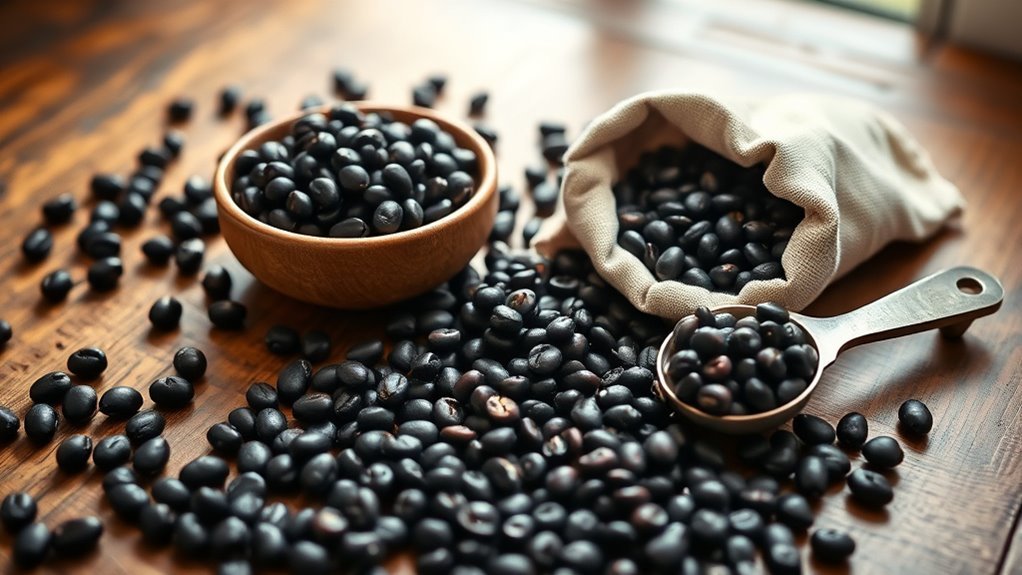
You get a powerful boost of fiber, protein, and antioxidants when you add black beans to your meals. They offer about 15 grams of fiber per cup, support muscle and tissue health with plant-based protein, and protect your cells with antioxidants like quercetin.
Plus, these nutrients help manage blood sugar and heart health.
If you want to learn how to prepare them for the best nutrition and digestion, keep exploring these benefits.
Why Black Beans Are Nutritional Superstars
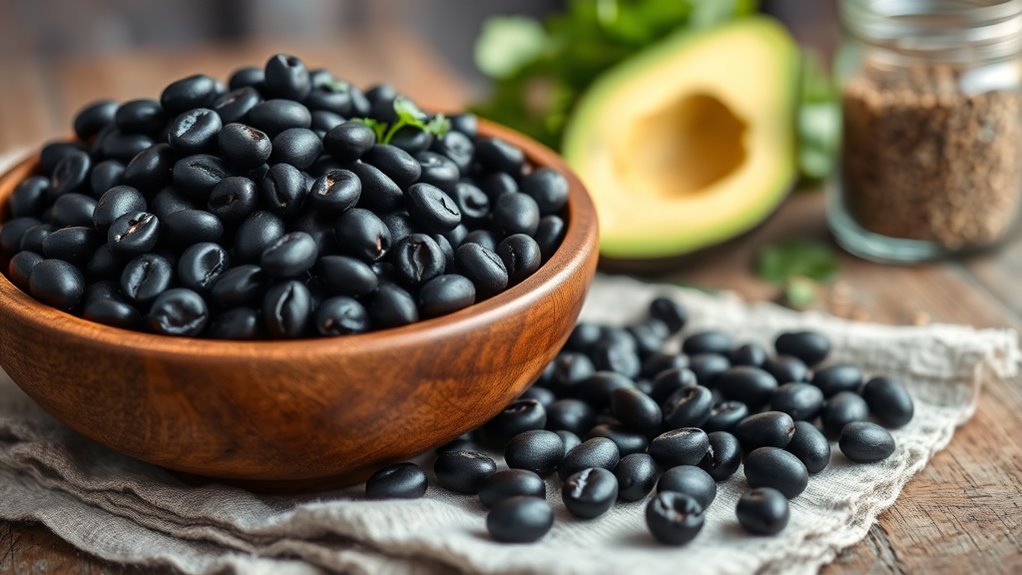
Although you might not think of black beans as a nutritional powerhouse, they pack an impressive punch. When you include black beans in your diet, you benefit from their high dietary fiber content, about 15 grams per cup, which supports digestion and heart health.
They also provide essential minerals like iron, magnesium, and folate, important for your daily nutritional needs. Black beans deliver a dense source of plant-based protein and complex carbohydrates, fueling your body efficiently.
What’s more, their rich antioxidants, including anthocyanins and quercetin, help combat free radicals and reduce inflammation. These bioactive compounds, such as saponins and phytochemicals, play a key role in immune support and may contribute to chronic disease prevention.
How Black Beans Support Your Heart and Blood Sugar Health
When you include black beans in your diet, you actively support your heart and blood sugar health through their powerful antioxidants and high fiber content. These nutrients work together to improve cardiovascular function and regulate blood sugar levels.
Black beans are loaded with antioxidants like quercetin and saponins that reduce inflammation and oxidative damage, protecting your heart. Their fiber content helps lower cholesterol and enhances blood vessel function, which is vital for heart health. Furthermore, black beans boost insulin sensitivity, helping to manage blood sugar and reduce diabetes risk.
Here’s how black beans benefit you:
- Lower blood cholesterol, supporting cardiovascular health
- Improve insulin sensitivity, aiding blood sugar control
- Provide antioxidants that reduce heart inflammation
- Supply potassium and magnesium to regulate blood pressure
- Decrease risk of atherosclerosis through anti-inflammatory effects
Incorporating black beans ensures you get essential nutrients for maintaining a healthy heart and balanced blood sugar.
How to Prepare Black Beans for Maximum Nutrition and Digestion
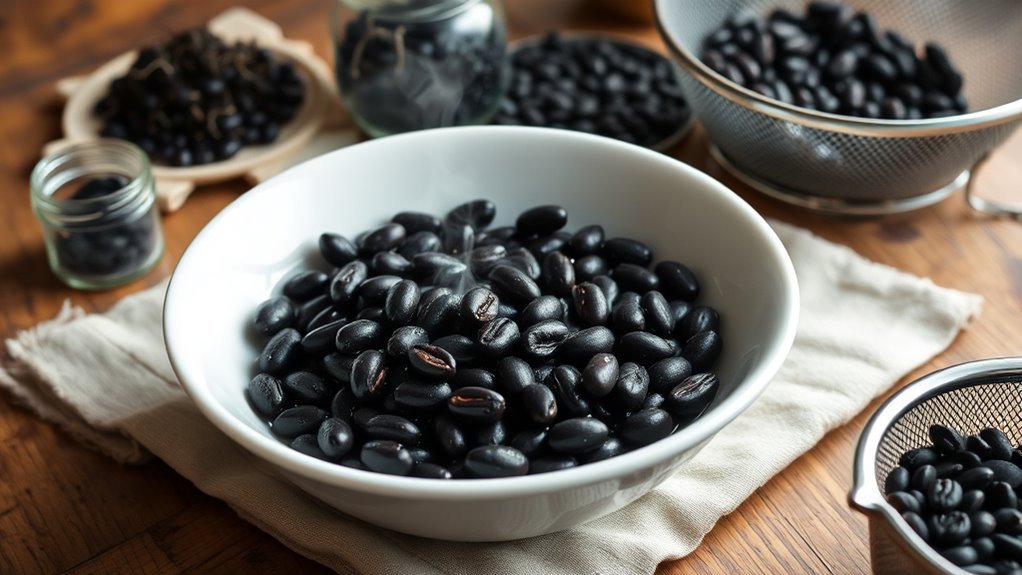
To get the most nutrition and ease digestion, you should soak black beans for 8 to 10 hours or use a quick-soak method that involves boiling briefly before soaking. These soaking methods help reduce antinutrients, which interfere with nutrient absorption and can cause digestive discomfort.
After soaking, drain and rinse the beans thoroughly to remove oligosaccharides that often cause gas and bloating. Proper rinsing is key in preparing black beans for better digestibility.
When cooking, simmer the beans until they’re tender and easy to split apart, usually around 2 hours, to maximize nutrient availability. You can also opt for pressure cooking, which more effectively eliminates lectins and other antinutrients, enhancing both safety and nutrition.
If using canned black beans, rinse them well to lower sodium levels and reduce gastrointestinal issues. Following these preparation steps ensures you enjoy black beans at their most nutritious and digestible.
Frequently Asked Questions
Can Black Beans Be Frozen for Long-Term Storage?
Yes, you can freeze black beans for long-term storage. Use proper freezing techniques by draining and rinsing cooked beans to reduce moisture, then pack them in airtight containers or freezer bags to prevent freezer burn.
Store for up to 6 months to maintain texture and shelf life. Thaw beans in the fridge or microwave for even heating. Organize your freezer well, separate pre-cooked from raw, and follow packaging tips to guarantee food safety and preserve quality.
Do Black Beans Contain Any Common Allergens?
Black beans have low allergenic potential compared to common allergens, but if you have bean sensitivities, you should watch for allergic reactions. Cross reactivity concerns mean your immune system might react to similar legumes.
Always check allergen labeling for ingredient transparency to manage food allergy risks effectively. Identifying symptoms early helps with allergen prevention.
If you suspect a reaction, consult a specialist to understand your immune responses and safely include black beans in your diet.
How Do Black Beans Compare Nutritionally to Other Beans?
You might think black beans vastly outperform other beans, but their nutritional benefits are quite comparable. They offer similar protein content and fiber levels as pinto beans, with slight differences in vitamin profile and mineral comparison.
Their calorie count and fat content remain low, while antioxidant properties and phytochemical presence provide excellent health perks. Plus, black beans’ glycemic index is moderate, making them a great choice alongside other beans in a balanced diet.
Are Black Beans Safe to Eat During Pregnancy?
Yes, black beans are safe to eat during pregnancy when cooked properly. Their high protein content and folate support prenatal nutrition and gestational health.
You’ll benefit from their fiber impact, which aids digestion, but be mindful of digestion effects like gas. They also help with iron absorption, essential during pregnancy.
While allergy risks are low, always watch for reactions. Include black beans in your dietary considerations for balanced nutrition and pregnancy safety.
What Are Some Creative Recipes Using Black Beans?
Black beans are your secret ingredient that can dance through countless dishes! You can whip up black bean tacos or black bean burritos for a protein-packed meal.
Toss black bean salads or blend black bean dip and black bean hummus for tasty snacks. Cook up black bean chili or black bean soups to warm your soul.
Don’t forget black bean quesadillas, black bean burgers, and even black bean pasta—you’ll never run out of creative ideas!
Conclusion
Don’t worry if you think black beans are hard to prepare or might upset your stomach. They’re easier to cook than you’d expect, and soaking them helps prevent discomfort.
By adding black beans to your meals, you’re fueling your body with fiber, protein, and antioxidants that support heart health and steady blood sugar.
Give them a try—you’ll enjoy tasty dishes that boost your nutrition without any hassle.