
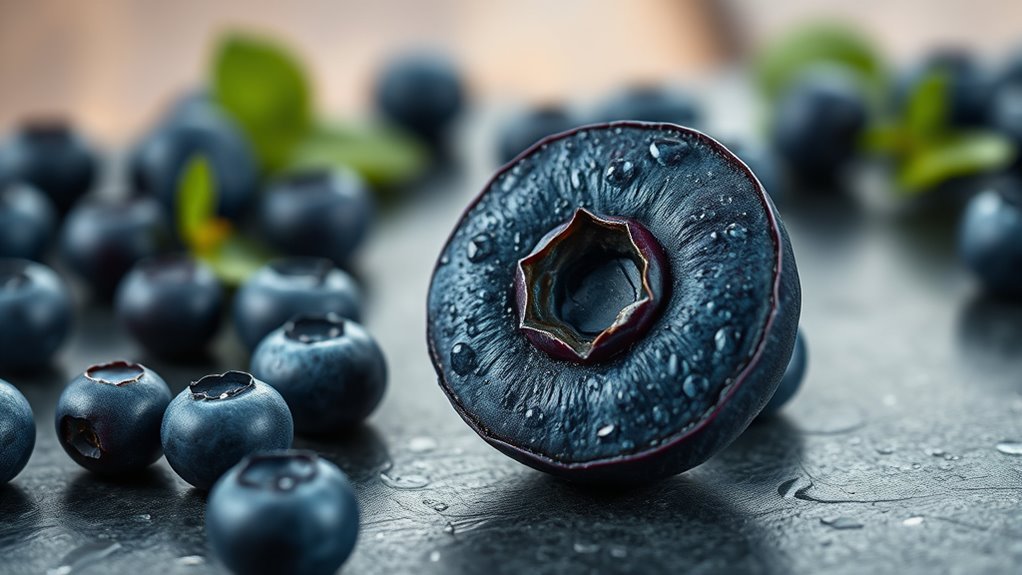
How to Unlock Blueberry Nutrition in a Deep Dive
To uncover the full nutrition of wild blueberries, focus on their high antioxidant content, especially anthocyanins, plus vitamins A, C, and K, and essential minerals.
Maintain their benefits by freezing them properly in airtight containers to prevent nutrient loss.
Incorporate them into your diet with smoothies, oatmeal, or snacks to gain brain, heart, and gut health support.
Using traditional hand-picking methods also guarantees peak flavor and quality.
Keep exploring and you’ll discover even more ways these berries boost wellness.
What Makes Wild Blueberries Nutrient-Rich?
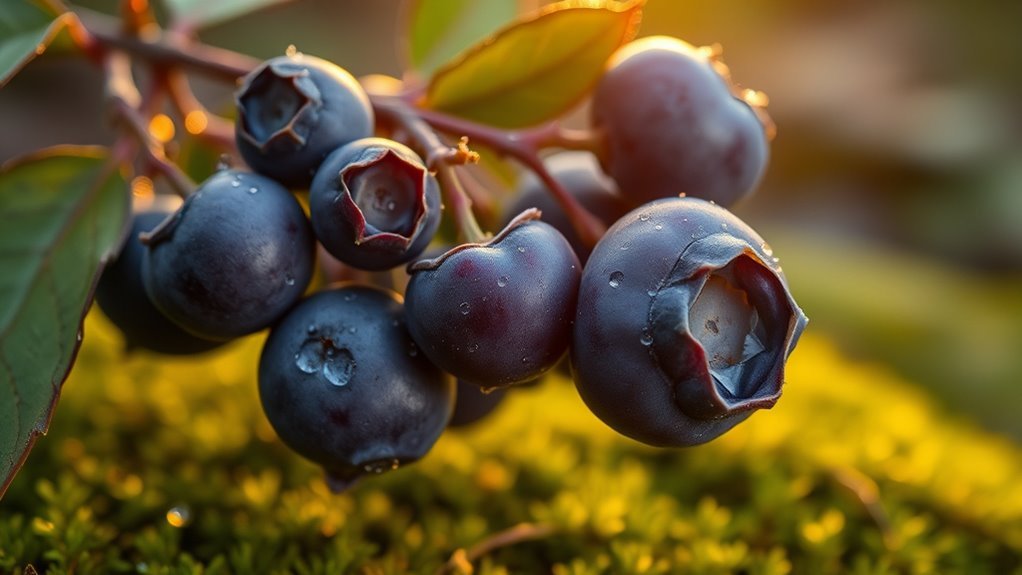
Although you might find blueberries in many forms, wild blueberries stand out because they pack a higher concentration of antioxidants, especially anthocyanins, than their cultivated counterparts. When you eat wild blueberries, you’re getting about 13,427 antioxidants per cup, which support anti-aging and boost your immune system.
Wild blueberries deliver over 13,000 antioxidants per cup, enhancing anti-aging and immune health naturally.
These berries grow naturally in barrens, where traditional harvesting methods passed down through generations help maintain the integrity of the environment. This connection to natural ecosystems plays a huge role in making wild blueberries so nutrient-rich.
The soil, climate, and careful hand-picking all contribute to their dense profile of beneficial phytochemicals. So, when you choose wild blueberries, you’re not just enjoying a tasty snack; you’re tapping into a nutrient powerhouse grown with respect for nature and heritage.
This makes wild blueberries a smart, healthful choice that goes beyond just flavor.
How Freezing Keeps Wild Blueberries Fresh and Nutritious
Choosing wild blueberries means you’re selecting a nutrient-rich fruit packed with antioxidants and phytochemicals. To keep these benefits intact, freezing plays an essential role. Freezing wild blueberries immediately after harvest locks in their peak freshness and prevents nutrient degradation.
This process preserves antioxidants, vitamins, and phytochemicals, ensuring they stay potent throughout storage. When done right, like flash freezing berries in a single layer before packaging, you avoid freezer burn and maintain quality.
Studies show frozen wild blueberries keep higher levels of polyphenols and anthocyanins than fresh berries stored over time. Plus, freezing preserves their flavor and texture, making frozen wild blueberries a convenient, nutritious option year-round.
Inside Wild Blueberries: Antioxidants and Key Nutrients
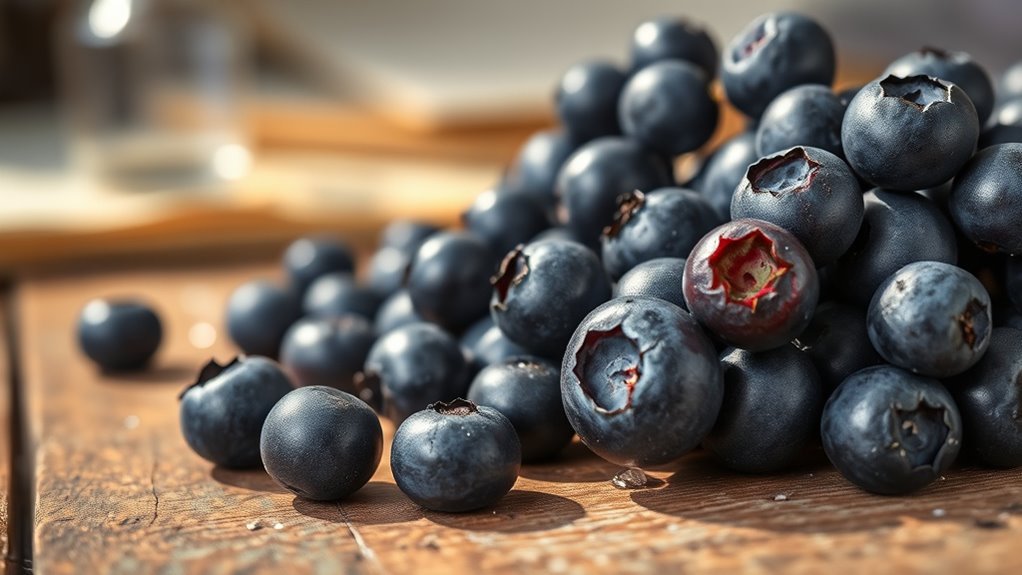
You’ll find wild blueberries packed with powerful antioxidants like anthocyanins that really outshine their cultivated counterparts. Plus, they come loaded with key vitamins A and C. On top of that, they offer polyphenols and flavonoids, which help fight oxidative stress and inflammation. Knowing about these nutrients makes it easier to tap into all the health benefits wild blueberries have to offer.
Antioxidant Composition Breakdown
When you dig into wild blueberries, you’ll find they pack an impressive antioxidant punch, mainly from anthocyanins, the compounds that give them their vibrant blue color. These antioxidants help neutralize free radicals, reducing oxidative stress and boosting your overall health.
A single cup offers around 13,427 antioxidants, including powerful polyphenols like flavonoids and ellagic acid. Wild blueberries generally contain higher antioxidant concentrations compared to cultivated ones, making them a potent choice.
| Antioxidant Type | Source in Blueberries | Health Benefit |
|---|---|---|
| Anthocyanins | Skin and pulp | Anti-inflammatory, antioxidant |
| Flavonoids | Whole berry | Heart health, immunity |
| Ellagic Acid | Seeds and pulp | Cancer protection |
| Polyphenols | Entire berry | Oxidative stress reduction |
| Total Antioxidants | Wild blueberries | Overall wellness |
Key Vitamins And Minerals
How exactly do wild blueberries support your body beyond their antioxidant power? They deliver key vitamins like vitamin C and vitamin K, essential for boosting your immune system and aiding blood clotting.
These berries also pack crucial minerals such as manganese, magnesium, and iron, which help strengthen your bones, produce energy, and transport oxygen efficiently throughout your body.
Alongside antioxidants, wild blueberries provide dietary fiber and vitamins A and C, enhancing overall health and disease resistance.
Polyphenols And Flavonoids
Although wild blueberries boast impressive vitamin and mineral content, their true nutritional power lies in the high levels of polyphenols and flavonoids they contain. These polyphenols, including anthocyanins, give wild blueberries their vibrant blue color and strong antioxidant properties.
You’ll find flavonoids like delphinidin and malvidin in abundance, which help reduce inflammation and promote overall health. One cup of wild blueberries packs around 13,427 antioxidants, far surpassing many other fruits in polyphenol concentration.
Since wild blueberries contain more polyphenols than cultivated varieties, they’re your best bet for maximizing these benefits. When you eat them, you’re supporting your body’s fight against oxidative stress and inflammation, boosting your wellness in a natural, powerful way.
How Wild Blueberries Support Brain Health and Memory
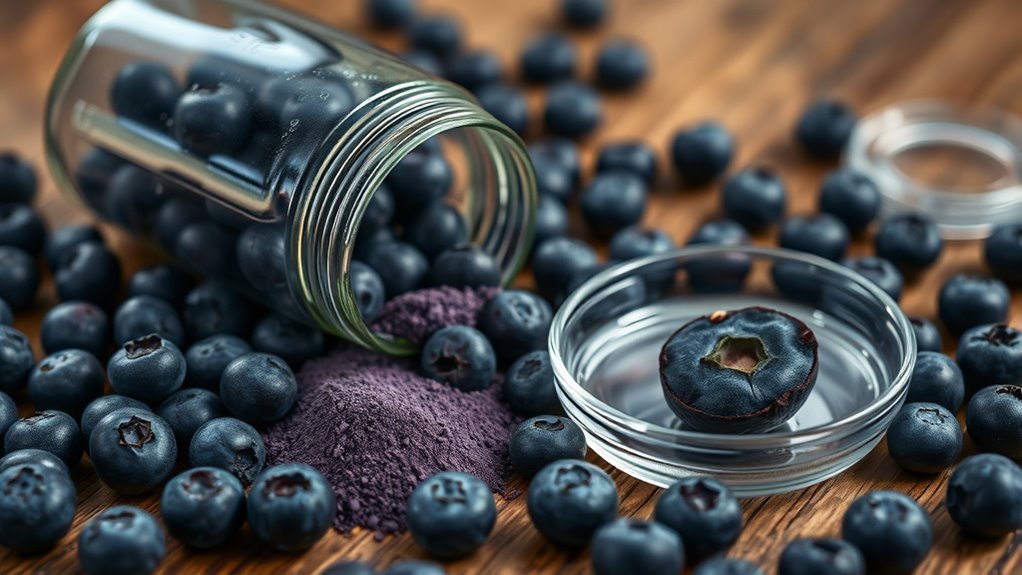
Because wild blueberries are packed with anthocyanins and flavonoids, they can substantially boost your memory and cognitive function. These antioxidants reduce inflammation and oxidative stress in your brain, supporting overall brain health.
Regularly eating wild blueberries promotes neuroplasticity by enhancing neuronal signaling, which helps improve learning and memory recall. This can delay brain aging and lower your risk of neurodegenerative diseases.
Here’s a quick look at how wild blueberries support your brain:
| Benefit | Mechanism | Outcome |
|---|---|---|
| Memory enhancement | Anthocyanins improve signaling | Better recall and learning |
| Brain health | Antioxidants reduce stress | Reduced inflammation |
| Neuroplasticity support | Flavonoids promote neuron growth | Enhanced cognitive flexibility |
| Neurodegenerative risk | Anti-inflammatory effects | Delayed brain aging |
Incorporating wild blueberries into your diet is a delicious way to keep your brain sharp and resilient.
Blueberries for Blood Sugar and Diabetes Support
When you include blueberries in your diet, you tap into their powerful polyphenols, like anthocyanins, which help improve insulin sensitivity and regulate blood sugar levels. These compounds make blueberries a smart choice for managing blood sugar and supporting diabetes care. Here’s how they work for you:
Including blueberries in your diet boosts insulin sensitivity and helps regulate blood sugar for better diabetes management.
- Blueberries’ high fiber content slows carbohydrate absorption, preventing sudden blood sugar spikes after meals.
- Regular consumption has been shown to lower fasting blood glucose and HbA1c, markers important for people with type 2 diabetes.
- Blueberries support pancreatic beta-cell function, helping your body produce insulin more effectively and maintain better blood sugar control.
Wild Blueberries’ Role in Heart and Bone Health
You’ll find that wild blueberries offer powerful cardiovascular benefits by lowering blood pressure and reducing inflammation. Plus, they support bone density with essential minerals and compounds that boost bone formation. So, adding them to your diet can help protect both your heart and bones effectively.
Cardiovascular Benefits Explained
Though often overlooked, wild blueberries pack powerful nutrients that actively support your heart and bone health. Their cardiovascular benefits are particularly impressive.
You can boost your heart health by including wild blueberries in your diet because:
- Anthocyanins reduce LDL cholesterol oxidation and improve blood vessel function, helping to protect your cardiovascular system.
- Regular intake lowers blood pressure and increases arterial flexibility, decreasing your risk of heart disease.
- Antioxidants in wild blueberries reduce systemic inflammation, a major contributor to cardiovascular problems.
Bone Density Support
Wild blueberries don’t just support your cardiovascular system; they also play a big role in keeping your bones strong. They’re packed with vitamin K, calcium, magnesium, and phosphorus, giving your body the nutrients it needs to boost bone density.
The polyphenols in wild blueberries, like flavonoids and anthocyanins, help improve bone cell function and encourage osteoblast differentiation. This means your body can build new bone and mineralize it more effectively.
Eating wild blueberries regularly has been linked to better bone density and a lower risk of osteoporosis, especially as you get older. Plus, their antioxidant properties protect your bone tissue from oxidative stress, which helps prevent age-related deterioration.
Adding wild blueberries to your diet is a smart way to support both your heart and your bones.
Anti-Inflammatory Effects
How exactly do wild blueberries help reduce inflammation and protect your heart and bones? These berries pack powerful anti-inflammatory compounds that deliver multiple health benefits. Here’s how they work:
Wild blueberries contain high levels of anthocyanins, antioxidants that lower inflammation by inhibiting enzymes like cyclooxygenase.
Regular blueberry consumption decreases inflammation markers, reducing your risk of heart health issues such as cardiovascular disease.
Their antioxidants shield bone cells from oxidative stress, promoting stronger bone health and lowering osteoporosis risk.
Why Wild Blueberries Are Great for Gut Health and Digestion
Because they’re packed with dietary fiber and polyphenols, wild blueberries can considerably boost your gut health. The fiber increases fecal bulk, which supports regular bowel movements and keeps your digestive system running smoothly.
Meanwhile, the polyphenols promote the growth of beneficial gut bacteria, enhancing microbial diversity within your gut microbiota. This balance is essential for maintaining overall digestive wellness.
Polyphenols also provide anti-inflammatory benefits to your gut tissues, helping manage inflammation-related digestive issues. By regularly including wild blueberries in your diet, you help modulate your gut microbiota, ensuring a healthier environment for digestion.
This combination of fiber and polyphenols makes wild blueberries a powerful ally for gut health, supporting both digestive function and reducing inflammation. You’ll find that your digestive system feels more balanced and resilient, thanks to these natural compounds working together in wild blueberries.
Easy Ways to Add Wild Blueberries to Your Daily Routine
You can easily boost your nutrition by adding wild blueberries to your smoothies, breakfast, or snacks. They’re a simple way to pack in antioxidants and fiber that support your daily health.
Try freezing them in portions, so you always have a quick, tasty option on hand. It makes it super easy to add a burst of flavor whenever you want!
Simple Wild Blueberry Uses
When looking to boost your daily nutrition effortlessly, wild blueberries offer versatile options that fit easily into meals and snacks. Their rich antioxidants and vitamins make them a simple yet powerful addition to your diet.
Here are three easy ways to enjoy blueberries daily:
- Blend frozen wild blueberries into smoothies for a convenient, year-round antioxidant boost without losing nutrients.
- Sprinkle blueberries over oatmeal or yogurt to add fiber that supports digestion and helps stabilize blood sugar.
- Incorporate blueberries into baking recipes like muffins or pancakes for natural sweetness and enhanced polyphenol intake.
Freezing wild blueberries preserves their benefits, so you can keep this nutritious fruit ready to add flavor and health benefits to your routine anytime.
Daily Wild Blueberry Benefits
Incorporating wild blueberries into your daily routine opens a simple way to boost antioxidants, fiber, and essential nutrients that support brain function, immune health, and steady energy. You can easily add a handful of blueberries to your morning yogurt, oatmeal, or smoothie for a nutrient-rich start.
Toss them in salads or cottage cheese to enhance flavor and fiber. Baking muffins or pancakes with wild blueberries lets you enjoy their benefits while satisfying sweet cravings. Snacking on fresh or dried blueberries throughout the day also helps keep your immune system strong and energy steady.
| Meal Time | Wild Blueberry Ideas |
|---|---|
| Breakfast | Yogurt, oatmeal, smoothie |
| Snacks | Fresh or dried blueberries |
| Meals & Baking | Salad topping, muffins, pancakes |
Best Recipes to Boost Nutrition and Flavor With Wild Blueberries
How can wild blueberries transform your meals both nutritionally and flavor-wise? These tiny powerhouses pack antioxidants, fiber, and vitamins that elevate any dish. Here are three tasty ways to boost nutrition and flavor with blueberries:
- Smoothies: Blend wild blueberries with spinach and Greek yogurt for a nutrient-packed, refreshing drink that supports digestion and immunity.
- Baked Goods: Add wild blueberries to mini muffins or ricotta pancakes. Their natural sweetness reduces the need for added sugar while enriching your meal with antioxidants.
- Savory Dishes: Incorporate wild blueberries into chickpea stews with cinnamon or pesto chicken roulade. This adds a unique flavor twist and enhances the dish’s nutritional profile.
You can also sprinkle them on oatmeal or yogurt bowls or stir them into relishes and sauces to complement meats and vegetables. Wild blueberries don’t just taste great; they make your meals healthier and more exciting with every bite.
How Traditional Harvesting Boosts Blueberry Quality and Legacy
Because traditional harvesting techniques rely on hand-picking wild blueberries, you get berries of unmatched quality and flavor. This method, passed down through generations, guarantees each berry is carefully selected from natural, unmanaged barrens.
By sticking to traditional harvesting, you support sustainable practices that protect the environment and help maintain the wild characteristics of the berries. These wild blueberries often have higher antioxidant levels compared to cultivated ones, boosting their nutritional quality.
Beyond the fruit itself, traditional harvesting preserves the legacy and cultural heritage of family-owned growers who’ve worked the same lands for centuries. When you choose blueberries harvested this way, you’re not only enjoying superior quality but also honoring a time-tested tradition that safeguards both the berries and their natural habitat.
This commitment to heritage and sustainability enriches your experience and connects you to a living legacy of wild blueberry harvesting.
Storing and Preparing Wild Blueberries to Preserve Nutrients
When you want to keep the rich nutrients of wild blueberries intact, proper storage and preparation are crucial. Start by washing them gently with cold water and drying thoroughly to prevent mold growth.
Next, follow these key steps for ideal storage:
- Freeze blueberries individually on a baking sheet before transferring them to airtight freezer bags. This prevents clumping and preserves their texture.
- Store frozen wild blueberries at 0°F (-18°C) or lower to maintain nutritional quality and avoid spoilage.
- Keep blueberries in a dark, airtight container to protect antioxidants and prevent freezer burn over time.
Avoid thawing blueberries at room temperature. Instead, thaw them in the refrigerator or use them directly from frozen in recipes.
Frequently Asked Questions
Can Blueberry Supplements Replace Fresh or Frozen Blueberries?
No, blueberry supplements can’t fully replace fresh or frozen blueberries. While supplements offer a concentrated antioxidant boost, they often lack the fiber and phytochemicals found in whole berries.
You’ll miss out on the full spectrum of nutrients and the synergistic benefits that whole blueberries provide. Use supplements as a convenient addition, not as substitutes for the complete nutritional benefits of fresh or frozen blueberries.
Are There Any Allergies or Side Effects From Eating Wild Blueberries?
You’d think something so tiny and sweet couldn’t cause trouble, right? But yes, wild blueberries can trigger allergy risks for some people. If you’re sensitive, you might face itching, swelling, or even breathing difficulties.
Plus, their natural compounds sometimes upset your stomach or interact with blood thinners because of vitamin K. So, if you’re prone to berry allergies or on medication, it’s smart to check with your doctor before diving in.
How Do Wild Blueberries Compare Nutritionally to Other Berries?
When you do a nutritional comparison, wild blueberries stand out with way higher antioxidant levels than other berries like strawberries or raspberries. You’ll get more polyphenols and anthocyanins, which boost brain health and reduce inflammation.
Despite being smaller, wild blueberries pack a stronger nutritional punch per serving, thanks to growing naturally without pesticides. So, if you want maximum nutrition, wild blueberries are a smart choice over cultivated varieties.
What Is the Environmental Impact of Wild Blueberry Harvesting?
You’ll find the environmental footprint of wild blueberry harvesting is impressively low. Since many growers use traditional, hand-picking methods, they minimize soil disturbance and protect local ecosystems.
This careful approach supports biodiversity and maintains natural balance, keeping the habitat healthy for future generations. By choosing wild blueberries, you’re supporting sustainable practices that preserve the environment without resorting to large-scale industrial impact.
Can Wild Blueberries Help With Weight Loss or Metabolism?
Yes, wild blueberries can help with weight loss and metabolism. Their metabolic benefits come from anthocyanins, which boost fat oxidation and improve insulin sensitivity.
You’ll also benefit from their fiber, which keeps you full longer and aids weight management. Plus, polyphenols in these berries enhance mitochondrial function, increasing your energy expenditure.
Incorporating wild blueberries into your diet can support your metabolism and help you manage your weight more effectively.
Conclusion
You might think revealing blueberry nutrition is as simple as popping a few in your mouth. But these tiny wild gems pack a punch only revealed through freezing, traditional harvesting, and smart storage.
So, while you’ve been casually tossing them in smoothies, you’ve actually been missing out on a nutritional goldmine. Now that you know the secrets, go ahead, treat your brain, blood sugar, and taste buds like they deserve.
Who knew berries could be so clever?